Traveling across borders with a van can prove to be an exciting adventure, offering a sense of exploration and freedom like no other. Whether you want to go on a road trip through picturesque landscapes or want to conduct business in multiple countries, taking a van on Euro Tunnel can provide an efficient and convenient way to cross the English Channel. Here are some top tips to consider before driving your van into the Euro Tunnel.
Plan ahead
As with any journey, the key to a successful trip is proper planning. Before heading to the Euro Tunnel, make sure to research the schedules, availability, and booking procedures. The Euro tunnel operates multiple services throughout the day, but the peak travel times can fill up quickly. Booking your slot in advance not just guarantees you a spot on the train but also saves you money compared to last-minute bookings.
Check vehicle requirements
Before you embark on the adventure, ensure that your van meets the Euro Tunnel’s vehicle requirements. Motorhomes, vans, and larger vehicles are typically allowed on the Euro Tunnel, but there could be specific weight and size restrictions. Can I take a camper van on the Eurotunnel? Make sure to measure your van carefully and check its weight against the tunnel’s guidelines for avoiding any surprises on the day of travel.
Keep necessary documentation ready
Traveling across international borders requires proper documentation. Make sure that you have a valid vehicle registration, driver’s license, insurance, and any other necessary travel documents for both yourself and any passengers. It would also be a great idea to carry a printed copy of your booking confirmation for the Euro Tunnel.
Securing the load
Can I take a van on Eurotunnel? Of course, you can but you need to meet certain criteria for it. for instance, before driving onto the Euro Tunnel, you need to make sure that your van’s cargo is securely stowed. You need to pack the items tightly and safely to prevent shifting during transit. Secure heavy items in order to prevent them from moving and causing any damage to your van or other vehicles during the journey.
Familiarize yourself with driving regulations
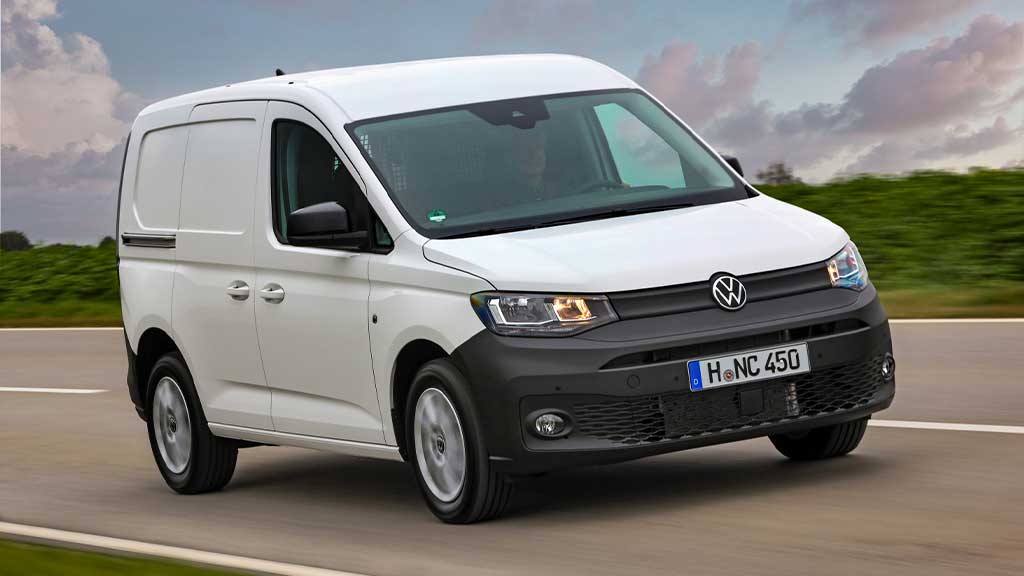
Different countries have then own varying road rules and regulations. Study the driving laws of the countries you are planning to travel through. Make sure that you are familiar with the road signs, speed limits, and any other relevant regulations. This will help you stay safe and avoid any unnecessary fines.
Consider travel insurance
While your regular vehicle insurance would cover the basic requirements, it would be a good move to consider additional travel insurance when you are taking your van abroad. Travel insurance can provide you extra coverage for unexpected events such as breakdowns, accidents, and even in the event of cancellations thereby promising you peace of mind throughout your journey.
Go through your vehicle’s insurance policy documents to check if you have the minimum cover required to take your van to other European countries. Most basic insurance policies provide you with the cover you need to take your car to EU countries. However, you may not be sure of the same level of protection as you have in the UK. You need to also check with your insurance provider that you are covered for delayed or canceled departures through the tunnel, emergency accommodation, and roadside assistance.
Perform a vehicle check
Before embarking on any long journey, make sure to perform a thorough vehicle check. Ensure that your van’s brakes, lights, tires, and fluids are in appropriate condition. Take some time to perform these checks. This will help you prevent breakdowns and ensure a smoother journey. Failing to do so can shoot up the cost to take a van on the Eurotunnel.
Don’t forget to pack the essentials
Keep a well-stocked emergency kit that includes basic items such as the first aid kit, warning triangles, reflective vests, a flashlight, basic tools, and any necessary medications you might need on the trip. Having these essentials can prove to be invaluable in case of emergencies, especially when you are traveling to unfamiliar territories.
Plan rest stops

You need to remember that driving long distances can be tiring. Hence, it is essential that you plan regular rest stops to take breaks, hydrate, and stretch your legs. Don’t forget to research the rest areas along the route. Prepare a rough itinerary for where you will be stopping during the journey. This will give you plenty of opportunities to explore new places and enjoy the journey.
Stay informed
While taking a van on Euro Tunnel, make sure to keep an eye on the weather conditions, the traffic updates, detours, and any potential road closures along your route. Having a reliable GPS navigation system or a smartphone app can help you to navigate through unfamiliar areas with ease.
Language considerations
If you are traveling through different countries with different languages while taking a van on Euro Tunnel, then make sure to learn some basic phrases in the local languages. This will help make communication smoother to help you navigate through any situations where language barriers might arise.
Be mindful of customs regulations
Crossing international borders also implies that you need to go through customs and security checks. Hence, you need to be aware of what items are prohibited in the countries you are visiting. Failing to comply can attract legal issues. The best thing you can do is avoid carrying items that can result in any delays or issues during border crossings.
What items you can’t take in your van while crossing the Euro Tunnel?
Vehicles that are powered by LPG cannot be driven through the Euro Tunnel even if it is your secondary fuel source. Fireworks and firearms are also prohibited. Firearms are permitted only if accompanied by a valid Firearms or Shotgun license. It is mandatory to declare all firearms at check-in. also, you need to remember that taxes and excise duties are payable if you are carrying alcohol, tobacco, or any other goods that have been made for commercial purposes and not personal consumption.
Euro Tunnel rules for vans
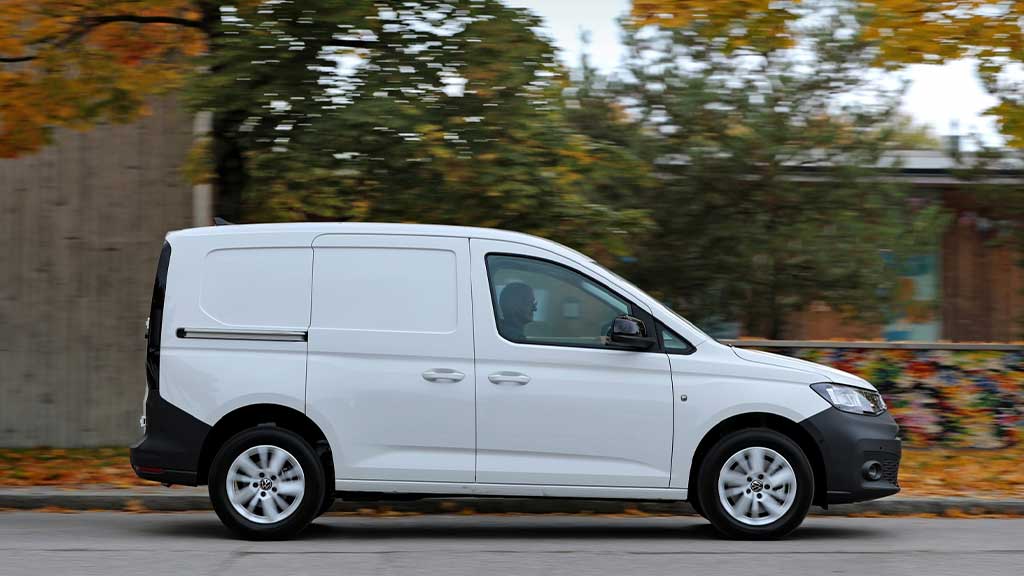
Euro Tunnel allocates space in single deck carriage for vehicles that measure higher than 1.85m. Vans traveling through the tunnel are divided into the following categories.
- Low van (under 1.85m) – These vans are used for private, tourist, or leisure travel only. The maximum weight allowed for these vans is 3.5 tons.
- High van (over 1.85m) – These vans are to be used for tourist, private, or leisure travel only. The maximum weight allowed for these vans is also 3.5 tons.
- Campervan – Any vehicle that includes living accommodations such as beds, tables, seats, cooking, and storage facilities is categorized as a camper van.
Conclusion
Taking a van on the Euro tunnel can be a convenient and exciting way to explore new horizons. By following these tips, you can have a smooth journey and you will be well-prepared to navigate through the Euro Tunnel experience with confidence. Remember that awareness of regulations, vehicle maintenance, and proper planning will contribute to a safe and enjoyable trip across the English Channel. You will be able to fully embrace the adventure of traveling with your van through Europe.