
The short answer
Racking and conversions on a used van transform a basic load area into a functional workspace, but they must be professionally installed and structurally sound to ensure safety and longevity. While modifications add utility, always prioritise the vehicle's structural integrity over aesthetic additions when choosing your next vehicle.
What to check
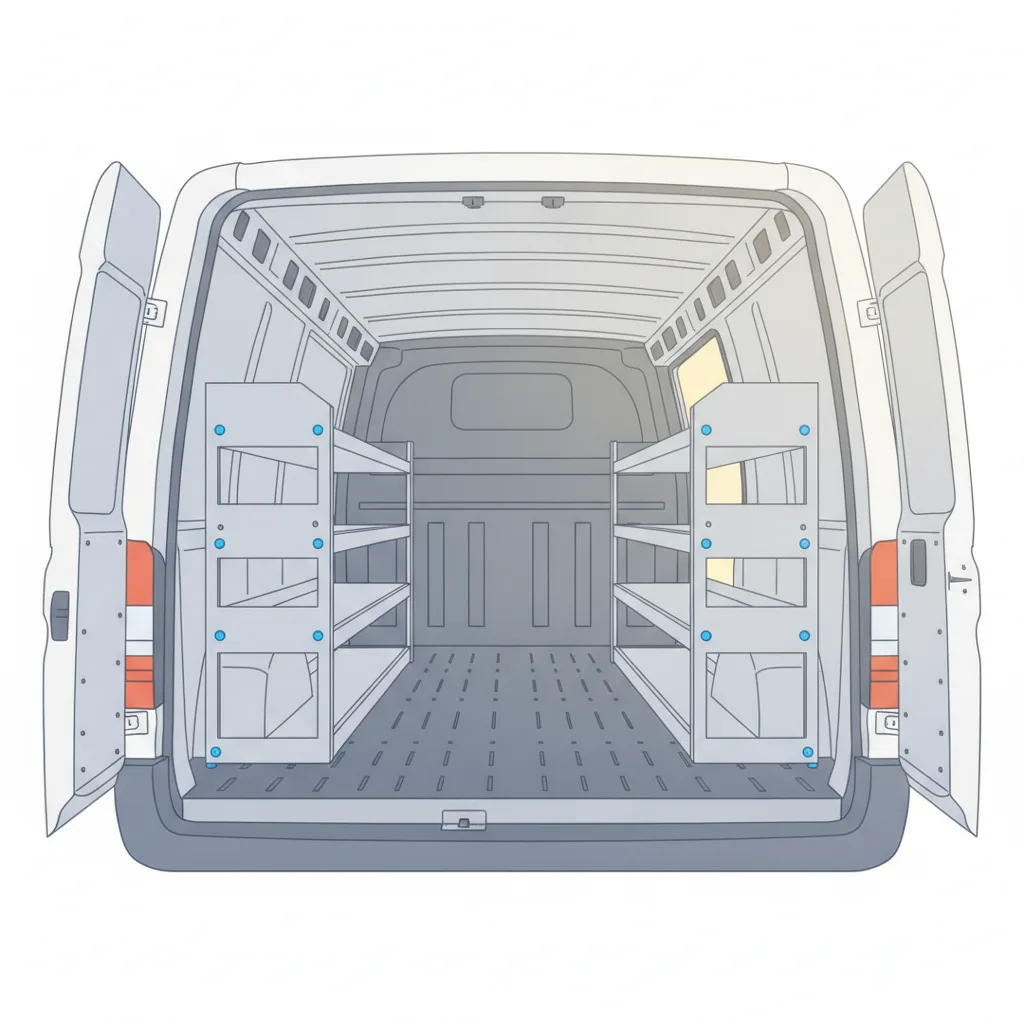
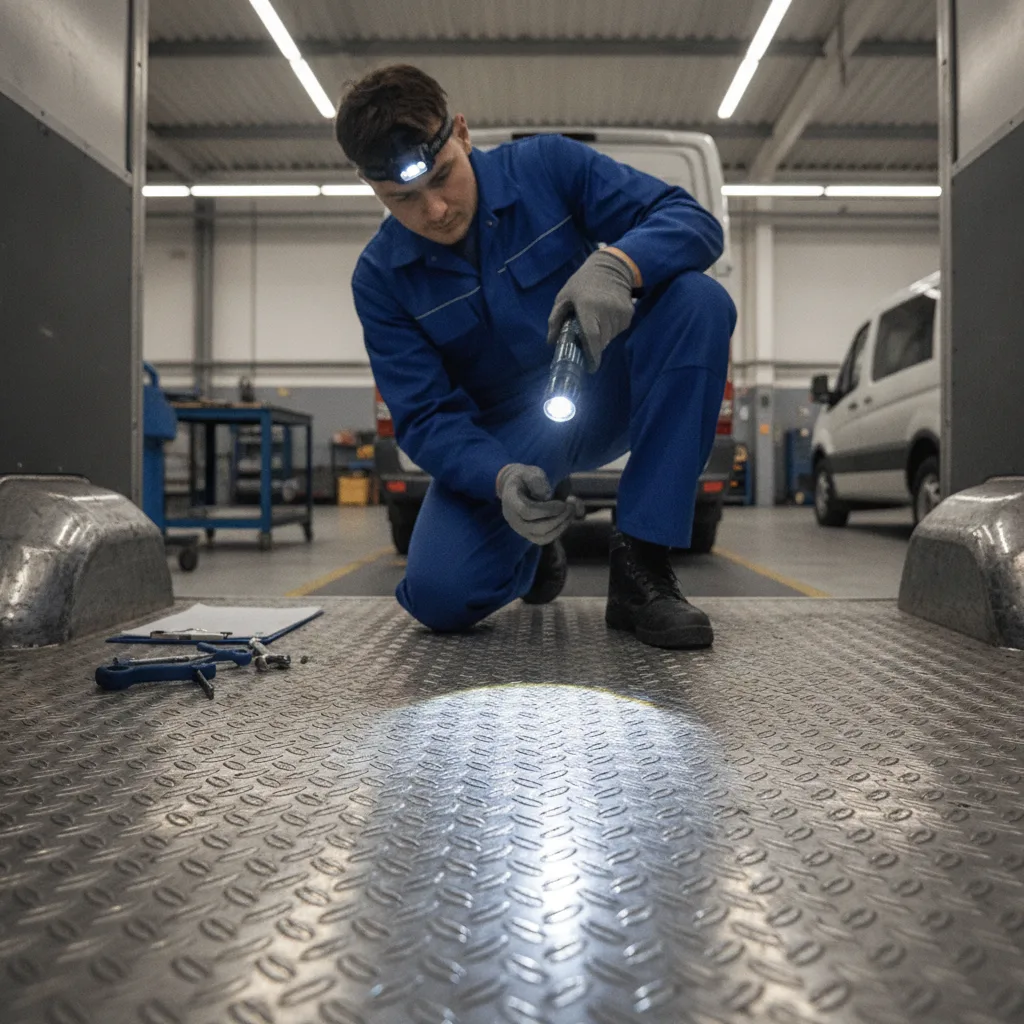
When inspecting used stock, examine how shelving units are secured to the chassis. Poorly fitted racking can cause irreparable floor or side-wall damage through vibration and stress. Check for rust around mounting points, as moisture often pools behind storage systems. If you prefer a blank slate to customise yourself, you might consider starting fresh with a Nissan Townstar Lease or a Vauxhall Combo Lease, which allows you to install bespoke systems suited perfectly to your specific trade requirements.
Costs to plan for
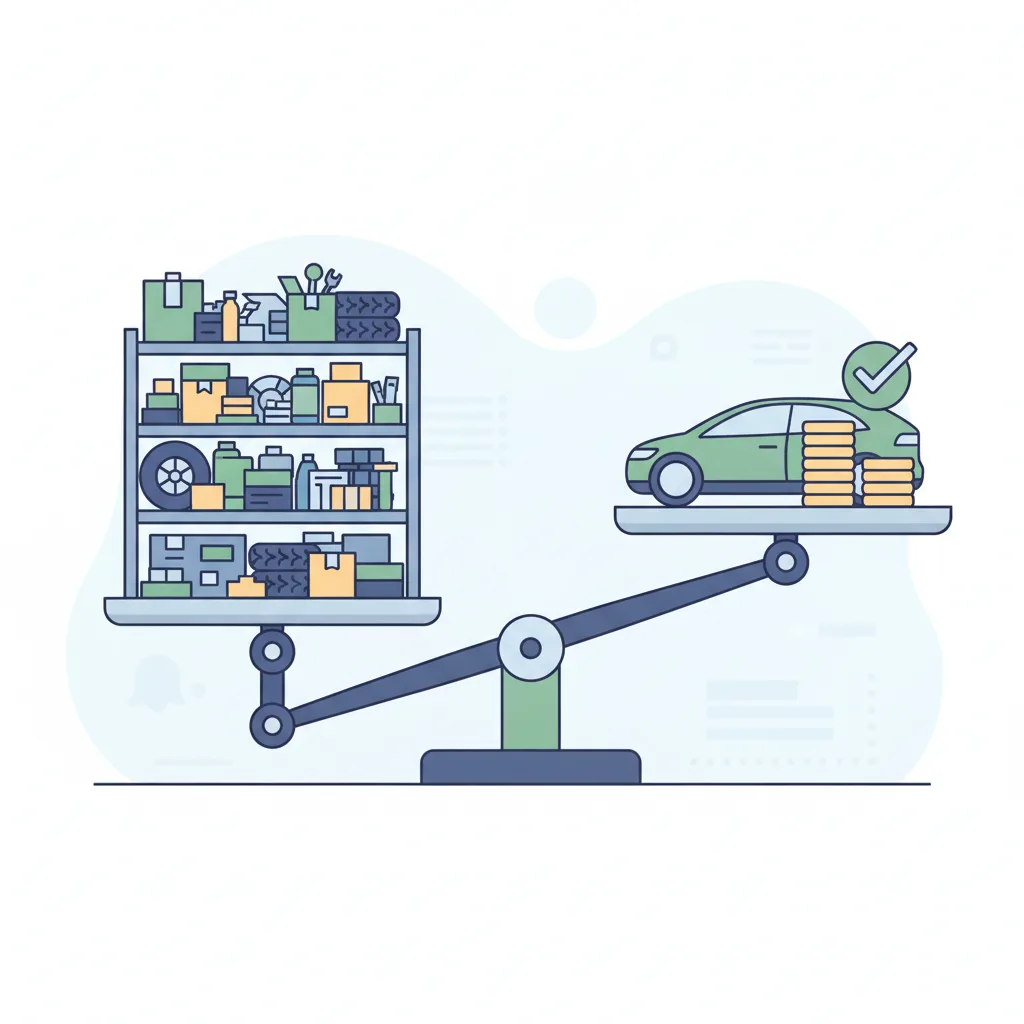
Budgeting for van racking and conversions involves factoring in both initial purchase costs and potential structural remediation. Removing old, damaged racking can be surprisingly expensive, often requiring floor replacement or welding to seal holes. When calculating your total expenditure, weigh the price of retrofitting an existing van against opting for a Toyota Proace City Lease, where factory-new interiors provide a clean, damage-free environment ready for immediate, efficient outfitting.
Common mistakes
The most frequent error is ignoring weight distribution. Overloading one side of the vehicle with heavy steel racking leads to uneven tyre wear and poor handling. Furthermore, failing to ensure that modifications do not interfere with the van's bulkhead or tethering points can compromise safety in a collision. Always ensure your conversion design keeps the load balanced and secure to maintain the vehicle's roadworthiness and safety rating.
FAQs
What should you know about racking and conversions on a used van? You should focus on the quality of the installation, ensuring that the racking is securely bolted to structural points rather than thin body panels, and checking for any underlying corrosion or damage caused by the previous fitment.
Does adding racking affect my van's payload? Yes, every kilogram of shelving, racking, or conversion material reduces your actual payload capacity. Always account for the weight of your equipment to ensure you stay within the legal maximum authorised mass of your vehicle.
Should I remove old racking before buying a used van? If the racking is damaged, poorly installed, or doesn't suit your business needs, it is usually better to remove it. However, be prepared to pay for potential floor repairs underneath the existing units.
Can I finance a van with custom racking? Yes, many finance packages allow for the inclusion of conversion costs. Speak with your dealer about bundling the cost of professional racking into your monthly finance agreement for a simpler payment structure.