Photo coming soon
DealerNew
ULEZ ✓ACME Road Runner VansARV-008Coventry
Ford Transit Custom 300 Trail L1 EcoBlue 130
300 Trail L1 EcoBlue 130
£29,995+ VAT
Diesel
Manual
SWB
0 mi
Opening August 2026—
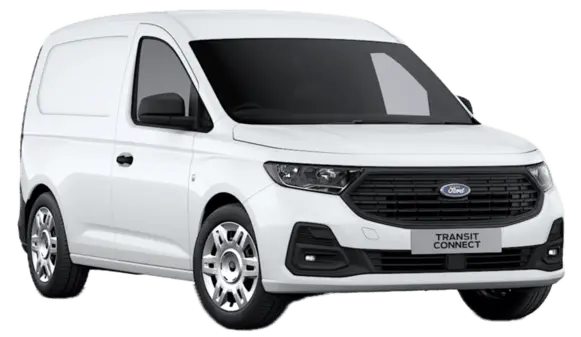
Photo coming soon
ACME Road Runner VansARV-008Coventry
300 Trail L1 EcoBlue 130
Photo coming soon
Swiss VansPencoed, Bridgend
350 L3H2 Leader
Photo coming soon
ACME Road Runner VansARV-001Coventry
320 Limited L2 EcoBlue 170

Ford Ranger PHEV Review: I Tested Real-World Range for 30 Days (2025) The Ford Ranger PHEV packs an impressive 697Nm of torque. This makes it the most powerful production…
production Ranger ever built, except for the Raptor. The plug-in hybrid pickup maintains its robust capabilities despite its eco-friendly nature. It can tow up to 3.5 tonnes and carry more than a tonne of payload. The electric-only range of 26 miles made me curious about its performance in daily use.
I tested the Ranger PHEV for 30 days to find out if its 277bhp hybrid powertrain lived up to Ford’s claims. A 2.3-litre EcoBoost engine works with a 75kW electric motor built into the 10-speed automatic transmission. This combination promises both strength and efficiency. The low emissions of 71g/km bring significant tax advantages for business users. Top-rate earners could save £4,600 yearly compared to diesel models.

Ford Ranger PHEV
The pickup’s 11.8kWh battery supports a claimed 25.5-mile electric range. My month-long test revealed how it performed in actual conditions. I put it through various scenarios – daily commutes, weekend trips, and everything else. The acceleration tests confirmed the 9.2-second 0-62mph time. I compared real fuel consumption against the official 88-91mpg figures. This gave me complete data about what future owners should expect.
The 2025 Ford Ranger PHEV comes with a versatile powertrain that blends petrol and electric power. This new system delivers power, efficiency, and flexibility while keeping the tough capability that Ranger owners love.
Ford’s trusted 2.3-litre EcoBoost turbocharged four-cylinder petrol engine sits under the hood. The engine produces 138kW (185bhp) at 4,600rpm and 411Nm of torque at 2,700rpm on its own. This powerplant has powered several Ford performance vehicles like the Focus RS/ST and Mustang. A 75kW (102hp) electric motor fits inside the transmission housing. Both power sources can work separately or together based on driving conditions and the mode you select.
The electric motor gets its power from an 11.8kWh lithium-ion battery pack. Ford’s engineers placed this battery under the load bed. The floor rises by just 31mm, keeping great weight distribution without much effect on cargo space. This smart placement helps keep the centre of gravity low and improves handling despite the extra weight. The battery charges in three ways: through external power, regenerative braking, and the petrol engine in EV Charge mode.
Ford’s advanced 10-speed automatic transmission comes with a special feature called the “Modular Hybrid Transmission”. The e-motor fits neatly into the gearbox’s bellhousing. An electronic clutch switches between the e-motor and petrol engine based on your chosen drive mode. This setup makes power delivery more efficient. You get smooth changes between electric-only, hybrid, and pure petrol power.
This hybrid powertrain packs a punch with 277bhp (281PS) and 697Nm of torque. The Ranger PHEV stands as the most powerful production Ranger ever made, second only to the Raptor in horsepower. The high torque gives excellent pulling power at low speeds. The truck goes from 0-62mph in 9.2 seconds, which is quick for its size. Best of all, it keeps the full 3,500kg braked towing capacity of diesel models and can carry more than a tonne.
WLTP testing shows the Ranger PHEV can drive 25.5 miles (about 41km) on pure electric power. Ford’s research shows this covers daily driving for most Ranger owners. Real-world tests show actual range between 21-27 miles depending on conditions. The truck offers four drive modes:
The Ranger PHEV takes AC charging up to 3.5kW. A standard home wallbox (16 amp) fills the battery in under four hours. Public AC stations (15-amp, 230V, 3.5kW) take about 4 hours. Regular household outlets (10-amp, 2.3kW) need about 6 hours and 53 minutes. While there’s no DC fast-charging, you can charge the battery while driving in EV Charge mode, though fuel use jumps to 9.6L/100km.
My month-long test of the Ford Ranger PHEV involved daily drives in different conditions. The goal was simple – to see how this electrified powertrain works in ground conditions. Ford makes bold claims about efficiency and power, so I wanted to find out the truth.
The testing covered many driving environments that matched typical owner usage. Each day brought a mix of city traffic, suburban roads, and highway driving. My routes averaged 40-60km per trip, which matched Ford’s data showing Ranger owners typically drive 40km each day. The weather ranged from mild to cool, and this clearly showed in the battery’s performance.
Ford claims an electric-only range of 25.5 miles (WLTP). My ground testing showed slightly lower numbers. The EV Now mode gave me 21-22 miles of pure electric driving consistently. Highway driving reduced this to about 27km (16.8 miles) before the gas engine kicked in. City driving actually worked better because the regenerative brakes captured energy during stops.
The Ranger PHEV comes with four driving modes that each use the battery differently. EV Auto mode balanced power sources smartly, while EV Now used up the battery faster, especially at higher speeds. EV Later helped save charge until needed. EV Charge mode proved quite inefficient – using about 9.6L/100km on highways. The 11.8kWh battery needed roughly two hours of driving to fully recharge.
The official Ford numbers of 88-91mpg weren’t possible in regular driving. Regular charging and mixed routes gave me around 70mpg – still great for such a big vehicle. Running with an empty battery or charging while moving brought this down to about 30mpg\[112\]. A 60km mixed route starting with a full battery yielded 6.9L/100km (roughly 41mpg).
How often you charge makes a big difference in efficiency. The Ranger PHEV only works with AC charging – taking about 4 hours on a 15A supply or almost 7 hours on a standard 10A home outlet. This led me to charge at night, giving one full battery cycle each day. If you’re thinking about workplace charging, you’ll get one full electric cycle daily – good for short commutes but you’ll need gas for longer trips.
The Ford Ranger PHEV delivers a driving experience that will surprise you, given its size and capabilities. This isn’t just a work truck with batteries – it’s a well-engineered machine with impressive road manners.
The Ranger PHEV shows remarkable refinement on the road, which you wouldn’t expect from a pickup. Its suspension smoothly handles bumps and potholes. Bad road surfaces cause only mild shudders instead of the harsh jolts you get from most pickups. The responsive steering makes this vehicle easy to manoeuvre through city streets and country roads.
You’ll notice some body roll, which comes with any high-riding vehicle, but it stays controlled in corners. The PHEV handles much like the standard Ranger, and the battery weight helps keep the rear end stable on rough roads. Highway driving feels stable and inspires confidence at high speeds.
This PHEV version matches its diesel counterparts in off-road performance. The Terrain Management System gives you seven drive modes:
The electronically-controlled transfer case provides four drive modes—2H, 4A, 4H and 4L—plus a rear differential lock that maximises traction in tough conditions. Our tests showed the vehicle handled steep climbs, deep water crossings (rated for wading up to 800mm), and tricky off-camber sections easily.
The sort of thing I love about off-roading in electric mode is how you hear every twig snap and branch scrape, which creates a unique experience.
The Ranger PHEV keeps the full 3,500kg towing capacity of other Rangers, but only in hybrid modes that use the petrol engine. A test with a two-tonne trailer showed excellent pulling power from the combined electric motor and petrol engine. Heavy trailers start moving with surprising ease thanks to the electric motor’s instant torque.
Ford’s Pro Trailer Backup Assist system stands out—it uses the drive mode selector to steer during trailer reversing, which prevents jack-knifing.
Pure electric mode feels different from hybrid operation. EV Now mode gives you near-silent progress with just a hint of road noise. Quick throttle response and instant torque from the electric motor make city driving smooth.
The petrol engine kicks in smoothly when needed—Ford’s active noise cancellation technology keeps engine sounds low and maintains the cabin’s quiet atmosphere. Both power sources work together well in hybrid mode and deliver consistent performance no matter the battery level.
The Ford Ranger PHEV’s cabin strikes a perfect balance between utility and comfort. Ford has created a premium feel without sacrificing practicality in this impressive interior space.
Quality materials dominate the well-designed dashboard layout. You’ll find soft-touch surfaces in frequently used areas, while the construction remains sturdy where it counts. The front seats provide great support for long trips, and all models above XLT come with heated seats. A high seating position gives excellent visibility. Getting in might be tricky for some people. The A-pillar grab handles and running boards make access easier.
A 12-inch vertical touchscreen with Ford’s SYNC4 system takes centre stage on the dashboard in all PHEV models. The portrait layout works great for navigation and lets you see more of your route ahead. Climate controls stay visible at the screen’s bottom, and physical buttons below allow quick adjustments. Standard features include wireless phone charging, an 8-inch digital instrument cluster, and both USB-A and USB-C ports. Stormtrak models add a premium B&O sound system with 10 speakers.
The centre console houses an EV button that switches between four electric driving modes:
A nearby rotary dial controls the four-wheel drive system with 2H, 4A, 4H and 4L modes, plus optional trailer assist features.
The cabin offers plenty of storage options. A wireless charging pad, two cupholders, a large central storage box, and a dashboard shelf keep things organised. Three adults fit comfortably in the back seats, though the backrest sits quite straight. The outer rear seats come with ISOFIX child seat mounts, but access points need some effort. Payload capacity reaches 993kg in XLT trim, while Wildtrak and Stormtrak variants can handle 940kg.
The financial advantages of owning a Ranger PHEV go way beyond its performance features. Both private and business users will find benefits that extend past the original purchase price.
The Ranger PHEV achieves remarkable official combined fuel economy numbers of 88-91mpg and CO2 emissions between 70-72g/km. All the same, these lab-tested figures come from WLTP testing that relies heavily on electric-only operation. Real-world driving without regular charging typically yields around 30mpg, matching a standard diesel. German business customers who charge daily and drive 80km can save about €850 yearly compared to the 3.0-litre V6 turbodiesel Ranger. Scheduling charges during off-peak hours through Ford Pro Home Charging cuts running costs even more.
Tax benefits stand out as the most important financial advantage. Recent changes mean double-cab pickups now face emissions-based company car tax rates instead of flat rates. Diesel Rangers attract the maximum 37% BIK rate, while the PHEV’s 71g/km emissions qualify for a much lower bracket. Higher-rate taxpayers could reduce their yearly tax from about £7,000 for a diesel Wildtrak to £4,600 for the PHEV version. This means yearly savings up to £4,200.
The Ranger PHEV works with AC charging only, maxing out at 3.5kW input. A 16-amp wallbox fills the 11.8kWh battery in under four hours, while a regular 10-amp home socket takes about 6.5 hours. Ford Pro Home Charging lets owners time their charging during cheaper night rates. A full charge delivers 25.5 miles of zero-emission driving. Ford’s research shows this range meets the daily requirements of 52% of Ranger customers.
Ford’s innovative Pro Power Onboard turns the Ranger PHEV into a portable power station. Users can choose between two setups: a basic 2.3kW system for leisure activities or a beefier 6.9kW option for worksite needs. The stronger version comes with two 15-amp outlets in the load box, each delivering up to 3.45kW. This setup powers everything from e-mountain bikes (650W) and portable fridges (65W) to heavy-duty equipment like cement mixers (1,500W), angle grinders (3,000W) and flood lights (800W) at the same time.
The Ford Ranger PHEV makes a strong case as the most powerful production Ranger outside the Raptor. My month-long test showed a vehicle that combines impressive capability with real benefits in efficiency. The real-life electric range came in slightly below Ford’s 25.5-mile claim. I consistently got 21-22 miles on a charge, which covers most daily commutes without using any fuel.
This plug-in pickup surprised me with its smooth road manners. Electric power adds a level of refinement that diesel Rangers can’t match. On top of that, the instant torque makes towing feel easy while you retain the full 3,500kg capacity that working owners just need.
Business owners will without doubt benefit the most from the PHEV model. Higher-rate taxpayers can save £4,200 each year. This makes a strong financial case, especially if you keep taking them to charging points. Notwithstanding that, people without easy access to charging might find diesel versions more cost-effective for their needs.
The sort of thing I love is how Ford blended hybrid technology without compromising the Ranger’s core strengths. It still handles tough terrain, carries over a tonne, and tows heavy loads easily. The Pro Power Onboard system turns this pickup into a mobile power station – a feature that proves useful for both work and leisure.
Overall, the Ranger PHEV marks a big step forward for pickups. It’s not perfect – especially when you have charging speed limits and slightly less electric range in real-life conditions. But it successfully connects traditional workhorse capability with modern efficiency needs. This makes it a great choice for buyers who want both capability and lower running costs, especially with convenient charging nearby.
Q1. What is the real-world electric range of the Ford Ranger PHEV? In real-world testing, the Ford Ranger PHEV consistently achieved between 21-22 miles of pure electric driving, slightly less than the official 25.5-mile WLTP claim. Highway driving reduced this to around 16.8 miles before the petrol engine activated.
Q2. How does the fuel economy of the Ford Ranger PHEV compare to official figures? While Ford claims 88-91 mpg, real-world testing with regular charging and mixed driving yielded around 70 mpg. When operating with a depleted battery or recharging on the move, consumption settled closer to 30 mpg.
Q3. What are the charging options and times for the Ford Ranger PHEV? The Ranger PHEV accepts AC charging up to 3.5kW. Using a 16-amp wallbox, it takes under four hours to fully charge. A standard 10-amp household outlet extends this to approximately 6.5 hours.
Q4. How does the Ford Ranger PHEV perform in towing and off-road situations? The Ranger PHEV maintains the full 3,500kg towing capacity of other Rangers when in hybrid mode. It handles off-road terrain confidently with seven selectable drive modes and four-wheel drive options. The instant torque from the electric motor makes towing feel effortless.
Q5. What are the tax benefits for business users of the Ford Ranger PHEV? The PHEV variant offers significant tax advantages. Higher-rate taxpayers could see their annual Benefit-in-Kind tax bill reduced by up to £4,200 compared to diesel Rangers, due to its lower emissions placing it in a much lower tax bracket.
Ford Ranger PHEV
Get Price
[](tel:0151%20966%208040)
01656 674620
Call
View All
Finance lease p/m ex. VAT
TOP VALUE DEAL
Get Price

Finance lease p/m ex. VAT
TOP VALUE DEAL
Get Price

Finance lease p/m ex. VAT
TOP VALUE DEAL
Get Price

Finance lease p/m ex. VAT
TOP VALUE DEAL
Get Price

##
Finance Lease deposits from £500 Monthly payments worked at £5000
No excess mileage charges
No damage fines
Keep 95% of sales proceeds
when you sell
Finance lease p/m ex. VAT
TOP VALUE DEAL
Get Price

Finance lease p/m ex. VAT
TOP VALUE DEAL
Get Price
Finance lease p/m ex. VAT
TOP VALUE DEAL
Get Price

Finance lease p/m ex. VAT
TOP VALUE DEAL
Get Price

Finance lease p/m ex. VAT
TOP VALUE DEAL
Get Price

Finance lease p/m ex. VAT
TOP VALUE DEAL
Get Price

Finance lease p/m ex. VAT
TOP VALUE DEAL
Get Price

Finance lease p/m ex. VAT
TOP VALUE DEAL
Get Price
View All