Photo coming soon
Dealer
ULEZ ✓ACME Road Runner VansARV-002Coventry
Mercedes-Benz Sprinter 314 CDI L2 H2 Progressive
314 CDI L2 H2 Progressive
£28,995+ VAT
Diesel
Automatic
LWB
21,400 mi
Opening August 2026—
Mercedes-Benz
[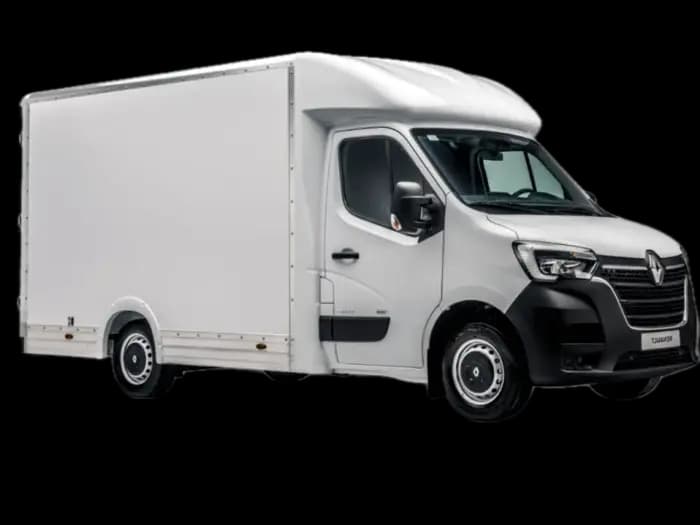
Photo coming soon
ACME Road Runner VansARV-002Coventry
314 CDI L2 H2 Progressive
Photo coming soon
Swiss VansPencoed, Bridgend
315 CDI Progressive L3 H2

Mercedes Luton Van Review The Mercedes Luton van’s cargo space grabbed our attention with its impressive dimensions: 4080mm length, 2025mm width, and 2235mm height. But these numbers don’t tell the…
ive dimensions: 4080mm length, 2025mm width, and 2235mm height. But these numbers don’t tell the whole story.
We put this workhorse through its paces for six months in ground business conditions and found what sets it apart from other commercial vehicles. Our test vehicle, built on the award-winning Sprinter chassis, came with a DEL 500 kg tail-lift and delivered a practical payload capacity of 754kg.
The Mercedes Luton van could be your next business asset, with new models priced at £27,995 or used options starting from £9,348. This detailed review will help you pick the right choice for your business needs.
The Mercedes Sprinter Luton van stands out from standard panel vans with its distinctive box-shaped body and an overhanging storage compartment above the cab—known as the “Luton peak.” This design maximises cargo space and keeps excellent drivability. Businesses needing substantial load capacity will find this van versatile.
The Sprinter Luton proves itself as a reliable workhorse for businesses of all types. Our testing shows it works best for:
The box-like cargo area fits about 40 boxes, multiple sofas, beds, dining sets, and many other items at once. The load space has no wheel arches, which makes it perfect for moving irregularly shaped objects.
The Mercedes Sprinter Luton’s impressive specifications support its commercial use:
The extended Luton body above the cab creates an interior that’s 15% larger than standard high-roof panel vans.
The integrated tail lift emerged as one of the van’s most practical features. Our test vehicle had a resilient 500kg capacity platform tail lift that made loading and unloading much easier. The tail lift does reduce the vehicle’s payload capacity by about 250-300kg.
The box body’s uniform shape gives this van a clear advantage over conventional models. You get usable space from every cubic centimetre since there’s no roof tapering or wheel arch intrusion. The phenolic reinforced flooring supports heavy loads without damage and proves exceptionally durable.
The responsive 2.0-litre diesel engine pairs with rear-wheel-drive to deliver strong pulling power at full load. Drivers focused on fuel efficiency over maximum load capability can opt for front-wheel-drive versions.
We tested the Mercedes Sprinter Luton van extensively for six months and expanded its capabilities in business operations of all sizes. The van showed its strengths and limitations under ground conditions during furniture deliveries and equipment transport.
Our Mercedes Luton van covered about 12,000 miles on daily multi-drop delivery routes in urban and motorway environments during the test period. The strong 2.1-litre engine with 130bhp handled the 3500kg gross vehicle weight easily, even at full load.
The van excelled at scheduled courier operations. Navigation through tight urban streets was manageable despite its size, though some situations made the turning radius difficult. The crosswind assist feature added comfort to motorway driving in bad weather.
Driving conditions and load weight substantially affected fuel efficiency. Careful driving on mixed routes yielded 22-25mpg, which dropped to 17-19mpg in windy conditions or with heavier loads. These numbers are nowhere near the manufacturer’s claimed 43.5mpg, but match real-life reports from other Luton van operators.
Mercedes’ ServiceCare Maintenance Plan starting at £25.50 monthly for the Sprinter covered our maintenance needs:
The van needed just one scheduled service during our testing period with no unexpected mechanical issues. This confirms the Sprinter’s reliability reputation.
The 500kg tail lift became essential to our operations. A single person could safely handle items that usually needed two people, which made loading and unloading heavy items easier than conventional vans.
The van’s uniform box-like body without wheel arch intrusions maximised usable space. Its low loading height reduced physical strain. The spacious internal dimensions fit bulky items like sofas and wardrobes easily. We had to watch the weight limit given the 1627kg payload capacity.
The Mercedes Sprinter Luton van proved best at moving large volumes of lightweight goods rather than constant heavy loads. This is a vital point to think over for businesses evaluating this vehicle against their specific needs.
Buying a Mercedes Sprinter Luton van needs smart financial planning beyond the size and performance features we discussed earlier.
New and used Mercedes Luton vans show a big price difference. A new 2024 Mercedes Sprinter 315CDI Progressive Luton with automatic transmission will set you back £39,895 plus VAT. Used models tell a different story. You can find 2019-2021 models that owners managed to keep in good shape between £12,995 and £19,699 plus VAT. Businesses with limited funds can pick up 2016-2017 models with higher mileage at just £7,999.
Mercedes Sprinter holds its value better than rival vans and gives better returns when you upgrade your fleet.
Mercedes’ ServiceCare Maintenance Plan keeps your costs predictable from £11.50 monthly. The plan covers:
New Mercedes Luton vans come with a complete 3-year warranty that you can extend for extra protection. Extended warranty takes care of mechanical and electrical failures without excess payments.
Fuel costs topped our operating expenses. The manufacturer claims 43.5 mpg, but our ground testing showed about 30 mpg. This means roughly £0.24 per mile in fuel. Add wear and tear at £0.10 per mile, and our total running costs averaged £0.34 per mile without driver wages.
VW Crafter showed slightly better efficiency at 38.2 mpg compared to Sprinter’s 36.2 mpg. Road tax stays at £290 whatever model you choose.
First-year service costs run higher than competitors. An ‘A’ service costs £845 because of automatic transmission oil changes. Mercedes’ service plans can save you £450 over two services. This makes long-term maintenance more affordable even with the premium brand name.
Our six-month test drive of this vehicle gave us a clear picture of what makes the Mercedes Luton van stand out from its rivals—both the good and the bad.
The Sprinter Luton’s dependability blew us away during our testing period. This van started without a hitch even in cold weather, which backs up Mercedes’ reputation for building vehicles that can run beyond 300,000 miles with good maintenance. The strong 2.0-litre diesel engine handled our daily workload with ease and delivered smooth power even at full load.
This vehicle’s biggest strength lies in its space. The design has no intrusive wheel arches, so we could move oddly shaped items that wouldn’t fit in regular vans. The box-like structure let us pack about 40 boxes and furniture sets in one trip. This is a big deal as it means that we cut down our operating costs.
The safety features really stood out in our tests. We got excellent stability on motorways in bad weather thanks to the standard crosswind assist, among other features like hill start assist and active brake assist with pedestrian detection. Late-night deliveries felt safer with the automatic emergency call system.
The Mercedes Luton van has its share of drawbacks. The turning radius of 54.8 feet caused real headaches in city driving. U-turns on residential streets were nearly impossible, and tight car parks and delivery spots with limited access became a real challenge.
Poor rear visibility was another constant issue. The lack of rear windows and a reversing camera that struggled in certain light conditions meant we needed someone to guide us through tricky moves. The van’s height also kept us out of many urban parking structures.
We had to change our routes and maintenance plans because we couldn’t use drive-throughs or automatic car washes with this van’s size.
Our six-month experience with the Mercedes Luton van shows why businesses keep choosing it despite the premium price tag. The van promised better fuel efficiency numbers, but our real-life results showed about 30 mpg. Its exceptional reliability and practical design made it worth every penny for our operations.
The van’s cargo area is spacious, and the tail lift system helped reshape the scene of our daily deliveries. We faced some challenges with the turning radius and getting into tight urban spaces. These small drawbacks didn’t matter much when we looked at the van’s impressive load capacity and reliable build quality.
This vehicle works best for businesses that move large volumes of lightweight goods. The higher original cost makes more sense when you look at the strong resale values, detailed warranty coverage, and Mercedes’ reputation to last long. Notwithstanding that, companies that move heavy loads regularly might need to look at other options with higher payload limits.
The Mercedes Luton van proved to be a capable workhorse that mixed practical function with professional style. It wasn’t perfect but gave us exactly what we needed – reliable performance, plenty of cargo space, and the build quality for daily commercial use.
Q1. What are the key features of the Mercedes Sprinter Luton van? The Mercedes Sprinter Luton van features a distinctive box-shaped body with an overhanging storage compartment above the cab, maximising cargo space. It offers impressive load dimensions, a payload capacity of 754kg to 892kg, and often comes equipped with a tail lift for easy loading and unloading.
Q2. How does the Mercedes Luton van perform in real-world business use? In real-world testing, the van demonstrated excellent reliability and cargo capacity. It handled daily multi-drop delivery routes well, accumulating about 12,000 miles over six months. The fuel economy ranged from 22-25mpg in mixed conditions, dropping to 17-19mpg with heavier loads or adverse weather.
Q3. What are the costs associated with owning a Mercedes Luton van? The initial purchase price for a new model is around £39,895 plus VAT, with used models available from £7,999 to £19,699 depending on age and condition. Maintenance costs can be managed through Mercedes’ ServiceCare Maintenance Plan, starting from £11.50 monthly. Fuel costs averaged about £0.24 per mile during testing.
Q4. What are the main advantages of using the Mercedes Luton van for business? Key advantages include exceptional reliability, spacious and versatile cargo area without wheel arch intrusions, strong resale value, and advanced safety features like crosswind assist and active brake assist. The van’s box-like structure allows for efficient transport of large volumes of goods.
Q5. Are there any drawbacks to using the Mercedes Luton van? The main drawbacks include a large turning radius, which can be challenging in urban environments, limited rear visibility, and restricted access to some facilities due to its height. The van’s size also makes it impossible to use drive-throughs or standard car washes, requiring adjustments to routes and maintenance routines.
Mercedes Luton Van
Get Price
[](tel:0151%20966%208040)
01656 674620
Call
View All
Finance lease p/m ex. VAT
TOP VALUE DEAL
Get Price

Finance lease p/m ex. VAT
TOP VALUE DEAL
Get Price

Finance lease p/m ex. VAT
TOP VALUE DEAL
Get Price

Finance lease p/m ex. VAT
TOP VALUE DEAL
Get Price

Finance lease p/m ex. VAT
TOP VALUE DEAL
Get Price

Finance lease p/m ex. VAT
TOP VALUE DEAL
Get Price

##
Finance Lease deposits from £500 Monthly payments worked at £5000
No excess mileage charges
No damage fines
Keep 95% of sales proceeds
when you sell
Finance lease p/m ex. VAT
TOP VALUE DEAL
Get Price

Finance lease p/m ex. VAT
TOP VALUE DEAL
Get Price

Finance lease p/m ex. VAT
TOP VALUE DEAL
Get Price

Finance lease p/m ex. VAT
TOP VALUE DEAL
Get Price
View All