
The Best Used Ford Vans
Choosing a used Ford van requires an understanding of specific model generations and their mechanical characteristics. The Transit Custom and Ranger are the most sought-after models on the market. Selecting the right van involves looking at the specific trade requirements, such as the load-length of a Transit Custom L1 or L2 or the towing capacity of a 4x4 Ranger. When buying, distinguishing between model years is crucial, as late-model versions often feature improved infotainment and refined emission control systems.
The Ford van range at a glance
Ford offers a structured range designed for specific operational needs. The Transit Connect sits in the small van category, suitable for urban couriers. The Transit Custom, which underwent a significant facelift in 2018, acts as a mid-sized workhorse, while the large Transit 2-tonne is designed for heavy-duty haulage. Understanding these tiers helps you match the vehicle to your daily load requirements rather than simply choosing by brand reputation.
Which models and ages to consider
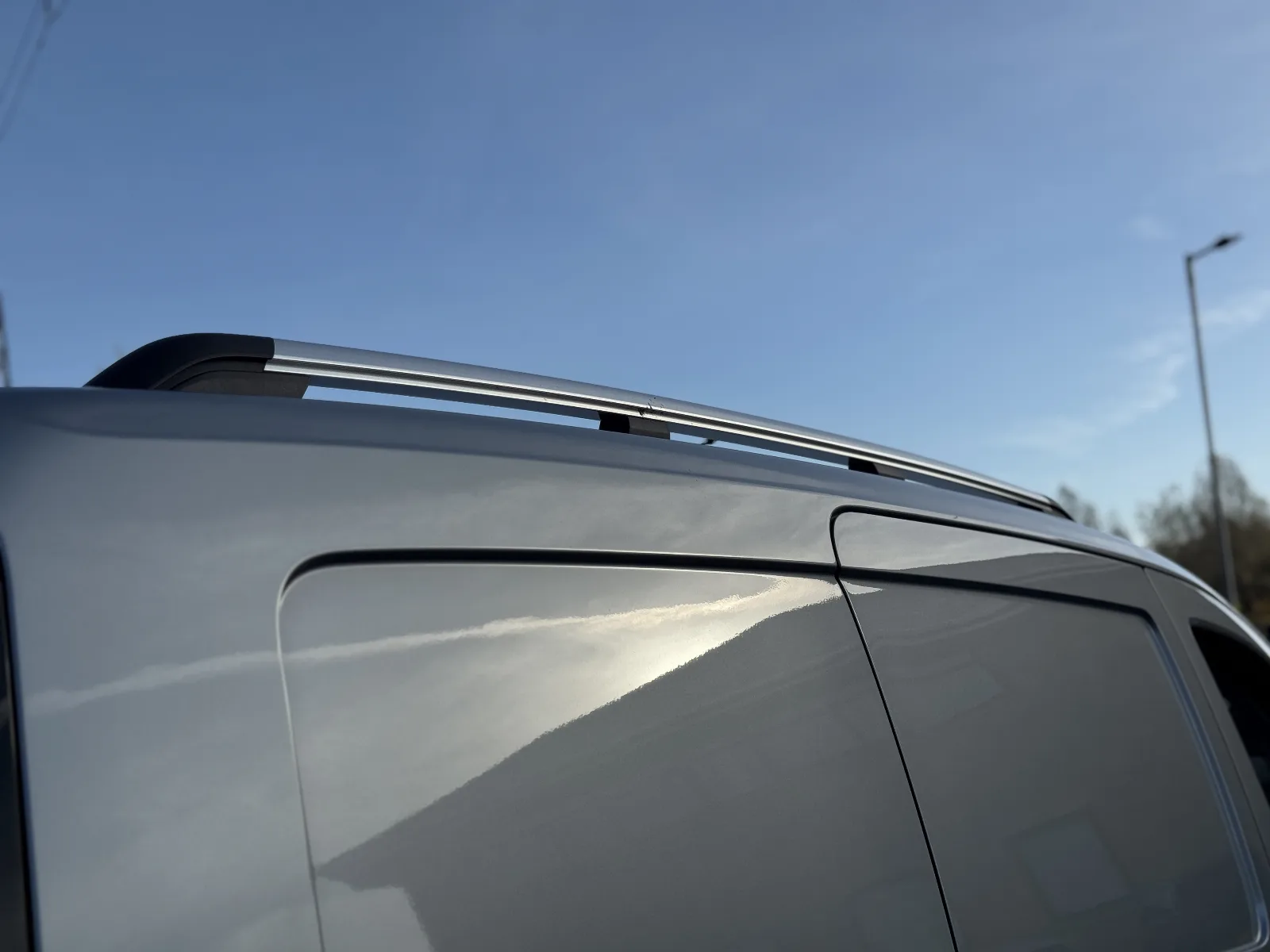
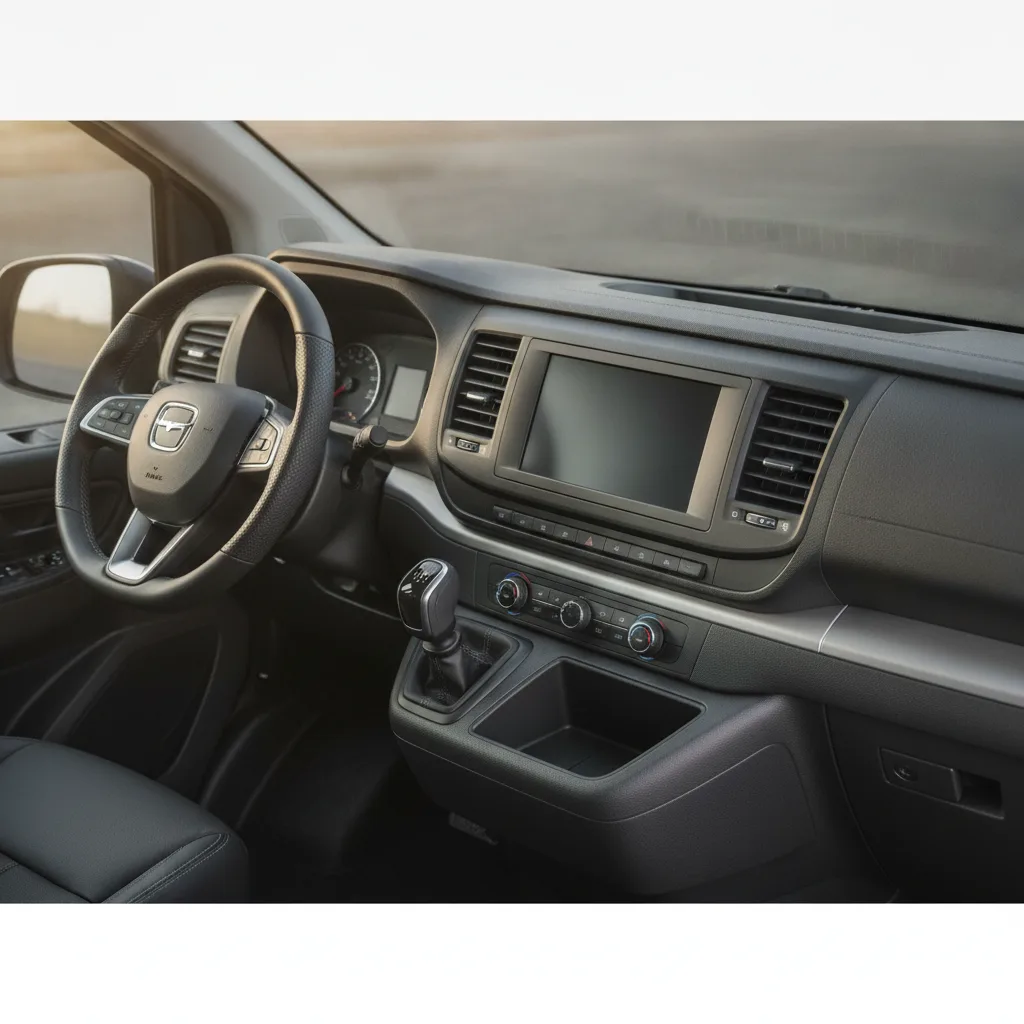
When searching for a used Ford, prioritize Euro 6 compliant models, which typically date from late 2016 onwards. For the Transit Custom, the pre-2018 models offer functional interiors, while the 2018-onward facelifts introduced more durable cabin materials and improved driver assistance features. The Ranger T6 generation is popular for its balance of off-road capability and utility. Always verify if the vehicle is a genuine factory-spec model or an aftermarket conversion, as this affects the long-term structural integrity and support from main dealers.
What to check before you buy
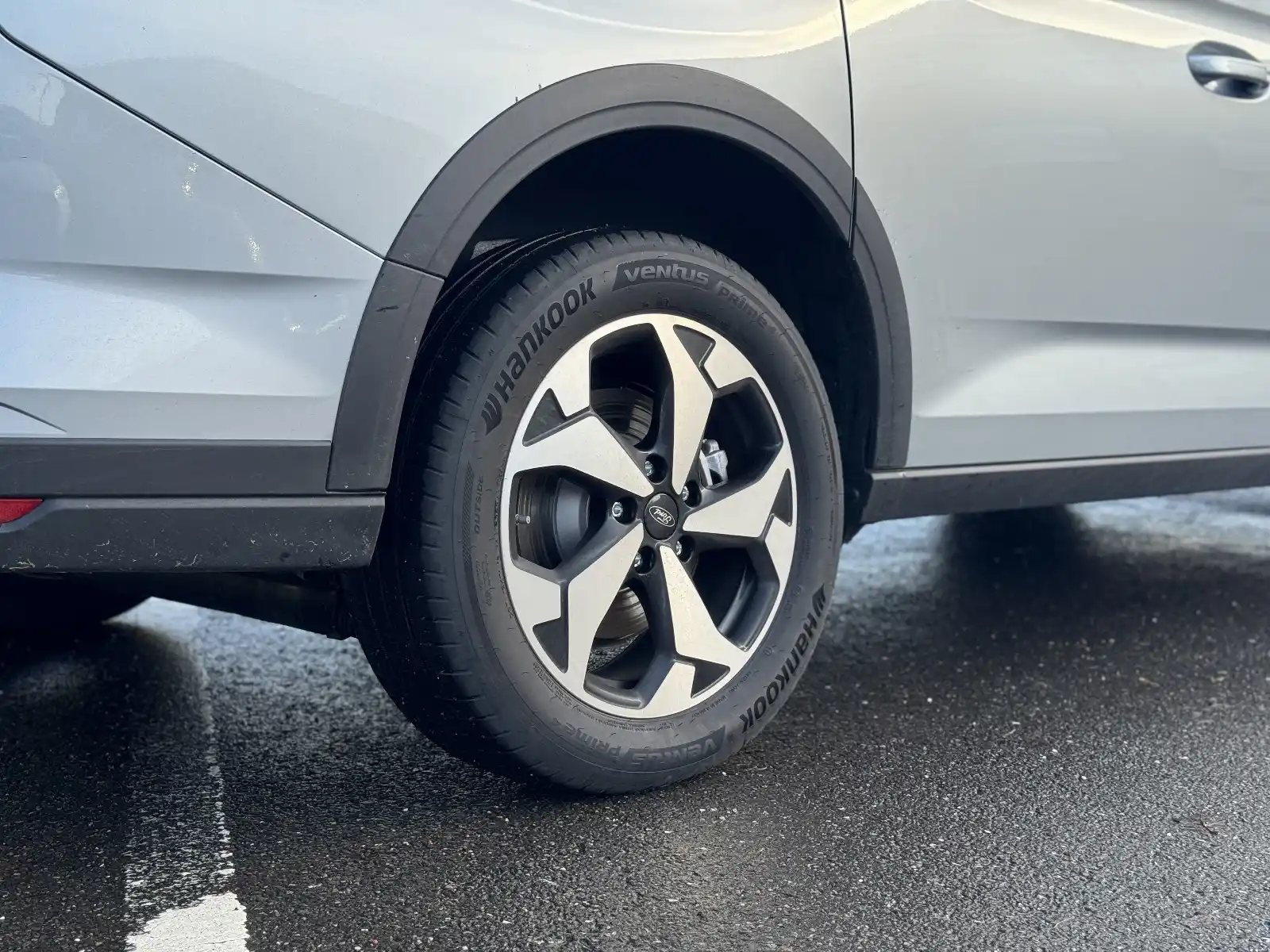
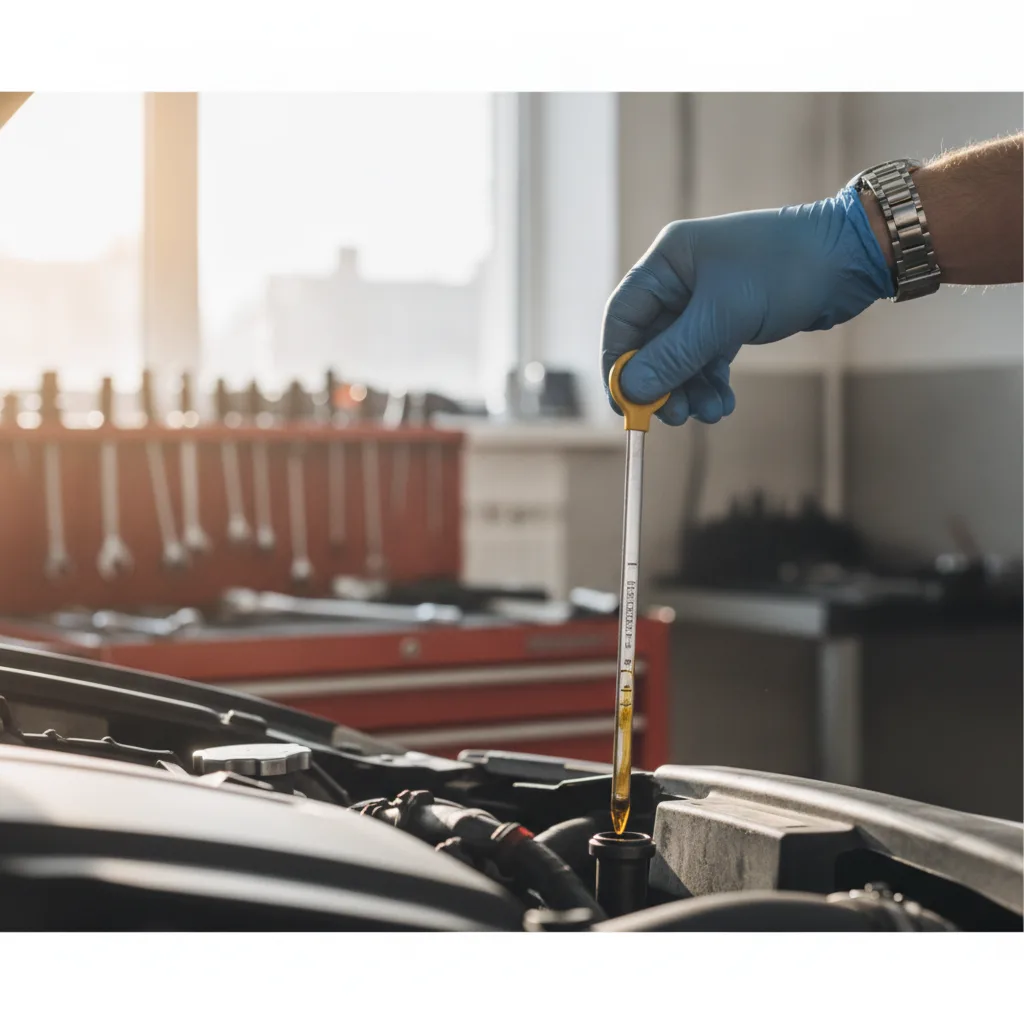
The 2.0-litre EcoBlue engine, while efficient, requires precise maintenance. Specifically, ensure the oil pump belt, which runs in oil, has been inspected or replaced as per the manufacturer's strict interval, as degradation can cause catastrophic engine failure. Check for signs of AdBlue system crystallization or sensor faults, which are common on high-mileage Euro 6 engines. Physically check the wheel arches for site-related corrosion and inspect the sliding door rollers, which often wear out through daily site use. A full service history is essential to verify that the correct specification of oil was used, as the engine's timing components are sensitive to oil viscosity.
Costs to plan for
Maintenance costs for used Ford vans are generally predictable due to the wide availability of parts. Beyond the purchase price, you must budget for the specific maintenance of the DPF (Diesel Particulate Filter) system, which can become blocked if the vehicle is only used for short, urban journeys. Ensure you factor in the cost of professional inspections for the AdBlue system and the potential replacement of suspension bushes, which often show wear after significant load-bearing service. Factor in annual road tax and insurance based on the van's specific emissions and security rating.
FAQs
What should I look for when buying a used Ford Transit Custom? Check the condition of the sliding doors and ensure the 2.0 EcoBlue engine has a documented record of servicing with the correct oil type to protect the internal timing belt.
What are the common issues with the Ford 2.0 EcoBlue engine? Key areas to monitor include the oil pump belt, which requires timely replacement to avoid engine damage, and the AdBlue system, which can develop sensor or pump faults.
How do I identify which Ford Transit Custom I am looking at? The Transit Custom was released in 2012. The 2018 facelift introduced a significant interior redesign and a more robust front-end aesthetic. Euro 6 compliance became mandatory for all new registrations in September 2016.
Is it easy to find parts for older Ford vans? Yes, Ford has an extensive UK dealer and parts network, meaning original and aftermarket parts are widely accessible, often at a lower cost than less common brands.