
Photos coming soon
Dealer
ULEZ ✓Van VikingBristol
Volkswagen Transporter T28 Startline 2.0 TDI 110
2022 · 27,800 mi · Diesel
T28 Startline 2.0 TDI 110
£26,995+ VAT
Manual
Volkswagen
4 vans listed now · search and filter all Volkswagen Transporter stock
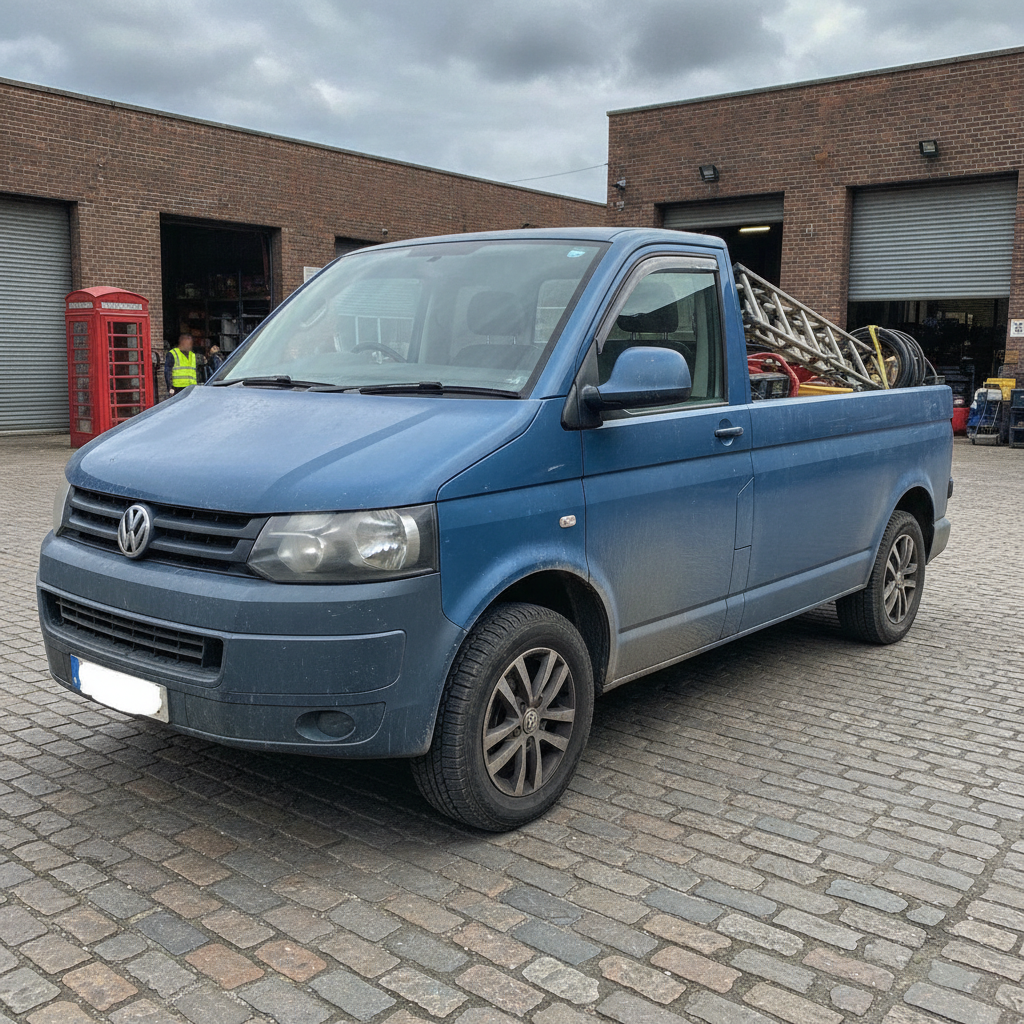
Photos coming soon
Van VikingBristol
2022 · 27,800 mi · Diesel
T28 Startline 2.0 TDI 110
Photos coming soon
Van VikingBristol
2020 · 61,300 mi · Diesel
T32 Highline 2.0 TDI 150 DSG

Swiss VansBridgend
2023 · 29,995 mi · Diesel
T32 Highline TDI Semi-Auto
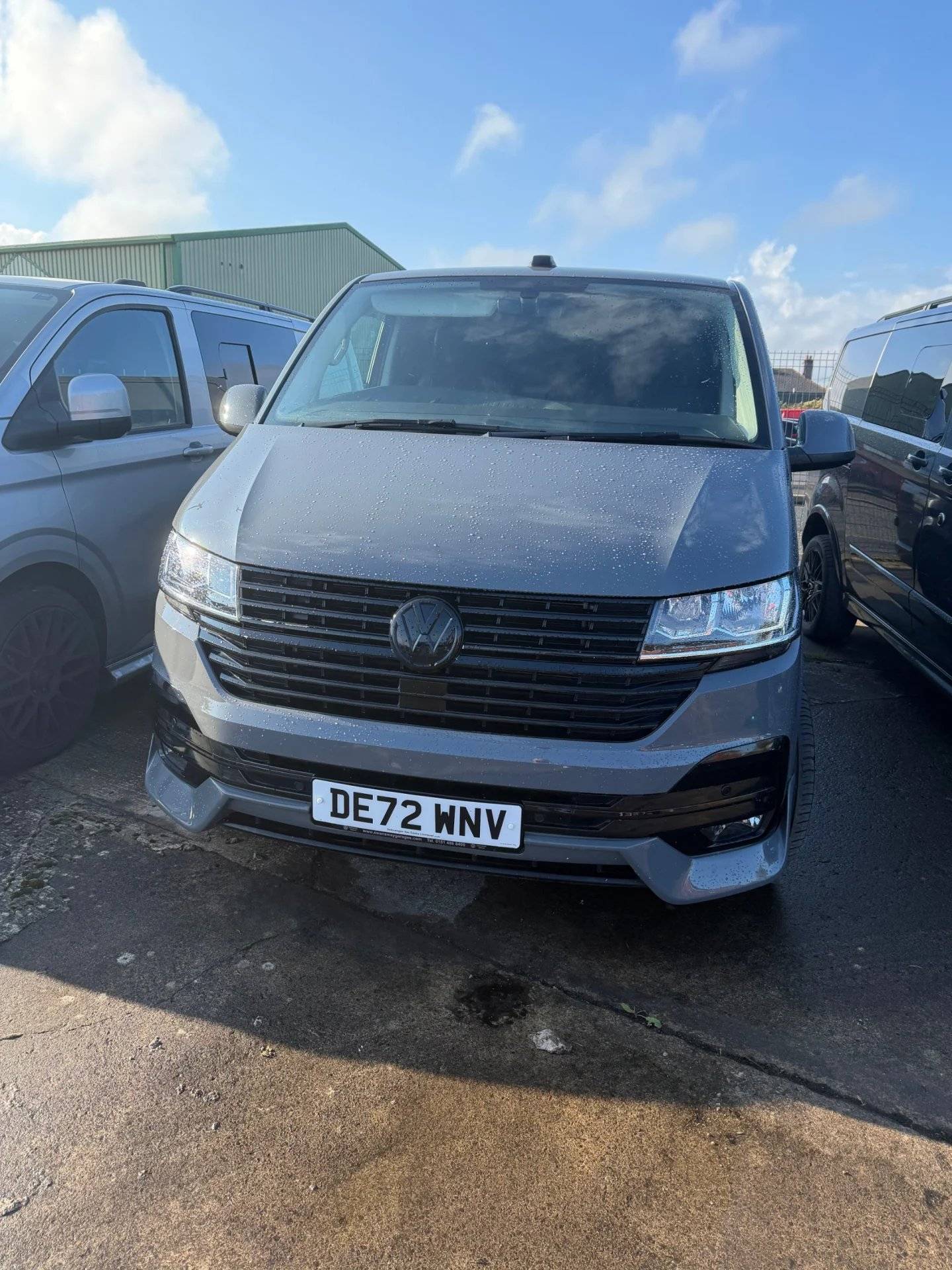
Swiss VansBridgend
2022 · 28,237 mi · Diesel
T28 Highline TDI
The Volkswagen Transporter is the definitive medium panel van on British roads. Spanning multiple decades of production, the modern used market focuses primarily on four iterations: the original T5, the revised T5.1, the Euro 6-compliant T6, and the updated T6.1. Across every generation, this vehicle has set the standard against which all other commercial vans are measured.
What sets the Transporter apart from competitors like the Ford Transit Custom, Renault Trafic, and Vauxhall Vivaro is its unmatched residual value retention, robust build quality, and passenger-car-derived driving dynamics. While competitor vans often suffer from steep depreciation after three years on the tools, the Transporter holds its value exceptionally well. For a sole trader or small business owner, this slow rate of depreciation translates directly into lower long-term capital loss across the ownership cycle.
Beyond financial retention, the Transporter delivers superior road refinement. The cabin insulation, ergonomic dashboard layout, and seat comfort mirror Volkswagen passenger cars such as the Golf and Passat. On long motorway journeys or while queuing in urban traffic between jobs, the Transporter significantly reduces driver fatigue compared to cheaper, more utilitarian alternatives.
Choosing the correct configuration is critical when sourcing a used Transporter. Volkswagen commercial vehicles use specific alphanumeric codes to denote gross vehicle weight ratings, body lengths, and roof profiles.
Used Transporters are designated as T26, T28, T30, or T32. These numbers represent the Gross Vehicle Weight in hundreds of kilograms:
The Transporter is engineered around two distinct wheelbases and three potential roof heights:
From late twenty-ten onwards, Volkswagen standardised on the 2.0-litre four-cylinder TDI common-rail diesel engine across the Transporter range, retiring the earlier 1.9-litre and 2.5-litre Pumpe Düse units. Power outputs vary according to model year and turbocharger configuration:
The Transporter platform accommodates diverse business requirements through several distinct factory body styles:
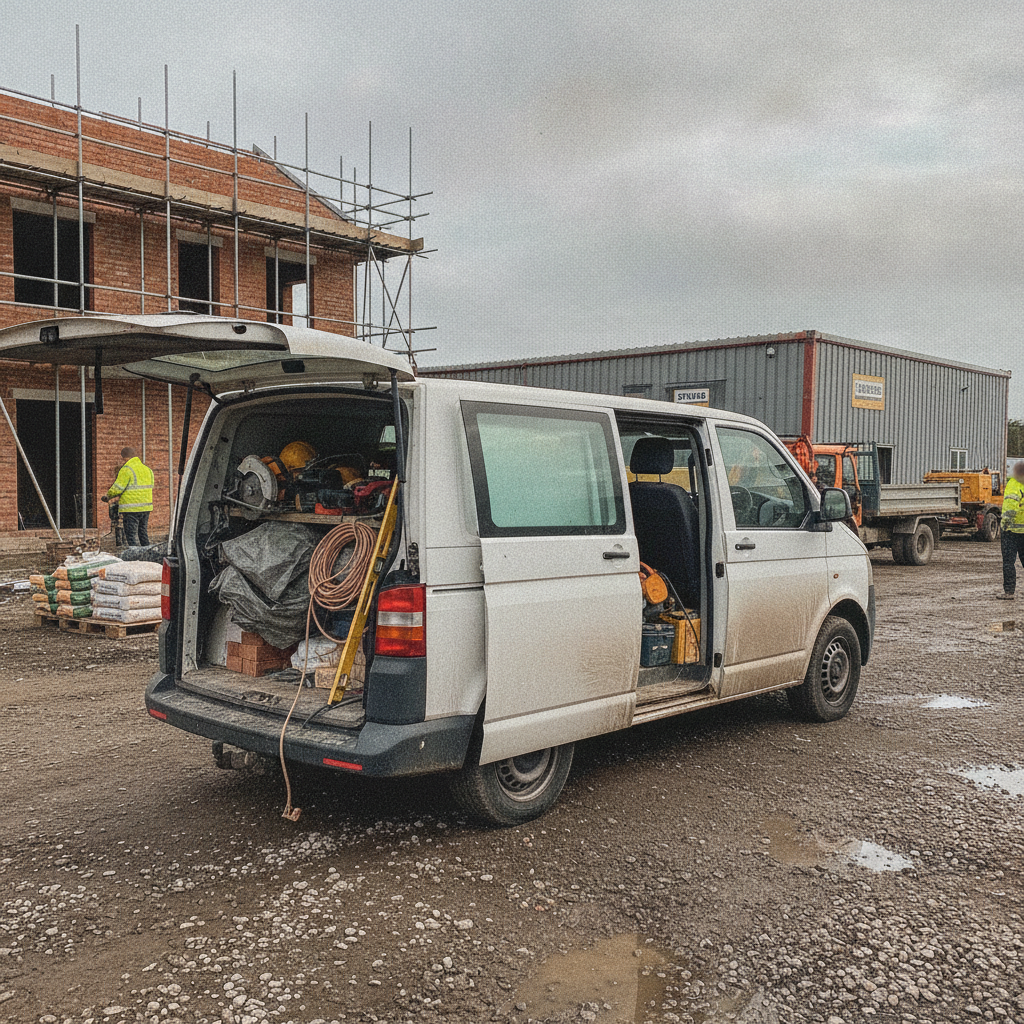
The Transporter is chosen across British industry by trades who view their vehicle as an essential marketing tool as much as a mode of transport. The demographic of used Transporter buyers is distinct from general fleet van purchasers:
Despite exceptional durability, used Transporters require meticulous mechanical scrutiny. Repair bills on neglected modern commercial diesels can rapidly eat into your trade profits.
The single most notorious mechanical fault on the used Transporter market affects the early twin-turbo 180PS engines found in T5.1 models produced between late twenty-ten and twenty-fifteen. The aluminium exhaust gas recirculation (EGR) cooler on these models corrodes internally from acidic exhaust deposits. Flakes of degraded aluminium oxide enter the combustion chambers, acting as an abrasive paste against the cylinder bores. This causes accelerated cylinder wall wear, piston ring destruction, and catastrophic oil consumption.
When inspecting any 180PS BiTDI model, check the oil dipstick immediately. Pull maintenance records to check if the van consumes excessive engine oil. Inspect the EGR cooler body: the original, problematic coolers are stamped with Revision A, B, or C. Only Revision D coolers feature the re-engineered, non-corroding internal matrix. If buying a 180PS model from this era, insist on documented proof of a brand-new factory replacement engine or a verifiable Revision D cooler fitment.
The seven-speed dual-clutch DSG automatic gearbox is smooth and efficient, but it requires scheduled fluid and filter renewals every forty thousand miles without exception. On a test drive, observe how the transmission behaves from a dead stop. Hesitation, jerky engagement when pulling away uphill, or clunking sounds when downshifting from third to second gear suggest contaminated transmission fluid or a failing mechatronic control unit. Check that reverse engages instantly without prolonged delay or vibration.
The 2.0 TDI engine employs a toothed rubber timing belt to drive the camshafts. Volkswagen Commercial Vehicles specifies a cambelt and water pump replacement interval of every five years or eighty thousand miles, whichever arrives first. Verify this service item through stamped dealer invoices. Snapped timing belts result in bent valves, broken rocker arms, and severe internal cylinder head damage.
On manual transmission models, listen carefully to the engine bay while the van idles in neutral with the clutch pedal fully released. A metallic rattling, rhythmic clacking, or dull knocking sound that disappears the moment you depress the clutch pedal indicates excessive play in the dual-mass flywheel. Replacing a worn DMF alongside the clutch assembly is a labour-intensive procedure that involves dropping the front subframe and gearbox.
Used Transporters that have spent their previous lives on short urban courier routes or stop-start local plumbing work often suffer from saturated Diesel Particulate Filters (DPF). Look at the dashboard upon startup to confirm the DPF warning lamp illuminates and clears correctly. If the engine cooling fans run loudly after switching off the engine, the vehicle has likely aborted an active regeneration cycle. Inspect the tailpipe for black soot residue; a clean, healthy modern DPF tailpipe should remain virtually spotless inside.
Transporters routinely haul heavy cargo over deteriorating road surfaces. Inspect the following mechanical items:
Inspect the lower sills and underside of the sliding side load doors. The lower roller wheels are prone to dirt ingress, which wears out the bearings and causes the metal roller arm to drag directly along the painted body runner, scouring away the protective zinc coating and inciting rust. Ensure the sliding door pulls flush against the rear quarter panel when shut; poor door alignment results in noisy wind leaks at motorway speeds and water ingress into the timber floor lining.
Understanding the generational differences enables you to match your commercial requirements to the most reliable platform:
The original T5 introduced the modern Transporter profile. While the 1.9-litre TDI engine is widely praised for its mechanical simplicity and low running costs, it produces modest power and lacks modern emissions compliance. The larger 2.5-litre five-cylinder TDI offers great pulling power, but its complex gear-driven timing assembly, injector seal leaks, and fragile water pump seals make it costly to maintain. Check thoroughly for wheel arch and sill corrosion on early models.
This facelift introduced clean exterior lines and the entire family of 2.0-litre common-rail TDI engines. The pick of this generation is unequivocally the single-turbo 140PS model paired with the six-speed manual gearbox. It strikes the perfect balance between mechanical longevity, fuel economy, and effortless motorway cruising. Be cautious of the 180PS twin-turbo model from these model years unless the engine has already been replaced by a verified specialist.
The T6 brought Euro 6 emissions compliance across the diesel range via Selective Catalytic Reduction (SCR) requiring AdBlue exhaust fluid. This allows the van to enter the London Ultra Low Emission Zone (ULEZ) and Clean Air Zones (CAZ) across cities such as Birmingham, Bristol, and Bath without paying daily emissions penalties. The single-turbo 150PS engine is widely recognized as the most dependable and capable commercial spec of this era.
The T6.1 introduced an electromechanical power steering rack, enabling advanced driver assistance features such as Crosswind Assist, Lane Keep Assist, and semi-automated parking. The cabin received an updated dashboard, digital instrument options, and the latest touchscreen infotainment. Mechanically refined and compliant with the strictest emissions standards, these vehicles represent the pinnacle of modern Transporter refinement, commanding high prices on the second-hand market.
Because the Transporter retains value far longer than equivalent medium commercial vehicles, pricing brackets remain exceptionally structured across age, mileage, and condition.
Vehicles in this price tier consist predominantly of early T5 models and high-mileage T5.1 workhorses with one hundred and fifty thousand to over two hundred thousand miles on the odometer. Expect standard Startline specifications, visible cosmetic wear, plain steel wheels, and minimal factory extras. Vans in this category serve reliably as basic utility runabouts for local builders or budget starting points for DIY camper builders, provided a clear service history is present.
This bracket contains well-maintained T5.1 Highline vans and earlier T6 models typically covering between eighty thousand and one hundred and thirty thousand miles. Single-turbo 102PS and 140PS manual models dominate this segment. You can expect clean bodywork, functional air conditioning, rear parking sensors, and a fully ply-lined cargo box. Vans in this tier are ideal for established sole traders seeking a professional, reliable vehicle without excessive capital outlay.
Covering low-mileage T6 panel vans and factory Kombis with between thirty thousand and seventy thousand miles. The majority will feature desirable Highline specifications, incorporating alloy wheels, body-coloured bumpers, front fog lights, cruise control, heated front windscreens, and leather-trimmed multifunction steering wheels. You will also find well-specified 150PS models equipped with the seven-speed DSG gearbox in this range.
The top tier of the used market consists of late-registration T6.1 models, factory T32 Kombi Sportlines, low-mileage 4MOTION all-wheel-drive configurations, and commercially certified bespoke conversions. These vans frequently boast full digital cockpits, LED matrix headlights, twin sliding doors, and leather upholstery, matching the interior specification and technological presence of premium passenger SUVs.
Calculating the true operational cost of a used Transporter involves budgeting for fuel, Vehicle Excise Duty, insurance premiums, and commercial servicing routines.
The 2.0 TDI engine is an efficient unit for a vehicle weighing upwards of two tonnes unladen:
Euro 6 T6 and T6.1 diesels utilize AdBlue fluid to neutralise nitrogen oxide emissions. The AdBlue reservoir holds thirteen litres on early T6 vans and up to twenty-seven litres on later T6.1 updates. Typically, one litre of AdBlue lasts between five hundred and eight hundred miles, depending on driving aggression and engine loading. Never let the AdBlue reservoir run completely dry, as UK emissions software will prevent the engine from restarting once cut off.
The majority of standard panel vans are classified as N1 light commercial vehicles, subjecting them to the flat-rate Light Goods Vehicle (TC39) commercial road tax rate rather than emissions-scaled passenger car tax. However, buyers looking at factory Kombi, Shuttle, or Caravelle models must check the V5C logbook carefully. Certain passenger-carrying configurations carry M1 classification, which can trigger graduated CO2 road tax brackets or the additional luxury car surcharge if the original list price when new crossed specific statutory thresholds.
Insurance groupings for the Transporter range between Group 30 and Group 44 on the standard Association of British Insurers fifty-group scale. Entry-level Startline T26 models occupy the lower groupings, while high-output T32 BiTDI Kombi and Sportline models sit at the top. Installing a Thatcham Category 1 or Category S5 tracking system and deadlocks to the rear and side load doors often lowers commercial premiums substantially while securing trade tools.
Volkswagen offers two distinct servicing regimes: Flexible (LongLife) and Fixed:
Funding a used commercial vehicle efficiently protects business cash flow while maximising corporation tax or self-assessment allowances. Independent businesses and sole traders have multiple options when acquiring a van.
Traditional Hire Purchase allows a business to spread the full purchase cost over a fixed duration, typically between twenty-four and sixty months, following an initial upfront deposit. For businesses wanting complete vehicle ownership at the conclusion of the contract, selecting structured commercial van finance allows the asset to appear directly on your company balance sheet, enabling you to claim capital allowances against taxable trading profits.
For VAT-registered enterprises seeking alternative methods to keep monthly repayments exceptionally low, exploring used van lease deals via finance lease agreements presents significant advantages. A finance lease allows your business to pay a fixed monthly rental with an agreed balloon payment at the end of the term. The major benefit is that VAT-registered trades can reclaim fifty to one hundred percent of the VAT on monthly rentals depending on business versus personal use, while offsetting the full rental value directly against gross operating profits to minimise tax exposure.
Regardless of whether you purchase outright or finance, the Volkswagen Transporter remains the safest commercial investment in the medium van sector. Exceptional engineering, functional cabin design, and bulletproof residual values make a used Transporter an asset that actively supports your daily trade operations while retaining its capital value for years to come.
Leave your details and what you need, and we will come back to you.