
Featured
ULEZ ✓Swiss VansBridgend
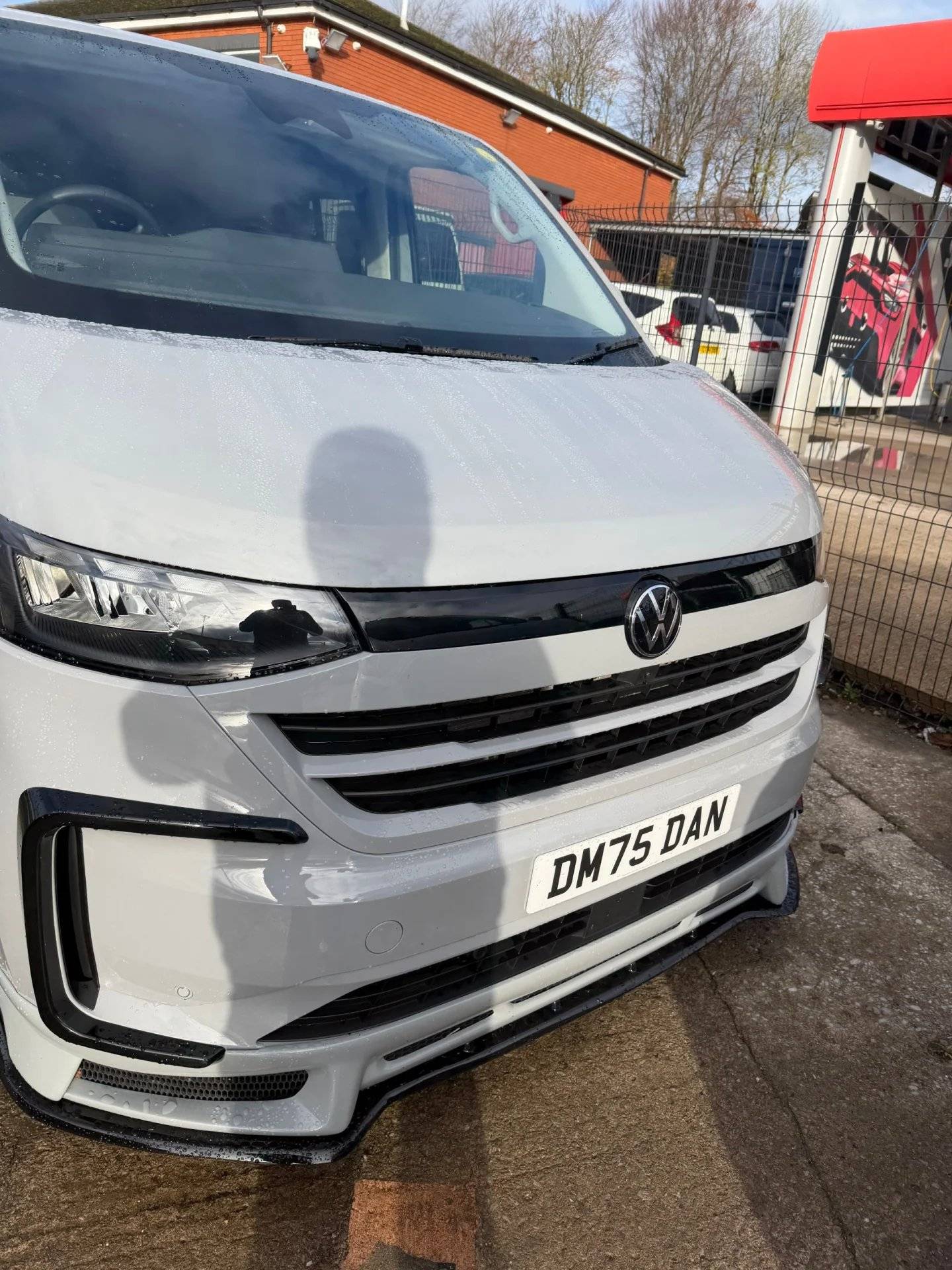
Volkswagen Transporter Kombi T32 Commerce Pro TDI
2025 · Diesel
T32 Commerce Pro TDI
£39,999+ VAT
Manual
Swiss VansBridgend
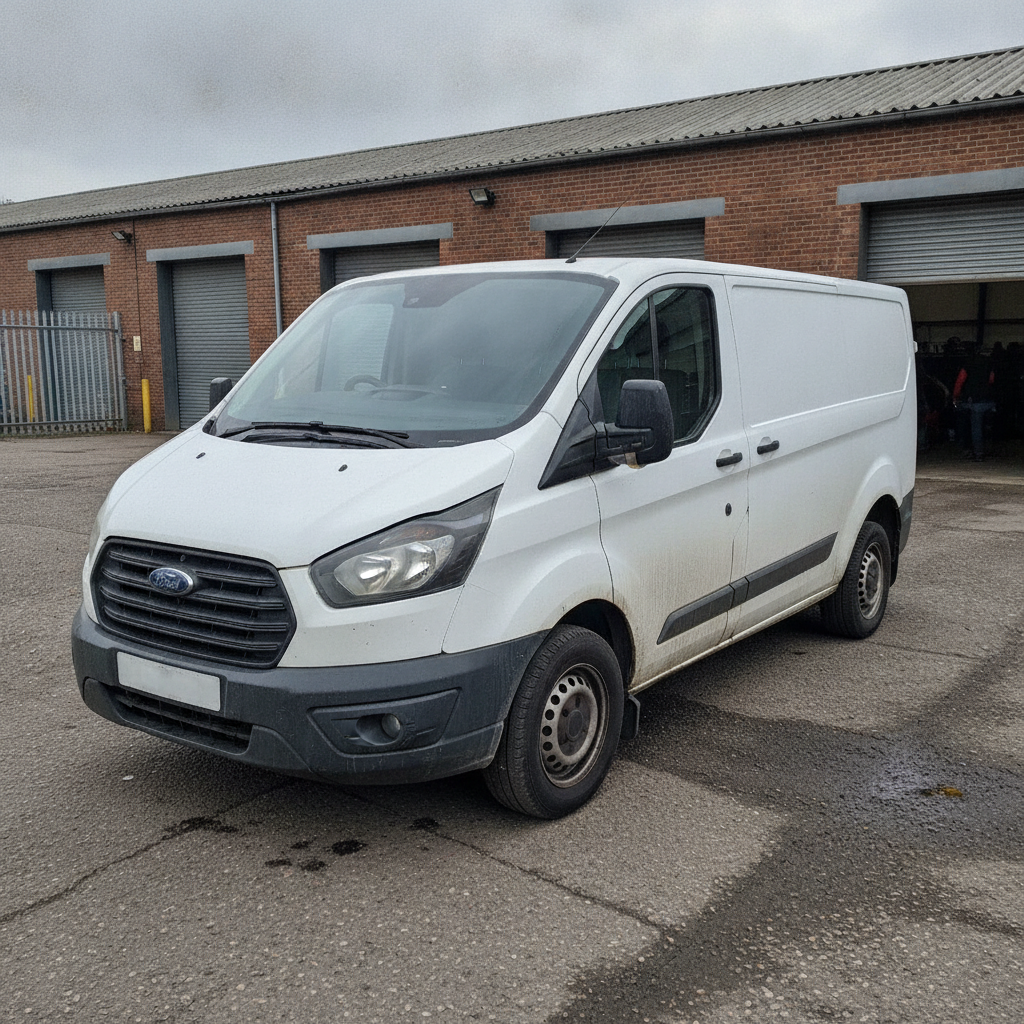
2025 · Diesel
T32 Commerce Pro TDI
Swiss VansBridgend
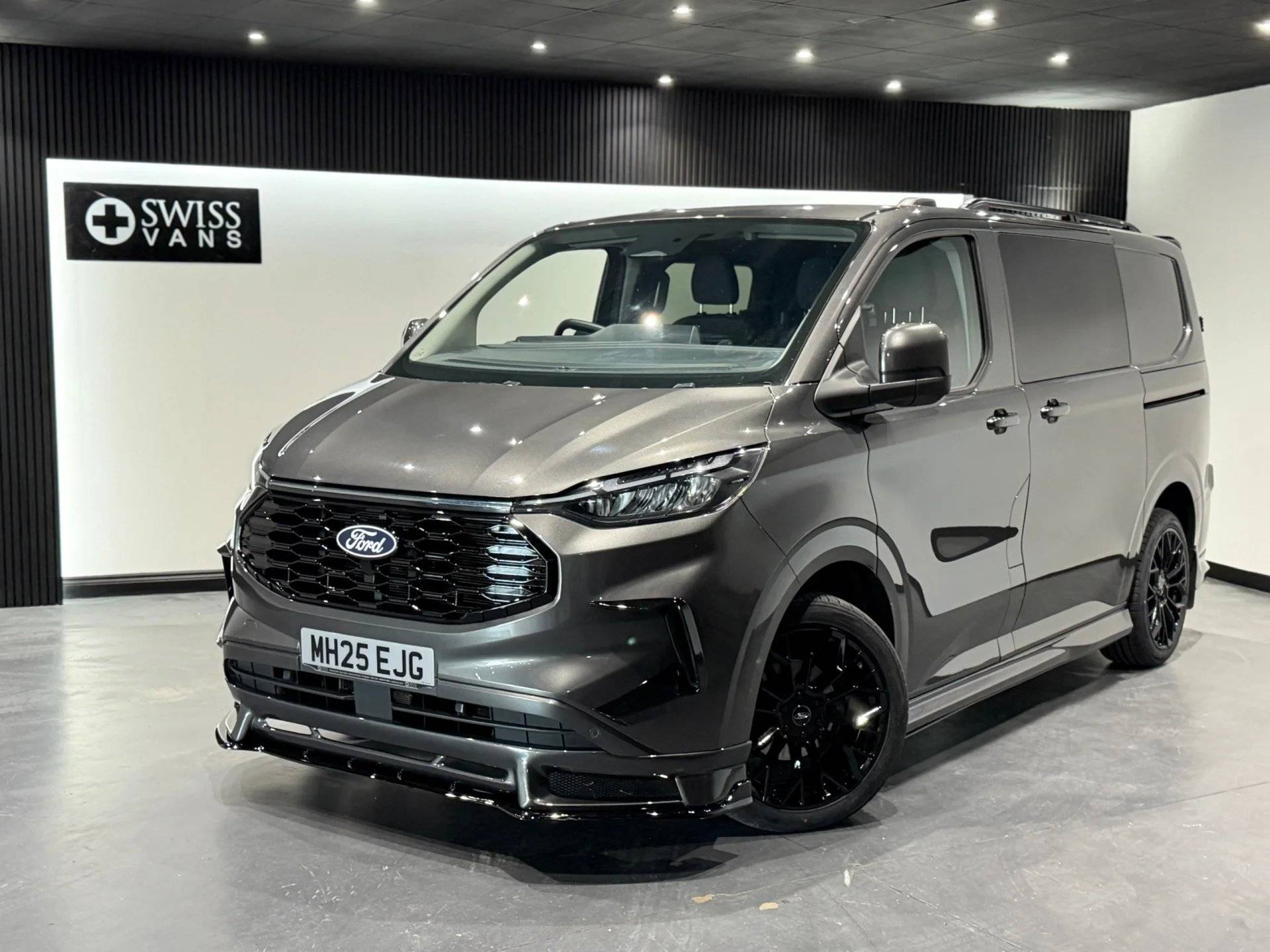
2025 · 33,945 mi · Diesel
320LIMITD EBLUE
Swiss VansBridgend
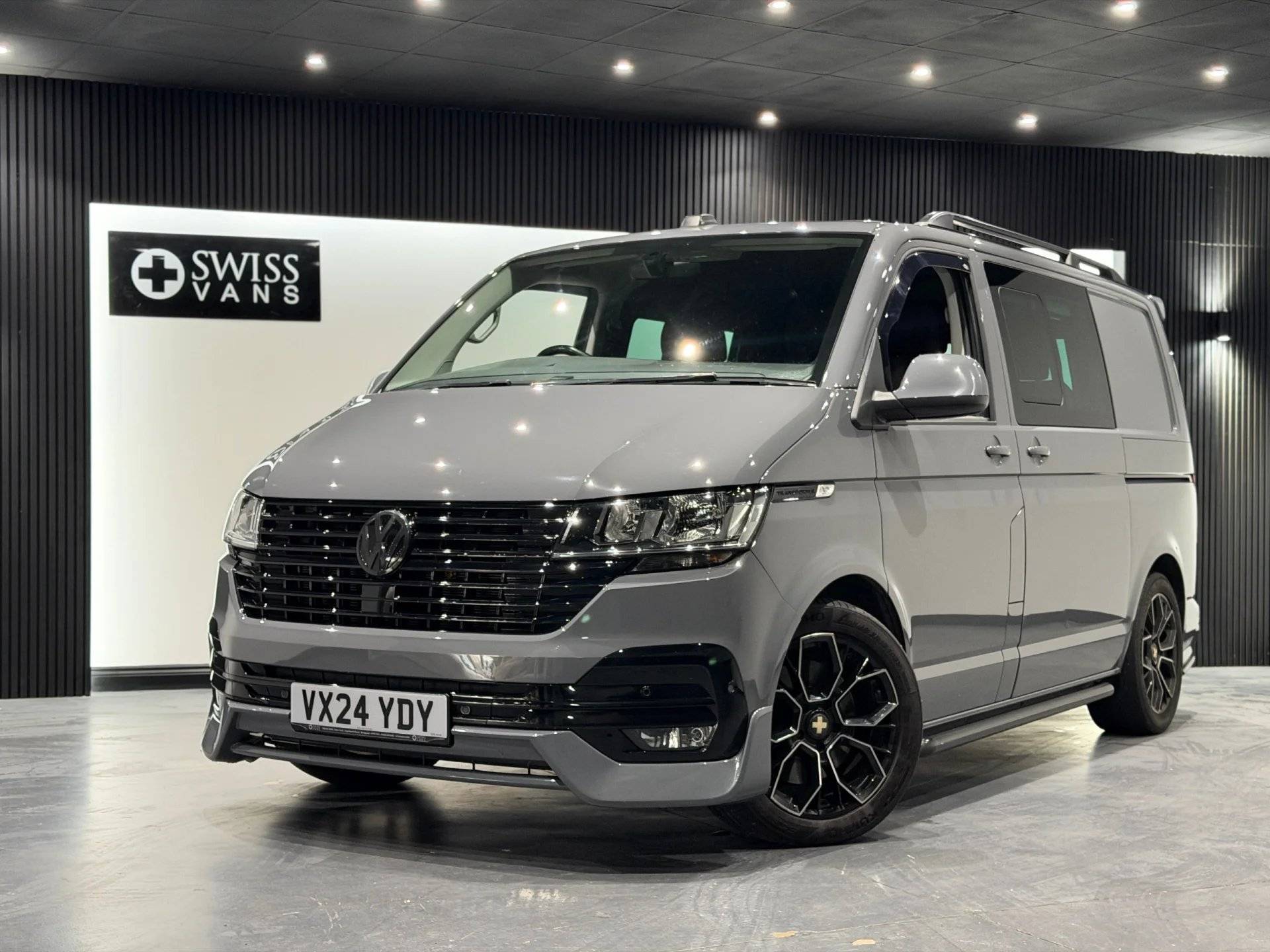
2024 · 39,539 mi · Diesel
T32 Highline TDI Semi-Auto
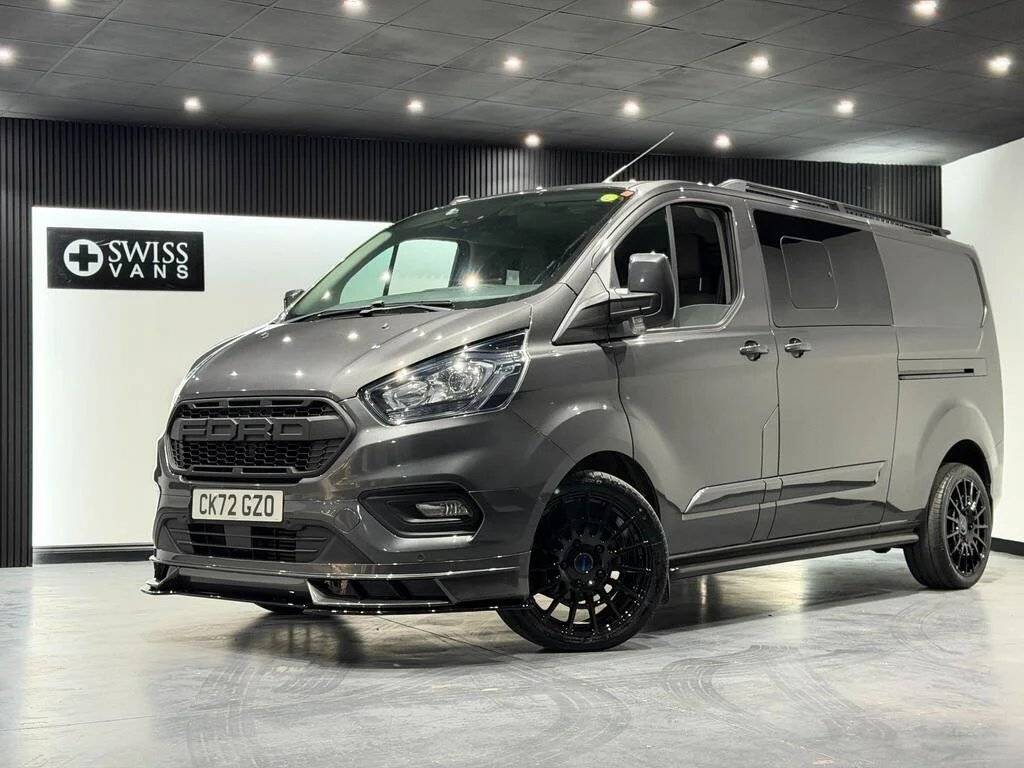
Swiss VansBridgend
2022 · 44,108 mi · Diesel
320LMTD EBLUE A
A crew van, frequently marketed as a double-cab-in-van or kombi, combines the passenger-carrying capability of a car with the dedicated secure cargo space of a commercial vehicle. Unlike a traditional panel van that features only a single row of two or three seats up front, a crew van incorporates a second row directly behind the driver. This setup accommodates five or six adults while retaining a partitioned cargo area at the rear.
For UK sole traders, contractors, and fleet managers, this vehicle configuration solves a common operational problem: moving a workforce to a job without running multiple vehicles. It eliminates the need to dispatch separate passenger cars alongside commercial vehicles, lowering congestion charges, fuel consumption, and insurance policies across the business. Outside of working hours, it provides tradespeople with a practical family vehicle that can haul domestic luggage, sports gear, or camping equipment without exposing tools or materials left in the load area.
In technical terms, crew vans fall under light commercial classifications, but buyers must pay close attention to construction details. The seating arrangement is usually separated from the rear load bay by a bulkhead. This bulkhead may be a full-height solid composite plastic unit, a steel mesh partition, or an integrated moulded structure with a window. The purpose of this partition is twofold: it keeps passenger cabin temperatures regulated and, crucially, shields occupants from shifting cargo during severe braking or an impact.
Navigating the legal and tax status of a crew van requires diligence because adding a second row of seats and side glass adds significant unladen weight. In the UK, HM Revenue and Customs evaluates commercial vehicles based on specific payload metrics. To qualify as an authentic commercial vehicle for capital allowances and benefit-in-kind taxation, a van must generally maintain a payload capacity of at least one metric tonne after the second row of seating and bulkheads are accounted for.
Many short-wheelbase crew vans fall just short of this one-tonne threshold because the extra bench, seatbelts, side glass, and sound deadening can add up to two hundred kilograms of unladen mass. If a vehicle dips below the one-thousand-kilogram payload mark, tax authorities may classify it as a passenger car for benefit-in-kind calculations. This reclassification can result in substantially higher tax obligations for company drivers. If you are uncertain about the precise payload or commercial status of a specific variant, verify the figures on the vehicle manufacturer plate or consult the relevant government guidelines.
From an operational standpoint, losing payload to extra seating directly affects what you can carry. If four sixteen-stone workers climb inside, they add over four hundred kilograms to the gross weight before a single tool or bag of cement is placed in the rear. You must carefully balance your typical passenger headcounts against the weight of your daily kit to ensure you do not exceed the gross vehicle weight marked on the chassis plate.
Crew vans are practical investments across multiple industries where labour and materials must arrive on site simultaneously. Rather than operating a split convoy, business owners rely on these vehicles to handle daily logistics across varied environments.
The UK commercial vehicle market offers numerous factory-built and coachbuilt crew options. Assessing the strengths and known problem areas of each platform will help you select the right model when browsing used vans across the country.
The Ford Transit Custom Double-Cab-in-Van remains the best-selling model in this category. Built with either a two-seat or three-seat front arrangement and a fixed three-seat rear bench, it provides seating for five or six people. Rear legroom is generous, and the high-mounted seating position gives passengers excellent forward visibility. Higher trim grades like Trend, Limited, and Trail add alloy wheels, heated seats, air conditioning, and advanced parking sensors, making them comfortable long-distance cruisers.
When selecting a Transit Custom, choose between short-wheelbase and long-wheelbase variants. The long-wheelbase version provides critical additional floor length behind the bulkhead, allowing you to transport standard eight-by-four-foot sheets on their edge or secure full-size toolboxes flat on the load bed. Most modern examples feature the two-litre EcoBlue diesel engine, available in multiple power outputs to match heavy-towing requirements.
The Volkswagen Transporter Kombi holds an enviable reputation for residual value retention and cabin refinement. Spanning the T5.1, T6, and T6.1 generations, the Kombi is distinct because many variants feature removable rear seating. Rather than a fixed metal bulkhead, Kombis frequently come with quick-release seats that can be unclipped and removed entirely, converting the vehicle from a five-seater carrier into a full-capacity panel van in minutes.
Highline trims are exceptionally popular on the used market, bringing twin side sliding doors, captain-style front seats with armrests, and touchscreen infotainment systems. Engine options centre around the two-litre TDI unit, ranging from sensible single-turbo outputs up to higher-powered bi-turbo variants paired with DSG automatic transmissions. Be aware that the Kombi often commands a substantial price premium over its competitors due to intense demand from both the trade sector and lifestyle buyers.
The Renault Trafic Crew Van and earlier iterations of the Vauxhall Vivaro share mechanical architectures that deliver exceptional practicality and value. These vans are renowned for their wide, square cargo bays and low load sills, which make packing heavy equipment relatively painless. The rear passenger bench in these models typically incorporates integrated under-seat storage, giving your team a secure place to tuck away bags, coats, and power tool batteries out of view.
Newer Vauxhall Vivaro models produced under the Stellantis group share their platform with the Peugeot Expert, Citroën Dispatch, and Toyota Proace. These vehicles are slightly more compact in exterior height, allowing them to slip beneath standard two-metre car park barriers. While the lower roofline reduces internal headroom slightly, it provides effortless manoeuvrability in congested urban zones and underground car parks.
The Mercedes-Benz Vito Crew Van appeals to businesses looking to convey a premium corporate image. Offered in Compact, Long, and Extra-Long body lengths, the Vito accommodates up to six occupants in well-cushioned seats. Rear-wheel-drive configurations offer balanced handling and high towing limits, while select front-wheel-drive variants provide reduced kerb weights for city-focused delivery and maintenance work.
Higher specifications, such as Sport trims, add exterior chrome styling, side bars, leatherette seating, and automatic transmissions that take the stress out of heavy stop-start driving. However, replacement parts and main-dealer servicing can sit at the higher end of the commercial maintenance spectrum, so comprehensive maintenance paperwork is essential when assessing used stock.
Crew vans endure punishing working lives. They transport heavy site squads along with raw materials, resulting in cabin wear and tear that can far outpace standard panel vans. Conduct a systematic inspection across every key system before committing to a purchase.
One of the first checks you must make is establishing whether the van was manufactured as a genuine crew van from the factory or converted later by a third party. Factory models feature reinforced chassis mounting points, crash-tested seat frames, integrated factory seatbelt anchorages, and vehicle-matched side side glass with proper drainage channels.
Aftermarket conversions vary wildly in craftsmanship. While reputable vehicle coachbuilders produce exceptional work using certified floor-tracking systems, poorly executed backyard conversions pose severe safety and insurance risks. Inspect the floor beneath the rear bench: are the seat mountings bolted directly through thin floor sheet metal using small washers, or are they anchored using heavy-duty spreader plates and crash-tested sub-frames? Check the V5C registration document carefully. The seating capacity listed on the logbook must match the physical number of seats installed. If the logbook states three seats but the van has six, your insurer may refuse cover in the event of an accident.
Diesel engines installed in modern crew vans must cope with diverse duty cycles, from sustained highway cruising to brief stop-start journeys around urban building plots. When inspecting modern Ford two-litre EcoBlue diesel engines, ask for verifiable proof of timing belt maintenance. These powerplants utilise an oil-bathed wet timing belt system. Using incorrect engine oil or extending service intervals causes the rubber belt material to degrade, sloughing off microscopic debris that clogs the engine oil pickup strainer, starving the engine of oil and causing catastrophic mechanical failure.
On Volkswagen Transporter models, scrutinise the service record for transmission fluid changes if the vehicle features the DSG automatic gearbox. DSG units require fresh fluid and filter changes at regular intervals; missed services lead to jerky clutch take-up and costly mechatronic failures. For higher-powered bi-turbo diesel Transporters, check for excessive engine oil consumption, which is a known vulnerability on early iterations caused by degrading exhaust gas recirculation coolers.
Crew vans frequently double as family transport on weekends, which means they are often subjected to short, low-speed domestic journeys. These short runs prevent the exhaust system from reaching the high temperatures required to clean the Diesel Particulate Filter. Connect an onboard diagnostic scanner or watch the instrument cluster during an extended test drive. Ensure no warning messages appear regarding the particulate filter or the AdBlue selective catalytic reduction system.
Examine the AdBlue filler neck and surrounding wiring harnesses for white crusty deposits, which indicate leaks. On Peugeot, Citroën, and Stellantis-derived platforms, ensure the AdBlue tank has not distorted or flagged pressure sensor codes, as tank replacements on these platforms can be expensive.
Because crew vans routinely operate near their maximum gross vehicle weight, their running gear experiences accelerated wear. Walk around the vehicle on level ground and check the ride height. If the rear suspension appears to sag or sits unevenly, the rear coil springs, leaf spring helpers, or dampers may be worn out or fractured.
Inspect the condition of the rear tyres. Heavy payloads combined with worn rear trailing arm bushes or leaf spring shackles cause uneven tyre wear, visible as bald strips on the inside shoulders of the tread. Lift any rubber floor matting in the rear passenger footwell and cargo bay to check for structural corrosion, hidden dampness, or floor distortions caused by unsecured equipment sliding violently into the bulkhead.
Crew van values reflect age, structural provenance, trim level, and emissions compliance. The market generally segments into three distinct investment tiers.
In this price category, expect higher-mileage vehicles that have completed years of sustained trade duty. Odometer readings will frequently sit beyond one hundred and twenty thousand miles. Vehicles in this bracket are typically older Euro 5 models, meaning they will not meet clean air zone exemptions in cities like London, Birmingham, Sheffield, or Bristol without paying daily access fees.
Cosmetic battle scars, light bodywork corrosion around wheel arches, and hard-worn interior trim are standard. When operating within this tier, prioritise proven mechanical health, a fresh twelve-month MOT with minimal advisories, and evidence of recent timing belt, clutch, and suspension overhauls over flawless paintwork. Verify that any aftermarket seating modifications comply with safety rules and are fully documented on the logbook.
This intermediate price tier represents the core volume of the UK market. Here you will find late-model Euro 6 compliant vehicles that avoid clean air zone daily charges. Most examples will have completed between fifty thousand and one hundred thousand miles under the care of national fleets, local authorities, or single-owner trade businesses.
Popular offerings include well-appointed Ford Transit Custom Limited models, Renault Trafic Sport variants, and mid-range Vauxhall Vivaro Doublecabs. These vehicles feature modern creature comforts like air conditioning, cruise control, digital radio, and parking cameras. Service histories in this tier should be consistent, and bodywork should be straight with only minor operational blemishes.
The top tier contains near-new, low-mileage work vehicles, flagship specifications, and highly sought-after lifestyle haulers. In this bracket, you will discover low-mileage Volkswagen Transporter Kombis in Highline or Sportline trim, Mercedes-Benz Vito Sport models, and four-wheel-drive configurations like the VW 4Motion.
Vans in this class often feature high-output engines paired with automatic transmissions, full factory styling packs, oversized alloy wheels, LED headlamps, and sophisticated driver assistance suites. Cargo compartments in this range are frequently immaculately preserved, often featuring custom marine-ply lining, carpeted panelling, and integrated load-securing systems.
Spreading the acquisition cost of a commercial vehicle is standard practice for sole traders, partnerships, and limited companies looking to safeguard operational cash reserves. A structured commercial finance agreement allows a business to deploy capital into materials, workforce wages, and marketing rather than sinking cash into a depreciating asset.
Vansales is an independent online automotive marketplace and commercial vehicle directory. We do not provide consumer loans, broker finance packages, or sell vehicles directly to the public. All finance arrangements are brokered through independent lenders, specialized commercial finance providers, or direct dealerships. Buyers can research commercial agreements to discover appropriate van finance options tailored to their business turnover and accounting structures.
The most widespread finance paths available across the trade sector include:
Before entering any commercial credit commitment, assess how the vehicle will be depreciated on your company accounts, evaluate your business mileage requirements, and review your cash flow stability with a qualified accountant.
Leave your details and what you need, and we will come back to you.