
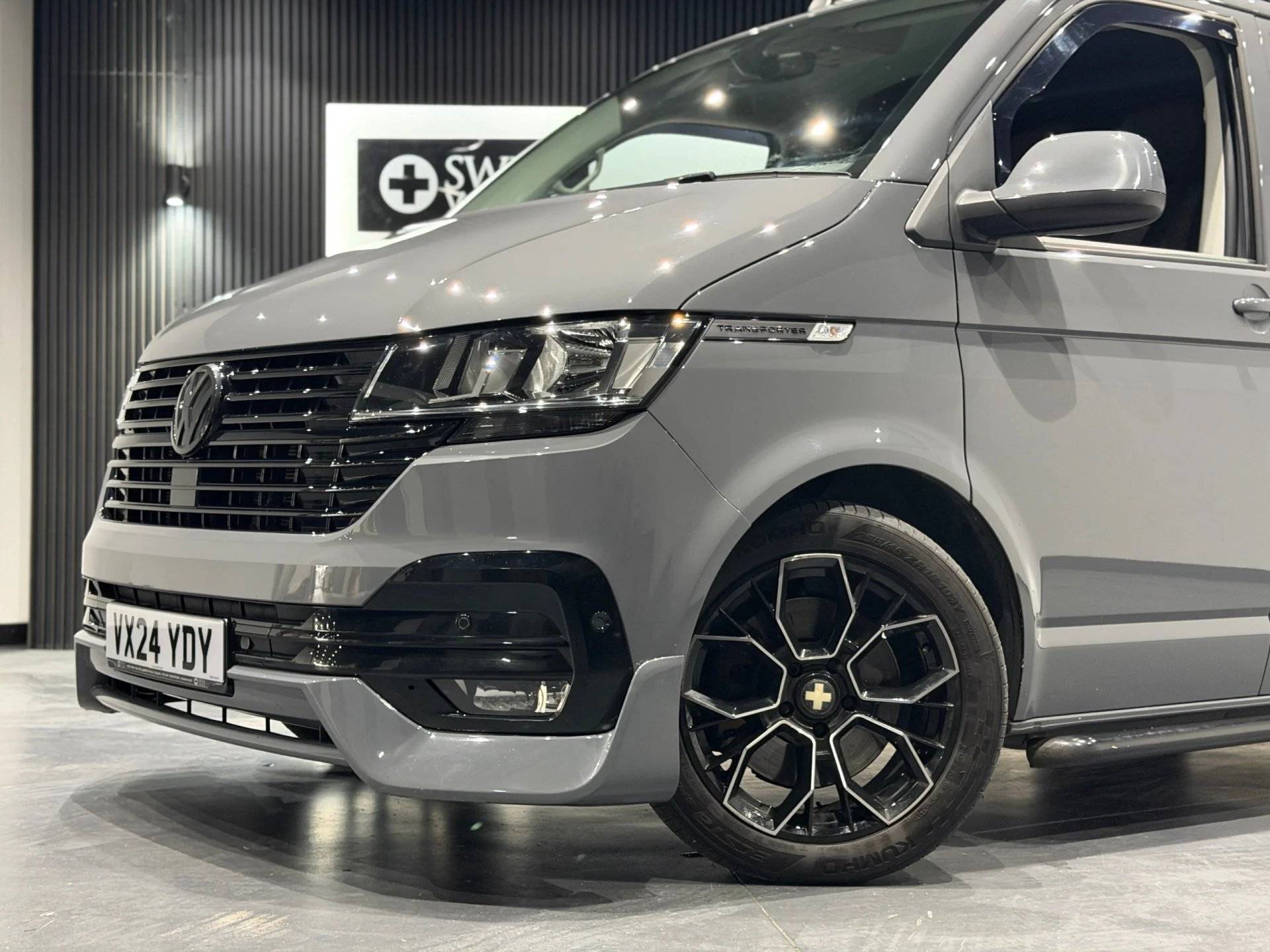
Featured
ULEZ ✓Swiss VansBridgend
Volkswagen Transporter Kombi SWB 150 DSG T32 Highline TDI Semi-Auto
2024 · 39,539 mi · Diesel
T32 Highline TDI Semi-Auto
£36,999+ VAT
Auto
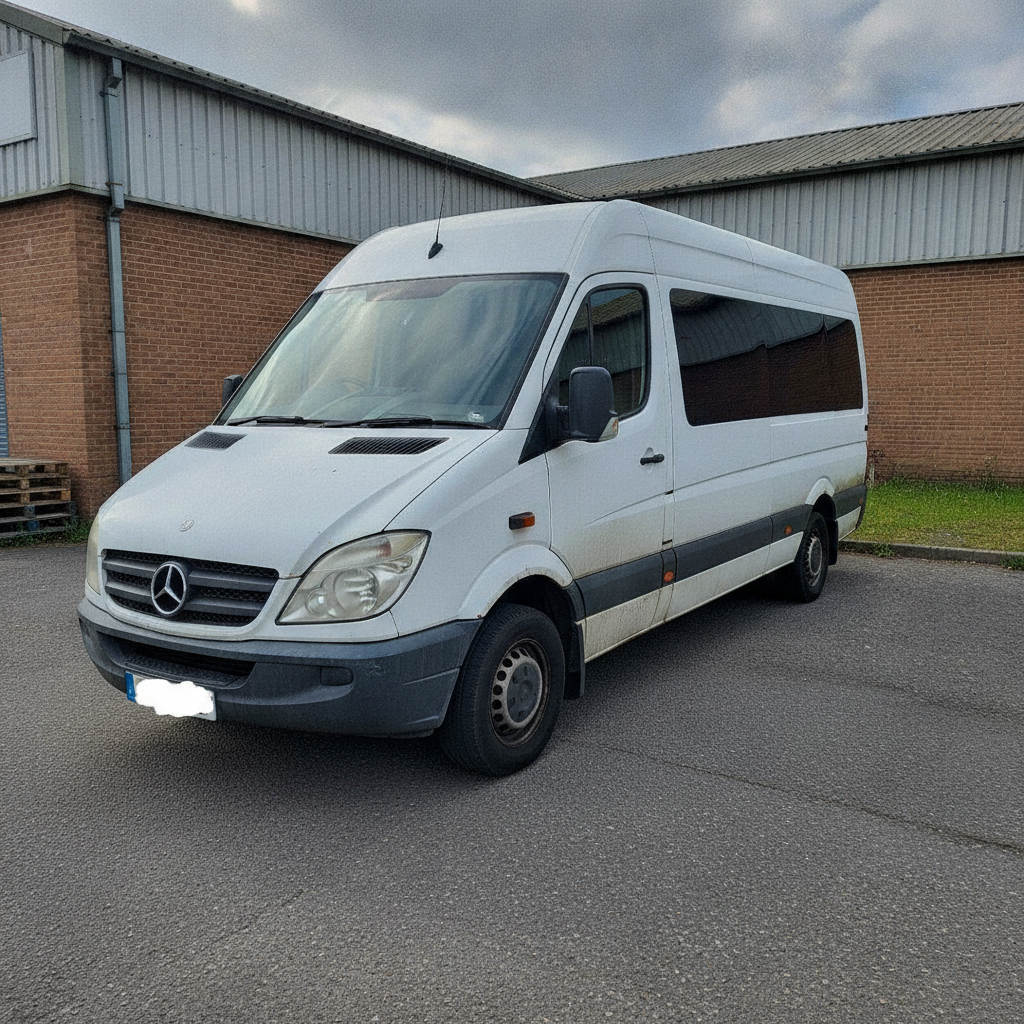
Swiss VansBridgend
2024 · 39,539 mi · Diesel
T32 Highline TDI Semi-Auto
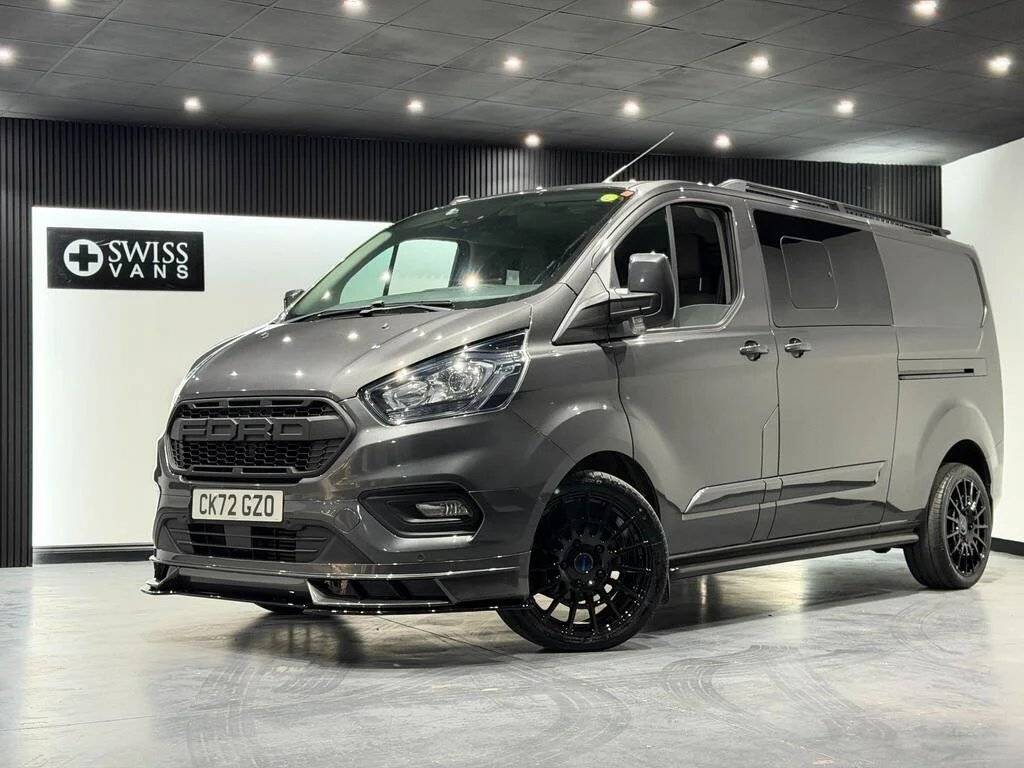
Swiss VansBridgend
2022 · 44,108 mi · Diesel
320LMTD EBLUE A
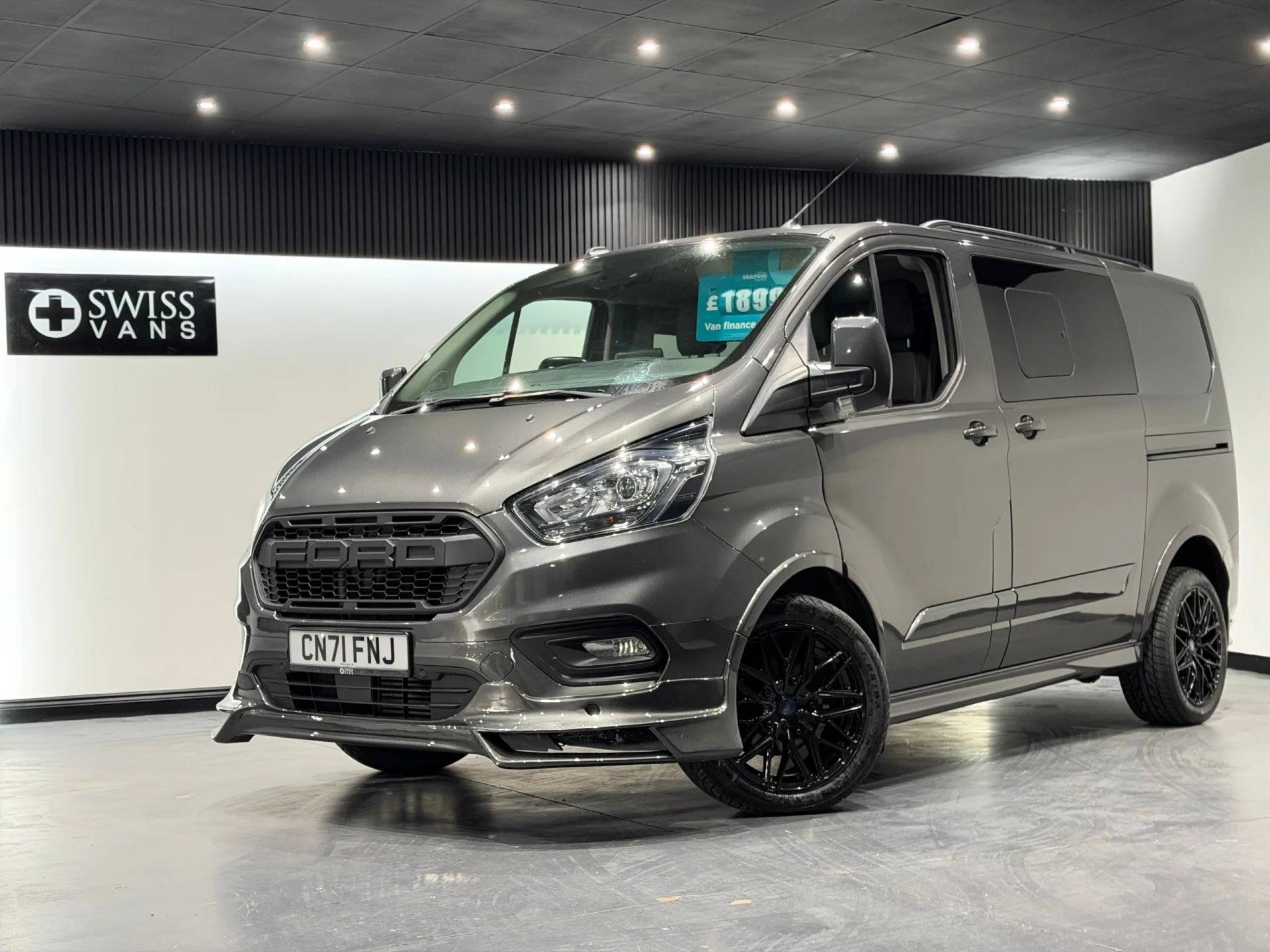
Swiss VansBridgend
2021 · 79,769 mi · Diesel
320 Limited EcoBlue
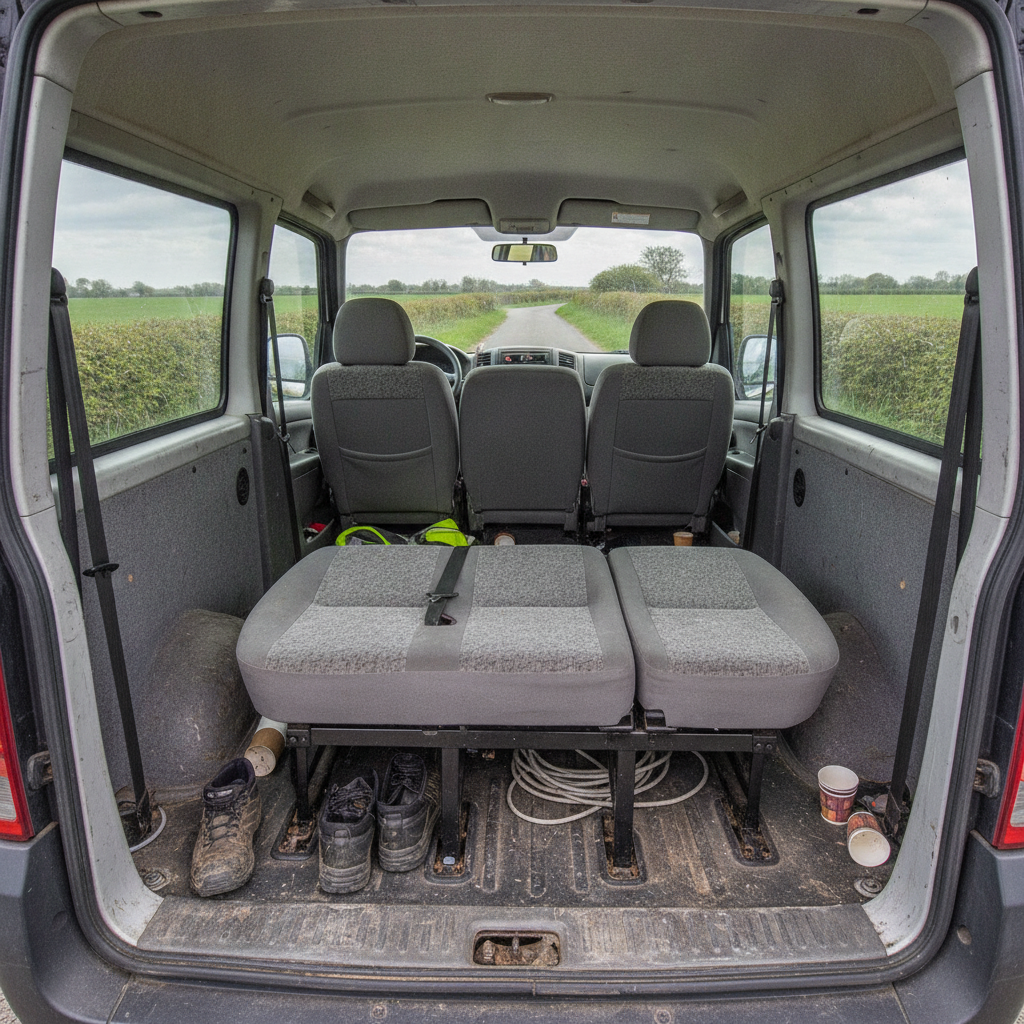
A combi van, often referred to by manufacturers as a crew van or double-cab-in-van, combines the cargo-carrying capacity of a light commercial vehicle with the passenger accommodations of a multi-purpose passenger car. While a standard panel van provides a single row of two or three seats in the front cab separated from a full-length, enclosed load area, a combi van introduces a second row of seats behind the driver. This arrangement typically provides seating for five or six occupants in total, depending on whether the front cab features a single passenger seat or a two-person bench.
To accommodate passengers in the second row, combi vans feature glazed side sliding doors or fixed side windows, providing natural light and ventilation that panel vans lack. Behind the second row of seats, a combi van usually incorporates a bulkhead that protects occupants from shifting cargo while preserving an enclosed rear load bay. Many models feature modular seating, allowing you to fold, tumble, or completely remove the rear bench when maximum luggage or cargo volume is required. In short, a combi van bridges the gap between dedicated trade workhorse and practical multi-passenger transport, avoiding the need to operate two separate vehicles.
Combi vans are favoured across the UK by businesses and sole traders that need to transport both a workforce and their tools to job sites without running multiple vehicles. Key commercial buyers include:
The UK used market features a strong selection of factory-built combi vans from established manufacturers. Looking for proven, widely supported models helps ensure access to replacement parts, specialist servicing, and dependable reliability.
The Ford Transit Custom Double Cab-in-Van is the most common sight on UK roads. Renowned for its balanced road manners, extensive dealer network, and efficient EcoBlue diesel engines, it offers seating for five or six people alongside a well-shaped rear cargo area. Another prominent choice is the Volkswagen Transporter Kombi, which commands strong residual values due to its robust build quality, refined cabin, and popularity among lifestyle buyers. Available across T5, T6, and T6.1 generations, the Transporter Kombi provides flexible seating configurations and durable upholstery.
The Vauxhall Vivaro Doublecab and its mechanical siblings from the Stellantis family, including the Peugeot Expert Crew Van and Citroen Dispatch Crew Van, represent practical, cost-effective options with strong payload capabilities and economical BlueHDi or CDTi diesel powertrains. The Renault Trafic Crew Van provides an exceptionally comfortable ride, clever interior storage, and hard-wearing cabin plastics. For buyers seeking premium cab comfort and high towing ratings, the Mercedes-Benz Vito Crew Van provides rear-wheel-drive or front-wheel-drive platforms, refined automatic transmissions, and advanced safety assistance systems.
Combi vans generally offer lower payload capacities than equivalent panel vans because the second-row seating frame, seatbelts, side glazing, and secondary interior trim add substantial kerb weight, usually reducing payload by between one hundred and two hundred kilograms. Typical medium-sized combi vans deliver payloads ranging from approximately seven hundred kilograms to just over one thousand kilograms, depending entirely on the engine size, trim level, and chassis gross vehicle weight rating.
Body dimensions vary across compact, medium, and large van platforms. A standard short-wheelbase medium combi van generally provides a load bed length of roughly 1.4 to 1.6 metres behind the second-row bulkhead. If you select a long-wheelbase variant, that load floor length typically extends to between 1.8 and 2.0 metres, which is often enough to slide an eight-foot sheet material or standard Euro pallet flat on the floor behind the passenger compartment. Overall vehicle heights generally stay beneath two metres on medium-sized standard roof variants, allowing entry into most multi-storey car parks.
Because conversions, options, and factory gross weights vary drastically from one vehicle to another, you should never rely on generalised specification figures. Always inspect the manufacturer weight plate affixed to the door pillar or under the bonnet, and review the vehicle V5C registration document to verify the exact unladen mass, gross vehicle weight, and train weight before committing to a purchase.
Assessing a used combi van requires inspecting standard mechanical components while paying special attention to combi-specific fixtures and modifications.
Start with standard mechanical and bodywork appraisals:
Next, focus closely on checks specific to combi models:
Used combi van prices vary depending on age, mileage, specification, engine output, and vehicle condition. Rather than static amounts, the market generally divides into distinct tiers:
The entry tier includes older vehicles, generally dating from the late 2000s to the mid-2010s, often with over one hundred and twenty thousand miles on the odometer. These vans are commonly older Euro 5 models that have seen sustained commercial service, showing noticeable cosmetic wear in the cargo area and basic cab specifications.
The mid-range tier features vans typically between four and eight years old, with mileages ranging from fifty thousand to ninety thousand miles. Most vans in this band feature Euro 6 compliant engines, modern infotainment systems, cruise control, air conditioning, and factory bulkheads. Vehicles in this bracket often come from well-maintained fleet or light trade backgrounds.
The premium tier consists of nearly new combi vans up to three years old, displaying low mileage and minimal wear. These vehicles often feature desirable high-spec trims, alloy wheels, advanced driver assistance packs, and automatic gearboxes. To view current valuations across every age and mileage profile, explore the live listings directly on Vansales.com.
The terms crew van, combi van, and double-cab-in-van refer to the same basic layout: a light commercial van fitted with a second row of passenger seats behind the driver and a dedicated cargo bay at the rear. Different vehicle manufacturers simply use varying trade names to market the configuration.
In most modern combi vans, the second-row seats are designed to fold, tumble forward, or unlatch completely from integrated floor brackets. However, seat removal requires two people due to the weight of the bench, and models featuring a fixed full-height bulkhead behind row two will require you to unbolt the partition to access the full floor length.
Yes, unless your combi van is classified on its V5C logbook as a car-derived van or dual-purpose vehicle with an unladen weight under 2,040 kilograms, it is subject to standard UK commercial van speed limits: sixty miles per hour on single carriageways, seventy miles per hour on dual carriageways, and seventy miles per hour on motorways.
Combi vans are not exempt based on body style. To drive within the London ULEZ without paying the daily charge, a diesel combi van must meet Euro 6 emissions standards, while a petrol model must meet Euro 4 standards. Always check the registration on the Transport for London vehicle checker before buying.
You can generally reclaim the VAT on a used combi van if you are a VAT-registered business, the vehicle is sold under standard VAT terms rather than the margin scheme, and it meets HMRC requirements for genuine commercial status. Always check with an accountant to confirm the vehicle tax classification.
Examine the V5C logbook to see the recorded body type and seating capacity, check that the vehicle weight plate matches the layout, and inspect the fit and finish of interior trim, seat belt mounts, and window surrounds. Factory builds feature moulded pillar trims and crash-tested floor mounting points rather than exposed metal edges or aftermarket brackets.
Leave your details and what you need, and we will come back to you.