
Featured
ULEZ ✓Swiss VansBridgend
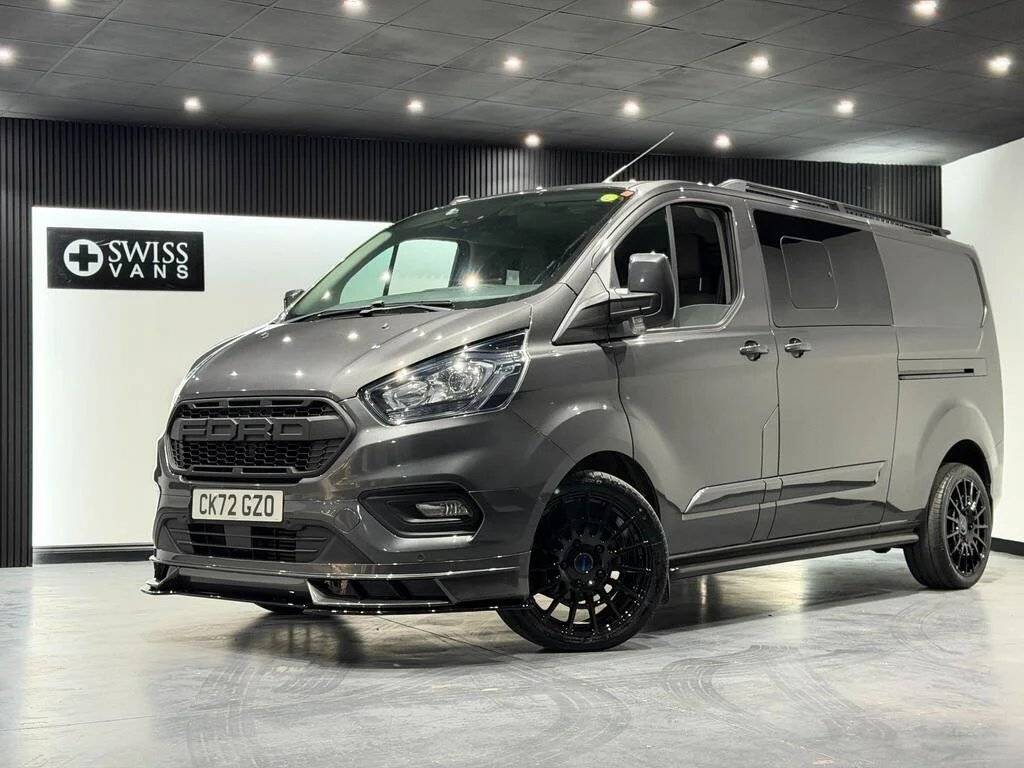
Ford Transit Custom 320 Limited EcoBlue Auto
2022 · 44,108 mi · Diesel
320LMTD EBLUE A
£24,995+ VAT
Auto
Ford
2 vans listed now · search and filter all Ford Transit Custom stock
Swiss VansBridgend
2022 · 44,108 mi · Diesel
320LMTD EBLUE A
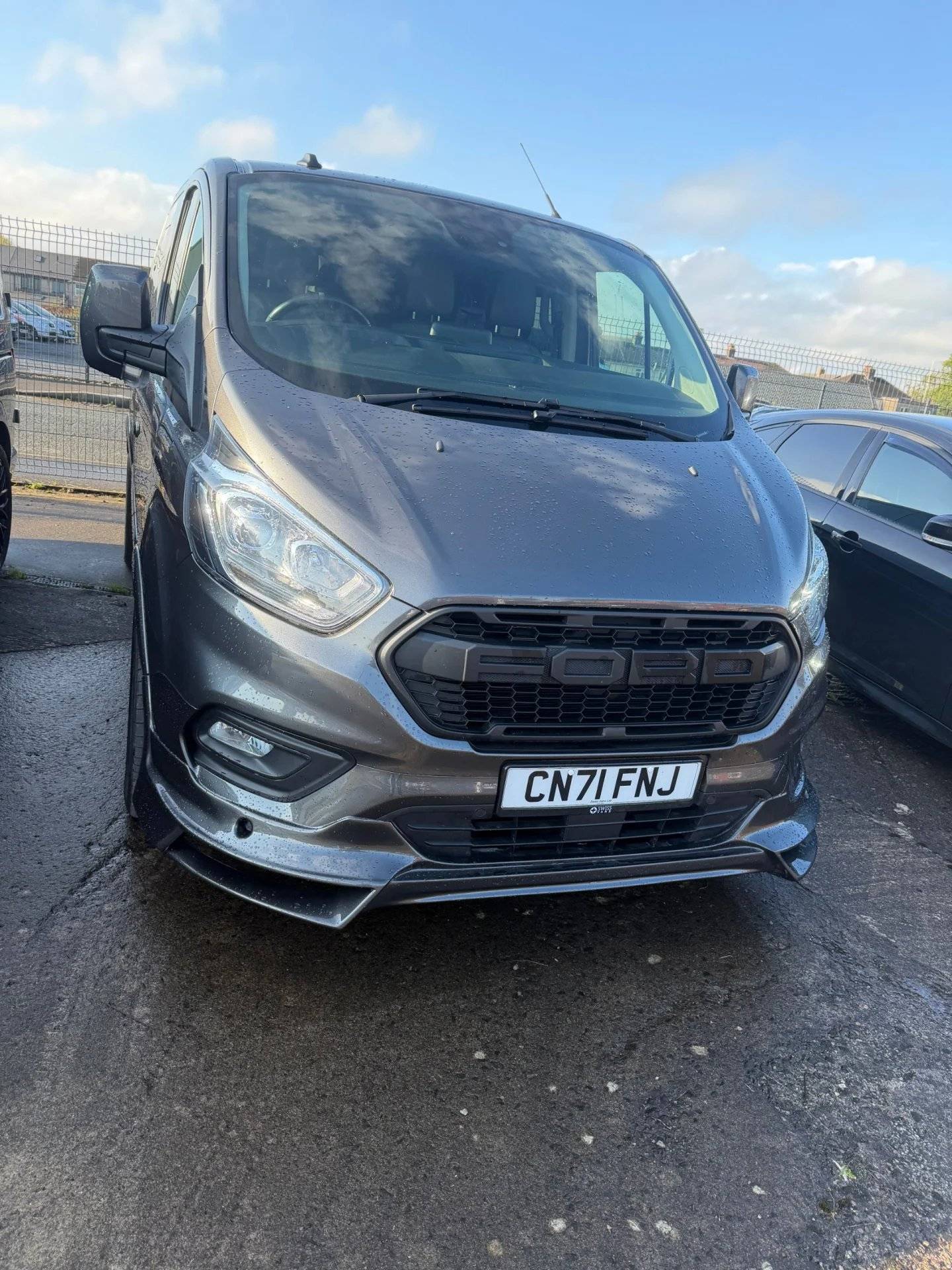
Swiss VansBridgend
2021 · 79,769 mi · Diesel
320 Limited EcoBlue
The Ford Transit Custom has dominated the UK commercial vehicle sales charts since its launch in 2012, and for good reason. Sitting between the compact Transit Connect and the full-sized two-tonne Transit, the Custom provides the ideal footprint for British roads. It is compact enough to navigate multi-storey car parks and narrow residential streets, yet large enough to carry standard building materials, full-sized pallets, and heavy workshop kit.
For independent tradespeople, delivery contractors, and growing fleet operators, buying a used Transit Custom represents a sensible balance between commercial capability and manageable capital outlay. However, with hundreds of thousands of used examples in circulation across the UK, vehicle condition, mechanical integrity, and maintenance history vary dramatically. This comprehensive guide outlines everything you need to evaluate before purchasing a pre-owned Ford Transit Custom, ensuring your investment keeps your business earning rather than sitting in a workshop bay.
Understanding the Ford Transit Custom model lineup is essential to picking the correct tool for your trade. The first-generation platform ran from late 2012 until late 2023, receiving a major exterior and interior facelift in early 2018. Across all production years, Ford used a straightforward sizing matrix based on two wheelbases and two roof heights.
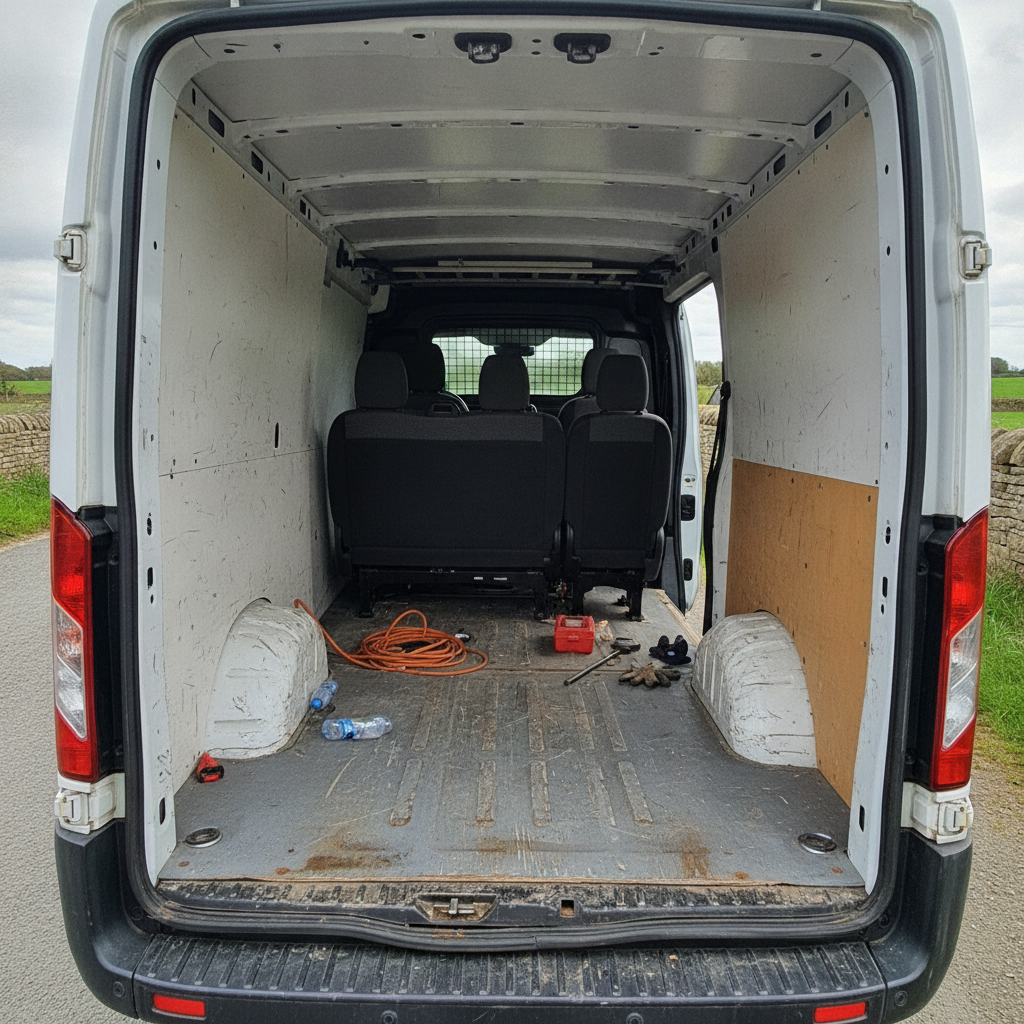
Every panel van configuration features an interior width between the wheel arches of 1,390mm. This is a critical metric for the building trade, as it allows standard 8-foot by 4-foot sheets of plasterboard, plywood, or OSB to lie flat on the floor between the arches or stand upright securely against the side ribs.
Ford uses a badge naming system on the rear door denoting the Gross Vehicle Weight (GVW). Understanding these numbers prevents you from running overloaded:
Beyond the standard three-seater panel van, the used market contains three alternative body types. The Double Cab-in-Van (DCiV) adds a second row of three seats behind the front row, separated from the load area by a moulded bulkhead. It is popular with trades carrying crews to site, though cargo length drops significantly. The Kombi features removable rear seating and glazed side windows, while the Tourneo Custom is the dedicated passenger variant fitted with carpeted interiors, rear climate controls, and high-spec sound deadening.
The engine under the bonnet is the single most important factor determining running costs, compliance, and long-term reliability on a used Transit Custom.
Early Mk1 Customs utilise the older 2.2-litre Duratorq diesel engine, compliant with Euro 5 emissions standards. Available in power outputs of 100PS, 125PS, and 155PS, these engines use a traditional steel timing chain. While they lack the refined, quiet idle of later units and are not exempt from Ultra Low Emission Zones (ULEZ) or Clean Air Zones (CAZ), they avoid the complex wet timing belt design found on later units. For operators working exclusively outside low-emission zones, a well-serviced 2.2 TDCi remains a simple, durable workhorse.
Introduced to meet Euro 6 emissions regulations, the 2.0-litre EcoBlue 'Panther' engine brought higher fuel efficiency, reduced emissions via AdBlue selective catalytic reduction, and quieter operation. Outputs initially included 105PS, 130PS, and 170PS, with a 185PS range-topper added during the 2018 facelift. Most used buyers target the 130PS variant, as it provides the ideal balance of pulling torque for full payloads and manageable fuel usage.
The 2.0 EcoBlue relies on a belt-in-oil (wet belt) system for both the main camshaft drive and the oil pump drive. This engine design requires meticulous servicing and strict adherence to oil specifications to prevent catastrophic failure.
From late 2019 onward, Ford introduced a 48-volt mild-hybrid (mHEV) option on manual 2.0 EcoBlue vans, using a small lithium-ion battery pack to harvest braking energy and assist the engine during pull-away. Ford also sold a specialist Plug-In Hybrid (PHEV) variant combining a 1.0-litre EcoBoost petrol engine acting as a generator with an electric traction motor. The PHEV offers around 25 to 30 miles of pure electric range, making it suited to central London operations, though payload is slightly compromised by battery weight.
The Custom dominates British trade parks because its design directly answers everyday site requirements. Specific sectors gravitate toward particular configurations:
Because the Custom is heavily used as a commercial tool, cosmetic wear is normal. Mechanical neglect, however, can quickly erase your profit margins. Perform these vital checks on any used prospect.
This is the most critical mechanical check on any post-2016 EcoBlue van. The timing belt runs internally through engine oil. If the previous owner applied incorrect oil grades during servicing, extended the intervals past 12 months, or suffered from diesel fuel contamination caused by aborted DPF regenerations, the rubber belt degrades rapidly. The rubber sheds teeth and sloughs fine particles into the engine sump. These fibres collect on the mesh oil pickup strainer, starving the oil pump.
When inspecting an EcoBlue van, remove the oil filler cap and use a bright torch to inspect the exposed belt visible inside the top cover. Look for surface cracking, edge fraying, or swelling. If an oil pressure warning light illuminates on the dashboard, even intermittently during a test drive, walk away immediately. Replacing the wet belt system is an intensive job requiring specialist locking tools and oil sump removal, costing significant sums in workshop labour.
Early Euro 6 2.0 EcoBlue engines were fitted with Continental fuel injectors that suffered a high failure rate. Symptoms include a distinct metallic knocking noise under medium acceleration, a lumpy or uneven idle when starting from cold, excessive smoke, and intermittent limp-mode warnings under load. Ensure the engine starts cleanly from stone cold, and check historical invoices to see if updated injectors have already been installed.
Like all modern diesels, Transit Customs used solely for short, stop-start urban journeys struggle to reach the exhaust temperatures required for passive Diesel Particulate Filter (DPF) regeneration. The vehicle attempts active regeneration by injecting extra diesel on the exhaust stroke. If journeys are cut short, unburnt diesel washes past the piston rings into the sump, raising the oil level and severely accelerating wet belt breakdown. Pull the engine dipstick: if the oil level sits above the maximum mark or smells intensely of diesel fuel, the DPF system is compromised.
Manual gearboxes are generally durable, but heavy towing and site work take a toll on the dual-mass flywheel (DMF) and clutch. Listen for metallic rattling at idle that disappears when depressing the clutch pedal. During the test drive, shift into third and fourth gear at low revs and accelerate firmly; clutch slippage indicates an impending replacement.
For automatic models using Ford's six-speed SelectShift torque-converter transmission, ensure shifts between first, second, and reverse engage smoothly without hesitation, clunking, or shuddering under acceleration.
Check the rear side door tracks. Rollers wear over time, causing the sliding doors to drop, scuff the rear sill paint, and leak water into the load area. Inspect the lower body sills and wheel arches for road rash or poorly repaired structural damage from site debris.
Security is a known vulnerability on early Transit Customs. The factory driver's door lock barrel can be forced by thieves using specific lock-picking tools, unlocking the entire van. Check if the van has been upgraded with an aftermarket high-security driver's door lock (such as a Hykee lock) alongside external deadlocks or slamlocks on the load area doors. Inspect the top corner of the side sliding door for signs of past 'peel and steal' attacks, where thieves pull the metal door frame downward using body weight.
Exercise caution when considering early Euro 6 models manufactured between mid-2016 and late 2017. These early transitions to the 2.0 EcoBlue engine suffered from the highest frequency of injector issues and oil service interval confusion. If buying within these years, demand absolute proof of frequent oil changes using correct Ford-specification oil (WSS-M2C950-A).
Vans within this entry price tier will generally be pre-facelift models dating from 2012 to 2015, powered by the older 2.2 TDCi engine. Expect recorded mileages in excess of 130,000 miles. These vehicles show clear signs of working life, including scuffs, dings, and tired cab interiors. They suit local trades, start-ups, or non-commercial buyers seeking a low-cost base vehicle who do not need to enter clean air zones.
This bracket comprises late 2.2 TDCi models (2015–2016) and early 2.0 EcoBlue Euro 6 units (2016–2018), with mileages ranging from 80,000 to 120,000 miles. Vehicles in this range often represent ex-fleet stock from national utilities or delivery firms. Prioritise verified maintenance logs over cosmetic condition here. Ensure any 2.0 EcoBlue model in this tier has verified history showing timing belt inspections or recent renewals.
Covering vehicles from 2018 to 2021, this tier includes the heavily updated facelifted model featuring the modern interior, revised front grille, and enhanced SYNC 3 infotainment system. Expect mileages between 40,000 and 80,000 miles, with popular mid-spec Trend and high-spec Limited trims readily available. These vans provide modern safety equipment, strong cab comfort for long commutes, and complete emissions compliance for major urban centres.
This upper tier secures low-mileage, late-plate examples (2021 to late 2023) with under 40,000 miles on the clock. You will find high-output 170PS and 185PS models, automatic gearboxes, and factory styling packs including the Sport and rugged Trail editions. Many of these vehicles remain under manufacturer warranty or come with franchised dealer preparation, offering the closest experience to a brand-new vehicle without the initial depreciation hit.
Factoring monthly operating expenses into your business calculations ensures your van generates steady profit rather than unexpected overheads.
In real-world conditions, a manual 2.0 EcoBlue (130PS) van returns between 34 and 40 miles per gallon on mixed driving cycles. Carrying maximum payload or fitting full-length roof racks loaded with ladders reduces efficiency down to 30 to 33 mpg. Automatic gearboxes typically incur a fuel penalty of roughly two to four mpg compared to their manual counterparts. The older 2.2 TDCi averages around 31 to 35 mpg under everyday conditions.
The Transit Custom falls into insurance groups ranging roughly from Group 28 to Group 36, depending on gross vehicle weight rating, engine output, and specification level. A basic 105PS Leader sits at the lower end of the insurance bracket, whereas a 185PS Sport or MS-RT variant commands the highest premiums. Fitting Thatcham-approved deadlocks, slamlocks, and GPS tracking equipment will help offset insurance costs across all brackets.
Because the Transit Custom is classified as an N1 light goods vehicle, it benefits from the flat-rate commercial vehicle VED structure. Unlike passenger cars, it avoids expensive tiered emissions tax bands or the additional luxury car surcharge for list prices exceeding forty thousand pounds, keeping annual road tax predictable and consistent.
Although Ford originally advertised two-year or 25,000-mile service intervals on the 2.0 EcoBlue engine, operating on this schedule in the real world drastically shortens engine life. Commercial mechanics and fleet engineers strongly advise changing the engine oil and filter every 10,000 miles or every 12 months—whichever comes first. Fresh, uncontaminated oil of the exact grade is the only reliable way to preserve the internal wet timing belt and keep turbochargers lubricated.
Acquiring a commercial vehicle requires careful cash flow management. Most trade buyers avoid outright capital purchases in order to protect liquid working capital for materials, sub-contractors, and day-to-day operations.
When searching for a van, exploring commercial van finance allows you to structure monthly outgoings efficiently. The two most common products for used commercial vehicles include:
If you prefer driving brand-new vehicles with zero mechanical risk and manufacturer warranty protection, comparing used financing against competitive van lease deals is an alternative strategy worth considering. However, for sheer value retention, flexibility regarding trade wear-and-tear, and total ownership freedom, a thoroughly vetted used Ford Transit Custom remains one of the smartest investments a British tradesperson can make.
Leave your details and what you need, and we will come back to you.