Buying used small vans
What is a small van?
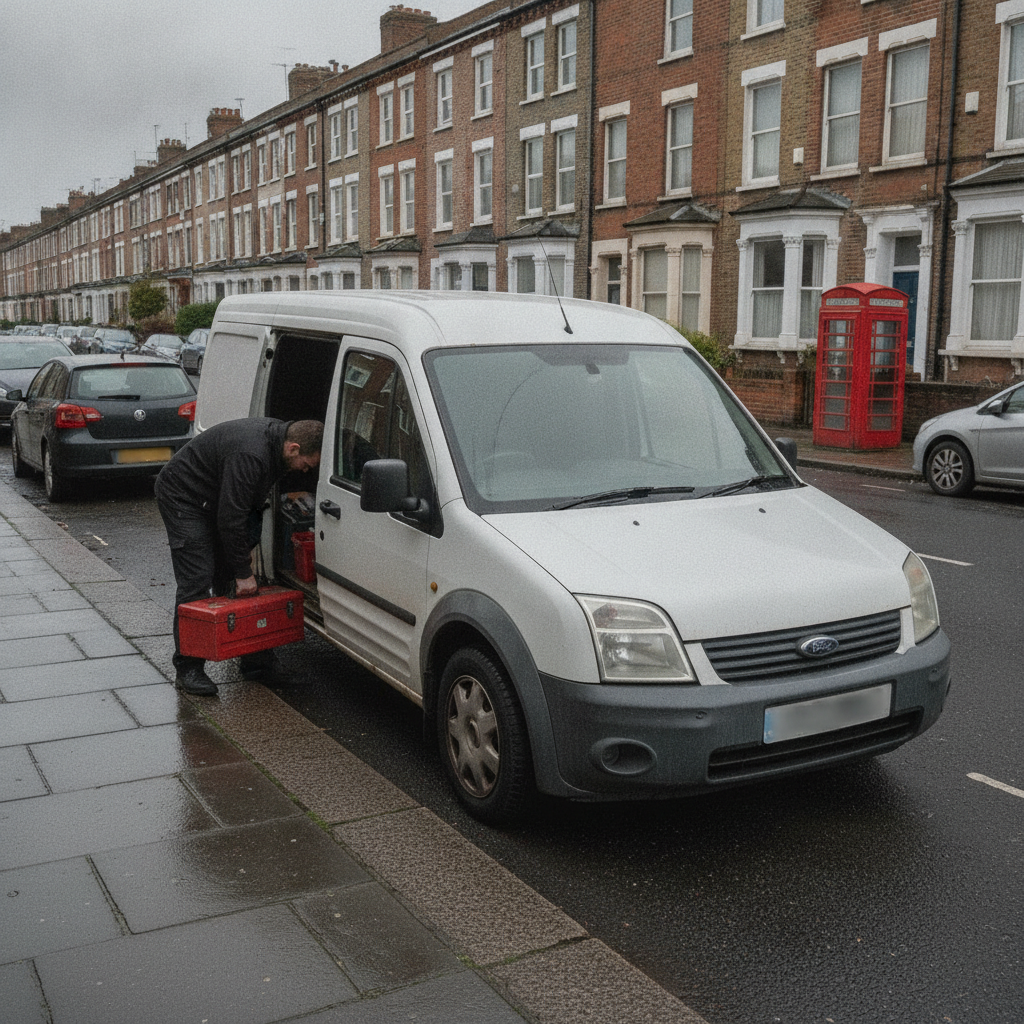
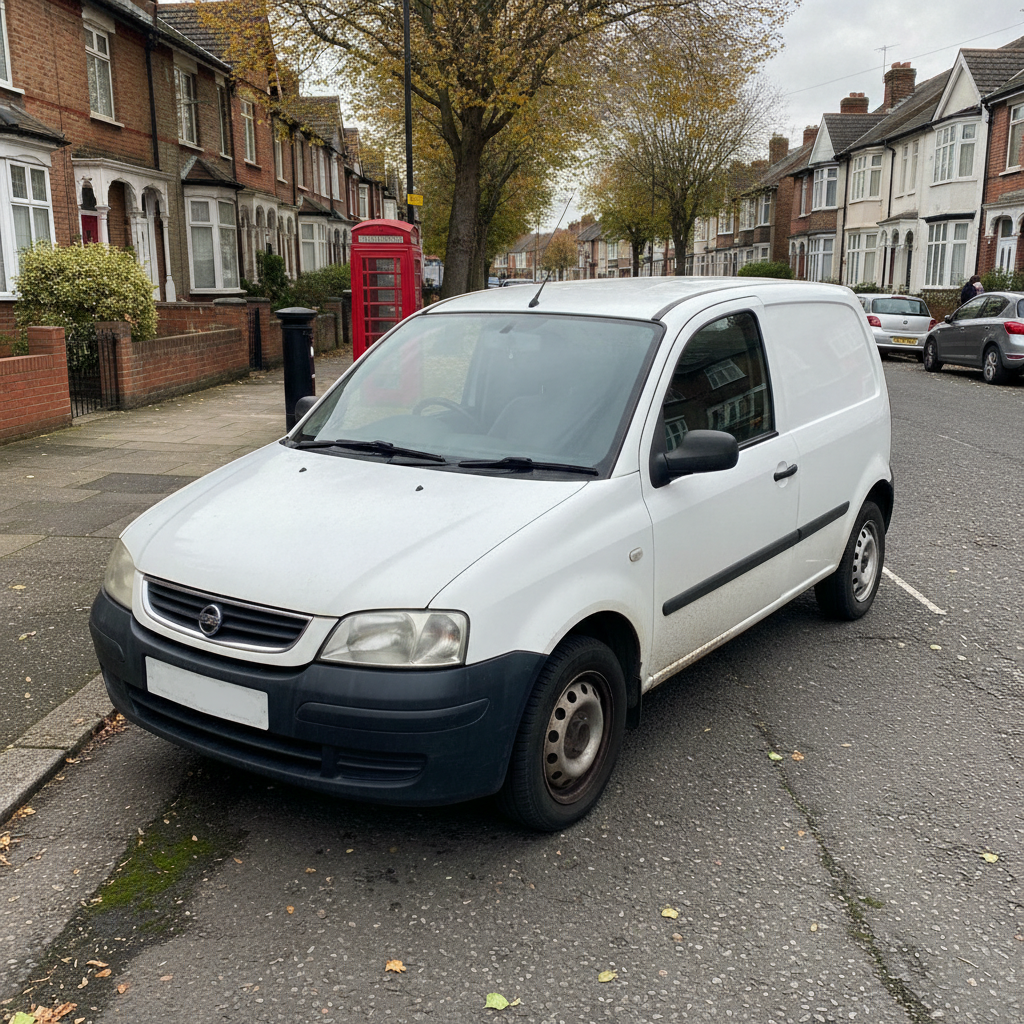
A small van, frequently categorised as a compact light commercial vehicle, is engineered specifically to deliver functional load-carrying capability within the footprint of a standard family car. Unlike traditional medium or long-wheelbase panel vans, which feature heavy ladder-frame underpinnings or towering rooflines, small vans are built primarily on passenger car platforms or bespoke compact chassis. This engineering gives them car-like handling, responsive steering, comfortable seating positions, and compact exterior dimensions that make navigating tight residential streets or parking in standard domestic bays effortless.
Historically, the market included car-derived vans, which were standard passenger hatchbacks with the rear seats replaced by a flat metal load floor and solid rear quarter panels. While true car-derived vans have largely phased out in the UK commercial market, modern purpose-built small vans carry forward that spirit with significantly greater practicality. They feature dedicated, boxy cargo areas, upright sidewalls to maximise internal volume, rear asymmetric barn doors or single lift-up tailgates, and often one or two side-loading sliding doors. They differ from standard panel vans by offering smaller cubic capacities and lower gross vehicle weights, trading cavernous haulage room for superior fuel economy, agile urban usability, and easier garage and multi-storey access.
Who buys small vans and why?
Small vans represent the backbone of local trade work and urban commercial fleets across the UK. Their blend of low operating overheads and practical load volume makes them the primary choice for businesses that do not need to transport oversized materials, such as ten-foot timbers or pallets of bricks, on a daily basis. Instead, they appeal to tradespeople who prioritise secure storage for high-value toolkits, diagnostic machinery, and regular consumable supplies.
- Domestic trades: Plumbers, domestic electricians, central heating engineers, and locksmiths select small vans because they can park directly on customer driveways or along narrow terraced roads without blocking traffic.
- Specialist contractors: Pest control technicians, alarm installers, auto locksmiths, mobile phone repair technicians, and surveyors use them as mobile offices and parts depots.
- Urban delivery and logistics: Local florists, pharmaceutical couriers, bakeries, and dry cleaners rely on small vans for stop-start city deliveries where parking restrictions and low-emission zones are constant hurdles.
- Sole traders and service providers: Mobile valeters, dog walkers, and cleaning contractors appreciate the low floor loading heights and easy-clean rear compartments.
The core motivation for choosing a small van over a medium van is efficiency. Smaller engines mean lower fuel burn, tyre replacements are cheaper, insurance groups are lower, and the vehicles can easily navigate clearance restrictions in underground and multi-storey car parks that would immediately turn away a conventional panel van.
Common small van models in the UK
The UK used van market has a reliable pool of established small van models. Buyers will encounter several class leaders that have dominated registration figures for years, offering strong parts availability and an abundance of experienced independent garages who know how to service them.
- Ford Transit Connect: One of the UK's most prevalent small vans, renowned for its engaging handling, car-like interior layout, and strong resale demand. Later iterations share underpinnings with passenger cars, offering a refined cabin experience. Buyers looking for an even smaller footprint also consider the Ford Transit Courier.
- Citroen Berlingo, Peugeot Partner, and Vauxhall Combo: These three models share the same underlying Stellantis platform (alongside the newer Toyota Proace City). They are exceptionally practical, offering innovative seating configurations, multi-function bulkheads, and efficient diesel and petrol engines.
- Volkswagen Caddy: Positioned at the premium end of the compact sector, the Caddy is known for high cabin build quality, durable materials, strong residuals, and smooth DSG automatic gearbox options. The extended Caddy Maxi variant offers significant extra load length.
- Renault Kangoo: A long-standing European favourite that shares its platform and engineering with the Nissan Townstar and the Mercedes-Benz Citan. It is celebrated for its comfortable ride and practical load bay layout.
- Fiat Doblo: Highly regarded for practical box-shaped proportions and generous carrying capacity relative to its exterior footprint, with later models also integrating into the shared Stellantis manufacturing platform.
Payloads and body dimensions
When shopping for a used small van, understanding physical dimensions and weight ratings is crucial to ensuring the vehicle legally and practically suits your business requirements. Small vans generally come in two primary length configurations: standard wheelbase (often designated as L1 or SWB) and long wheelbase (L2 or Maxi). Roof heights are typically fixed at a standard low height to preserve clearance, though a few older models offered high-roof variants.
Typical load lengths in standard wheelbase models range between 1.5 metres and 1.8 metres along the floor. In long-wheelbase variants, this length expands to between 2.0 metres and 2.15 metres. Many models feature an opening hatch in the steel bulkhead paired with a folding passenger seat, enabling narrow items like copper pipes, conduit, or ladders up to 3.0 metres long to slide safely through into the front passenger footwell. Load volumes generally sit between 3.0 and 3.8 cubic metres for standard models, stretching up to around 4.4 cubic metres in extended variants. Internal load heights typically hover around 1.2 metres, while exterior vehicle heights almost always remain below 1.9 metres, ensuring clearance under standard UK car park barriers.
Payload capacities range widely. Standard models commonly carry between 550kg and 750kg, but several manufacturers engineer heavy-payload variants capable of handling up to 1,000kg or slightly more. These figures vary substantially based on exact engine size, gearbox type, trim level, and fitted accessories such as internal racking or roof bars. Never guess your payload capacity based on broad marketing brochures. Always verify the vehicle identification plate (VIN plate), stamped under the bonnet or on the door pillar, and consult the V5C logbook to confirm the gross vehicle weight (GVW) and unladen mass for that exact registration.
Frequently asked questions
Can a small van fit into standard multi-storey car parks?
Yes, the vast majority of small vans can easily enter standard UK multi-storey and underground car parks. Most compact vans measure between 1.8 metres and 1.88 metres in overall height, keeping them safely under the typical 1.9-metre or 2.0-metre overhead height barrier restrictions. However, always verify overall clearance if you have aftermarket roof racks, pipe carriers, or roof-mounted beacon lights fitted.
Are all used small diesel vans exempt from ULEZ charges?
No, not all used diesel small vans are exempt. To drive within the London ULEZ or provincial Clean Air Zones without paying daily charges, a diesel van must meet Euro 6 emissions standards. As a general rule, Euro 6 became mandatory for newly registered light commercial vehicles in September 2016, so small diesel vans registered prior to this date are usually subject to the daily fee unless certified compliant.
What is the difference between a standard and a maxi or LWB small van?
The primary difference lies in the rear load length and cargo volume. Maxi or long-wheelbase (LWB) small vans have an extended chassis or lengthened rear overhang, adding approximately 30 to 40 centimetres of floor space inside the load bay. This increases total cargo volume from around 3.3 cubic metres to over 4.0 cubic metres, allowing longer tools, pipes, and work equipment to fit flat on the floor.
Can a small van carry an eight-by-four sheet of plasterboard?
Standard small vans cannot accommodate standard 8ft x 4ft (2.44m x 1.22m) building boards flat on the floor with the rear doors closed, as their load floor lengths and internal wheel arch widths are insufficient. Some long-wheelbase variants can carry sheets diagonally or propped on custom internal racking, but trades who regularly haul full-size sheet materials generally require a medium-sized panel van instead.
Do small vans share the same UK road speed limits as cars?
In most cases, purpose-built small vans are legally subject to lower commercial vehicle speed limits on UK roads: 50mph on single carriageways and 60mph on dual carriageways, though the 70mph limit applies on motorways. Only true car-derived vans with a maximum laden weight under 2.0 tonnes share standard passenger car limits. Check your V5C logbook under body type; if it lists the vehicle simply as a van rather than a car-derived van, lower commercial limits legally apply.
Can I reclaim the VAT on a used small van?
You can reclaim the VAT on a used small van only if your business is VAT-registered with HMRC and the vehicle is sold with a valid VAT invoice (advertised as plus VAT). If the van is sold under the second-hand VAT Margin Scheme (often marked as no VAT), there is no separate VAT element charged on the transaction, meaning there is no tax amount to reclaim.