Buying used tipper vans
What Tipper Vans Do Best
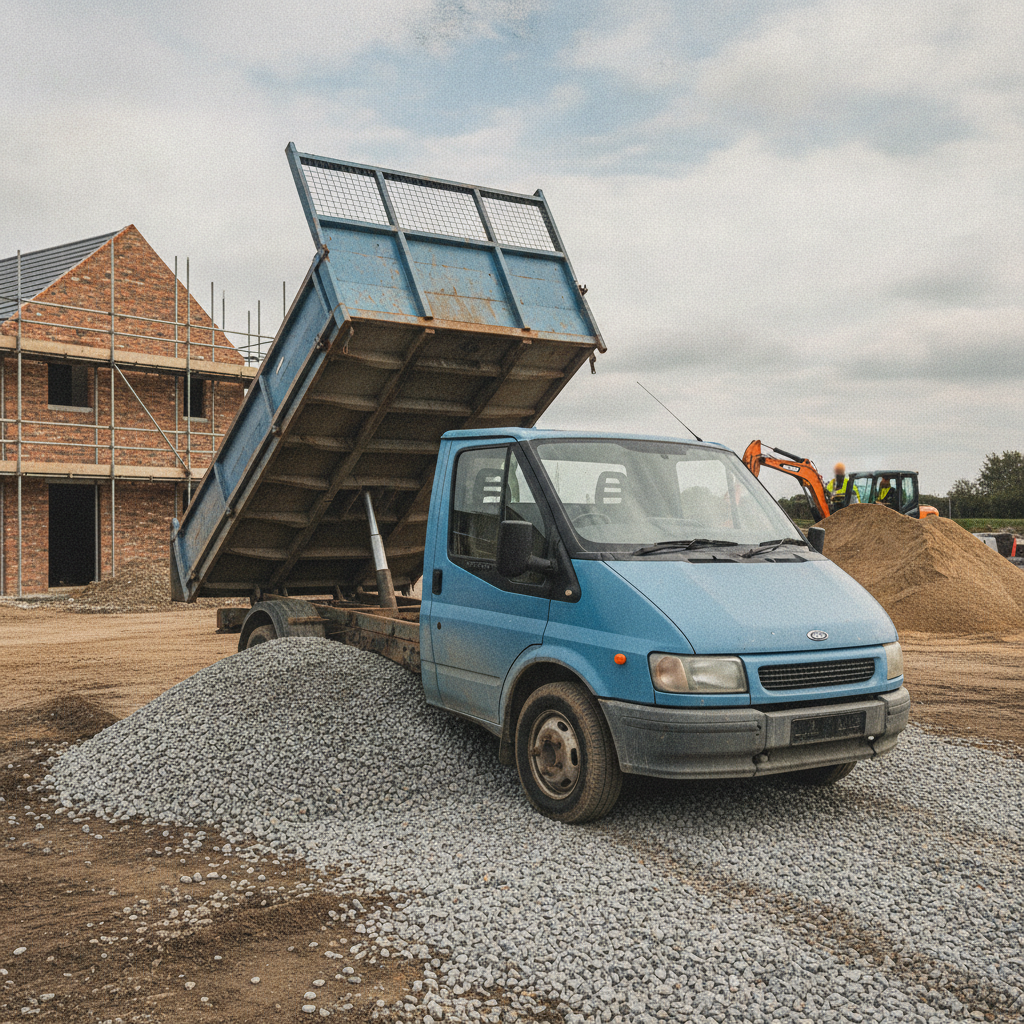
A 3.5-tonne tipper van is the backbone of the UK trade sector. Built on a heavy-duty chassis cab, it replaces manual unloading with a hydraulic underfloor ram that tilts the load bed to discharge loose materials in seconds. If you regularly haul topsoil, crushed stone, ballast, demolition rubble, or site timber, browsing used tipper vans for sale is the most cost-effective way to speed up turnarounds between site runs and the merchant.
Key Specs and Variants to Look For
Not all tippers are built the same. When checking the UK market, you will encounter distinct configurations designed for specific trade requirements:
- Single Cab vs Double Cab: Single cabs give you the maximum bed length (usually 3.1m to 3.4m) and the best payload. Double cabs (crew cabs) carry up to six or seven workers, but the extra cab steel takes a heavy bite out of your legal payload capacity.
- One-Way vs Three-Way Tipping: One-way tippers tip purely over the rear. Three-way tippers feature removable pivot pins allowing side-tipping to the left or right as well as rear-tipping—essential for highway maintenance, tight residential lanes, or discharging aggregate over curbs without blocking traffic.
- Steel vs Alloy Bodies: Steel drop-sides and floors withstand abusive loading from mini-diggers and rubble drops. Aluminium bodies (often made by Brit-Tipp or VFS) are significantly lighter, clawing back 100kg to 150kg of valuable payload.
- Drivetrain: Rear-wheel drive (RWD) with twin rear wheels (duallies) is the trade standard. It provides the traction required to pull out of wet fields and muddy building plots when loaded down.
- Payload Reality: Remember that a standard 3.5-tonne vehicle driven on a standard UK car licence (Cat B) leaves roughly 900kg to 1,250kg for actual payload once the cab, hydraulic ram, battery, and bodywork are factored in.
Used Tipper Van Market Prices
Pricing across the UK depends heavily on emissions compliance, condition, and commercial mileage. Typical price brackets in the current market exclude VAT:
- £5,000 to £9,000: Older workhorses (2012–2016) with 100,000 to 160,000+ miles. Many will be Euro 5, meaning daily charges inside London's ULEZ or clean air zones in Birmingham, Bristol, and Bath. Expect cosmetic wear and heavy-duty use.
- £10,000 to £16,000: The sweet spot for independent builders. Vehicles from 2017 to 2020, generally Euro 6 compliant (Ford Transit 2.0 EcoBlue, Iveco Daily 35C, Mercedes-Benz Sprinter). Expect 50,000 to 90,000 miles with proven service history.
- £17,000 to £25,000+: Late-plate vehicles (2021 to 2023) with under 40,000 miles, pristine hydraulics, factory warranty remaining, and premium bodies with toolboxes or high-sided greedy boards.
Crucial Mechanical and Body Checks
Tippers lead hard lives. When inspecting used tipper vans for sale, look beyond shiny bodywork and check for structural stress and chronic overloading:
- The Hydraulic Ram and Pump: Raise the bed fully using the wander lead. The ram should extend smoothly without groaning or stuttering. Look for hydraulic fluid leaks along the seals and inspect the chrome ram for pitting or scratches. Ensure the manual safety prop is present and engages securely.
- Subframe and Chassis Rails: Crawl underneath. Look for bends or cracked welds on the auxiliary subframe where the ram mounts. Overloaded tippers frequently bend chassis rails behind the cab. Inspect for severe rust around the rear spring mounts.
- Rear Suspension: Check the leaf springs. Cracked or inverted leaves indicate consistent overloading. Look at the rear bump stops; if they are crushed flat or missing, the van has been worked beyond its legal gross vehicle weight.
- Clutch and Transmission: RWD commercial gearboxes endure brutal clutch-slipping when reversing uphill with wet ballast. Listen for dual-mass flywheel rattles at idle and check for smooth gear selection.
- Service Records: Look for strict 10,000 to 15,000-mile oil changes. Hard-working diesel engines with heavy thermal cycling will suffer premature turbo and DPF failure if servicing has been neglected.
Who Should Buy a Tipper Van?
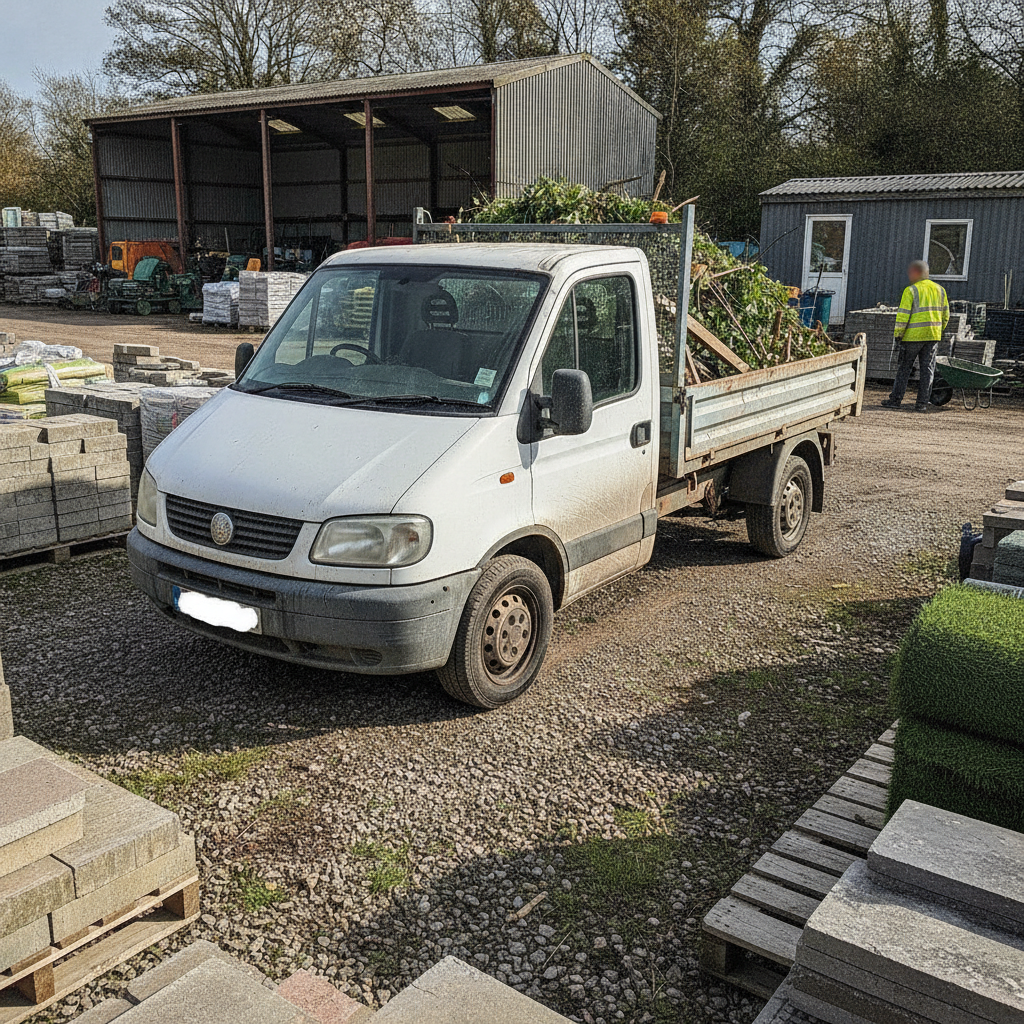
Used tipper vans for sale suit operators who routinely move loose bulk waste or building aggregates. Groundworkers, hard landscapers, general builders, scaffolders, and civil contractors will recover their investment quickly through saved labour hours. If you prune trees or clear site waste, look specifically for a tipper fitted with an aluminium chip hood or mesh greedy boards. For trades shifting palletised goods, boxed tools, or dry cargo, a curtain-sider or standard panel van remains the better choice.