
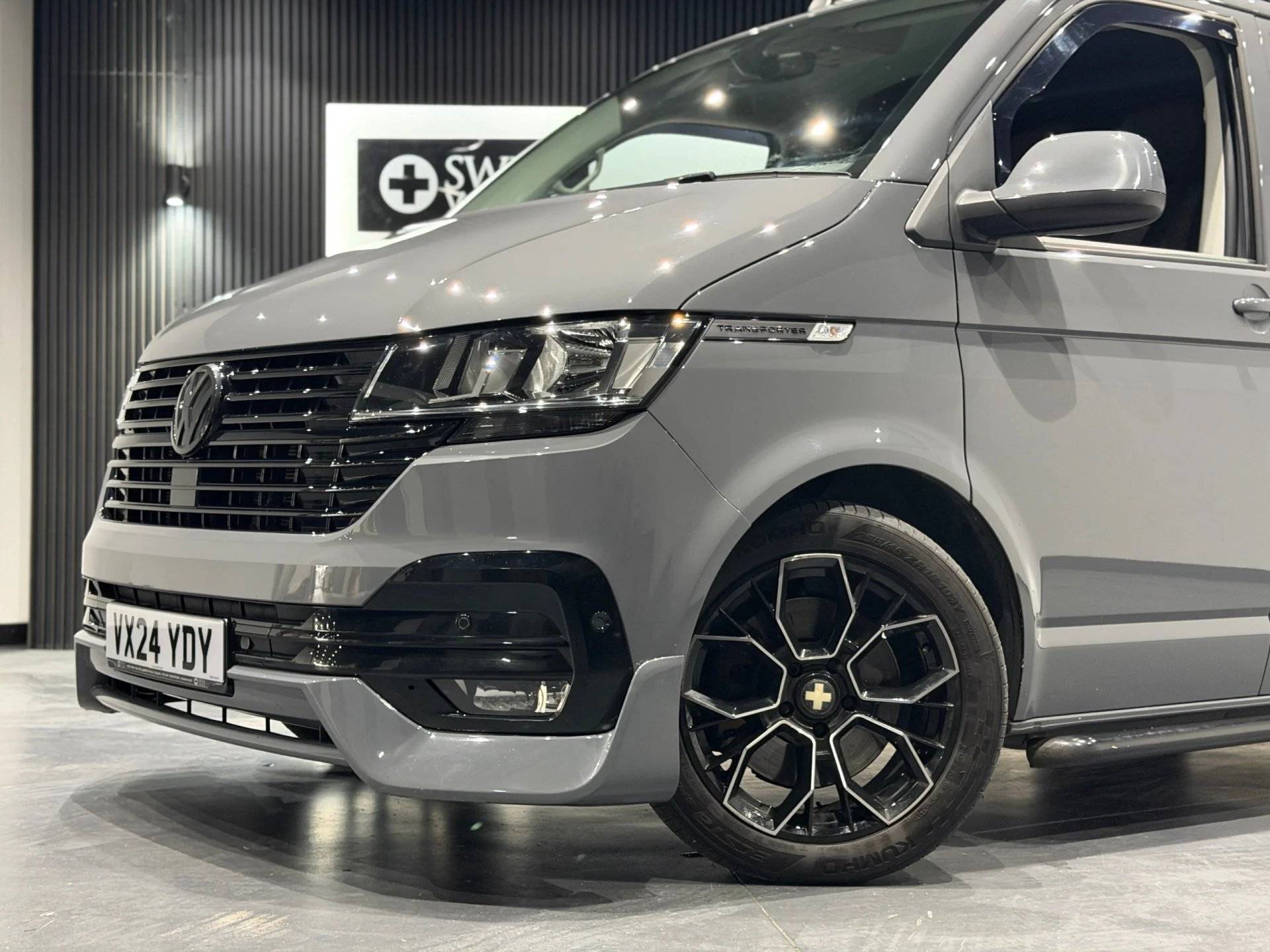
Featured
ULEZ ✓Swiss VansBridgend
Volkswagen Transporter Kombi SWB 150 DSG T32 Highline TDI Semi-Auto
2024 · 39,539 mi · Diesel
T32 Highline TDI Semi-Auto
£36,999+ VAT
Auto
Swiss VansBridgend
2024 · 39,539 mi · Diesel
T32 Highline TDI Semi-Auto
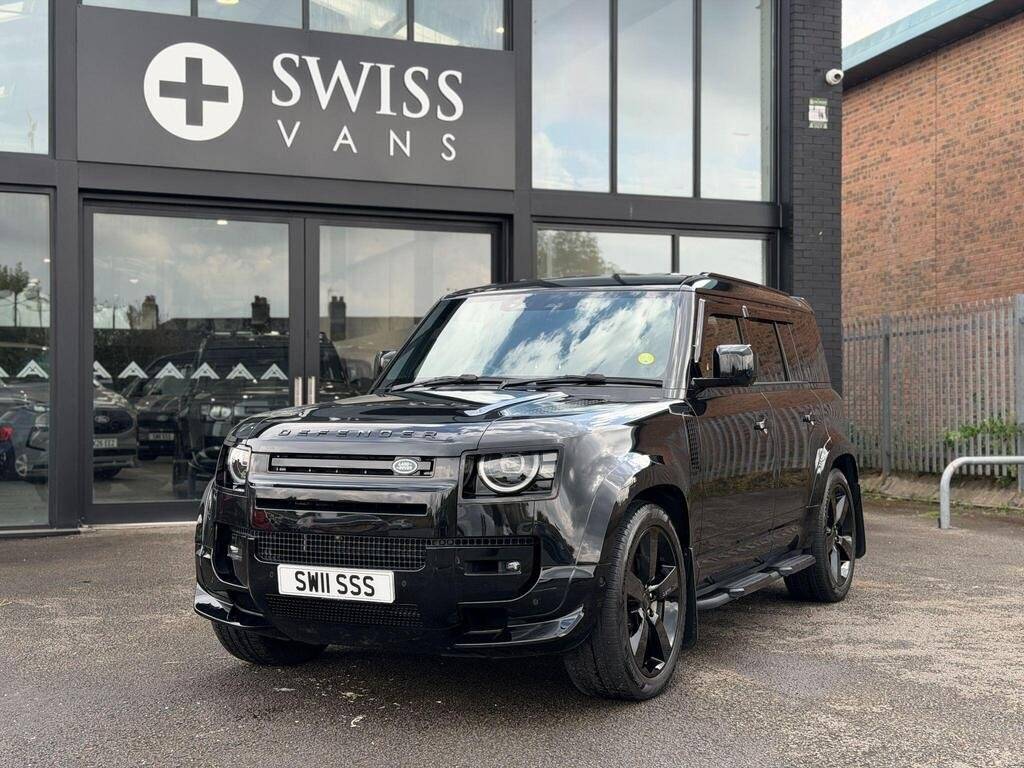
Swiss VansBridgend
2026 · 5,667 mi · Diesel
Hard Top X-Dynamic HSE D MHEV Automatic
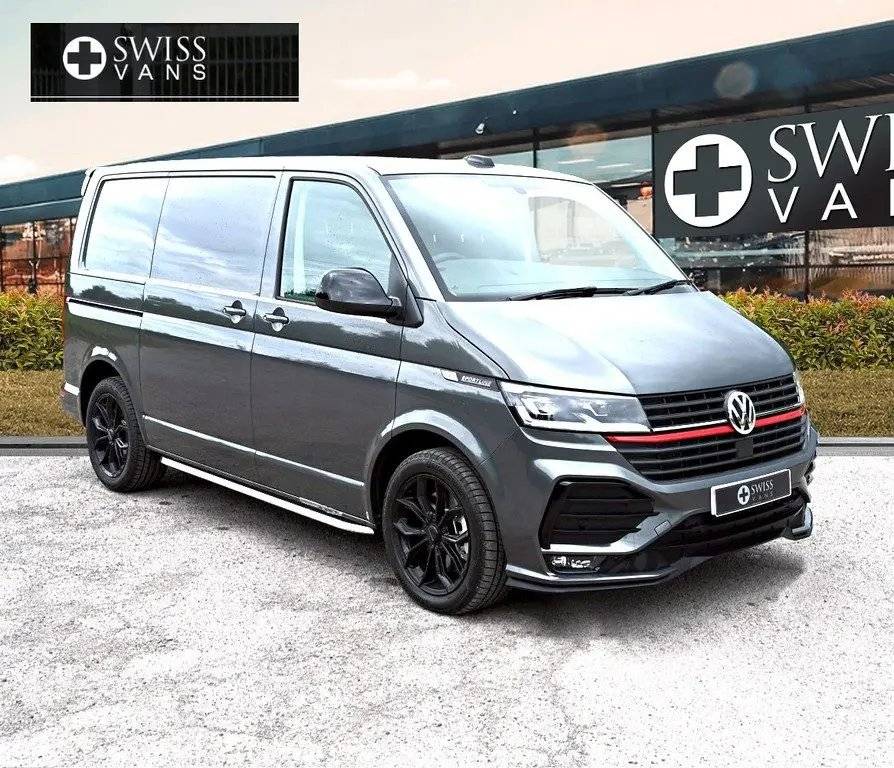
Swiss VansBridgend
2023 · 29,995 mi · Diesel
T32 Highline TDI Semi-Auto
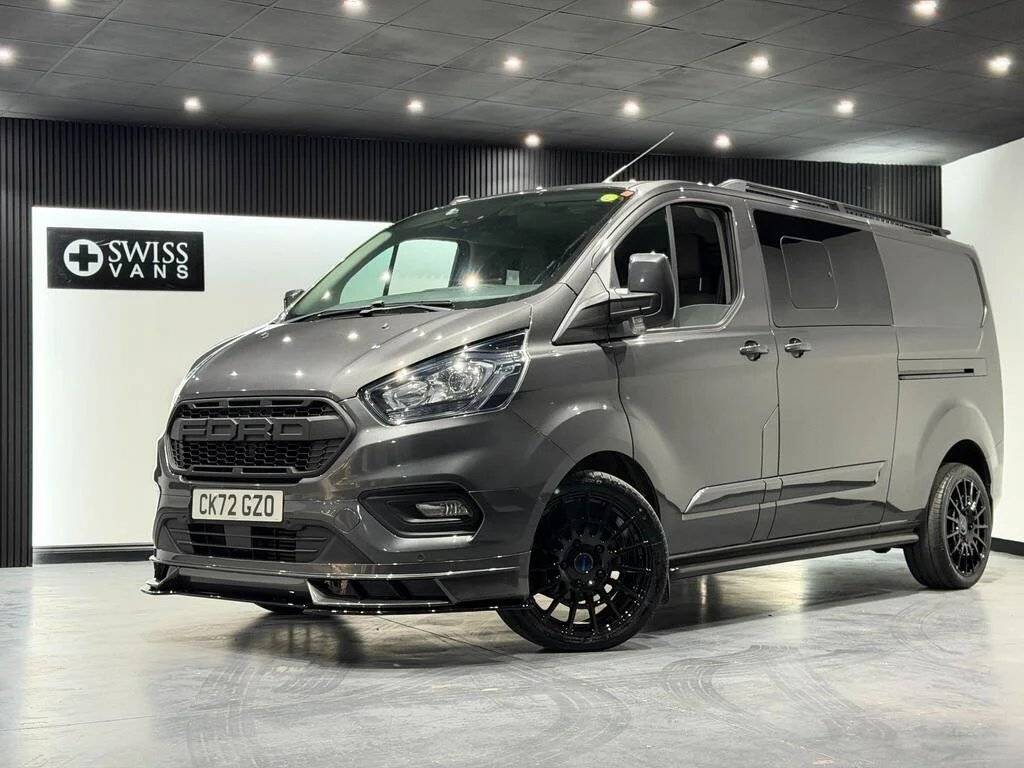
Swiss VansBridgend
2022 · 44,108 mi · Diesel
320LMTD EBLUE A
An automatic van removes the need for manual clutch operation and gear shifting, providing a two-pedal driving setup that significantly changes the driving experience compared to a standard manual panel van. While the external bodywork, cargo volume, and overall footprint of an automatic van are virtually identical to its manual sibling, the internal drivetrain differs substantially. In the UK used market, automatic vans generally feature one of four distinct transmission types: traditional torque-converter automatics, dual-clutch transmissions, automated manual transmissions, or single-speed direct-drive setups found in modern electric vans.
Torque-converter units, common in vans from Ford and Mercedes-Benz, use hydraulic fluid coupling to deliver exceptionally smooth low-speed movement, making them durable for heavy towing and constant stop-start traffic. Dual-clutch systems, such as Volkswagen DSG or Renault EDC, employ two separate computer-controlled clutches for odd and even gears, offering lightning-fast, seamless shifts and improved fuel efficiency on open roads. Older or budget vans sometimes feature automated manual systems, which utilise an electronically controlled single clutch; these can feel hesitant between gear changes and require specific maintenance attention. Modern electric commercial vehicles bypass standard multi-ratio gearboxes altogether, using a single-speed direct drive that provides continuous, instantaneous torque with no gear changes at all.
Demand for used automatic commercial vehicles in the UK has surged across multiple industries. What was once seen as an expensive luxury option is now recognised as an essential operational tool for reducing driver fatigue, protecting mechanical components, and increasing workplace productivity.
The UK pre-owned marketplace features a wide variety of automatic vans, ranging from compact city runabouts to large heavy-chassis commercial vehicles. Several makes and models have built a strong track record for reliability and availability.
In the medium-van category, the Ford Transit Custom automatic is one of the most widespread choices, utilising a smooth six-speed SelectShift torque-converter transmission paired with the EcoBlue diesel engine. The Volkswagen Transporter, spanning the T5.2, T6, and T6.1 generations, is renowned for its seven-speed DSG dual-clutch gearbox, which offers refined car-like shifting. The Stellantis medium platform—encompassing the Vauxhall Vivaro, Peugeot Expert, Citroen Dispatch, and Toyota Proace—frequently features an eight-speed EAT8 automatic gearbox that delivers an excellent balance of motorway cruising refinement and fuel economy.
For operators requiring maximum space, the full-size Mercedes-Benz Sprinter sets a high benchmark, fitted with either the venerable 7G-Tronic seven-speed or the more recent 9G-Tronic nine-speed automatic transmission. The full-size Ford Transit two-tonne also offers robust automatic options, including heavy-duty rear-wheel-drive configurations. Among smaller car-derived vans, the Volkswagen Caddy DSG and the Ford Transit Connect automatic dominate the second-hand listings, offering nimble town driving and strong residual values.
Automatic commercial vehicles are offered in the same structural formats as manual vans, including short, medium, and long wheelbases, alongside standard, high, and extra-high roof profiles. However, the presence of an automatic transmission does have an effect on your usable carrying capacity. Automatic gearboxes, torque converters, auxiliary fluid coolers, and mechatronic control units add physical weight—often between fifteen and forty kilograms compared to equivalent manual transmissions—which reduces the net legal payload by the exact same amount.
As a broad working guide, compact automatic vans generally deliver load lengths between 1.5 and 1.8 metres, carrying capacities between 3.0 and 4.0 cubic metres, and payloads typically ranging from 550kg to 850kg. Medium-sized automatic vans typically provide load lengths between 2.4 and 2.9 metres, load volumes from 5.0 to 6.5 cubic metres, and legal payloads between 850kg and 1,250kg depending on the chosen gross vehicle weight rating. Large three-and-a-half-tonne panel vans can accommodate load lengths up to 4.3 metres, internal volumes exceeding 14 cubic metres, and payloads between 1,000kg and 1,500kg.
Because exact payload varies widely based on factory equipment, bulkhead configuration, factory ply-lining, and gearbox mass, never rely on general manufacturer marketing estimates. You must inspect the vehicle identification number plate, located either on the passenger door pillar or under the bonnet, and examine the vehicle V5C logbook to confirm the gross vehicle weight, unladen mass, and train weight before purchase.
A thorough pre-purchase evaluation of a used automatic van requires careful attention to both general mechanical health and transmission-specific systems. Replacing or rebuilding an automatic transmission can be costly, making diagnostic diligence essential during your inspection.
Used automatic commercial vehicle pricing is shaped by age, overall mileage, service history, and environmental compliance status. Automatic gearboxes carry a price premium over manual equivalents on the used market due to sustained buyer demand and limited initial supply.
Entry-tier choices generally comprise older vans with higher mileage, typically exceeding eight to ten years of age or with substantial six-figure odometer readings. While these vehicles provide the lowest financial barrier to entry, buyers must prioritise full gearbox service paperwork and budget for potential transmission servicing or mechatronic refurbishment.
Mid-tier vehicles represent the core of the pre-owned market. These are typically four to seven years old, featuring moderate mileage and modern, efficient transmissions such as six-speed or eight-speed automatics. Most vans in this band feature Euro 6 diesel engines, complete maintenance documentation, and lower overall body wear, making them dependable choices for independent trades and small fleet operators.
The upper tier consists of late-model, low-mileage commercial vehicles, typically one to three years old with low recorded mileage, often originating from ex-lease or corporate fleets. These vans command top-tier pricing because they frequently carry remaining manufacturer warranties, feature nine-speed or modern dual-clutch transmissions, and include high-specification infotainment and driver-assist safety packages. Because the market moves quickly and supply fluctuates, check live listings on the Vansales marketplace to view current market asking prices across all makes and sizes.
Yes. Modern commercial automatic transmissions from manufacturers like Mercedes-Benz, Ford, and Stellantis are engineered specifically to handle heavy commercial payloads and continuous towing, provided they are maintained with regular fluid and filter changes.
Older automatic vans were noticeably heavier on fuel, but modern seven, eight, and nine-speed automatic gearboxes feature wide ratio spreads that keep engine revs very low at cruising speeds, delivering fuel consumption figures comparable to manual gearboxes.
They can sit in slightly higher insurance groups than their manual counterparts due to the higher replacement and repair costs associated with complex electronic transmission control units, torque converters, and mechatronic assemblies.
Yes, provided the van meets the relevant emissions criteria. For diesel commercial vehicles, this means meeting Euro 6 standards, which are standard on almost all commercial vans registered from September 2016 onwards.
Service intervals vary by manufacturer and transmission type. Dual-clutch gearboxes typically require oil and filter changes every forty thousand miles, whereas torque-converter automatics vary from sixty thousand miles to extended service schedules. Always consult the vehicle service manual.
If you are a VAT-registered business and the van is a VAT-qualifying commercial vehicle used for business purposes, you can generally reclaim the full VAT element on your periodic VAT return. Margin scheme vehicles do not allow VAT reclamation.
Leave your details and what you need, and we will come back to you.