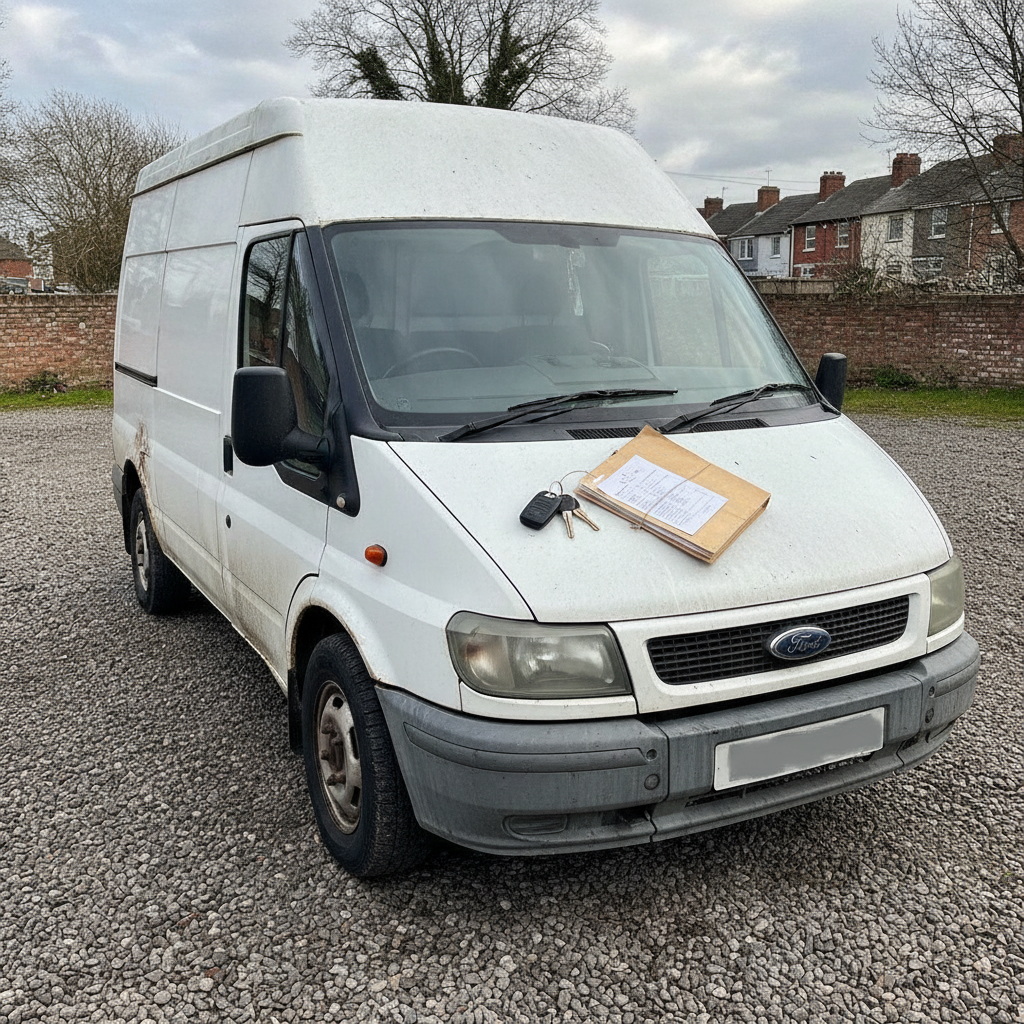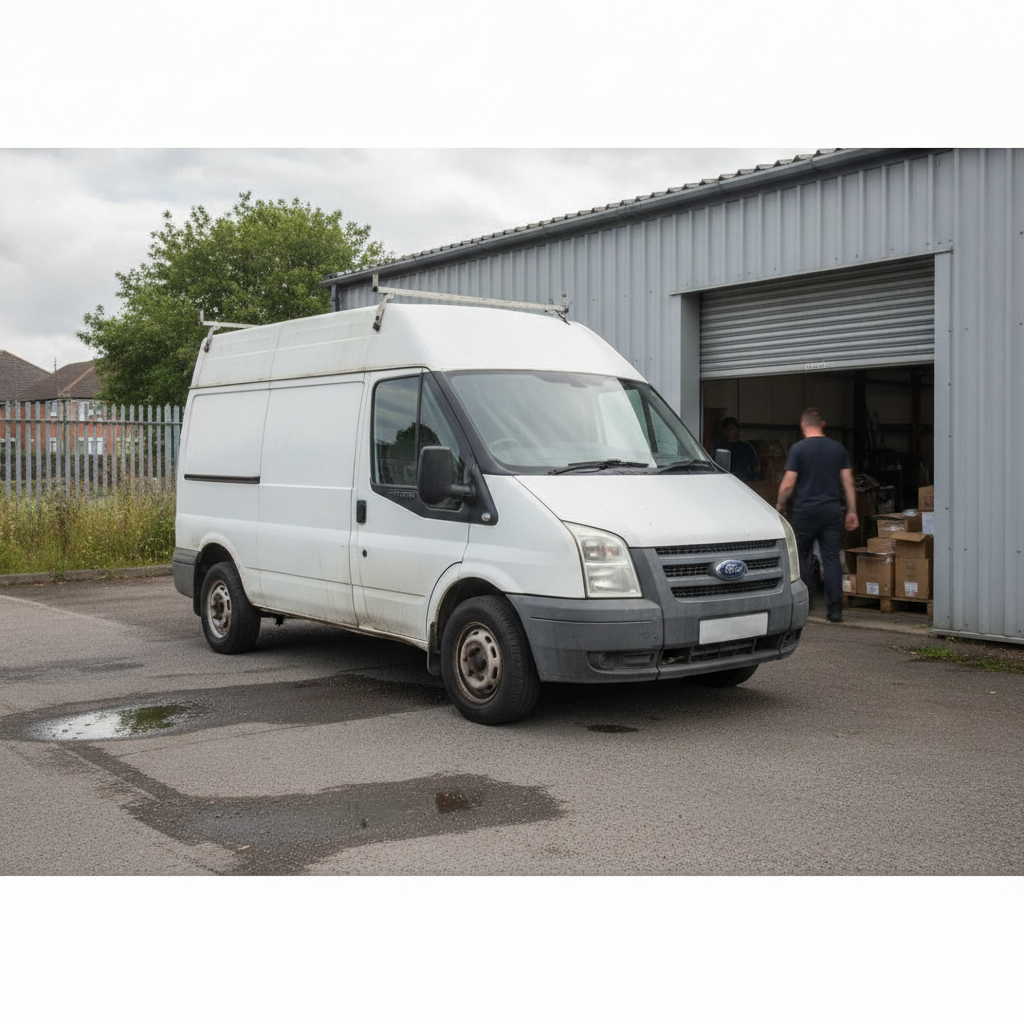
Buying used no VAT vans
Understanding No VAT Vans and How They Differ
In the UK commercial vehicle market, the majority of vans carry Value Added Tax on top of their advertised asking price. When browsing light commercial vehicles, standard panel vans are typically sold by VAT-registered businesses or franchised dealerships with an additional twenty percent added to the hammer price. A used no VAT van, however, is a vehicle where no VAT is payable on top of the listed figure.
A no VAT van is not a distinct body style, but rather a classification defined by its commercial tax status. Structurally, these vehicles are identical to conventional light commercial vehicles, spanning compact city vans, mid-sized workhorses, long-wheelbase high-roof panel vans, crew cabs, and chassis cabs. The distinction lies in ownership and tax history. Most commercial panel vans enter the road network as company fleet assets, where the purchasing business reclaims the initial input tax. Subsequent sales between VAT-registered entities must account for output tax, adding twenty percent to the invoice.
In contrast, a van listed with no VAT has usually fallen out of the commercial VAT cycle. This typically occurs when a private individual purchases the van, when it is sold by a non-VAT registered sole trader, or when an independent motor dealer sells the vehicle under the Second-Hand Margin Scheme. For the buyer, this means the headline price on the screen is the final price paid for the vehicle itself, avoiding a substantial secondary tax outlay at the point of sale.
Who Buys No VAT Vans and Why
The primary buyers of no VAT commercial vehicles are individuals and businesses that cannot reclaim input tax from HM Revenue and Customs. If an enterprise is not VAT-registered, any tax paid on vehicle acquisition becomes a permanent, unrecoverable cost that directly eats into operational capital and profit margins.
- Sole Traders and Small Independent Businesses: Tradespeople operating below the mandatory VAT registration threshold, such as local painters and decorators, domestic window cleaners, handymen, independent domestic plumbers, and mobile locksmiths, favour these vehicles to preserve upfront working capital.
- Lifestyle Users and Hobbyists: Private motorists needing a capable load carrier for outdoor hobbies, such as transporting dirt bikes, mountain bikes, kayaks, or camping gear, choose no VAT vans because standard private buyers have no mechanism to offset commercial tax.
- Campervan Converters: Self-build camper enthusiasts frequently target panel vans without VAT. A conversion project requires significant expenditure on insulation, electrical systems, and cabinetry; eliminating a twenty percent tax premium on the base vehicle frees up vital funds for the interior fit-out.
- Small Couriers and Delivery Drivers: Freelance multi-drop delivery drivers working as unregistered sole traders look for these vans to lower their entry barriers and vehicle capital expenditure.
- Musicians and Touring Bands: Performing artists requiring reliable transport for backline amplifiers, drum kits, and PA gear rely on second-hand commercial vehicles without wanting commercial tax overheads.
Common Models Found in the UK Used Market
Because any commercial model can become a no VAT vehicle once it transitions out of the commercial tax pool, buyers will encounter a broad cross-section of trusted UK commercial nameplates.
- Small Car-Derived and Compact Vans: The Citroen Berlingo, Peugeot Partner, and Ford Transit Connect are prevalent in the no VAT sector. These models are popular with hobbyists and small local trades due to car-like driving dynamics, excellent fuel efficiency, and accessible replacement components.
- Medium Panel Vans: The Ford Transit Custom is the most common model in this class, offering widespread parts availability and familiar mechanical layouts. Other mainstays include the Vauxhall Vivaro, Volkswagen Transporter, and Renault Trafic. Medium vans are heavily sought after by both building trades and camper converters.
- Large Commercial Vans: Full-sized vans such as the long-wheelbase Ford Transit, Mercedes-Benz Sprinter, Peugeot Boxer, and Citroen Relay regularly appear without VAT. These larger platforms cater to removals, bulky freight transit, and heavy trade usage.
- Car-Derived Utility Vans: Smaller options like the Vauxhall Corsavan or Ford Fiesta Van offer compact footprints and lower insurance groupings for light utility roles.
Typical Payload and Body Dimension Ranges
Load carrying capability and interior dimensions mirror those of regular commercial vans, but specifications vary widely depending on wheelbase length, roof height, and drivetrain configuration.
- Compact Vans: Typically provide load lengths between 1.5 metres and 1.8 metres, with load volumes spanning 3.0 to 4.4 cubic metres. Payloads generally range from roughly 600 kilograms to 1,000 kilograms depending on axle uprates.
- Medium Panel Vans: Often feature internal cargo lengths between 2.4 metres and 2.9 metres, accommodating standard eight-by-four-foot sheets. Cargo volumes hover between 5.5 and 8.5 cubic metres, with payload ratings running from approximately 850 kilograms to 1,400 kilograms.
- Large Panel Vans: Cargo beds extend from 3.0 metres to over 4.5 metres on extended variants, with internal heights permitting standing room up to 2.1 metres. Capacities range from 10 to beyond 15 cubic metres, while payloads span from roughly 1,000 kilograms to 1,500 kilograms on a standard 3.5-tonne chassis.
Payload capacity is calculated by subtracting the vehicle kerb weight from its Gross Vehicle Weight (GVW). Never rely on general approximations when planning trade operations. Always check the vehicle identification plate, usually stamped under the bonnet or inside the passenger door frame, alongside the V5C registration document to confirm exact weight limits for that specific registration.
What to Check When Buying a Used No VAT Van
Purchasing a van without VAT requires thorough inspection, as these vehicles may have experienced diverse duty cycles ranging from gentle private domestic use to hard trade service without fleet-level maintenance schedules.
- Paperwork and VAT Integrity: Verify that the seller is legitimately advertising the vehicle without VAT. Request a clear sales receipt stating that zero VAT is charged. Ensure the V5C logbook details match the vehicle identification number (VIN) on the chassis plate and windscreen base. Commission an independent provenance check to confirm clear title, ensuring there is no outstanding finance or undisclosed insurance write-off markers.
- Service Records: Vehicles outside large corporate fleets may lack structured main-dealer service histories. Look for stamped maintenance books, independent workshop invoices, and valid MOT certificates to confirm oil services, timing belt or timing chain replacements, and brake fluid flushes were completed at correct intervals.
- Engine and Drivetrain: Inspect the engine from a completely cold start. Look for smooth idling, the absence of knocking or valvetrain rattles, and check for excessive exhaust smoke. Blue smoke indicates engine oil burning; thick black smoke suggests fuelling or boost leaks; white smoke points to coolant consumption or head gasket failure. Check clutch bite points and test the gearbox across all ratios for worn synchromesh rings.
- Emissions Hardware: Check that the Diesel Particulate Filter (DPF) and Selective Catalytic Reduction (AdBlue) systems are intact and operating without warning lights on the dashboard. Bypassed or deleted emissions hardware constitutes an automatic MOT failure and renders the van unroadworthy under UK law.
- Structural Condition and Load Area: Remove ply-lining floor sections if possible to inspect the steel cargo floor for severe corrosion, chemical spills, or puncture damage caused by forklifts. Examine structural sills, wheel arches, and suspension mounting points for rust, structural cracks, or substandard accident repairs.
Indicative Used Price Bands by Age and Mileage
Used vehicle prices fluctuate continually based on seasonal demand, supply trends, and geographic region. Rather than fixed sums, consider no VAT vans across distinct market tiers, and always consult live listings on Vansales.com for real-time valuations.
- Entry-Level / Budget Workhorses: Older vans, typically past ten years of age with high recorded mileages, occupy the entry segment. These vehicles suit low-mileage local trades, light property maintenance, or rudimentary site tasks. Expect cosmetic wear, higher maintenance demands, and older emissions standards.
- Mid-Tier Practical Vans: Covering vehicles roughly six to ten years old with moderate recorded mileages. Vans in this tier often balance mechanical longevity with sensible purchase costs, representing a strong intersection of value for domestic trade sole traders and private lifestyle buyers.
- Premium / Late-Plate Vans: Nearly new or younger commercial vehicles with low mileages, comprehensive service documentation, and clean exterior condition sit at the top of the price ladder. These vans often originate from private conversions, demonstrator units, or non-VAT sole traders updating early in the vehicle lifecycle.
Frequently asked questions
Why do some used vans not have VAT?
Vans are sold without VAT when they have left the commercial VAT stream. This usually happens when an individual buys a van privately, when a sole trader who is not VAT-registered sells their vehicle, or when a dealer sells a vehicle under the Second-Hand Margin Scheme where tax is applied only to the dealer margin rather than the full price.
Can a VAT-registered business buy a no VAT van?
Yes, any business can legally purchase a no VAT van. However, because no input VAT is charged on the purchase invoice, the purchasing business cannot reclaim twenty percent from HMRC, which means there is no tax benefit for an enterprise already registered for VAT.
Are no VAT vans cheaper than standard commercial vans?
For buyers who cannot reclaim VAT, they are significantly more cost-effective upfront because you do not have to pay twenty percent on top of the vehicle price. However, dealers price vehicles according to market value, so the base asking price of a no VAT van often reflects prevailing market demand.
Can I finance a van advertised with no VAT?
Yes, standard finance products like Hire Purchase are available on no VAT commercial vehicles. The primary benefit is that you do not need to provide the twenty percent VAT element in cash as part of your initial deposit.
Does buying a no VAT van mean it is exempt from ULEZ charges?
No, VAT status has no relationship with emissions compliance. To drive within the London ULEZ or regional Clean Air Zones without paying daily charges, a diesel van must meet Euro 6 standards and a petrol van must meet Euro 4 standards, regardless of how VAT was charged.
How can I verify that a van genuinely has no VAT to pay?
Review the seller advertisement, confirm the final balance on the preliminary invoice, and inspect the dealer billing paperwork. If the vehicle is sold under the Margin Scheme or by a non-VAT registered seller, the invoice will state zero VAT payable or specify that no VAT is charged.