Buying used chassis cabs
Understanding the Chassis Cab Body Type
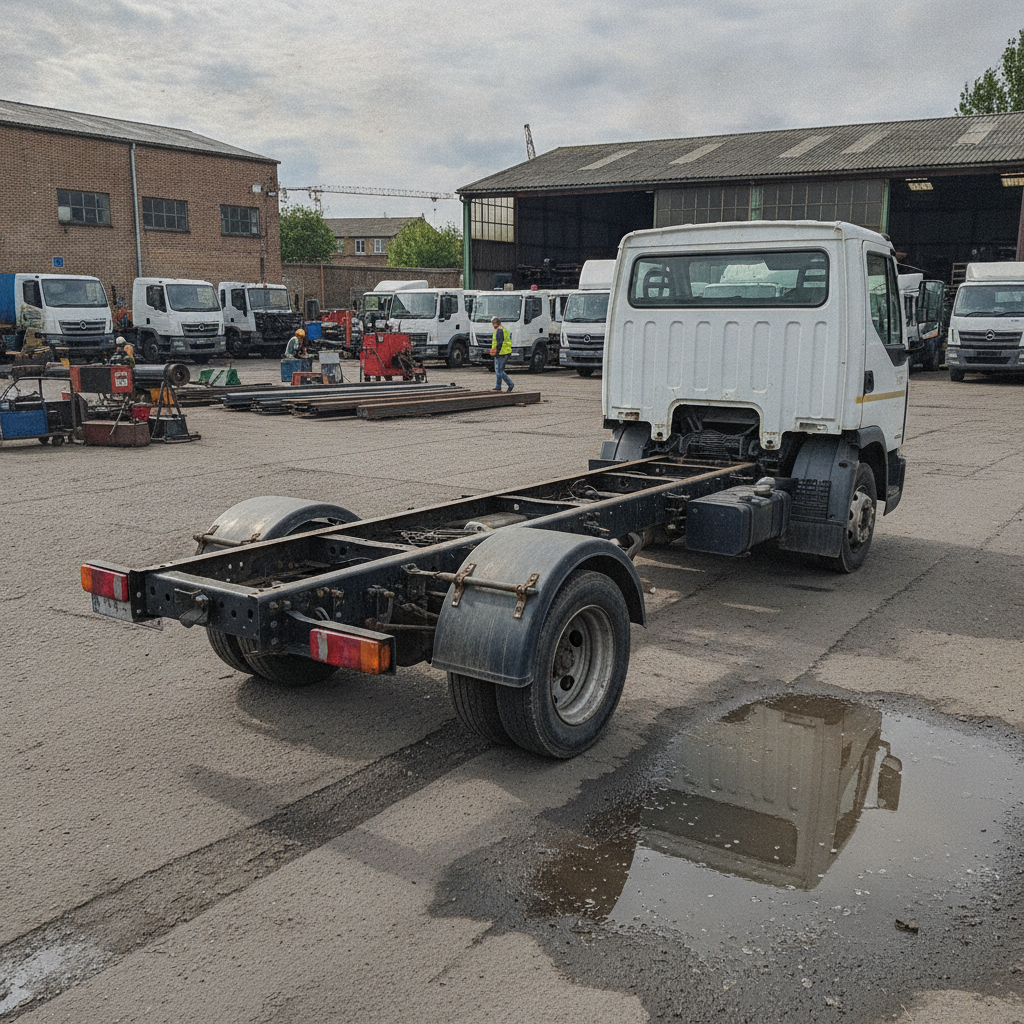
A chassis cab is a versatile commercial vehicle platform consisting of an enclosed front cabin mounted on an exposed structural ladder-frame chassis. Unlike a standard panel van, which features an integrated, factory-stamped metal cargo body sharing structural rigidity with the passenger cabin, a chassis cab arrives from the factory with an open frame behind the cab seats. This exposed rear chassis rail assembly contains the drivetrain, rear axle, suspension, fuel tank, and exhaust systems, leaving the load area completely open for bespoke bodywork, specialist equipment, or modular cargo conversions.
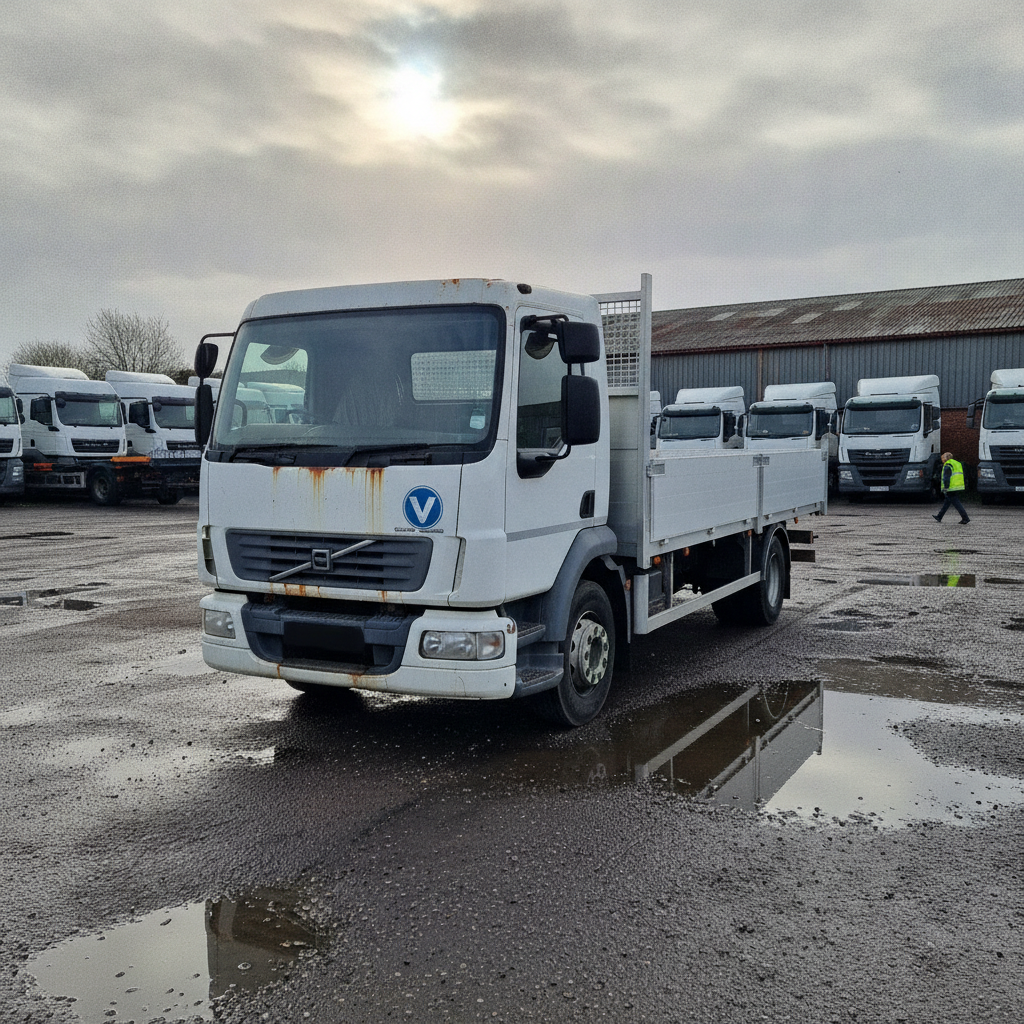
In a standard factory panel van, the roof, load bay walls, and floor panels form a monocoque or semi-monocoque shell. While this provides excellent all-weather protection and structural stiffness for standard courier parcels, it strictly confines your operational footprint to the manufacturer's exact internal volume, door openings, and roof height. By contrast, a chassis cab acts as a blank engineering canvas. Commercial operators can mount specialist bodies such as dropsides, three-way tippers, high-cube Luton boxes with tail lifts, curtain-siders, beavertails, vehicle recovery beds, or municipal waste apparatus directly onto the frame rails.
Chassis cabs are typically available in two cabin formats: single cab and crew cab (often called a double cab). A single cab prioritises frame length and payload capacity, providing seating for a driver and either one or two passengers across a bench seat. A crew cab features a second row of seating with dedicated rear passenger doors, comfortably transporting a workforce of six or seven operatives to a job site while still leaving sufficient rear chassis length for tools, plant equipment, or loose bulk materials.
Trades and Industries That Rely on Chassis Cabs
Because of their adaptability, chassis cabs form the backbone of several primary UK industrial sectors. Businesses choose chassis cabs when off-the-shelf panel vans cannot accommodate the dimensions, weight distribution, or loading methods demanded by their daily work.
- Building and Construction: General builders, groundwork contractors, and civil engineers routinely operate chassis cabs fitted with dropside or tipper bodies. Dropsides allow rapid access for forklift loading of pallets, timber, and aggregate bags, while hydraulic tippers make light work of discharging sand, gravel, and demolition rubble.
- Landscaping, Forestry, and Tree Surgery: Arborists and landscape gardeners favour crew cab tippers, often fitted with high-sided mesh extensions or fully enclosed chip boxes. These vehicles carry a full work crew, chainsaws, and rigging equipment inside the cab, leaving the rear bed dedicated to carrying bulk soil, mulch, or wood chippings directly from site.
- Logistics, Removals, and Freight: Furniture removal companies, home delivery fleets, and pallet network couriers demand maximum volumetric capacity. Chassis cabs fitted with Luton or box bodies provide vertical load walls and an over-cab storage pod that vastly out-measures the load volume of standard large panel vans. When fitted with a column or tuckaway tail lift, loading heavy white goods and crated machinery becomes safer and faster.
- Vehicle Recovery and Plant Transport: Specialist vehicle recovery operators and plant hire firms utilise long-wheelbase chassis cabs fitted with lightweight aluminium beavertail ramps or slide-bed recovery bodies, complete with electric winches to transport cars, vans, access platforms, and mini excavators.
- Utilities, Infrastructure, and Local Authorities: Highway maintenance teams, street lighting contractors, and telecommunications engineers use chassis cabs fitted with cherry pickers (access platforms), onboard generators, mobile workshops, or compressor units to maintain infrastructure without needing to tow separate plant trailers.
- Refrigerated Transport and Catering: Temperature-controlled food distributors use insulated, heavy-duty insulated box bodies mounted to chassis cabs to transport fresh or frozen produce to independent retailers, restaurants, and supermarkets.
Common Used Chassis Cabs in the UK Market
The UK used market features several proven chassis cab models, each engineered with distinct strengths regarding drivetrain design, chassis durability, and gross vehicle weight ratings.
Ford Transit Chassis Cab
The Ford Transit is the UK's most prevalent chassis cab. It is available in front-wheel drive (FWD), rear-wheel drive (RWD), and all-wheel drive (AWD) configurations. Front-wheel-drive variants offer lower frame heights and higher theoretical payloads, making them well-suited for Luton box bodies and lightweight low-floor conversions. Rear-wheel-drive Transits, particularly those with twin rear wheels (dual rear wheels), offer exceptional traction, robust towing credentials, and superior durability when consistently hauling heavy payloads such as soil, sand, and plant machinery. Powered by Ford's 2.0-litre EcoBlue diesel engine, used Transits benefit from an extensive dealer network and affordable spare parts availability.
Mercedes-Benz Sprinter Chassis Cab
Renowned for engineering refinement, cabin ergonomics, and corrosion protection, the Mercedes-Benz Sprinter is a staple among high-mileage delivery fleets and recovery operators. Available in rear-wheel drive and front-wheel drive configurations, the Sprinter features the advanced MBUX infotainment setup and comprehensive driver-assistance systems. Powered by either the legacy 2.1-litre CDI, the smooth 3.0-litre V6 diesel on older premium specifications, or the modern 2.0-litre OM654 four-cylinder turbodiesel, used Sprinters maintain strong residual values thanks to their robust build and reliable drivetrains.
Iveco Daily
The Iveco Daily stands apart from most competitors due to its heavy-duty C-section steel truck chassis. While most panel van-derived platforms use lighter stamped steel sections, the Daily is effectively a scaled-down heavy goods vehicle. This makes it a market leader for punishing construction environments, tipper bodies, and vehicle recovery. The Daily is exceptionally versatile: in addition to standard 3.5-tonne Gross Vehicle Weight (GVW) models, it is widely available in 5.0-tonne, 6.5-tonne, and 7.2-tonne variants for operators with an operator licence (O-licence). It uses either a 2.3-litre or a heavy-duty 3.0-litre F1C diesel engine paired with either a six-speed manual or the acclaimed ZF-derived Hi-Matic eight-speed automatic transmission.
Vauxhall Movano and Renault Master
Sharing mechanical platforms across previous generations, the Renault Master and previous-generation Vauxhall Movano (pre-2022 Stellantis transition) are widespread on the UK used market. They are popular for tippers, dropsides, and horseboxes due to their practical 2.3-litre dCi engines, low chassis unladen weights, and competitive purchase prices. Available in both front- and rear-wheel-drive configurations (with single or twin rear wheels), they provide dependable utility for cost-conscious operators.
Volkswagen Crafter and MAN TGE
Sharing an identical mechanical platform and cab architecture, the Volkswagen Crafter and MAN TGE offer high levels of cab comfort, refined road manners, and advanced safety equipment. Powered by a 2.0-litre TDI engine available in single-turbo or bi-turbo variants, these chassis cabs are common in long-haul distribution, recovery, and council utility fleets. MAN TGE models benefit from commercial vehicle-focused servicing through MAN's dedicated truck network, which can provide 24/7 servicing flexibility for working fleets.
Typical Payload and Body Dimension Ranges
Understanding weight and physical capacity is critical when sourcing a used chassis cab. In the UK, the majority of chassis cabs operate at a Gross Vehicle Weight (GVW) of 3,500kg (3.5 tonnes), allowing them to be driven on a standard Category B car driving licence. However, some heavy-duty chassis cabs are plated at 4.25, 5.0, or 7.2 tonnes, which requires a Category C1 or Category C licence alongside compliance with tachograph and goods vehicle operator licensing laws.
For a 3.5-tonne chassis cab, payload is calculated by taking the 3,500kg maximum permitted weight and subtracting the unladen weight of the bare chassis cab, fuel, fluids, driver, and the weight of the coachbuilt body. A bare 3.5-tonne chassis cab typically weighs between 1,650kg and 1,950kg. Once an aluminium dropside body is bolted to the rear rails, the finished unladen weight rises to roughly 2,100kg to 2,300kg, leaving a real-world working payload of approximately 1,200kg to 1,400kg. If the vehicle is fitted with a heavy steel tipper body and hydraulic rams, or a Luton box with a 500kg cantilever tail lift, the finished unladen weight can exceed 2,500kg, leaving a legal payload capacity of under 1,000kg.
Body lengths and wheelbases vary considerably across standard manufacturer sizes, typically categorized from Medium Wheelbase (MWB / L2) through Long Wheelbase (LWB / L3) to Extra Long Wheelbase (XLWB / L4 or L5):
- Frame lengths: Load bed lengths generally span from 2.8 metres on short-wheelbase tippers up to 4.5 metres or more on extended-frame recovery and Luton variants.
- Widths: Standard body widths sit between 2.05 metres and 2.20 metres, offering sufficient lateral clearance to load standard 1.2m x 0.8m Euro pallets side-by-side.
- Internal Heights (Luton/Box): Interior heights typically range from 2.1 metres to 2.4 metres, with volumetric capacities reaching up to 20 to 22 cubic metres on low-floor Luton vans.
Never rely on estimated payload figures or generic sales descriptions. Every bespoke conversion adds dead weight to the vehicle. You must inspect the manufacturer weight plate (usually found inside the door shut or under the bonnet) and review the vehicle's V5C registration certificate under Section Y (Revenue Weight). To verify precise remaining payload capacity before putting a vehicle into service, take the unladen van to a certified local weighbridge.
What to Check When Buying a Used Chassis Cab
Used chassis cabs typically face harder working environments than standard courier vans. A thorough mechanical and structural inspection is essential before completing a purchase.
Chassis Rails and Structural Integrity
Crawl underneath the vehicle to conduct a methodical inspection of the ladder-frame chassis rails from the cab rearwards:
- Corrosion and Cracking: Inspect the steel rails, crossmembers, and outriggers for deep structural rust, flaking, or hairline stress fractures, particularly around suspension mounting points, leaf-spring hangers, and the rear axle. Surface rust is common on hard-worked chassis, but deep scaling that weakens the metal is a structural failure.
- Non-Approved Drilling and Welding: Examine the chassis rails for unauthorised modifications. Professional bodybuilders use dedicated chassis mounting brackets or factory-approved drilling templates. Unofficial holes drilled directly through the top or bottom chassis flanges severely compromise frame strength and can cause an MOT failure.
- Frame Straightness: Look down the length of the chassis rails for evidence of twisting, sagging, or impact damage caused by overloading or rear-end collisions. Uneven gaps between the back of the cab and the front face of the body often indicate a bent chassis or damaged subframe.
Drivetrain and Running Gear
Hard operational duty cycles place significant strain on the engine and driveline components:
- Rear Differential and Propshaft: Rear-wheel-drive models feature long sectional propshafts with centre support bearings and universal joints. Check for excessive rotational play, rattling under acceleration, or vibrations at speed. Inspect the rear differential casing for fluid leaks around the pinion seal and half-shaft gaskets. Listen carefully for whines or hums on both drive and overrun during the test drive.
- Suspension and Springs: Inspect the rear leaf springs. Ensure that no individual leaves are cracked, snapped, or displaced. Check the condition of the bump stops; if the rubber stops are heavily compressed, crushed, or missing entirely, the vehicle has likely been routinely overloaded. If aftermarket air helper springs are fitted, ensure the airbags hold pressure and the compressor functions properly.
- Clutch and Dual-Mass Flywheel: Stop-start driving under heavy loads wears clutches quickly. Check for a heavy pedal, high biting point, clutch slip under acceleration in higher gears, and any rattling or vibration at idle that quietens when depressing the clutch pedal, which indicates dual-mass flywheel wear.
Bodywork, Ancillaries, and Subframes
Pay close attention to the specialist equipment attached to the chassis frame:
- Hydraulic Systems (Tippers and Cranes): If inspecting a tipper, operate the bed through its complete range of motion several times under power. Check the hydraulic ram cylinder for scoring, pitting, and fluid leaks. Inspect hydraulic hoses for perish marks, chafing, or swelling. Ensure safety cut-off switches, wander leads, and secondary mechanical body props are present and operational.
- Tail Lifts: If fitted with a tail lift, ensure the platform deploys smoothly and levels out correctly. Look for current LOLER (Lifting Operations and Lifting Equipment Regulations) inspection certificates, which are a legal safety requirement for commercial lifting gear. Check the lift battery and charging system; tail lifts frequently suffer from voltage drops if the auxiliary wiring has deteriorated.
- Wiring Looms and Lighting: Specialist conversions require extended rear lighting looms, marker lights, side repeaters, and number plate illuminations. Check that wiring looms are neatly clipped to the chassis inside protective conduit and have not been spliced together with exposed scotch locks or insulating tape.
Indicative Used Price Bands
Values for used chassis cabs fluctuate according to mechanical condition, mileage, brand prestige, and the specification of the body fitted to the rear rails. An unbodied bare chassis is generally cheaper to acquire than an identical vehicle equipped with a high-specification aluminium tipper, crane, or tail-lift box body.
- Entry-Level / Budget (£4,000 to £8,000): Vehicles in this bracket are typically 8 to 14 years old with high mileages (120,000 to 200,000+ miles). They are mostly older Euro 5 diesel models, meaning they are subject to daily charges in Clean Air Zones. Expect cosmetic wear, working scuffs, and minor mechanical work requirements. Always ensure chassis rails are structurally sound.
- Mid-Range Workhorses (£8,000 to £17,000): This tier represents the core of the independent trade market, covering vehicles aged roughly 4 to 8 years with mileages between 60,000 and 120,000 miles. Most vehicles in this category will be Euro 6 compliant (registered late 2016 onwards), providing access to urban Clean Air Zones without daily charges. Well-maintained Transits, Sprinters, and Masters with dropside or Luton bodies sit comfortably within this range.
- Late-Plate / Nearly New (£17,000 to £32,000+): Vehicles aged between 1 and 4 years with low mileages (under 50,000 miles). These vehicles often come with remnants of manufacturer warranties, modern driver-assist technology, and premium bodies (such as lightweight aluminium tippers or aerodynamic one-piece Luton bodies). High-specification Iveco Daily 7.2-tonne chassis cabs and premium Mercedes-Benz Sprinter models command figures at the upper end of this scale.
Note: These price bands are rough market estimates provided solely for guidance. Current market values fluctuate based on steel prices, supply constraints, and localized demand. Always review live listings on Vansales.com to gauge current market rates.