
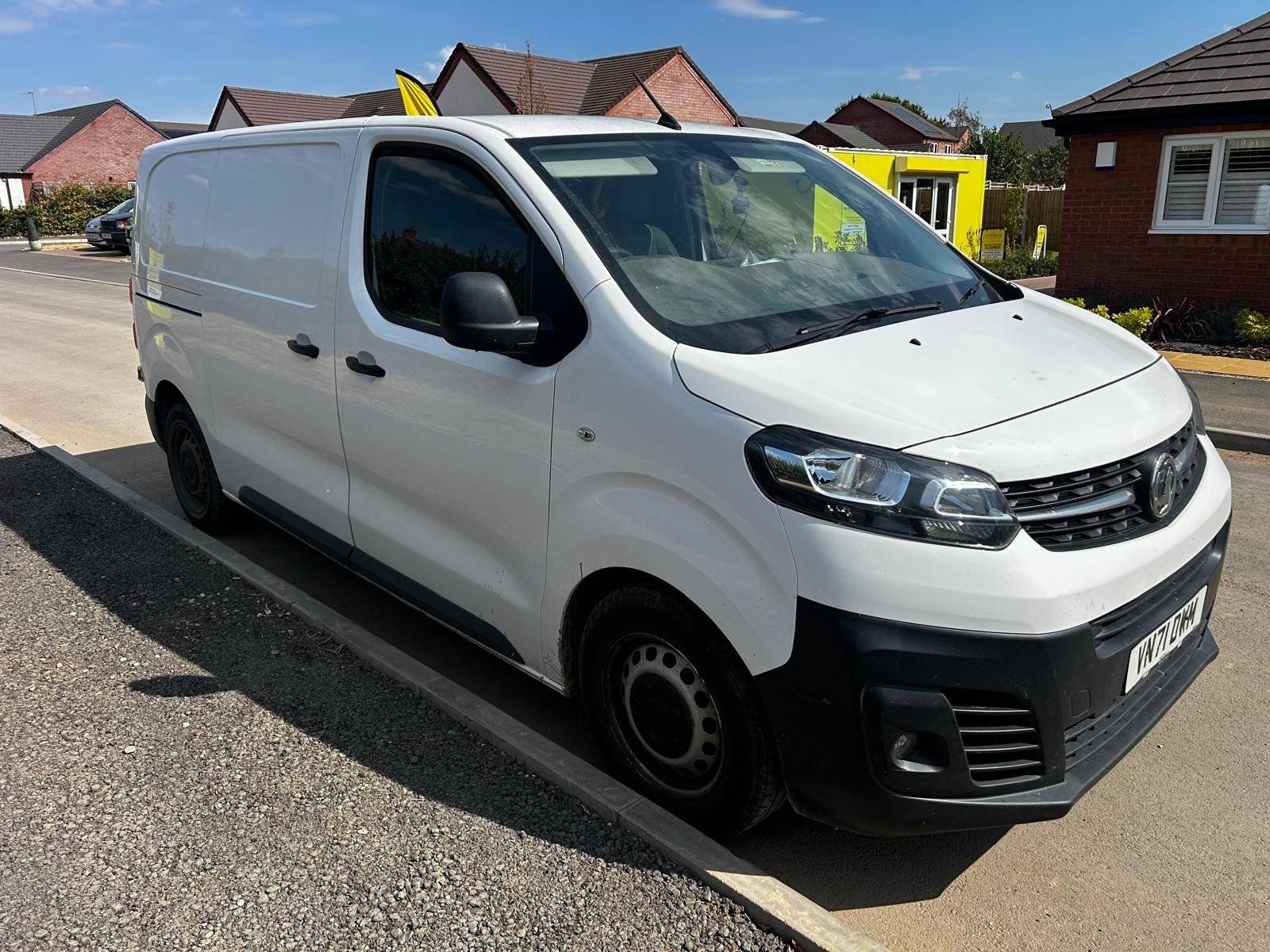
Private seller
ULEZ ✓Vauxhall
2 vans listed now · search and filter all Vauxhall Vivaro stock
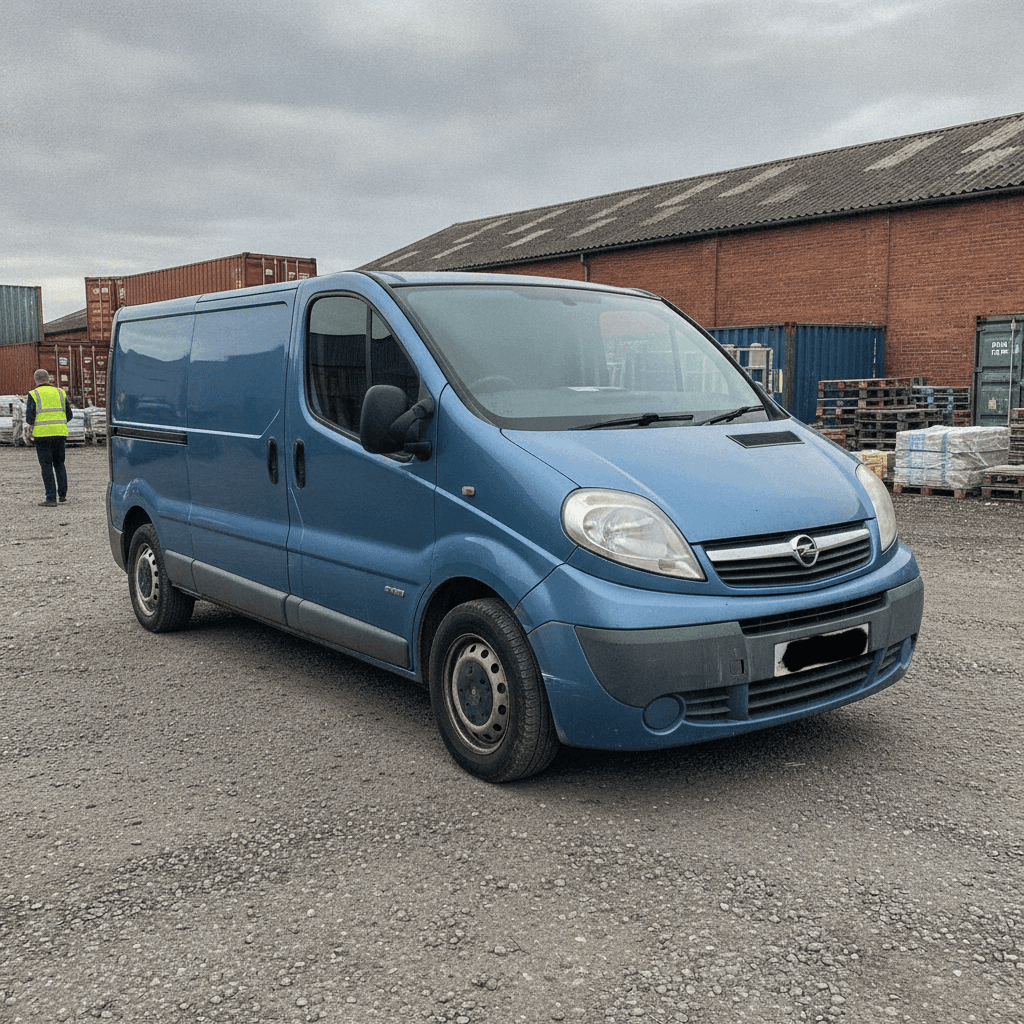
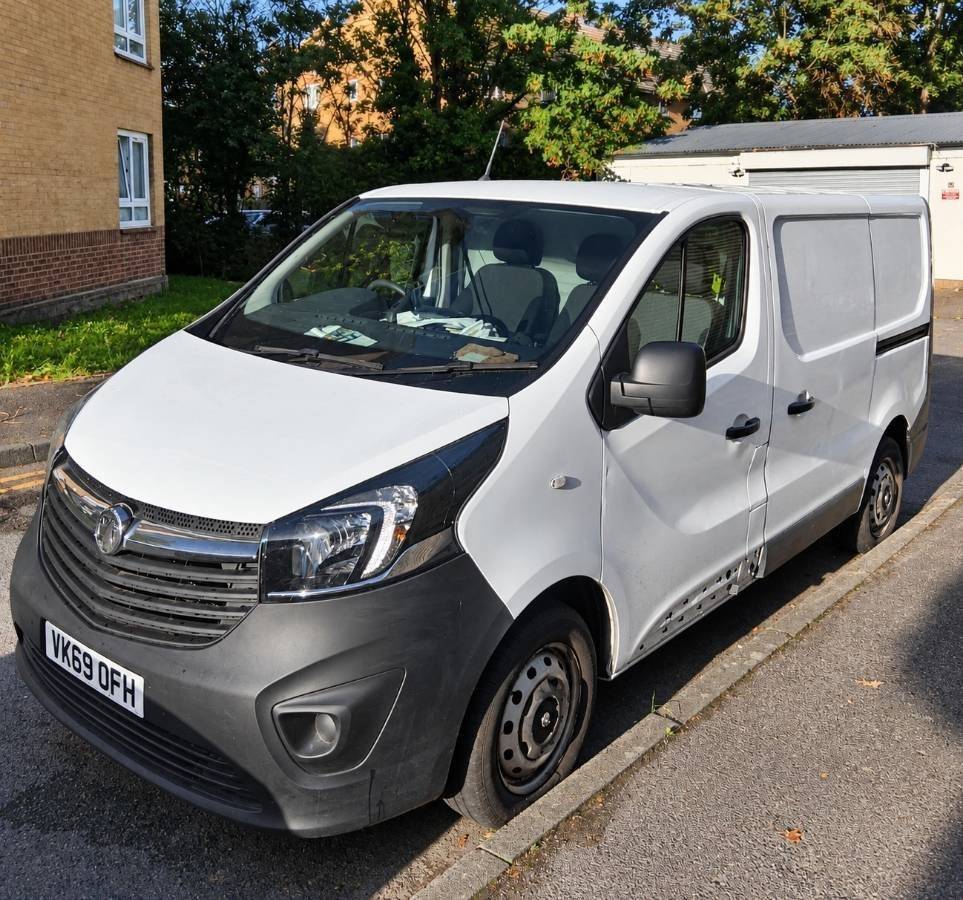
The Vauxhall Vivaro has been a cornerstone of the UK commercial vehicle market since its introduction in 2001. Built for the majority of its life at Vauxhall’s manufacturing plant in Luton, the Vivaro holds a distinct place in British trade culture. It bridges the gap between smaller urban runarounds and cumbersome full-sized vans, sitting directly in the competitive medium-van category alongside the Ford Transit Custom, Volkswagen Transporter, and Renault Trafic.
Understanding the used Vivaro market requires understanding the platform shifts across its production lifespan. Buyers searching the second-hand market will primarily encounter two distinct generations:
For independent tradespeople, mobile technicians, and fleet subcontractors, a used Vivaro offers an optimal compromise between cargo space and day-to-day usability. It fits comfortably on modern residential driveways, navigates narrow urban roads without stress, and delivers dependable load-hauling capability.
When assessing a used Vivaro, technical capability depends heavily on whether you choose the Renault-based Vivaro B or the Stellantis-engineered Vivaro C. Both provide practical commercial dimensions, but their engineering parameters differ significantly.
The Vivaro B was manufactured in two distinct lengths and two roof heights:
The post-2019 Vivaro C streamlined these options to focus primarily on standard-height commercial requirements. Vauxhall discontinued the high-roof variants to ensure the van remains under 1.9 metres tall, allowing unrestricted access to underground and multi-storey car parks:
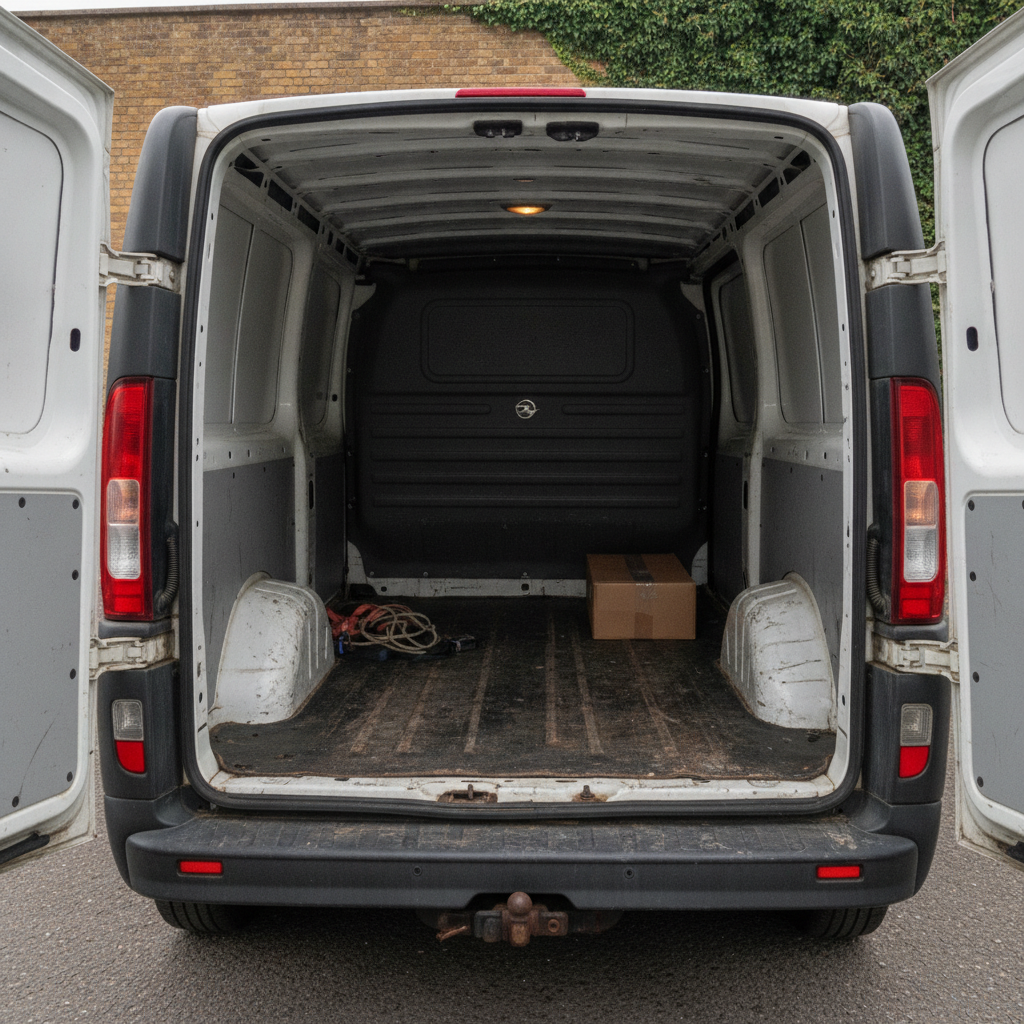
Both generations accommodate standard eight-by-four-foot sheet materials flat on the floor between the wheel arches. With the clever FlexCargo load-through bulkhead fitted as standard on Sportive, Dynamic, and higher trim levels, pipework, copper tube coils, and timber lengths up to 4,000mm can be slid straight through into the front passenger footwell.
Payload capacity is a major selling point for modern Vivaros. The Vivaro B models typically offer carrying limits between 1,000kg and 1,280kg, depending on wheelbase and engine specification. The post-2019 Vivaro C raised the bar for the medium van class, offering payloads ranging from roughly 1,000kg on base 1.5-litre variants up to an impressive 1,458kg on heavy-duty 2.0-litre models. This makes the newer generation capable of out-hauling many larger, heavier panel vans.
Power delivery across the Vivaro line focuses on pulling torque and fuel efficiency:
The Vivaro’s packaging makes it a versatile tool for diverse trades across the UK. Several commercial sectors gravitate heavily toward this model on the used market:
A second-hand work vehicle must be inspected with practical commercial demands in mind. When viewing a prospective used Vivaro, work through this physical inspection checklist:
Every commercial vehicle platform exhibits characteristic weak points over time. Knowing what to watch out for helps you avoid buying someone else’s expensive mechanical headache.
The 1.6 CDTi engine is capable of exceptionally high mileage if maintained correctly, but it has distinct vulnerabilities. Fuel injectors on early models can suffer from water ingress from the scuttle panel above the engine bay. Over time, rainwater runs down the windscreen, pools around the injector wells in the cylinder head, and corrodes the injectors into place. If an injector fails, removing it can prove nearly impossible without specialist hydraulic extraction tools or cylinder head replacement.
BiTurbo versions built prior to late 2016 experienced higher rates of turbocharger failure. The smaller high-pressure turbocharger works hard to mitigate low-rev lag; if oil changes have been missed or incorrect oil grades used, oil feed pipes clog and destroy the bearings. Always demand verified service receipts showing oil changes every 10,000 to 12,000 miles, regardless of the factory's optimistic two-year intervals.
On early Vivaro C models equipped with the 1.5-litre Turbo D engine, a critical issue involves the 7mm camshaft timing chain connecting the two overhead camshafts. Over time, this chain can stretch, rattle, and ultimately snap, causing catastrophic engine failure. Stellantis later revised this setup to an uprated 8mm chain system with revised camshaft housing components. When inspecting a used 1.5-litre model, confirm whether this camshaft chain has been updated or inspected by a technician, and listen for distinct ticking or rattling from the top of the engine during idling.
The AdBlue emissions reduction system on Vivaro C vans is another known problem area. Faulty tank heater elements, failing pressure sensors, and crystallised AdBlue injector nozzles can trigger emissions warnings and countdown timers preventing engine restarts. Because the pump and tank are sealed together, replacing a failed pump unit often requires an entirely new AdBlue reservoir assembly. Check the instrument cluster thoroughly to confirm no AdBlue warning messages or engine management lights are present.
Prices in the UK used light commercial vehicle market correlate closely with age, mileage, condition, and Euro emission standard compliance. Value tiers across the second-hand market generally fall into three practical brackets.
Vans situated in this price bracket represent older, higher-mileage stock, typically late-generation Vivaro A models or high-mileage early Vivaro B vans from 2014 to 2015. Expect odometer readings well in excess of 120,000 miles, accompanied by cosmetic imperfections, cab wear, and cargo area scuffs. These vans suit start-up trades, local property handymen, or businesses that do not need to operate within Clean Air Zones. Prioritise verified maintenance records, recent clutch replacements, and clean MOT histories over clean paintwork at this level.
This bracket offers the widest choice for small business owners. Here you will find late-model Vivaro B vans (2016 to 2019) in desirable Sportive trim, boasting air conditioning, cruise control, rear parking sensors, and Euro 6 compliance via AdBlue systems. You will also begin seeing early, higher-mileage 2019 and 2020 Vivaro C models with the 1.5 Turbo D engine. Average mileage ranges between 60,000 and 100,000 miles. These vehicles represent dependable daily drivers ready for immediate commercial service without demanding hefty initial capital expenditure.
Occupying the upper pricing bracket are late-plate Vivaro C panel vans, crew cabs, and fully electric Vivaro-e examples from 2020 onward, displaying under 50,000 miles. Many of these vehicles come with balance of manufacturer warranty, full main-dealer history, high-spec infotainment with Apple CarPlay, driver assistance packages, and the muscular 2.0-litre Turbo D engine paired with the eight-speed automatic gearbox. These vans represent front-line business transport capable of heavy towing, intense cross-country mileage, and trouble-free operation inside urban low-emission boundaries.
Operational costs heavily influence total cost of ownership. The Vivaro remains one of the most cost-effective medium vans to run on British roads.
Real-world fuel efficiency varies across the engine ranges, but all diesel Vivaros remain competitive:
Unlike passenger cars, which use sliding emissions-based scales, standard panel vans classified as light commercial vehicles (Category N1) are subject to a flat annual rate of Vehicle Excise Duty (VED). This flat-rate commercial tax structure makes annual budgeting straightforward, regardless of whether you choose a 1.5-litre manual or a powerful 2.0-litre automatic variant.
Insurance groupings for the Vauxhall Vivaro range from Group 29 up to Group 38, depending on the engine output, overall payload rating, and factory security features. Base-spec Edition models with lower-output engines sit at the lower end of the group spectrum, while high-spec Sportive, Elite, and BiTurbo or 180hp models fall into higher brackets. Fitting a Thatcham-approved deadlocking system, slam locks on the cargo doors, and a verified tracker will lower annual insurance premiums with commercial underwriters.
While official factory intervals often suggest service intervals every 25,000 miles or two years, no practical tradesperson should follow these extended targets on a hard-working van. Oil degradation accelerates soot buildup in modern diesel emissions systems. A routine intermediate service—covering low-ash synthetic oil, oil filter, and a comprehensive suspension inspection—should take place every 10,000 to 12,000 miles or 12 months.
Because the Vivaro is produced in huge volumes and shares components with Renault, Nissan, Peugeot, Citroën, and Toyota models, mechanical replacement parts are universally accessible and competitively priced. Clutches, brake pads, suspension wishbones, and body panels are readily available through motor factors across the UK, minimizing costly business downtime during routine upkeep.
Securing the right commercial funding strategy can free up essential cash flow for tools, equipment, materials, and operating capital. When purchasing a used work van, commercial operators rely on tailored vehicle finance products suited to their tax status.
Sole traders, partnerships, and limited companies can assess specialized commercial van finance structures such as Hire Purchase (HP). With Hire Purchase, you typically cover the VAT element upfront as a deposit, followed by fixed monthly repayments across two to five years. Once all payments are complete, your business owns the vehicle outright as a capital balance-sheet asset. This approach appeals to tradespeople who plan to keep their van for many years and run it into high mileage without worrying about return condition penalties.
Alternatively, business owners who prefer to update their work fleet every two to four years without shouldering residual depreciation risks often examine used van lease deals and finance lease options. A Finance Lease allows you to pay lower fixed monthly sums, often with a balloon payment scheduled at the conclusion of the term. You can offset monthly rental payments against your annual taxable profits as legitimate commercial operating expenses, which offers valuable relief for expanding trade businesses.
VAT registration also influences purchase structure. If your business is VAT-registered, you can reclaim the standard twenty percent VAT on the purchase price of a qualifying commercial vehicle. If you operate below the VAT registration threshold as an independent sole trader, look out for private-sale vans or second-hand commercial stock sold on the margin scheme where VAT is not added to the vehicle’s advertised price.
A used Vauxhall Vivaro is one of the most sensible, well-supported commercial vehicle purchases available in the UK. It combines high payloads, generous load volumes, accessible maintenance costs, and pleasant road manners into a dependable workhorse platform.
If you need maximum cubic space on a budget, a well-documented 2017 to 2019 Vivaro B in Sportive trim delivers an exceptional balance of practicality and proven reliability. If you need clean-air-zone access, car-park-friendly height, heavy-payload ratings, and modern cab tech, the post-2019 Vivaro C is an outstanding machine. Insist on a documented service history, inspect the bodywork and running gear thoroughly, and you will secure an invaluable business asset ready to deliver thousands of hard-working miles.
Leave your details and what you need, and we will come back to you.