Buying a used Nissan NV200
Model Overview: The Compact Workhorse with Mid-Sized Capacity
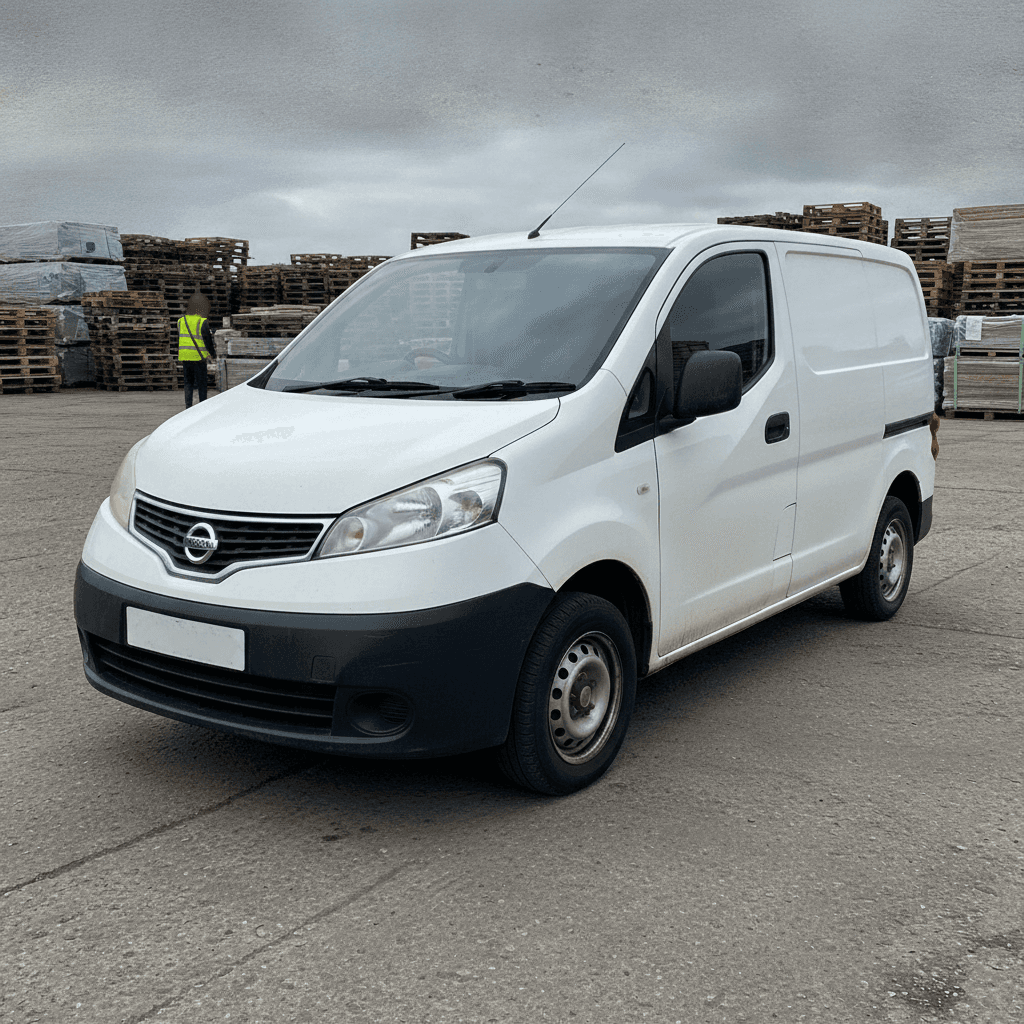
The Nissan NV200 holds a unique position in the UK light commercial vehicle market. Built between late 2009 and 2019, it was engineered from the ground up to solve a persistent headache for urban tradespeople: how to fit meaningful, pallet-sized cargo capacity into a van small enough to park in standard multi-storey car parks and navigate tight city terraces. While rivals adapted consumer passenger cars into car-derived vans or stretched traditional small van architectures, Nissan designed the NV200 on a dedicated compact commercial platform with an exceptionally upright profile and a space-efficient front-wheel-drive layout.
The result is a light commercial vehicle measuring just under 4.4 metres in overall length and under 1.7 metres in width, yet boasting a cargo hold that rivals vehicles from the class above. For trades operating in congested city centres, rural towns with restricted parking, or housing developments with narrow driveways, the NV200 provides a work platform that handles like a family hatchback without forcing operators to compromise on daily carrying capability.
In 2019, Nissan phased out the internal combustion engine NV200 in the UK to align with tightening emissions targets, eventually replacing it with the Townstar. However, because Nissan manufactured the NV200 in immense volumes over a ten-year production run, the UK second-hand market is well-stocked with work-ready examples. Whether you are expanding a small trade fleet, setting up as an independent sole trader, or replacing an older runabout, sourcing a solid used example offers one of the lowest costs per cubic metre of any van on British roads today.
Key Specifications: Engines, Payloads, and Cargo Dimensions
Understanding the exact specifications of the NV200 is critical before viewing used stock, as configuration variations dictate usable payload, towing capacity, and low-emission zone compliance across the country.
Cargo Bay Dimensions and Practicality
The headline engineering achievement of the NV200 is its 4.2 cubic metre cargo volume. Nissan achieved this by keeping the floor low, the body sides virtually vertical, and the wheel arch intrusions remarkably compact. Key internal dimensions include:
- Maximum Load Length: 2,040 mm along the floor to the steel bulkhead.
- Maximum Load Width: 1,500 mm at the widest point.
- Width Between Wheel Arches: 1,220 mm, allowing a standard Euro pallet or eight-by-four sheet material cut down to slide flat between the towers.
- Maximum Load Height: 1,358 mm from floor to roof ribbing.
- Rear Loading Sill Height: 524 mm, significantly reducing physical back strain during multi-drop loading.
Unlike many compact vans where a sliding side door was an optional extra, nearly all UK-specification panel vans left the factory with twin sliding side-loading doors as standard, alongside asymmetrical 60/40 split rear barn doors that open to 180 degrees.
Payload Ratings and Gross Vehicle Weight
The gross vehicle weight of the NV200 sits at approximately two tonnes, depending on the trim and engine configuration. Payload capacity ranges between 728 kg on entry-level specifications to 795 kg on high-payload variants. This payload capacity puts the NV200 on par with larger, heavier vans while maintaining a kerb weight low enough to deliver genuine fuel economy benefits.
Engine Options: The 1.5 dCi Powertrain
Under the bonnet, the diesel NV200 relies exclusively on the venerable 1.5-litre dCi four-cylinder turbodiesel engine developed via the Renault-Nissan Alliance. Known internally as the K9K, this engine has powered millions of vehicles across the globe and is available in two distinct output levels:
- 89 bhp (85/90 PS): Paired with a five-speed manual gearbox. This unit produces 200 Nm of torque and is tuned for low-speed urban tractability and exceptional fuel economy on shorter runs.
- 110 PS (108 bhp): Paired with a six-speed manual gearbox. Producing 240 Nm of torque, this engine transforms the NV200 into a capable motorway cruiser, dropping the engine revs at sustained national speed limits and pulling full payloads up motorway inclines with ease.
Trim Levels and Body Styles
The vast majority of used models are standard two-seat panel vans. However, Nissan also offered the NV200 Combi, a versatile crew-cab style vehicle fitted with a second row of seats (and in some rare passenger variants, a third row) with glazed side windows. Factory panel van trim levels follow Nissan's familiar hierarchy:
- Visia: Base specification featuring unpainted black bumpers, 14-inch steel wheels, electric front windows, remote central locking, and a full steel bulkhead.
- Acenta: The core trade specification, adding front fog lights, a full-colour reversing camera integrated into the instrument display, driver armrest, and improved audio controls.
- Tekna: The top-tier specification, bringing 14-inch alloy wheels, manual air conditioning, cruise control with speed limiter, and NissanConnect satellite navigation with a central touchscreen.
Trade Applications: Who Buys the NV200 and Why?
The NV200 is purpose-built for specific commercial operational environments. Understanding how different trades deploy the vehicle helps buyers assess wear patterns on second-hand models.
Urban Delivery and Courier Operators
Parcel carriers and multi-drop delivery drivers represent a massive portion of the NV200 user base. The combination of twin sliding side doors, a tiny 10.6-metre turning circle, and an overall height under 1.9 metres allows drivers to access underground loading bays, residential car parks, and cramped inner-city streets without hesitation. The low rear step speeds up delivery cycles, while the upright cargo volume allows operators to stack parcels vertically up to the roofline.
Domestic Trades: Electricians, Heating Engineers, and Locksmiths
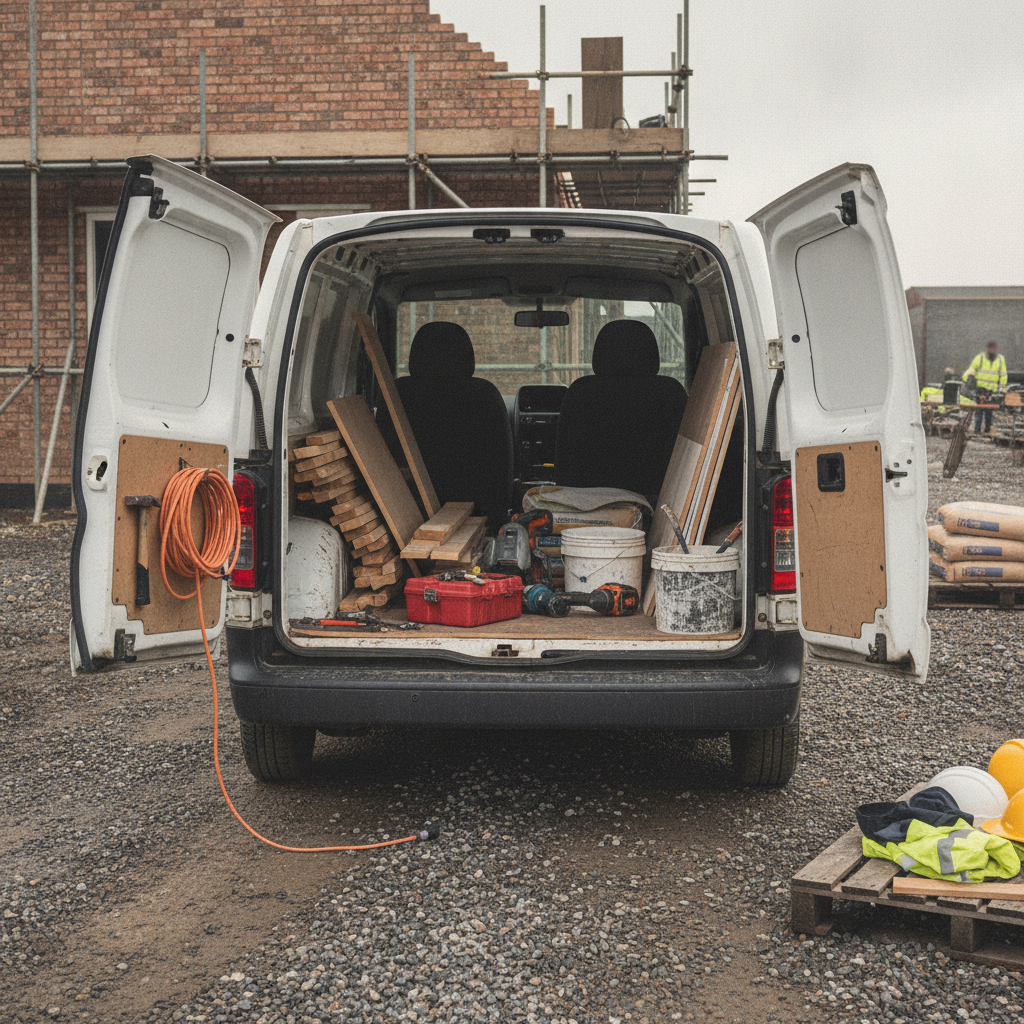
For independent domestic contractors, the NV200 provides a secure, weatherproof tool vault that can be parked outside a customer's terraced house without blocking traffic. Because the load bay walls are remarkably vertical, internal racking systems can be fitted without consuming massive amounts of floor space. Electricians frequently carry conduit and cable rolls along the sides while retaining floor space for tools and steps. Heating engineers can transport standard combi boilers flat on the floor, alongside parts totes, vacuum units, and gas bottles.
Mobile Service Providers and Detailers
Mobile valeters, smart repairers, and window cleaners appreciate the boxy load area for mounting water tanks and compressors. The floor handles localized weight cleanly, and the twin side doors allow immediate access to hose reels, generator pull-cords, or chemical storage bins without climbing inside the rear compartment.
Micro-Camper and Day Van Converters
In recent years, the NV200 has developed a strong following in the outdoor conversion market. Enthusiasts choose it over small passenger cars because a full-sized adult bed fits comfortably in the back without altering the exterior footprint. While this guide focuses on commercial trade use, buyers should note that well-maintained, clean used panel vans often attract strong competition from the leisure conversion community.
Inspection Checklist: What to Look for When Buying Used
The mechanical underpinnings of the NV200 are generally tough, but commercial usage takes an inevitable toll. Work through this checklist on any physical viewing before agreeing to purchase.
1. Engine and Turbocharger Integrity
The 1.5 dCi engine is fundamentally reliable, but it does not tolerate skipped oil services. Start the engine from stone cold. Observe the exhaust tailpipe for blue or white smoke on start-up. Listen carefully for high-pitched whistling or dentist-drill noises under moderate acceleration, which point to worn turbocharger bearings. The oil pressure light should extinguish almost immediately after cranking; if it flickers, suspect sludge buildup in the oil pickup pipe caused by extended service intervals.
2. Cambelt and Water Pump History
The 1.5 dCi uses a rubber timing belt rather than a timing chain. Nissan mandates replacement every five years or 75,000 miles (whichever occurs first). Verify physical invoice proof of this job. If the current owner or dealer cannot present paperwork proving the belt, tensioner, and water pump were replaced within that window, budget for this work to be carried out immediately to prevent catastrophic internal valve damage.
3. Clutch, Flywheel, and Gearbox
Clutch wear varies wildly based on whether the van lived its life in urban traffic or on the open highway. On 110 PS models fitted with the six-speed manual gearbox, listen for low-speed chatter or rattling at idle with the clutch pedal released, which indicates a failing dual-mass flywheel. On 89 bhp five-speed vans, test the clutch bite point; a high bite point or slip when accelerating hard in third gear indicates an imminent clutch replacement.
4. Suspension, Steering, and Overloading Signs
The NV200 utilizes MacPherson struts up front and a single-leaf leaf-spring setup with shock absorbers at the rear. Check the following chassis items:
- Rear Spring Condition: Look underneath the rear axle. Heavy trade overloading flattens the leaf springs, causing the rear end to squat permanently. Check for cracked spring leaves or perished bump stops.
- Front Wishbone Bushes and Drop Links: Urban speed bumps wear out front anti-roll bar drop links and lower control arm rear bushes. Listen for knocking noises when driving over coarse tarmac or small potholes.
- Tyre Wear: Uneven wear on the inner edges of the front tyres points to worn track rod ends or misaligned tracking caused by repeated kerb impacts.
5. Sliding Door Mechanisms and Locking Hardware
Check the operation of both side-loading doors thoroughly. They should glide smoothly without requiring excessive force. The lower roller guides collect grit, road salt, and dirt, causing the nylon wheels to flat-spot or jump off the guide track. Ensure the internal and external door handles release the latches cleanly, and confirm that the central locking actuator locks and deadlocks both side doors along with the rear barn doors.
Years to Avoid and ULEZ Considerations
Knowing which production years fit your operational territory will save you thousands of pounds in daily regulatory charges and unnecessary repair bills.
Euro 5 vs Euro 6 Compliance (Clean Air Zones)
The most critical dividing line in the NV200 lifespan is the transition from Euro 5 to Euro 6 emissions standards, which took place during the second half of 2016. If your work takes you inside the London Ultra Low Emission Zone (ULEZ), Birmingham Clean Air Zone, Bristol Clean Air Zone, or any Scottish Low Emission Zone, compliance is non-negotiable:
- Pre-September 2016 (Euro 5): These vans do not meet the minimum nitrogen oxide standards for diesel commercial vehicles in Clean Air Zones. Driving an older Euro 5 model into these zones incurs steep daily charges, rendering them economically unviable for inner-city trades.
- Late 2016 to 2019 (Euro 6): Euro 6 models use Selective Catalytic Reduction (SCR) technology with an AdBlue tank. These vehicles are fully compliant with UK Clean Air Zones and enter without daily emissions fees. Always verify the vehicle's registration on the national clean air checker before buying.
Specific Model Quirks to Avoid
Avoid high-mileage 2009–2011 early-production vans unless they come with an exhaustive paper trail of mechanical work. Early builds suffered from squeaking dashboard plastics, rapidly disintegrating driver's seat outer bolsters, and delicate window regulator switches. On Euro 6 models built during late 2016 and early 2017, ensure any outstanding manufacturer software recalls relating to the AdBlue metering pump and exhaust gas temperature sensors have been documented by a Nissan main dealer.
Used Nissan NV200 Pricing Brackets
Valuations on the used market depend largely on whether the van is Euro 5 or Euro 6 compliant, followed closely by overall mileage, cosmetic condition, and service history completeness.
Sub-£4,000 Budget Bracket
At this entry price point, expect older Euro 5 models produced between 2010 and 2013, with mileage figures often exceeding 120,000 miles. These vehicles are primarily suited for local trades operating outside major clean air zones where cosmetic scuffs, minor panel dents, and cab wear are acceptable. Prioritise structural integrity, a recent clutch, and verified cambelt changes over pristine exterior body panels.
£4,000 to £7,500 Mid-Tier Working Vans
This bracket represents the core of the private trade market. Here you will find late Euro 5 and early Euro 6 vans from 2014 to 2017, typically carrying between 60,000 and 95,000 miles. Acenta and Tekna trims dominate this price band. Vehicles in this category should possess full or near-complete service histories, clean interiors, ply-lined rear load spaces, and straight side panels showing minimal trade abuse.
£7,500 to £11,000 Late-Plate and Low-Mileage Models
The top tier of the used NV200 market consists of final-production Euro 6 vans from 2017 to 2019, along with low-mileage examples recording under 50,000 miles on the clock. Vans in this price band will predominantly be top-spec Tekna models equipped with reversing cameras, air conditioning, and alloy wheels. Expect immaculate service books, clean MOT histories with zero structural advisories, and commercial bodywork in near-showroom condition.
Real-World Running Costs: Fuel, Insurance, and Maintenance
One of the primary arguments for choosing an NV200 over a larger mid-sized van is the dramatic reduction in ongoing daily operating expenditure.
Fuel Economy
The 1.5 dCi engine is remarkably frugal. On open A-roads and motorways, a steady 110 PS model driven smoothly can return real-world economy figures of 50 to 55 miles per gallon. Heavily loaded multi-drop courier cycles in urban congestion will see that figure dip, but most trade users consistently average between 44 and 48 miles per gallon across mixed driving conditions. This represents an enormous saving over larger two-litre panel vans that struggle to achieve 35 miles per gallon on identical routes.
Insurance Groups
The NV200 sits in modest insurance brackets compared to its competition, typically spanning Group 5U to Group 9U depending on the exact trim and payload rating. Its low kerb weight, modest engine capacity, and accessible replacement body panels keep collision repair costs down, which translates into manageable annual premiums for younger tradespeople or businesses managing multi-driver policies.
Servicing and Parts Accessibility
Routine maintenance on the NV200 is straightforward and affordable. Routine oil and filter service intervals should strictly be executed every 12,500 miles or 12 months. Because the K9K engine is shared across an enormous range of Nissan, Renault, and Dacia vehicles, oil, fuel, air, and cabin filters are widely available from any motor factor at low trade prices. Independent garages are intimately familiar with the platform, meaning you will rarely need to pay high main-dealer labour rates to diagnose running issues or complete basic mechanical servicing.
Financing Your Used Nissan NV200
When securing an NV200 for your business, structuring your acquisition correctly ensures that monthly outgoings match your operational cash flow. Exploring professional commercial van finance allows you to spread the capital cost of a reliable Euro 6 vehicle over two to five years, preserving your liquid working capital for purchasing materials, tooling, and day-to-day trade stock.
Most commercial buyers choose between Hire Purchase (HP) and Finance Lease:
- Hire Purchase: You pay a deposit (frequently equal to the VAT amount, which can be reclaimed on your next quarterly return if VAT-registered), followed by fixed monthly payments over an agreed term. Once the final payment and option-to-purchase fee are cleared, your business owns the van outright.
- Finance Lease: A flexible solution popular with trade businesses that want to keep monthly payments low by incorporating an agreed balloon payment at the end of the contract, based on the vehicle's projected resale value.
If you prefer driving brand-new vehicles with comprehensive manufacturer warranty coverage and fixed operating costs, it is also worth comparing second-hand repayments against competitive brand-new van lease deals before committing your capital to an older used commercial model.
Final Buyer's Verdict
The Nissan NV200 remains one of the smartest, most functional used compact vans on the UK market. It solves the classic trade dilemma by pairing the exterior parking ease and running costs of an agile small van with an enormous, square 4.2 cubic metre cargo bay that swallows two Euro pallets. While its narrow proportions and functional cab trim lack the passenger-car plushness of some lifestyle rivals, it completely outclasses them in working utility and operating economy.
When searching for the right example, focus your attention on late-plate Euro 6 models if you operate near Clean Air Zones. Insist on inspecting verified maintenance logs that confirm regular engine oil changes, ensure the rubber timing belt has been renewed within the correct schedule, and test the operation of both sliding side doors. Find a clean, properly maintained example, and the NV200 will serve as a dependable, highly profitable asset to your trade business for years to come.