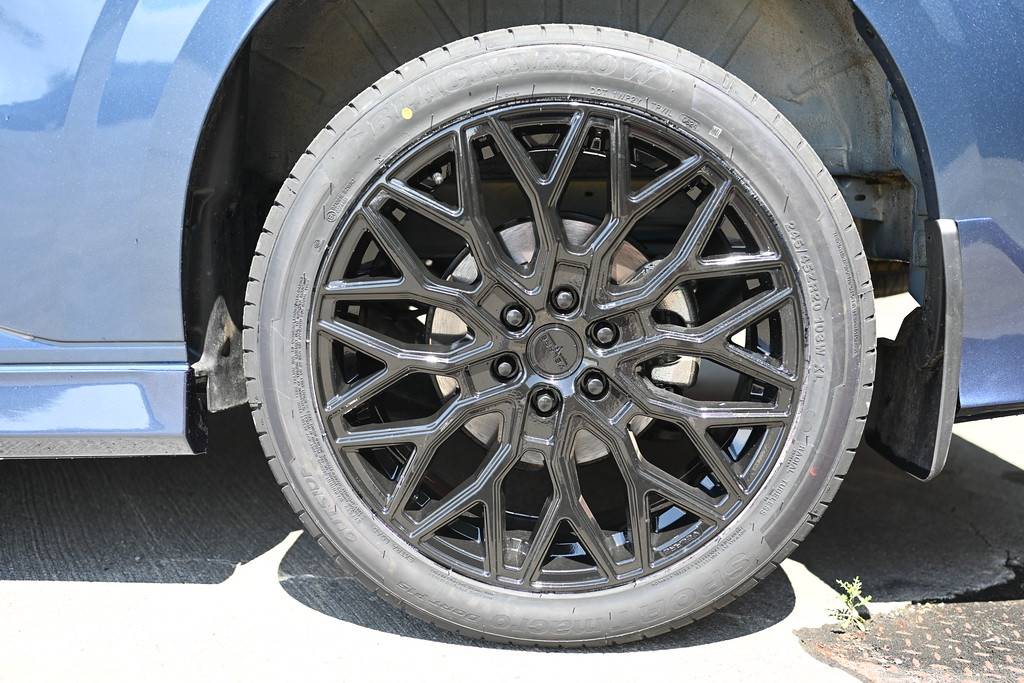
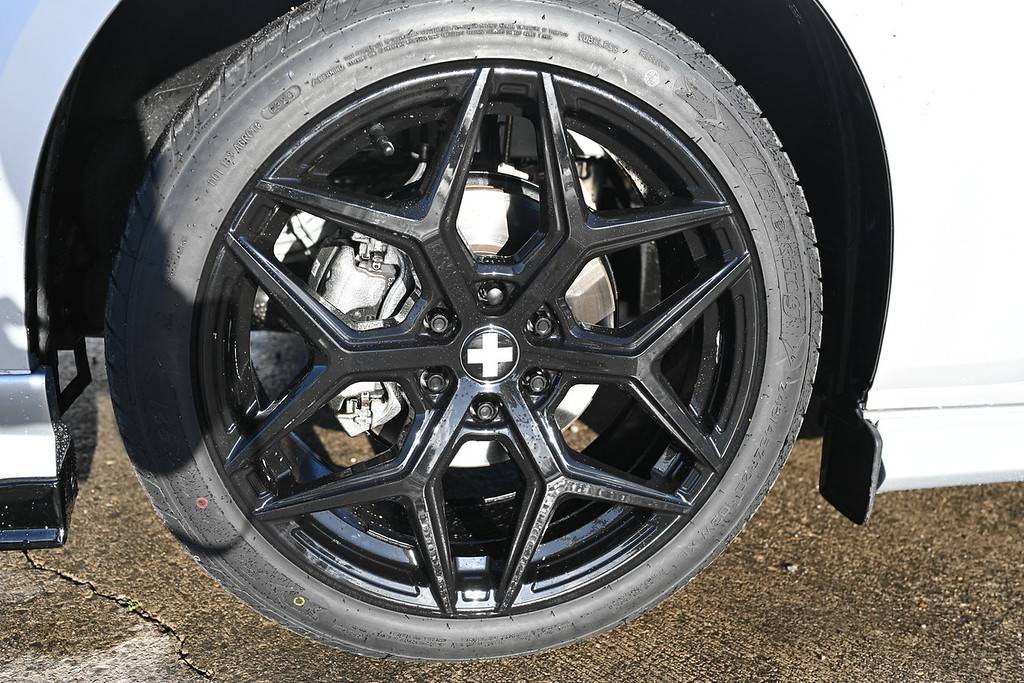
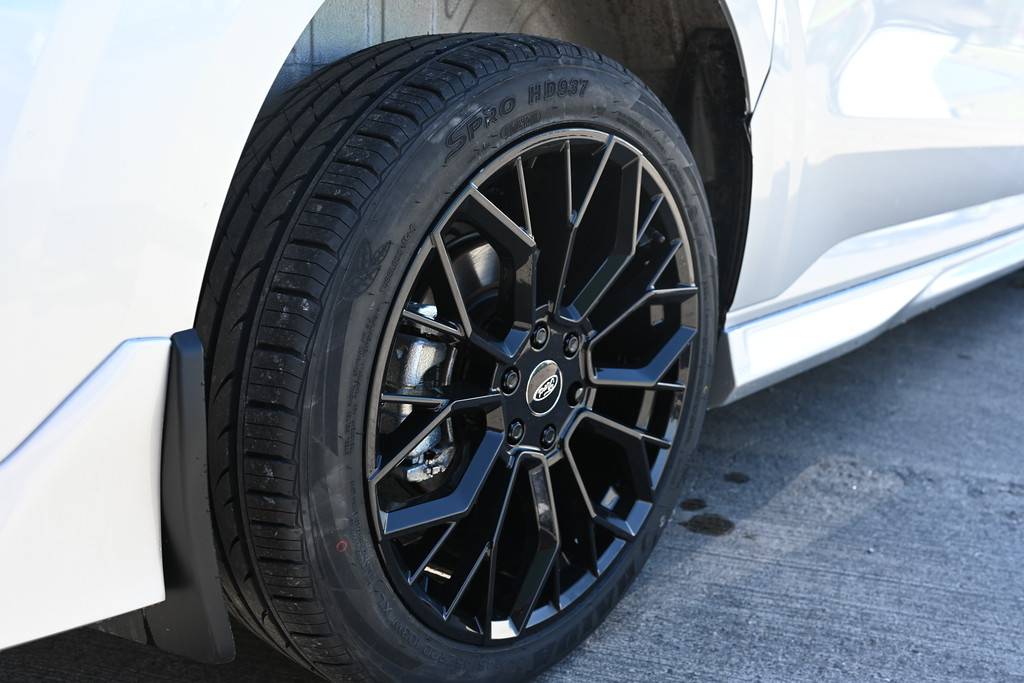
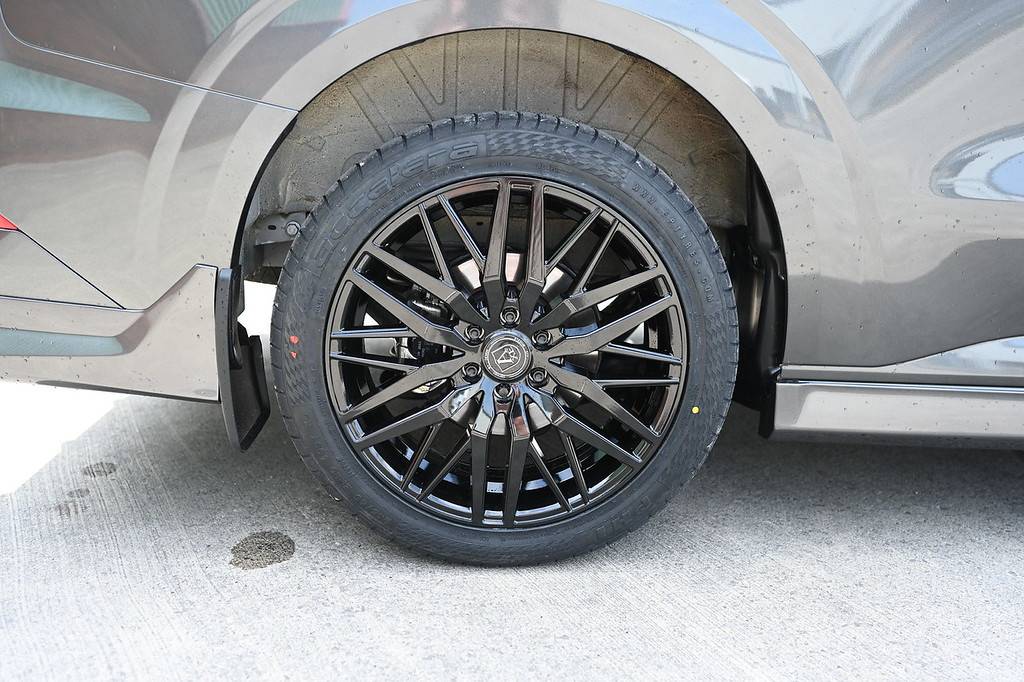
Upgrading or replacing the wheels on a Ford Transit Custom is one of the most common modifications carried out by UK tradespeople, fleet operators, and campervan converters. As a one-tonne-class commercial vehicle, the Transit Custom bridges the gap between everyday driveability and serious workhorse capability. However, choosing alloy wheels for a commercial van involves far more than simply selecting a design you like. The Transit Custom is produced in several gross vehicle weight variants and body styles, meaning that safety, payload capacity, and road legality must lead every decision you make.
Understanding Load Ratings and Commercial Safety
The single most crucial factor when choosing alloy wheels for a Ford Transit Custom is the load rating. Unlike passenger cars, which carry relatively light, predictable loads, commercial vans are designed to carry substantial weight over their axles day in and day out. The Transit Custom comes in a variety of payload configurations, meaning the forces exerted on the running gear differ significantly between models.
Every wheel fitted to a commercial vehicle must be certified to support at least half of the maximum axle weight of the axle it is fitted to. In practice, the rear axle of a laden van typically carries the greatest burden. If you choose an alloy wheel with an inadequate load capacity, the wheel is at risk of structural failure when hitting a pothole, negotiating a speed cushion, or carrying heavy cargo. Hairline fractures, severe buckling, or sudden rim failure can occur under extreme stress.
This is precisely why standard passenger car wheels are not suitable for a Ford Transit Custom, even if they appear to share similar bolt arrangements. Many car alloys are engineered for vehicles with a much lower gross vehicle weight. Dedicated, commercial-rated alloy wheels feature thicker spokes, reinforced rim barrels, and denser aluminium alloys engineered specifically to withstand punishing payloads and commercial road conditions.
Finding the Correct Fitment Details
Wheel fitment involves several precise measurements that must align with your vehicle's mechanical hubs. Because the Transit Custom has evolved through various model revisions and payload tiers, you must verify the specific parameters required for your exact van rather than relying on guesswork. The critical dimensions to verify include the stud hole spacing, the centre bore diameter, the rim width, and the wheel offset.
To identify the correct specification, you should consult several official sources:
- The owner's handbook: Ford provides detailed charts outlining permitted wheel and tyre specifications according to engine type, gross vehicle mass, and suspension setup.
- The vehicle identification plate: Found on the door pillar or door frame, this plate confirms your van's Gross Vehicle Weight (GVW) and individual front and rear Gross Axle Weight Ratings (GAWR). Dividing the highest axle weight by two gives you the minimum safe load rating for an individual wheel.
- The tyre placard: Also situated on the driver-side door aperture, this sticker lists factory-approved combinations and the corresponding tyre inflation pressures for laden and unladen driving.
- Reputable commercial wheel specialists: Professional suppliers can cross-reference your van's UK registration mark with official fitment databases to ensure hub dimensions, clearing clearances for brake calipers, and wheel arches are completely compatible.
Steel Wheels versus Alloy Wheels on a Working Van
Deciding between factory-style steel wheels and aftermarket or original-equipment alloy wheels depends largely on how you use your Transit Custom.
Steel wheels are renowned for their rugged durability. If a steel wheel strikes a deep pothole or kerb on an active building site, it tends to bend rather than crack, often allowing you to maintain tyre pressure and carry on driving. Steel wheels are also impervious to cosmetic damage, making them cost-effective for rough utility fleets. However, steel wheels are heavy, which increases unsprung mass, and standard plastic wheel trims can easily detach or degrade.
Alloy wheels offer significant aesthetic and functional benefits. They instantly modernise the appearance of a van, creating a professional and polished first impression for customer-facing businesses. Quality alloy wheels are also lighter than their steel equivalents, which can reduce unsprung weight, subtly improving steering response and suspension compliance. Furthermore, the open spoke architecture of an alloy wheel promotes superior airflow across the brake assemblies, assisting heat dissipation during heavy towing or steep downhill driving with a full payload.
Tyre Ratings and TPMS Sensors
An alloy wheel is only as safe as the tyre mounted to it. Fitting low-profile car tyres to a commercial van is dangerous and illegal. Commercial vehicles require reinforced tyres that carry a commercial designation, often indicated by a dedicated commercial ply rating or an extra-load marking on the sidewall.
You must confirm your required tyre size, speed symbol, and load index from your vehicle placard or handbook. The load index of the tyre must match or exceed the highest individual axle rating of your van. Running a tyre with an insufficient rating compromises emergency braking distances, accelerates sidewall wear, creates excessive heat build-up, and can cause a blowout under load.
Modern Transit Custom models are fitted with a Tyre Pressure Monitoring System (TPMS). This system uses electronic sensor valves inside the rim to relay real-time pressure data to the instrument cluster. When swapping wheels, you must ensure that functional, compatible TPMS sensors are transferred or newly installed. If the sensors are missing or not paired correctly to the vehicle's electronic control unit, an MOT warning light will illuminate on the dashboard, leading to an inspection failure.
Inspecting Alloy Wheels on a Used Transit Custom
If you are exploring the market for used vans, you will discover that a large percentage of pre-owned vehicles already feature upgraded wheels. When viewing a used Ford Transit Custom, it is critical to inspect the wheels closely to ensure they are safe, roadworthy, and fit for purpose.
Inspect the inner and outer rims for signs of buckling or flat spots caused by impacts with kerbs or road defects. Look behind the spokes for cast stampings indicating the wheel's load rating; if the load rating is absent or shows a passenger-car-level threshold, the vehicle should not be driven with heavy cargo. Check for uneven tyre wear across the tread face, which can highlight incorrect wheel offset, worn suspension bushes, or misaligned steering geometry. Finally, verify that the tyre pressure warning light extinguishes after starting the engine, confirming that all TPMS units are communicating correctly.
Frequently asked questions
Can I fit standard passenger car alloy wheels to my Ford Transit Custom?
No, you should never fit passenger car alloy wheels to a Ford Transit Custom. Commercial vans carry far higher axle weights and overall gross masses than standard road cars. Car wheels lack the structural reinforcement required to handle heavy cargo, commercial payloads, and road impacts, creating a serious risk of wheel fracture or sudden failure under load.
Will changing to aftermarket alloy wheels invalidate my van insurance?
Changing to aftermarket alloy wheels can invalidate your insurance if you fail to declare the modification to your insurer. Most UK insurers treat any wheel swap from original factory specification as a reportable alteration. You must notify your insurance provider before driving on the new wheels to ensure continuous, valid cover.
Do I need to buy new TPMS sensors when changing alloy wheels?
You do not necessarily need brand-new TPMS sensors if the existing sensors from your original wheels can be safely transferred by a tyre technician. However, if the old sensors are corroded, have depleted internal batteries, or are being kept with your original wheels for winter use, you will need to install and programme a new set of compatible sensors.
How do I know the maximum axle weight for wheel load ratings?
You can find the maximum axle weight on the manufacturer identification plate located on the door pillar or inside the driver door frame. The plate displays the individual Gross Axle Weight Ratings for both the front and rear axles. Divide the highest recorded axle weight by two to establish the minimum certified load capacity your replacement wheels must provide.
Do aftermarket alloy wheels require different wheel nuts to factory steel wheels?
Yes, aftermarket alloy wheels frequently require different wheel nuts compared to factory steel rims. Alloy wheels often use specific seating profiles, such as tapered or radius seats, and require distinct thread engagement depths. Using steel-wheel nuts on alloy wheels can damage the wheel face, loosen under driving conditions, and cause serious mechanical failure.