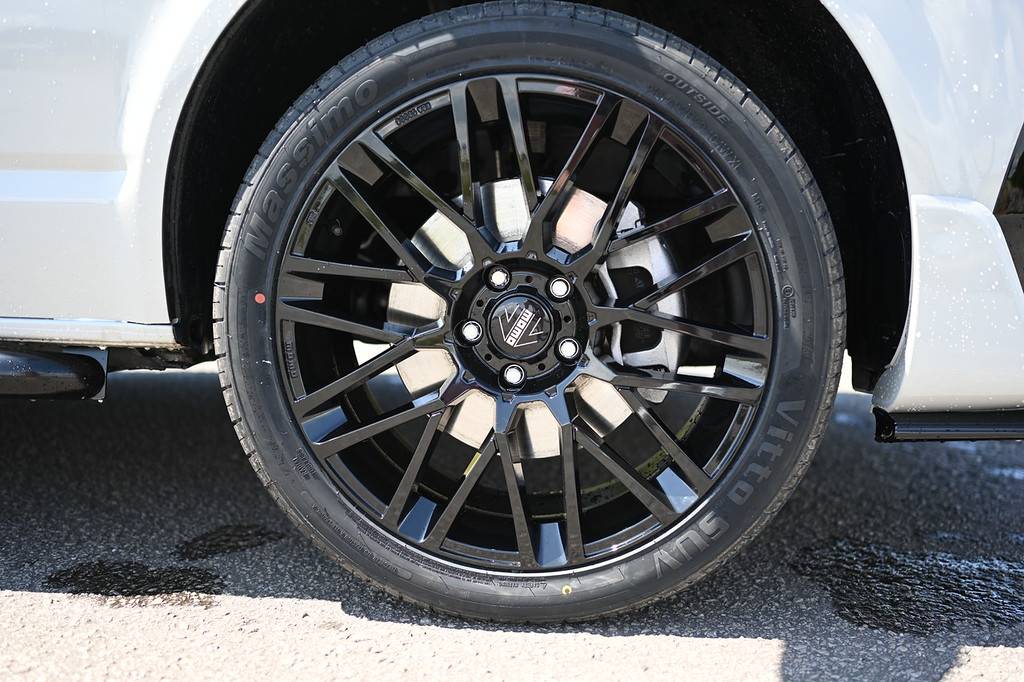
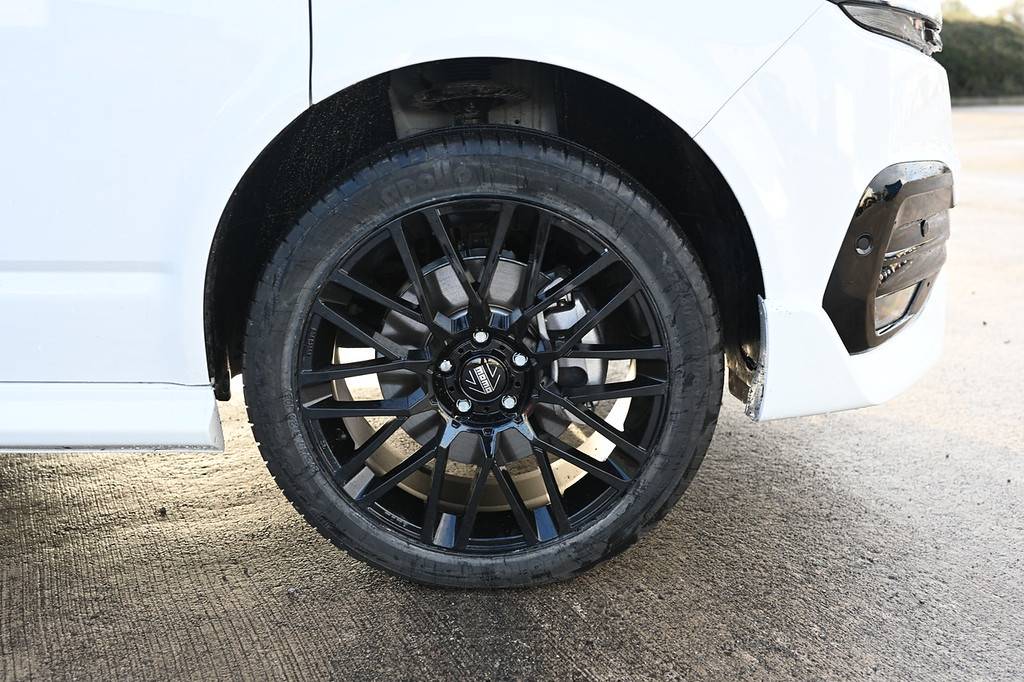
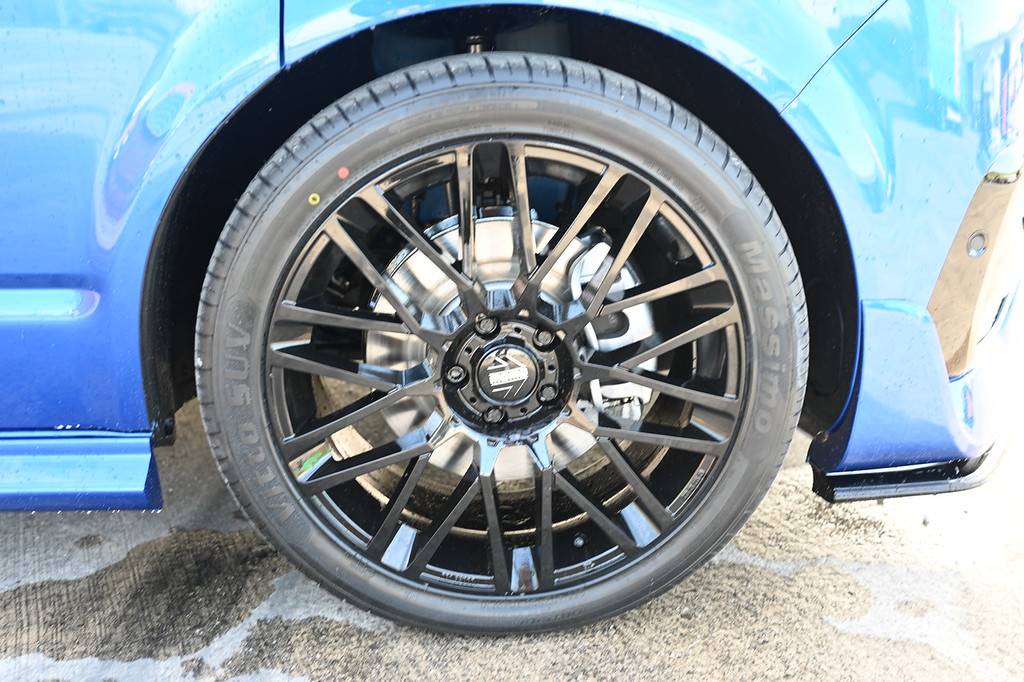
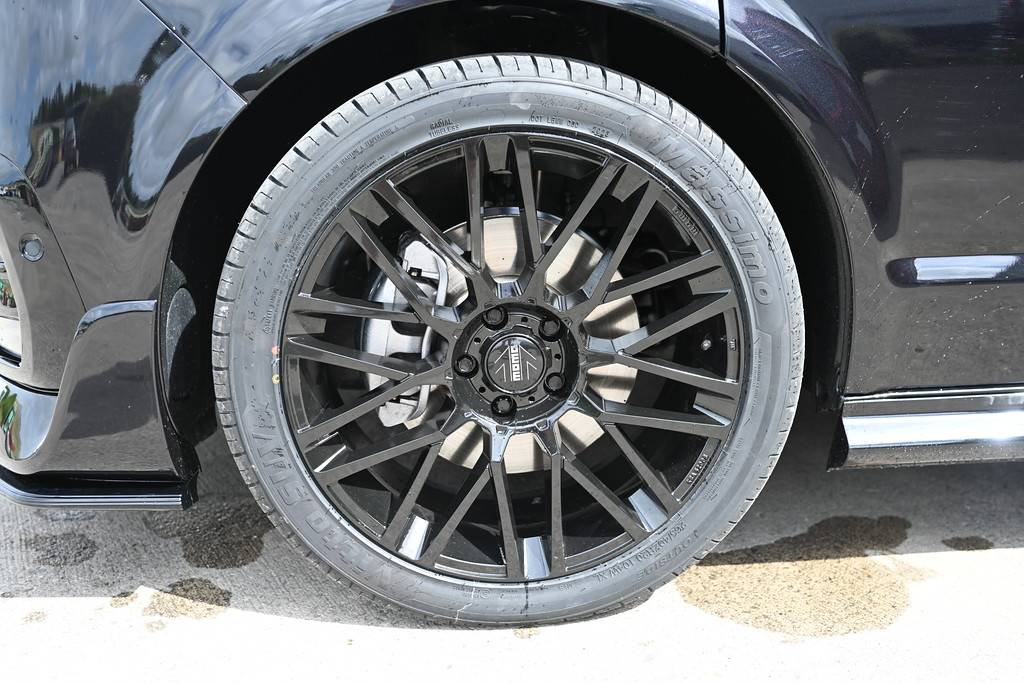
The Volkswagen Transporter has long held a unique position on UK roads. Available as an unyielding panel van, a versatile Kombi with rear seating, or a refined Caravelle passenger carrier, it bridges the gap between commercial workhorse and everyday family vehicle. While many leave the factory fitted with genuine commercial alloys, the aftermarket for Transporter wheels is vast. Upgrading or replacing your wheels transforms the stance and visual appeal of the vehicle, but doing so safely requires a thorough understanding of commercial vehicle engineering. Vans operate under vastly different stresses than standard passenger cars, meaning fitment choices involve far more than aesthetic preferences.
Understanding load ratings and gross vehicle weight
The single most critical factor when selecting wheels for any commercial vehicle is the load rating. Every Volkswagen Transporter is assigned a Gross Vehicle Weight (GVW) by the manufacturer, alongside maximum permissible axle weights for the front and rear. These figures reflect the maximum allowable weight of the van, including its chassis, fuel, fluids, driver, passengers, and full payload capacity.
Every individual alloy wheel must be engineered and tested to support at least half of the maximum axle weight of the axle it is fitted to. For example, if a heavy-duty panel van has an exceptionally high rear axle limit to accommodate tools and building materials, each rear wheel must safely support that load with an adequate safety margin. Fitting a wheel with an insufficient load rating risks catastrophic structural failure, especially when encountering potholes, traversing speed humps, or braking heavily under a full load.
You can find your vehicle’s exact weight boundaries on the vehicle identification plate, which is typically found on the passenger or driver door pillar or under the bonnet. Because load ratings vary significantly between different payload specifications and body styles, an alloy designed for an unladen passenger-carrying Caravelle may not be rated high enough for a fully laden long-wheelbase panel van.
Why passenger car alloys and tyres are not suitable
A common error in the modified van community is sourcing attractive wheels from passenger saloons or estate cars. While some passenger models may share the same mounting layout, passenger car wheels are almost never tested or certified to endure the weight of a commercial van. A mid-sized saloon has a significantly lower gross weight profile than a medium-sized panel van. Even if an alloy bolts onto the hub without physical resistance, the internal casting may fail under commercial stress, leading to hairline cracks, sudden buckling, or rapid deflation.
The same logic applies strictly to tyres. Commercial vehicles require reinforced tyres that feature specific commercial construction designations or higher load indices that align with the van's axle capacities. Standard passenger car tyres with low load limits will suffer from sidewall bulge, excessive internal heat build-up, erratic handling, and an increased risk of high-speed blowouts. Always cross-reference the tyre specification against your vehicle documentation before fitting any aftermarket wheel-and-tyre package.
How to verify the correct fitment for your Transporter
Alloy wheel fitment encompasses several precise mechanical dimensions. To ensure complete mechanical compatibility, you must confirm the bolt pattern, centre bore, offset, and physical clearance within the wheel arches. Because these specifications vary across different Transporter production generations, you must never assume parts are interchangeable without checking the vehicle documentation.
To establish the exact requirements for your van, consult the following sources:
- The owner’s handbook: This provides official manufacturer guidelines on approved wheel sizes, tyre configurations, and maximum operating specifications.
- The tyre placard or door-pillar plate: Located on the driver or passenger door frame, this plate details recommended tyre configurations, cold inflation pressures, and axle load limits.
- Specialist supplier lookups: Entering your vehicle registration with an established commercial wheel retailer will filter compatible options based on DVLA database records.
Pay close attention to offset and centre bore. If the offset is incorrect, the wheel may sit too far inward, fouling the suspension struts and brake calipers, or sit too far outward, pushing the tyre beyond the bodywork. Always check whether the wheels require specific hub-centric spigot rings or specialist wheel bolts, as standard commercial bolts may not seat correctly on an aftermarket alloy.
Steel wheels versus alloy wheels on this van
Choosing between steel wheels and alloys depends heavily on how you use your van. Factory steel wheels are renowned for durability. If you operate primarily on harsh construction sites, navigate rural roads with deep ruts, or park regularly against high commercial kerbs, steel wheels offer immense resilience. In the event of heavy impact, steel bends rather than fractures, and it is far more resistant to the aggressive corrosion caused by road salt and brake dust.
Conversely, high-quality alloy wheels provide clear dynamic and visual benefits. Alloys reduce unsprung weight at each corner of the vehicle, which can improve steering response, suspension dampening, and overall ride comfort. The open-spoke architecture of most alloys also promotes superior airflow across the brake discs and calipers, aiding heat dissipation during sustained downhill driving or frequent stop-start urban deliveries. For Kombi and Caravelle owners who prioritise refinement and styling, alloys remain the premier choice.
Inspecting used vans with alloys and long-term care
If you are exploring the marketplace for a used Volkswagen Transporter, inspect any fitted alloy wheels with great care. Many vans on the secondary market feature aftermarket wheels installed by previous owners. To ensure they are safe and legal, look on the reverse side of the wheel spokes for stamped markings confirming the individual load rating, along with recognized safety testing certifications such as TÜV or JWL.
Carefully check the wheels for internal hairline cracks, flat spots on the inner rims, or evidence of previous structural welding repairs. Check the tyres across the full width of the tread for signs of uneven wear, which could signal misalignment, worn suspension bushes, or an incorrect wheel offset. Those browsing wider selections of used vans should apply these same inspection principles to any commercial vehicle boasting non-standard running gear.
Maintaining commercial alloys requires regular attention. Commercial brake pads generate heavy metallic dust that bonds to the alloy finish if left unattended. Wash the wheels weekly using a dedicated, pH-neutral wheel cleaner and soft brushes rather than acidic car-wash chemicals. During winter months, thoroughly rinse road grit and salt from the inner barrels of the wheels to avoid corrosion, lacquer peel, and bead-leak air loss.
Frequently asked questions
Can I use car alloys on a Volkswagen Transporter?
No, you should never fit passenger car alloys unless you have confirmed that their individual load rating strictly meets or exceeds the maximum axle weight of your specific van. Most passenger car alloys are not engineered to withstand the weight of a commercial vehicle carrying passengers or tools.
Where can I find the correct wheel and tyre information for my van?
You should check the manufacturer owner’s handbook, the tyre pressure placard located on the door pillar, or cross-reference your vehicle registration with a certified commercial wheel supplier to find exact factory-approved dimensions and limits.
Do I have to tell my insurer if I fit aftermarket alloys?
Yes. Fitting aftermarket alloy wheels is categorized as a vehicle modification under UK insurance policies. You must notify your insurer to ensure your cover remains fully valid, even if the wheels are similar in dimensions to original factory equipment.
How does changing wheels affect my tyre pressure monitoring system?
If your van uses direct sensors inside the tyre valves, new wheels will require compatible sensors installed and calibrated to avoid dashboard error lights. If your van uses indirect ABS-based monitoring, you simply reset the system through the vehicle settings menu after checking your tyre pressures.
What markings should I look for on a used alloy wheel?
Inspect the rear of the wheel spokes or the hub face for a stamped load rating number, which confirms the maximum weight the wheel can carry. You should also look for recognized commercial testing stamps, and ensure there are no signs of structural cracks or previous weld repairs.