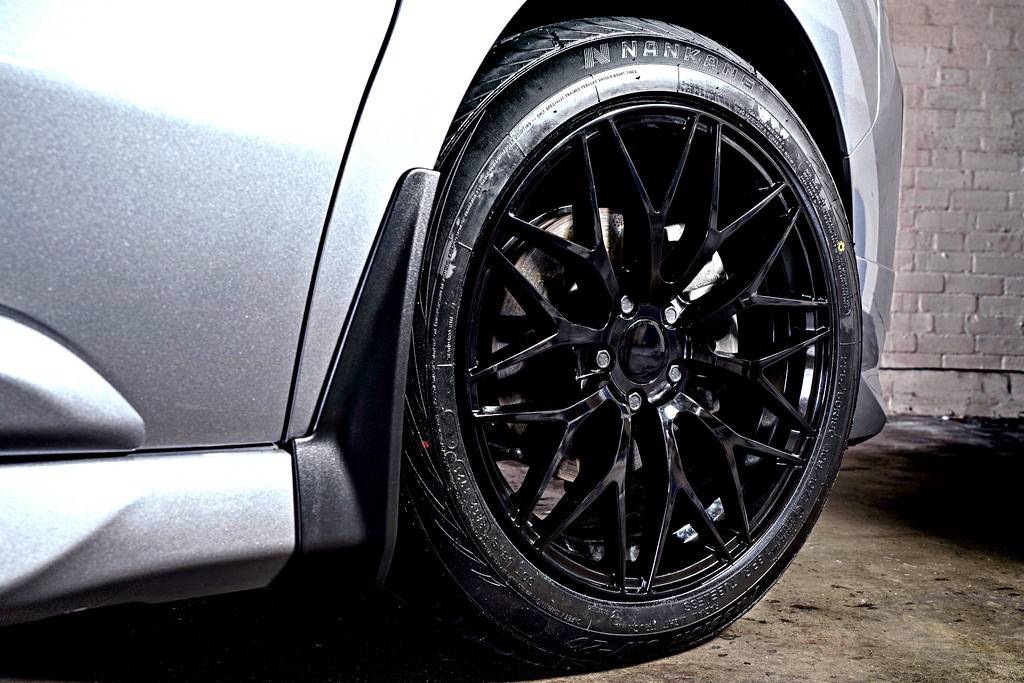
Upgrading or replacing the wheels on a Vauxhall Vivaro is one of the most popular modifications for commercial operators and camper converters alike. A set of alloy wheels can dramatically enhance the aesthetic appeal of a work van, giving your business a sharper, more professional roadside appearance. However, choosing wheels for a commercial vehicle is far more complicated than picking wheels for a standard passenger car. A Vivaro routinely carries heavy payloads, encounters rugged building sites, and absorbs substantial road abuse, meaning safety, structural strength, and correct engineering specifications must take precedence over styling.
Whether you operate an earlier generation workhorse, a modern diesel van, or a battery-electric model, understanding the mechanical requirements of your specific chassis is essential. If you are currently shopping the market for a used Vauxhall Vivaro, or looking to refresh the one you already own, this guide covers everything you need to know about selecting, fitting, and maintaining alloy wheels safely and legally.
Load Ratings and Axle Weight Capacities
The single most critical factor when selecting alloy wheels for a Vauxhall Vivaro is the load rating. Every commercial van is built to haul freight, meaning its wheels must be engineered to withstand immense downward force, especially when cornering or striking road defects under full payload. The wheel's load rating represents the maximum weight a single rim can safely support.
To determine the minimum acceptable load rating, you must consult your van's maximum gross vehicle weight (GVW) and its individual gross axle weight ratings (GAWR). A commercial vehicle distributes its weight unevenly between the front and rear axles, with the rear axle typically carrying the greatest burden when laden. A safe alloy wheel must carry at least half of the higher axle's maximum permissible weight. Using passenger car wheels on a Vivaro is dangerous and illegal: car wheels are designed for significantly lighter chassis and can crack, bend, or suffer catastrophic structural failure under heavy commercial loads.
Finding the Correct Fitment Across Vivaro Generations
The Vauxhall Vivaro has evolved through multiple distinct generations, transitioning from early joint-venture platforms to modern Stellantis architectures, alongside dedicated all-electric variants. Because chassis underpinnings changed dramatically between these generations, wheel fitments are not universal across the Vivaro lifespan. Critical engineering measurements vary, including:
- Stud Count and Pitch Circle Diameter: The spacing and quantity of the wheel bolt holes differ across generations. A wheel from an early model will not bolt onto a modern platform.
- Centre Bore: The diameter of the central hole must match the van's hub spigot exactly to ensure the wheel is hub-centric, preventing dangerous vibrations and shearing forces on the wheel bolts.
- Offset: The distance between the hub-mounting surface and the wheel's true centerline determines how far the wheel sits inside the arch. An incorrect offset can cause tyres to rub against internal suspension components or protrude beyond the wheel arches.
You must never guess these measurements. To verify the precise fitment specifications for your specific vehicle, inspect the manufacturer handbook, examine the tyre placard located on the driver's door-pillar plate, or enter your vehicle registration with an accredited commercial wheel supplier before purchasing.
Steel versus Alloy Wheels: Practicality and Range
Standard factory steel wheels remain a staple on commercial vans for good reason. Steels are exceptionally tough, cost-effective to replace, and pliable enough to absorb harsh impacts without shattering. For vans working in rough environments like demolition yards or forestry, steel wheels with heavy-duty hubcaps are often the most practical choice.
In contrast, alloy wheels offer noticeable functional advantages alongside their visual appeal. High-quality alloys dissipate heat from the brakes more efficiently than covered steel wheels, which is a major benefit for vehicles frequently hauling full payloads through urban traffic or downhill descents. Furthermore, lighter wheels can reduce unsprung mass, improving steering response and ride comfort.
If you drive an electric Vivaro, wheel choice has a direct bearing on driving range. Larger, wider wheels and heavier aftermarket rims increase rolling resistance and aerodynamic drag, which depletes battery capacity faster in cold weather or on motorway runs. When specifying alloys for an electric van, prioritising aerodynamically efficient designs and lightweight commercial construction will help safeguard your real-world range between charges.
Tyres, TPMS, and Legal Insurance Requirements
Alloy wheels must be paired with tyres that match the vehicle's commercial demands. Van tyres must carry an appropriate commercial designation (often marked with a 'C' or designated as reinforced/extra load) and have a load index capable of supporting the axle limits. Fitting passenger car tyres to a commercial van, even if they fit the wheel diameter, will result in an immediate MOT failure, invalidate your insurance, and create a severe blowout risk.
Modern Vivaro vans also feature a Tyre Pressure Monitoring System (TPMS). Depending on the production year, your van may use indirect TPMS (calculating pressure differences via ABS wheel-speed sensors) or direct TPMS (physical sensor valves fitted inside each wheel rim). If your van uses direct sensors, any new alloy wheels must have compatible TPMS sensor valves installed and coded to the vehicle's ECU to prevent dashboard error lights and maintain legal roadworthiness.
From an insurance perspective, changing from factory steel wheels to aftermarket alloys constitutes a vehicle modification. You must notify your commercial vehicle insurer immediately upon fitting aftermarket wheels. Failing to declare wheel modifications gives the insurer legal grounds to reduce a payout or cancel your policy outright in the event of an accident or theft claim.
Inspecting Used Alloys and Maintenance Best Practice
If you are browsing through wider selections of used vans and find a Vivaro that has already been fitted with alloy wheels, a thorough inspection is critical before concluding any purchase:
- Examine the Rear Face: Authentic commercial-grade wheels have their maximum load rating and technical specifications permanently stamped or cast into the metal on the rear of the spokes. If there are no legible load stamps, treat the wheels with extreme caution.
- Check for Structural Repairs: Inspect the inner and outer rims for hairline cracks, severe flat spots, or signs of prior welding. Repaired commercial wheels may have compromised structural integrity.
- Assess Kerb Damage: Deep gouges from kerbing can weaken the rim flange and lead to gradual bead leaks, causing persistent tyre deflation.
To keep alloys in optimal condition, wash them frequently using pH-neutral wheel cleaners to remove corrosive brake dust and winter road salt. Avoid abrasive cleaners that strip the clear protective lacquer. Finally, always ensure wheel bolts are torqued by hand using a calibrated torque wrench to the exact setting specified in your owner's handbook, re-checking the tightness after driving the first fifty miles following any wheel change.
Frequently asked questions
Can I fit standard passenger car alloy wheels to my Vauxhall Vivaro?
No, you should never fit standard passenger car alloy wheels to a Vauxhall Vivaro. Commercial vans carry significantly higher axle weights than standard passenger vehicles, requiring wheels with verified commercial load ratings. Passenger car wheels lack the structural reinforcement required for commercial payloads and are liable to crack or fail under heavy stress, which is dangerous, illegal, and will invalidate your motor insurance.
Where can I find the correct wheel and tyre specifications for my van?
You can locate the official specifications in your Vauxhall owner's handbook or on the manufacturer tyre placard, which is typically found on the driver's door-pillar plate or inside the fuel flap. Alternatively, reputable commercial wheel suppliers can identify the exact wheel offset, centre bore, and bolt pattern required by cross-referencing your van's registration number with official vehicle databases.
Do I need to inform my insurance provider if I fit alloy wheels?
Yes, you must inform your insurance provider if you replace your standard factory wheels with aftermarket alloys, as this is classed as a vehicle modification. While genuine Vauxhall factory-option wheels fitted from new may already be covered, aftermarket upgrades must be declared to ensure your policy remains valid and that the replacement wheels are covered against theft or damage.
Will fitting larger alloy wheels reduce the range of an electric Vivaro?
Yes, fitting larger or heavier alloy wheels to an electric Vivaro can noticeably reduce driving range. Wider wheels and tyres increase aerodynamic drag and rolling resistance, forcing the electric motor to consume more battery power per mile. For optimum range efficiency, stick to wheels and low-rolling-resistance commercial tyres that match the manufacturer's original efficiency recommendations.
How can I tell if a second-hand Vivaro has commercial-rated alloys fitted?
You can verify whether wheels are commercial-rated by checking the markings stamped into the alloy metal, typically on the inner rim or behind the spokes. Look for a stamped load rating or clear part numbers that can be verified with the wheel manufacturer. If the wheels have no commercial load certification stamped on them, they may be unrated replica wheels that are unsafe for van use.