Photos coming soon
Dealer
ULEZ ✓Van VikingBristol
Vauxhall Vivaro 2700 L1 Dynamic 1.6 CDTi 115
2019 · 88,900 mi · Diesel
2700 L1 Dynamic 1.6 CDTi 115
£8,495+ VAT
Manual
Budget
Used vans for sale under £15,000. The sweet spot budget. Browse stock and read our guide to the best used van value in 2026.
Photos coming soon
Van VikingBristol
2019 · 88,900 mi · Diesel
2700 L1 Dynamic 1.6 CDTi 115
Photos coming soon
Van VikingBristol
2019 · 79,800 mi · Diesel
290 L2 H2 Trend 2.0 EcoBlue 105
For a working sole trader or growing trade business in the United Kingdom, allocating capital for a reliable commercial vehicle requires a careful balance between upfront investment, ongoing reliability, and tax efficiency. This spending threshold marks what industry insiders widely consider the undisputed sweet spot of the second-hand commercial market. Rather than shopping at the bottom of the classifieds where tired workhorses carry six-figure mileages and uncertain maintenance records, this level of outlay elevates you directly into prime territory.
Entering the market at this level bypasses older, mechanically suspect stock without incurring the steep first-year depreciation penalties that burden brand-new models straight off the showroom floor. You are targeting modern, Euro 6 compliant workhorses that can enter Clean Air Zones in cities such as Birmingham, Bristol, Bath, and Greater London without triggering daily access charges. For professional builders, carpenters, plumbers, and electricians, this tier represents dependable, client-facing transport equipped with contemporary cab comforts, solid payloads, and years of productive service ahead.
Market dynamics in 2026 mean this purchasing allocation commands exceptional value across light commercial vehicle classes. Buyers can expect to secure late-plate vans typically between two and four years of age, often falling within the prime phase following the conclusion of initial corporate fleet or contract hire agreements. In smaller vehicle categories, you may even encounter nearly new examples that have covered minimal delivery or demonstrator duties.
Choosing the right commercial vehicle depends heavily on payload demands, load-length requirements, and daily driving environments. The following established models represent the best choices currently circulating across nationwide marketplace listings.
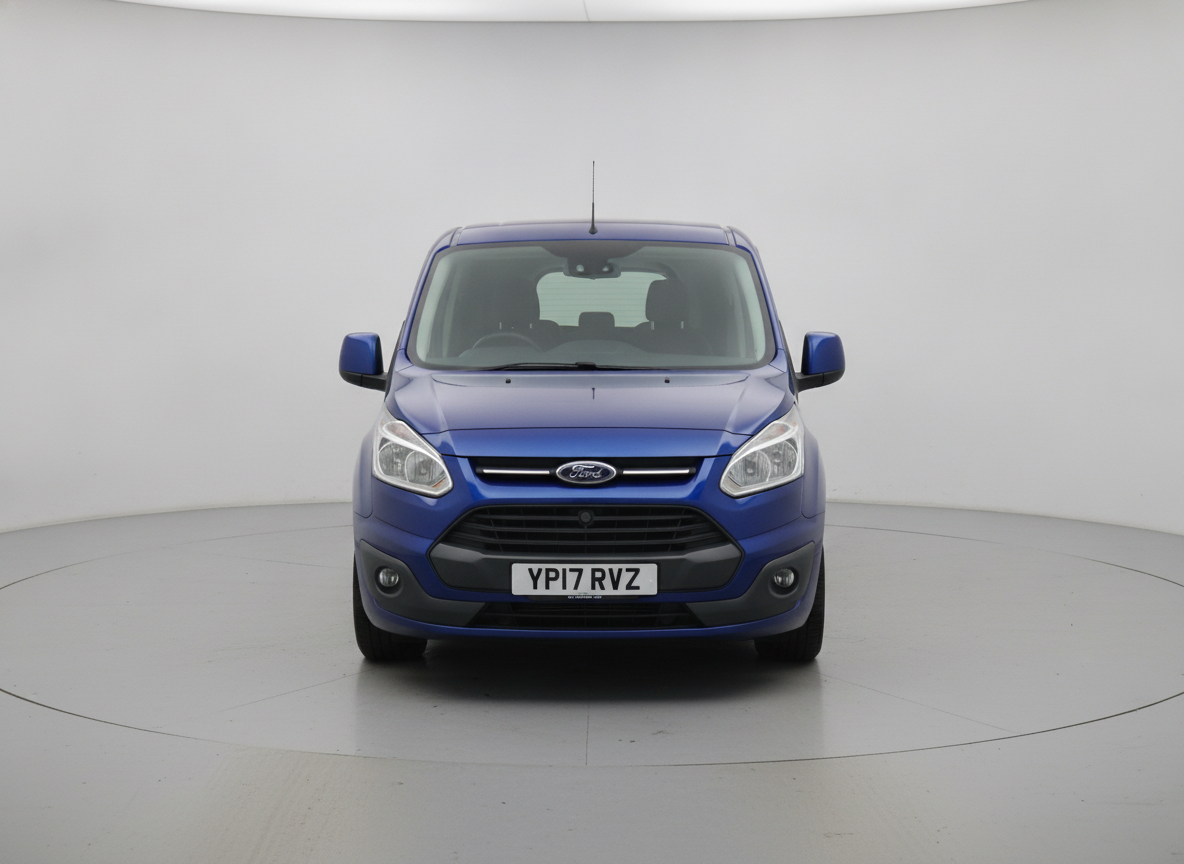
The undisputed benchmark of the medium van segment in the United Kingdom, the Transit Custom remains the vehicle against which all trade vans are judged. Within this tier, you can target well-specified Trend or Limited trim models powered by the two-litre EcoBlue diesel engine. Available in short (L1) and long (L2) wheelbases, alongside standard (H1) and high-roof (H2) configurations, the Custom easily swallows standard eight-by-four-foot sheets internally. The driving dynamics mirror those of a family hatchback, with crisp steering and comfortable cab ergonomics. When inspecting these vehicles, ensure the timing belt regime has been adhered to according to manufacturer updates, and check for consistent oil quality, as wet-belt engines require precise oil formulations to avoid premature degradation.
Known for exceptional residual value retention and immense brand cachet, the Volkswagen Transporter T6.1 is achievable in this market tier, typically featuring medium mileages. Powered by the reliable two-litre TDI engine in various power outputs, the Transporter is celebrated for its build quality, robust interior materials, and refined motorway cruising manners. It suits tradespeople who frequently double their working vehicle as personal transport at the weekend. When evaluating a Transporter, inspect the service intervals for the dual-mass flywheel and check whether the timing belt and water pump have been refreshed on schedule, as well as confirming smooth gear changes on DSG automatic variants.
Sharing its modern platform with stablemates from Peugeot, Citroen, and Toyota, the third-generation British-built Vauxhall Vivaro is one of the most value-rich contenders in the medium segment. Because production volumes are high, this budget allows buyers to target exceptionally fresh, lower-mileage examples, often in Sportive or Elite trims with extensive standard equipment. Its car-like driving position, compact overall height permitting entry into underground car parks, and punchy one-point-five or two-litre turbo-diesel engines deliver outstanding fuel efficiency. Pay close attention to AdBlue system integrity and check the rear suspension bushings during road tests.
When payload capacity and physical load volume take priority over easy domestic parking, the two-tonne full-size Ford Transit steps forward. Heavy trades such as groundworkers, scaffolders, and general builders will find rear-wheel-drive and front-wheel-drive variants readily accessible at this investment tier. Cab space is cavernous, offering true three-abreast seating without cramping the driver. Look for L3H2 or L3H3 configurations to achieve walk-in loading height and expansive cargo space. Given the hard work these vehicles endure, scrutinise the side loading door rollers, rear door hinges, and underbody condition for signs of off-road building site abuse.
For uncompromising durability and long-distance motorway hauling, the Mercedes-Benz Sprinter remains a gold standard. At this budget level, third-generation models featuring the advanced MBUX infotainment suite and class-leading safety electronics are obtainable, usually with higher fleet mileage than equivalent medium vans. The rear-wheel-drive chassis handles heavy loads with unflappable stability, while the build quality of structural mechanical components is legendary. Prospective buyers should thoroughly check the front suspension components, verify smooth shifting from the automatic transmission if equipped, and inspect the bodywork meticulously around loading thresholds.
The Volkswagen Crafter shares its platform with the MAN TGE and represents one of the most sophisticated, refined large panel vans on British roads. Offering class-leading ergonomics with an electro-mechanical steering setup that makes a five-metre-long van feel nimble in tight urban drop-offs, the Crafter is an exceptional tool for couriers, fitters, and joiners. Within this pricing bracket, clean L3H3 models with complete fleet documentation are achievable. Check the cargo floor for structural damage, ensure the DPF regeneration cycles have completed properly, and test all driver assistance sensors along the front bumper.
Buying through an online vehicle marketplace gives you access to stock advertised by varied sellers, enabling you to secure third-party funding or choose retail finance directly through dealer partners. As an informational platform, Vansales does not lend money, arrange credit, or act as a financial broker. Independent commercial vehicle finance generally divides into three primary routes for sole traders and limited companies.
Hire Purchase is historically the most straightforward method for tradespeople who intend to retain their van for five, six, or more years. You typically put down an initial deposit—often equivalent to the VAT amount, which can subsequently be reclaimed if registered—followed by fixed monthly payments spread over two to five years. Once the final fee or payment is made, legal title transfers fully to you or your business. HP allows you to claim capital allowances against your taxable profits, making it popular for businesses aiming to own the asset outright without mileage restrictions.
While more common in the passenger car market, PCP is available on eligible commercial vehicles through select retail dealerships. PCP divides the funding into a modest deposit, manageable monthly outlays, and a larger optional balloon payment at the end of the term. The balloon figure reflects the guaranteed future value calculated at the start of the contract. At the conclusion, you can pay the balloon to keep the van, hand it back without further obligation provided it meets condition and mileage stipulations, or trade it in against another vehicle. This structure suits trades carrying lighter gear who prefer changing vans every three to four years.
Finance Lease is widely favoured by VAT-registered partnerships and limited companies seeking off-balance-sheet or tax-deductible operational flexibility. You hire the vehicle for a fixed term, paying monthly rentals that can be offset directly against company trading profits as an operational expense. Unlike traditional contract hire, a finance lease incorporates residual value risk: at the end of the term, the van is sold to an independent third party, and you either receive a substantial percentage of any surplus equity above the agreed residual balloon, or must make up the shortfall if the vehicle has been depreciated excessively through harsh use or excessive mileage.
Understanding how Value Added Tax interacts with commercial vehicle purchases is crucial when evaluating adverts across our marketplace. When browsing, you will encounter adverts marked with qualifying VAT, while others are marked under the Margin Scheme or as zero-VAT private sales.
When searching marketplace stock, vehicles under this budget threshold are offered primarily through two distinct commercial seller channels: franchised manufacturer main dealers and independent commercial specialists.
Main dealers handle official manufacturer-approved used schemes. The key benefit here is strict preparation standards: vehicles undergo comprehensive multi-point mechanical inspections conducted by brand-trained technicians, any outstanding manufacturer recalls or software updates are applied, and warranties are backed directly by the factory, often spanning twelve months with nationwide breakdown cover included. The trade-off is that franchised dealers generally operate with lower price flexibility and their sticker figures sit toward the top end of the market scale.
Independent van dealers stock a broad cross-section of makes and models side by side, allowing you to test-drive a Transit Custom, a Vivaro, and a Transporter on the very same afternoon. Independents frequently possess lower overheads and can demonstrate greater agility in tailoring deals, accepting varied part-exchanges (including older work vans or plant machinery), and fitting aftermarket accessories on-site. However, prep quality varies across independent dealerships. It is vital to scrutinise the reputation of the business, inspect the terms of any third-party mechanical warranty offered, and verify that mechanical preparation has been completed thoroughly rather than cosmetically.
In the commercial vehicle market, negotiating purely on the headline purchase figure is not always the most effective strategy. Commercial dealers operate on calculated margins, but they often have significant latitude to package valuable workshop services and utility upgrades into the transaction without eroding their base margin. When finalising your purchase, leverage the following operational elements to maximise the real-world value of your investment:
Selecting your next commercial workhorse at this budget level should be an empowering step for your trade business. By focusing on verified service histories, selecting the correct payload class for your daily operations, and exploring the appropriate finance and VAT recovery methods, you can secure a modern, professional, and reliable van that elevates your company image while protecting your operational bottom line for years to come.
Read our guide to van finance, then tell us your budget. We are not a lender: this page is information only.