Buying a used Fiat Ducato
Fiat Ducato Overview: The Heavyweight Payload Champion
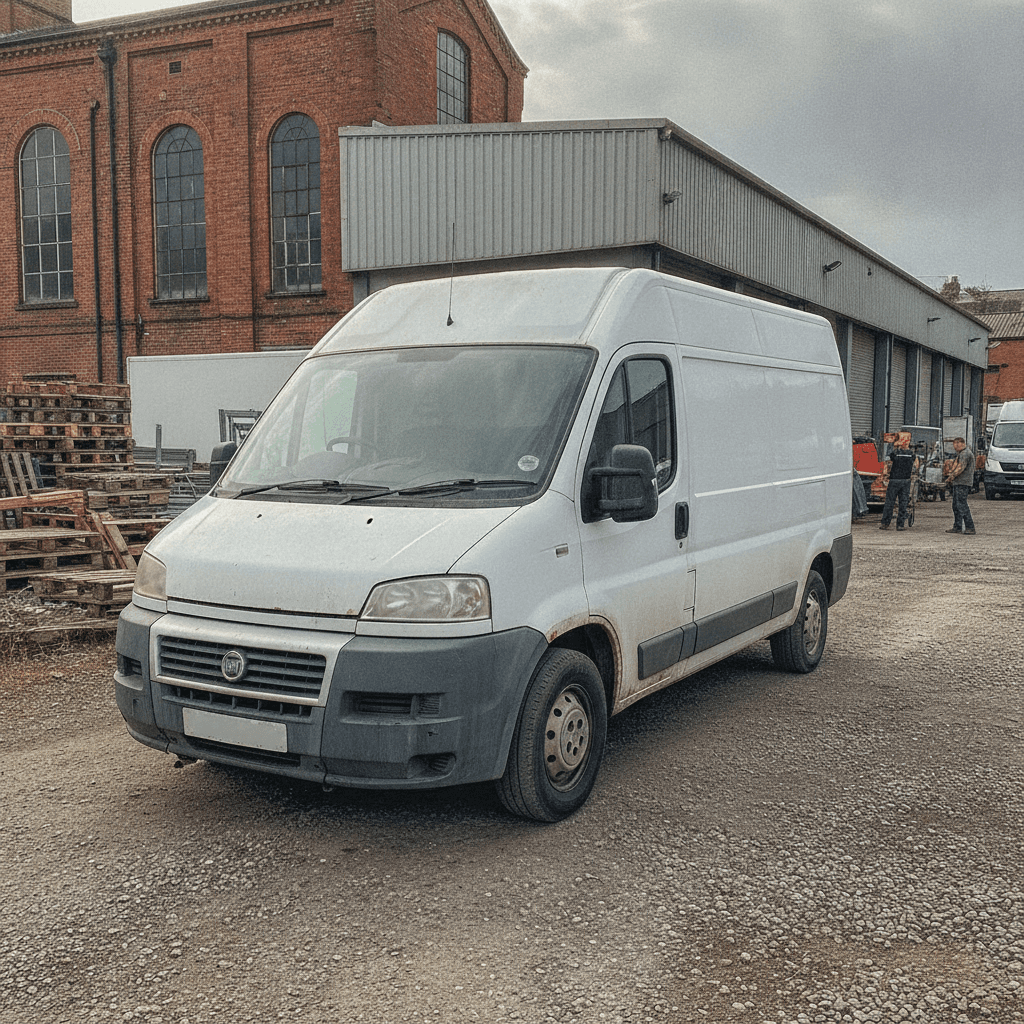
In the competitive British commercial vehicle market, the Fiat Ducato holds an enviable reputation as an uncompromising workhorse. While many large commercial vans have transitioned into car-like vehicles packed with complex, weight-adding luxury equipment, the Ducato has steadfastly remained focused on core trade practicalities: outright payload capacity, internal volumetric efficiency, and low operational overheads.
Developed as part of the long-standing Sevel Sud joint venture alongside the Peugeot Boxer and Citroën Relay, the Ducato shares its structural body shell and front-wheel-drive underpinnings with its French siblings. However, the Italian counterpart frequently sits at the top of a tradesperson's shortlist because of what sits underneath the bonnet. For the majority of its production run, Fiat equipped the Ducato with its own proprietary FPT (Fiat Powertrain Technologies) industrial diesel engines rather than the PSA units found in the Boxer and Relay. These powertrains gained a dedicated following for their low-end torque, unyielding durability under constant maximum gross vehicle weights, and long mechanical lifespans.
Because the Ducato drives exclusively through the front wheels, it lacks a heavy longitudinal prop shaft and rear differential. This layout translates directly into two major competitive advantages: a significantly lower floor height than rear-wheel-drive alternatives, and an exceptionally low kerb weight. For UK sole traders, hauliers, and fleet managers operating under standard Class 7 light commercial licensing limits, a used Fiat Ducato provides more usable carrying capacity than almost any other vehicle in the heavy panel van class.
Body Styles, Dimensions, and Capacities Explained
Navigating the pre-owned market requires an understanding of Fiat's sizing nomenclature. Ducato vans are designated by length (L1 through L4) and roof height (H1 through H3), providing a tailored platform for everything from urban multi-drop couriers to long-distance structural materials transport.
Wheelbases and Cargo Dimensions
- L1 (Short Wheelbase): Built on a 3,000mm wheelbase with an overall vehicle length of 4,963mm. Internal load bed length measures 2,670mm. Excellent for tight urban deliveries and multi-storey car parks in H1 guise.
- L2 (Medium Wheelbase): Features a 3,450mm wheelbase and a 5,413mm overall length, providing an internal cargo floor length of 3,120mm. This is a common choice for general building contractors and domestic plumbers.
- L3 (Long Wheelbase): Sits on a 4,035mm wheelbase stretching to 5,998mm overall, delivering an internal load floor length of 3,705mm. Capable of carrying full lengths of conduit, copper piping, and multiple standard pallets.
- L4 (Extra-Long Wheelbase / Maxi): Utilises the 4,035mm wheelbase but adds an extended rear overhang, taking overall length to 6,363mm and internal cargo bed length to 4,070mm. This variant represents the bulk transport choice for parcel delivery hubs and large-scale removal firms.
Roof Heights and Internal Volumes
- H1 (Standard Roof): Offers an internal standing height of 1,662mm and load volumes ranging from 8.0 to 11.5 cubic metres depending on the wheelbase selected.
- H2 (High Roof): The most common variant in the UK, providing an internal cargo height of 1,932mm. Tradespeople over six feet tall can stand completely upright inside, with volumes spanning 10.0 to 15.0 cubic metres.
- H3 (Super High Roof): Delivers a massive internal height of 2,172mm, pushing total cubic capacity on the L4 chassis to an enormous 17.0 cubic metres.
Gross Vehicle Weight and Payload Reality
The Ducato is offered across several chassis gross vehicle weights (GVW), traditionally badged as the Ducato 30 (3,000kg), Ducato 33 (3,300kg), Ducato 35 (3,500kg), and Ducato 40 Maxi (4,005kg). For drivers holding a standard UK car licence, the 3.5-tonne (Ducato 35) is the primary target.
Thanks to the lightweight chassis design, a front-wheel-drive L1H1 Ducato 35 can legally achieve payloads in excess of 1,600kg, and certain stripped-down commercial chassis derivatives can carry up to 1,900kg. Even a high-volume L3H2 panel van frequently achieves a payload rating north of 1,450kg—far outstripping equivalent rear-wheel-drive Ford Transit, Mercedes-Benz Sprinter, or Volkswagen Crafter models. Furthermore, the rear wheel arches sit an impressive 1,422mm apart, permitting an 8x4 sheet material to lay completely flat on the floor or standard 1,200mm Euro pallets to be loaded crossways through the wide side-sliding or rear barn doors.
Chassis Cab and Conversion Variants
Beyond traditional steel-sided panel vans, the pre-owned market features an extensive array of factory-approved and aftermarket chassis conversions. Because the rear chassis rails sit low to the ground and run flat without axle intrusion, the Ducato is the undisputed industry benchmark for dropside trucks, three-way tippers, high-capacity Luton box vans with tail lifts, low-loader furniture vans, and vehicle recovery transporters.
Engine Lineup: MultiJet Powertrains Under the Microscope
Choosing the right engine on a pre-owned Fiat Ducato is critical to balancing fuel economy against the pulling power required for your daily work.
The 2.3 MultiJet II (The Benchmark Workhorse)
Fitted extensively across Euro 5 and Euro 6 production until recent model updates, the 2.3-litre four-cylinder FPT diesel engine is broadly considered the finest powerplant to ever sit inside a Sevel-platform van. Available in power outputs of 120hp, 130hp, 150hp, and an aggressive twin-scroll turbocharged 180hp, this engine uses a robust cast-iron block, an aluminium cylinder head, and a toothed timing belt. The 130hp and 150hp variants provide the sweet spot for balance between real-world commercial pulling power and low fuel usage.
The 3.0 MultiJet Power (Heavy Towing and Long Haul)
Discontinued during the transition to tighter Euro 6 emissions regulations, the 3.0-litre industrial Iveco-derived diesel engine remains legendary on the second-hand market. Pumping out 160hp to 180hp with a monumental 400Nm of torque, this engine utilises a heavy-duty timing chain rather than a rubber timing belt. For operators towing heavy plant trailers, running close to maximum gross train weights, or traversing hilly terrain daily, finding a clean, well-serviced 3.0-litre Ducato is the gold standard.
The 2.0 MultiJet (Urban Delivery Focused)
Introduced briefly to meet Euro 6b regulations on smaller wheelbases, the 2.0-litre unit produced 115hp. While exceptionally frugal around city streets and light suburban duties, it lacks the sustained pulling power required for high-mileage motorway cruising or heavy 3.5-tonne operations. Working this smaller unit under permanent maximum loads places higher stress on mechanical ancillaries.
The 2.2 MultiJet 3 (Modern Generation)
Replacing the stalwart 2.3-litre unit, the latest generation of Ducato models uses a 2.2-litre engine derived from parent company Stellantis. Available in power outputs from 120hp to 180hp, it features reduced internal friction, lower overall emissions, improved refinement, and full compliance with the strictest urban clean air zones.
Gearboxes: Manual vs Comfort-Matic vs Nine-Speed Automatic
The standard transmission is a six-speed manual. The shift lever is dash-mounted, allowing easy cross-cab movement. It provides positive engagement, though synchromesh wear can emerge on abused examples.
Automated transmissions on older Ducatos require close scrutiny. From roughly 2008 to 2019, two-pedal driving was catered for by the Comfort-Matic gearbox. This is not a conventional torque-converter automatic; it is an automated manual transmission using an electronically managed single clutch and hydraulic robotic actuators. Gear changes are notoriously sluggish, and replacement hydraulic actuators can prove expensive. In contrast, late-model Ducatos feature a superb, torque-converter nine-speed ZF automatic gearbox, which shifts smoothly, preserves fuel economy, and handles high torque without hesitation.
Who Buys a Used Fiat Ducato and Why?
The used Fiat Ducato appeals to a diverse range of business sectors across the United Kingdom due to its unique structural advantages:
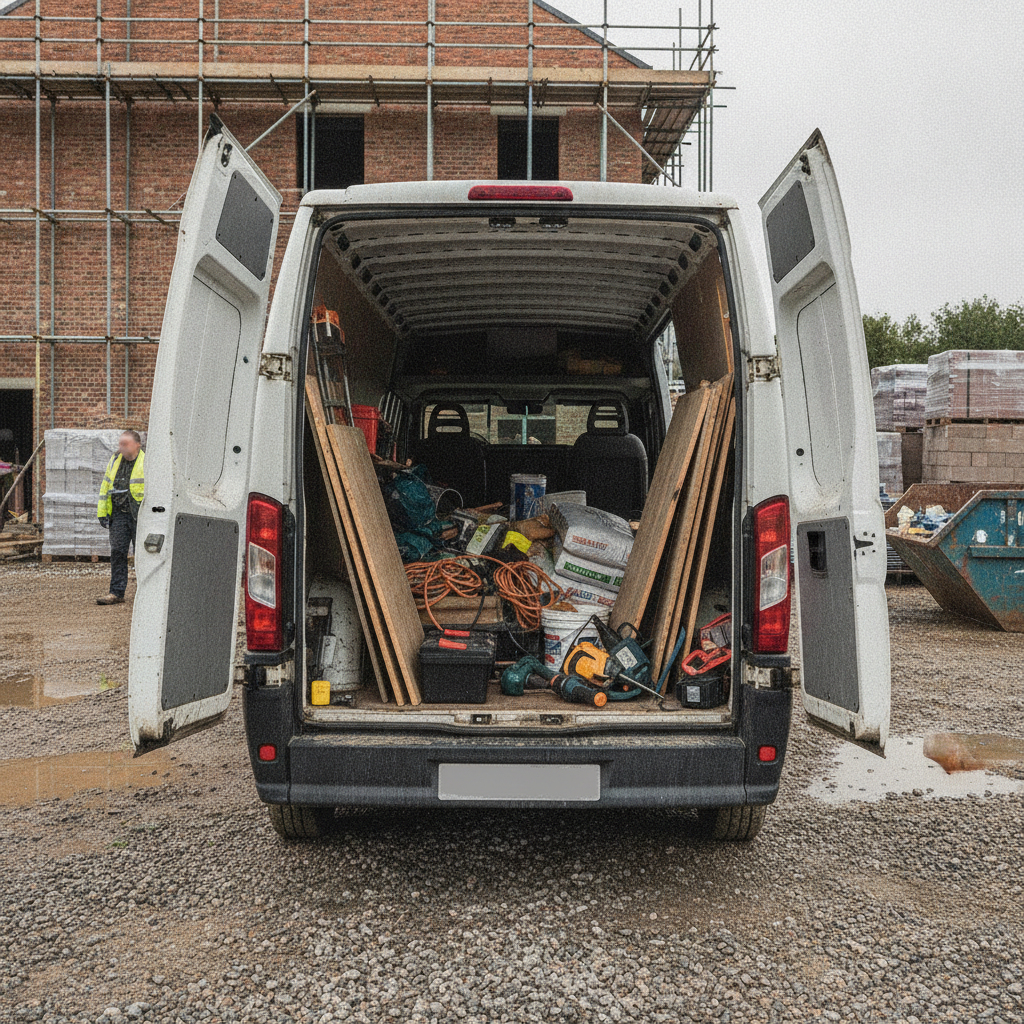
- General Builders, Bricklayers, and Plasterers: Payload limits are the primary concern for heavy construction trades. While other vans run the risk of overloading with just a pallet of cement and basic tools onboard, the Ducato 35 provides maximum breathing room before reaching the legal 3,500kg threshold.
- Carpenters, Joiners, and Shopfitters: The flat internal sidewalls and generous space between the wheel arches allow 2,400mm x 1,200mm plywood, plasterboard, and MDF sheets to lay dead flat on the floor or slide neatly against the internal framework.
- Multi-Drop Couriers and Logistics Networks: The front-wheel-drive platform yields an extraordinarily low load sill height of just over 500mm from the tarmac. For couriers stepping into and out of the rear bay dozens of times a day, this reduces joint fatigue and accelerates cargo access.
- Campervan Converters: The Ducato represents the most popular base vehicle in Europe for motorhome builders. Its boxy proportions and interior width allow a standard full-size double mattress to be installed transversally across the van, preserving valuable internal living space that narrower rival vans consume with lengthwise bed configurations.
What to Check When Inspecting a Pre-Owned Ducato
While the mechanical core of a Ducato is deeply dependable, these vans are built to be driven hard. Thorough physical checks are mandatory prior to signing paperwork.
1. Scuttle Water Ingress and Engine Bay Corrosion
The most notorious design flaw on third-generation Ducatos involves the plastic scuttle tray positioned at the base of the windscreen. The drain holes at either end easily become choked with leaves, dirt, and road grime. When blocked, rainwater overflows the collection channel and cascades directly onto the top of the engine.
Over time, this standing water pools around the fuel injectors and glow plugs on cylinders three and four, leading to severe corrosion. In extreme situations, the injectors seize solid into the aluminium cylinder head, transforming a simple injector replacement into an expensive repair that requires hydraulic pullers or cylinder head removal. Lift the bonnet, remove any plastic engine cover, and closely inspect the top of the head for standing water, rust stains, or corroded electrical wiring.
2. Transmission and Driveline Health
When conducting a road test, take note of manual gearbox behaviour:
- Reverse Gear Shudder: Early variants can suffer from clutch judder when reversing up an incline under load. Ensure the van moves backward cleanly at slow speeds without heavy drivetrain vibration.
- Second Gear Synchromesh: Rapid downshifts from third to second gear should be smooth. Any crunching or hesitation points to worn synchromesh rings, commonly caused by aggressive city driving.
- Dual-Mass Flywheel Chatter: Listen for a distinct metallic clattering sound when idling in neutral with your foot off the clutch pedal. If depressing the pedal silences the noise, the dual-mass flywheel is reaching the end of its serviceable life.
- Comfort-Matic Quirks: If testing an automated Comfort-Matic model, verify that it cycles through every gear without warning lights, pauses, or violent shifts. Ensure it engages reverse immediately without throwing a transmission warning on the instrument cluster.
3. Suspension and Steering Wear
Because the Ducato can carry substantial payloads, its suspension components work exceptionally hard over degraded UK road networks:
- Front Suspension Top Mounts: The front strut top bearings are prone to seizing or degrading due to road spray and weight transfer, resulting in creaking or groaning noises when turning the steering wheel at low speeds.
- Rear Leaf Springs: Inspect the rear suspension under neutral load. The leaf springs should maintain an upward or flat arch. If the springs are bowed into a downward reverse arch, or if the rubber bump stops are visibly resting against the axle, the vehicle has been subjected to persistent overloading.
- Front Wheel Bearings: Heavy cornering with substantial weight leads to premature front wheel bearing wear. Listen for an oscillating, low-frequency hum that changes pitch when swerving gently between lanes at moderate road speeds.
4. Emissions Systems and Warning Lights
Euro 6 models utilise a sophisticated Selective Catalytic Reduction (SCR) system requiring AdBlue, alongside a standard Diesel Particulate Filter (DPF). Check that the dashboard is entirely free of warning lamps. Faulty AdBlue tank level sensors, defective heating elements inside the tank, and blocked injector nozzles are known weak points on Euro 6 variants. Ensure the van completes a solid, 30-minute road test up to dual-carriageway speeds to confirm it does not drop into limp-home mode under load.
Years and Configurations to Approach with Caution
Exercise heightened caution with very early Euro 6 models that adopted early-generation emissions electronics, as sensor failures can be difficult to diagnose. Furthermore, unless you possess a detailed maintenance record confirming specialist maintenance, the single-clutch Comfort-Matic automated manual gearbox requires deep scrutiny compared to the exceptionally reliable six-speed manual or the modern nine-speed torque-converter automatic.
Typical Valuation Tiers for Used Fiat Ducatos
When budgeting for a pre-owned Fiat Ducato in the UK, pricing generally separates into clear brackets based on emissions compliance, vehicle age, and recorded mileage.
Entry-Tier Vans: £3,000 to £6,000
In this pricing tier, buyers will primarily encounter older Euro 5 models with higher recorded mileages. These vehicles often feature minor bodywork imperfections, worn cab trim, and high mileage accrued from courier or fleet distribution. While mechanically robust, they are not compliant with modern clean air zones, making them ideally suited to rural trades, site-only storage, local general builders operating outside major conurbations, or entry-level DIY camper conversions.
Mid-Tier Euro 6 Vans: £6,500 to £13,000
This bracket represents the core buying zone for established trades and expanding small businesses. Vans in this category are typically Euro 6 compliant models with moderate recorded mileage. They provide entry into low-emission and clean air zones across the UK without incurring daily operational charges. Buyers can expect cleaner bodywork, complete service histories, functional air conditioning, and reliable performance ready for daily service.
Late-Plate and Premium Models: £13,500 to £22,000 or More
At the top of the pre-owned spectrum are late-plate, low-mileage commercial workhorses, including facelifted models with modern infotainment touchscreens, advanced driver assistance packages, and remaining manufacturer warranty. This tier also encompasses specialist conversions such as factory tippers, high-capacity Lutons, and exceptionally preserved L4H3 panel vans that have seen light usage.
Real-World Running Costs: Fuel, Maintenance, and Insurance
Managing the total cost of ownership is where the Fiat Ducato proves its worth to commercial owners. Its mechanical simplicity and mass production make keeping it on the road straightforward.
Fuel Economy in Everyday Use
Fuel efficiency varies depending on the load, roof height, and driving environment:
- Urban Multi-Drop: A heavily laden L2H2 or L3H2 van operating in constant stop-start city driving will reliably return between 28mpg and 32mpg.
- Motorway and Trunk Roads: On continuous motorway runs at cruising speeds, manual 2.3-litre models frequently achieve between 35mpg and 38mpg when driven smoothly. Smaller L1H1 models can nudge 40mpg unladen.
- The Nine-Speed Automatic Advantage: The modern nine-speed automatic keeps engine revs exceptionally low at motorway cruising speeds, providing an improvement of two to three miles per gallon over earlier transmissions on long-distance haulage.
Servicing Requirements and Maintenance Intervals
Fiat specifies service intervals of up to two years or 30,000 miles on modern MultiJet engines, but adhering strictly to this timeline in heavy trade environments is ill-advised. UK mechanics strongly advise dropping the engine oil and replacing filters every 10,000 to 12,000 miles or annually.
The MultiJet diesel injection system and variable geometry turbochargers demand strict adherence to low-SAPS fully synthetic motor oil. Skipping oil services causes premature turbocharger bearing failure and leads to oil dilution issues caused by interrupted DPF regenerations.
On 2.2 and 2.3-litre engines, ensure the toothed timing belt and water pump are changed within the manufacturer's recommended intervals—typically every five years or 60,000 to 90,000 miles, whichever arrives first. A snapped belt on these interference engines causes catastrophic valve and rocker damage. The 3.0-litre engine uses a timing chain, which requires checking for stretch or guide wear on high-mileage examples, but generally outlasts timing belts with clean oil changes.
Insurance Groups and Commercial Tax
The Fiat Ducato typically falls into commercial vehicle insurance groups ranging from Group 35 up to Group 43, depending on engine power, gross vehicle weight, and body specification. Standard panel vans sit on the lower end of this spectrum, while larger Maxi variants and specialist factory tippers command slightly higher premiums due to replacement chassis values. Commercial road tax across all post-2001 light goods vehicles sits at a flat standard rate, simplifying annual fleet budgeting.
Financing Your Used Fiat Ducato
Preserving working capital is a vital priority for small building firms and independent contractors. Choosing the right acquisition channel allows you to secure a reliable, clean-air-zone-compliant van while maintaining healthy cash flow for materials, trade accounts, and operational growth.
When buying pre-owned, traditional ownership routes such as Hire Purchase remain very popular. With this method, you pay an initial deposit, reclaim the VAT element on the purchase if you are a VAT-registered business, and spread the balance over a fixed term of two to five years. Once the final payment is settled, your business owns the vehicle outright as an asset on your balance sheet. To explore tailored commercial lending packages that align with your monthly revenue structure, review our available van finance options.
Alternatively, for operators who prefer driving newer, low-mileage vehicles under manufacturer warranty without taking on the depreciation risks and disposal challenges of ownership, leasing provides an efficient solution. Fixed monthly rentals, flexible mileage allowances, and potential tax efficiencies make this attractive to high-mileage trades. If keeping up to date with modern commercial vehicles fits your operating strategy, examine the latest van lease deals to evaluate how new models compare against late-plate pre-owned purchases.
The Verdict: Is a Used Fiat Ducato Right for Your Business?
The Fiat Ducato is built with commercial utility at the forefront of its design. It lacks the passenger-car cabin plastics and soundproofing of premium competitors, but it comfortably outperforms them in pure payload capacity, usable internal dimensions, and loading accessibility.
Provided you conduct thorough checks on scuttle drainage, inspect the suspension components, verify a diligent service history with timely cam belt changes, and avoid problematic automated transmissions, a used Fiat Ducato provides one of the most profitable, hard-working, and dependable investments available to the UK commercial vehicle sector.