
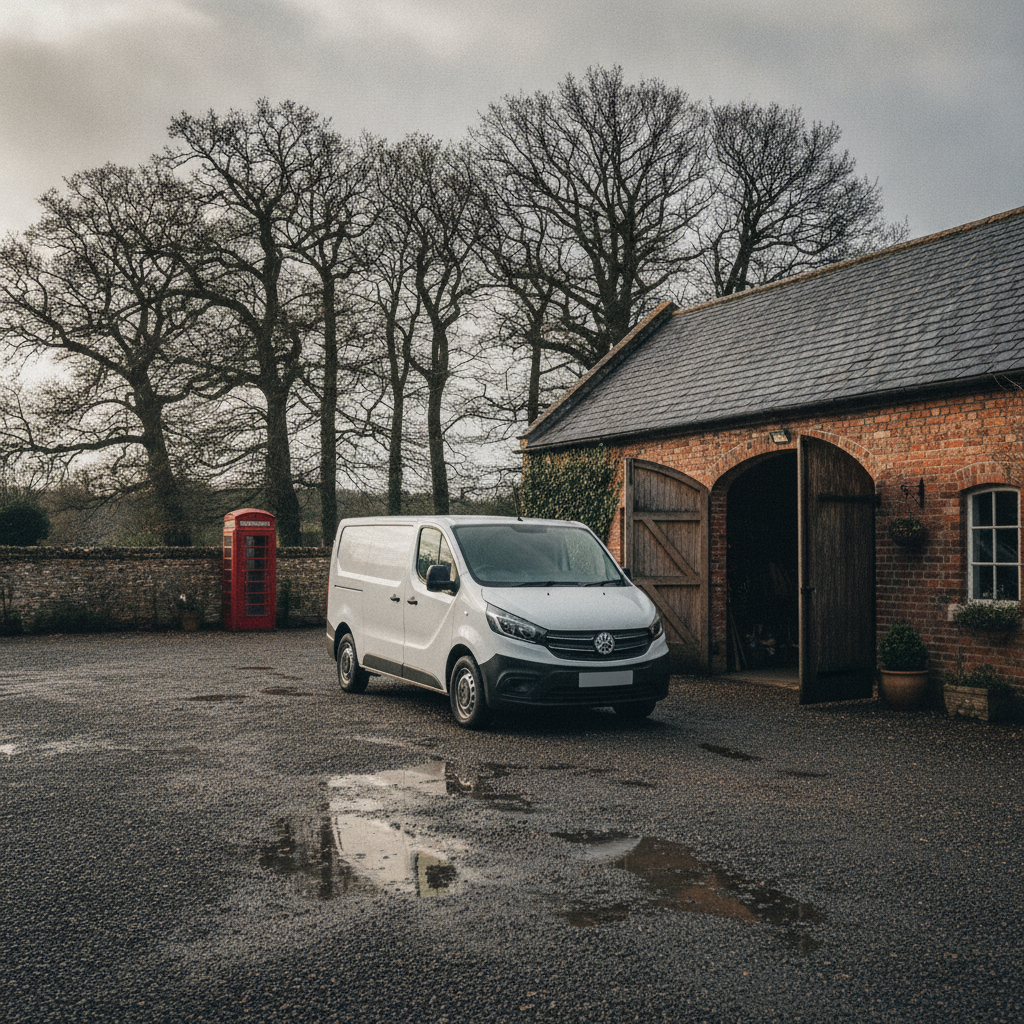
Choosing the Right Used Work Van
For British tradespeople, a commercial vehicle is far more than everyday transport. It serves as a mobile workshop, secure tool store, and visible business card on client driveways. Selecting the right model on the secondary market means balancing practical payload limits, internal cargo dimensions, day-to-day fuel economy, and mechanical reliability under sustained work loads.
With London's Ultra Low Emission Zone (ULEZ) and regional Clean Air Zones (CAZ) operating across cities including Birmingham, Bristol, Sheffield, and Bath, verifying Euro 6 compliance is vital to avoid daily access charges. When searching through the wide selection of used vans listed by private sellers and commercial dealers across the UK, matching chassis specifications to your specific trade requirements prevents costly operational mistakes.
Ford Transit Custom: The Trade Benchmark
The Ford Transit Custom has consistently led UK commercial registrations for good reason. For multi-trade contractors, joiners, and general builders, it balances responsive car-like road manners with a square, functional load bay that accommodates standard trade building materials.
- Cargo and Dimensions: The standard short-wheelbase (L1) variant carries three standard Euro pallets or 8ft by 4ft sheet materials laid flat on the load floor. The integrated load-through bulkhead hatch allows items such as copper pipe lengths, conduit, and timber up to three metres long to extend safely into the passenger footwell.
- Cab Functionality: Designed around commercial workflows, the cab provides hidden under-seat storage beneath the dual passenger bench, multiple dash-top 12-volt connections, and fold-down work surfaces for job sheets and laptops.
- Mechanical Durability: The majority of modern used models feature the 2.0-litre EcoBlue diesel engine. These units deliver strong low-end pulling power and comply with Euro 6 standards.
Trade Buyer Advice: Pay close attention to servicing history on 2.0 EcoBlue engines. These engines utilise a wet timing belt running inside engine oil. Using non-specification engine oil or exceeding oil drain intervals causes the belt material to degrade, which can clog the oil pick-up strainer and lead to sudden oil pressure loss. Request verified garage documentation confirming scheduled oil changes with the manufacturer-specified oil grades.
Volkswagen Transporter T6: Resale Value and Build Quality
Favoured by heating engineers, finish carpenters, and electrical contractors, the Volkswagen Transporter T6 commands strong prices on the used market and rewards owners with slower depreciation than most competitors.
- Residual Strength: The Transporter retains a greater proportion of its purchase value over three- to five-year cycles, reducing overall lifetime depreciation for independent operators.
- Weight Ratings: Volkswagen classifies the T6 across Gross Vehicle Weight (GVW) categories: T26, T28, T30, and the heavy-duty T32. T32 variants offer gross payloads exceeding 1,200kg, making them well-suited for carrying heavy onboard equipment or towing plant trailers.
- Cab Comfort: High-grade cab insulation, durable switchgear, and supportive seating make the T6 an exceptional motorway cruiser between distant commercial contracts.
Trade Buyer Advice: The 2.0-litre TDI single-turbo versions (102PS and 150PS) offer simpler maintenance profiles than the high-output twin-turbo (BiTDI) models. On higher-mileage examples, inspect the service record for exhaust gas recirculation (EGR) valve replacements, dual-mass flywheel changes, and condition reports on the rear suspension springs, which can fracture if subjected to persistent overloading.
Mercedes-Benz Sprinter: Heavy Hauling and Long Beds
When daily operations involve heavy materials—such as roofing tiles, structural steel, scaffolding, or groundworks equipment—medium panel vans fall short. The Mercedes-Benz Sprinter remains the commercial benchmark for high-mileage, heavy-payload duty cycles.
- Volume and Capacity: Configurable across four load lengths and three roof heights, the largest Sprinter variants offer up to 17 cubic metres of internal volume and cargo load lengths exceeding 4.7 metres.
- Drivetrain Options: Post-2018 third-generation models introduced front-wheel-drive configurations alongside traditional rear-wheel-drive and all-wheel-drive variants. Front-wheel-drive models feature an 80mm lower loading sill and an increased gross payload allowance, ideal for multi-drop delivery and lighter installation work.
- Active Safety: Standard electronic stability systems, Crosswind Assist, and radar-based autonomous braking offer stability in high crosswinds on exposed motorways.
Trade Buyer Advice: On rear-wheel-drive Sprinters, inspect the rear differential casing for oil weeping and listen for propshaft bearing whine under acceleration. Check sliding door tracks and lower sill runners for heavy grit accumulation and roller wear, and look underneath the chassis for corrosion around rear spring hangers on early examples.
Citroën Berlingo and Peugeot Partner: Agile Urban Compacts
For mobile locksmiths, appliance repair technicians, and inner-city emergency plumbers, navigating tight residential streets and multi-storey car parks makes a compact van far more practical than a medium or large platform.
- Operating Economy: The 1.5-litre BlueHDi diesel platform delivers high combined fuel efficiency, helping control running expenses on stop-start city routes.
- Multi-Flex Cab Seating: The folding outer passenger seat and hatch-equipped bulkhead let trades carry conduits, long copper piping, or multi-section ladders through the passenger footwell without requiring exterior roof racks.
- Factory Overload Sensors: Many post-2018 models feature an onboard payload sensor that illuminates a warning light on the dashboard and at the rear door handle if the vehicle approaches or exceeds its maximum plated legal capacity.
Trade Buyer Advice: Check the operation of the emissions equipment thoroughly. Ask the seller if the AdBlue tank and pump assembly have been serviced or replaced, as early versions of the modular tank cap could create vacuum locking issues that trigger emissions warnings. Inquire about timing belt and camshaft chain maintenance records with an independent workshop if documentation is unclear.
Calculating Legal Payload and Working Weight
Operating an overloaded commercial vehicle in the UK carries severe penalties from the Driver and Vehicle Standards Agency (DVSA), including immediate prohibition notices and graduated fixed penalties. When reviewing manufacturer payload specifications, calculate the difference between gross vehicle weight and working kerb weight carefully:
- Installed Van Racking: Timber ply-lining kits and bespoke steel or aluminium racking systems immediately subtract between 70kg and 180kg from your vehicle's factory payload figure.
- Roof Storage: Heavy-duty roof bars, ladder clamps, and pipe carriers consume 25kg to 45kg before any materials are loaded on top.
- Fuel and Personnel: A full 80-litre diesel tank adds roughly 68kg. The driver, passenger, personal safety gear, and on-board consumables must also be accounted for within your legal gross allowance.
- Usable Tool Capacity: A medium van showing a nominal 1,000kg factory payload capacity may have fewer than 600kg of usable allowance remaining once racking, fuel, two workers, and basic workshop equipment are inside.
Always examine the manufacturer weight plate—usually located on the passenger door pillar or under the bonnet—to confirm the Gross Vehicle Weight (GVW), Gross Train Weight (GTW), and individual axle limits before purchasing.
Trade Security and Clean Air Compliance
Tool theft remains a continuous operational threat across the UK building industry. Standard factory locks on commercial panel vans are primarily designed for convenience rather than prolonged attack resistance. When inspecting potential vehicles, prioritising those with established aftermarket physical security saves significant retrofitting expense.
- Deadlocks and Hook Locks: Mechanical deadlocks installed high on side loading and rear barn doors resist peel-and-steal attacks where thieves bend body panels down to bypass latch mechanisms.
- Internal Loom Guards: External wiring looms routing through door jambs are vulnerable to cutting; look for fitted steel shield plates that protect locking circuits from physical bypass.
- Catalytic Converter and DPF Protection: High-riding rear-wheel-drive vans are targets for catalytic converter and diesel particulate filter theft. Fitted security cages or clamp devices mitigate exhaust component theft.
- Emissions Standards: Diesel vans must meet Euro 6 standards to enter the London ULEZ and English regional Clean Air Zones without paying daily access fees. While Euro 6 became mandatory for new light commercial registrations in September 2016, double-check compliance on the official DVLA or local authority online checking tools using the vehicle registration mark.
Sourcing Your Next Commercial Van
Balancing acquisition costs, trade practicality, and fuel economy requires objective evaluation of your daily business mileage, typical material payloads, and primary operating environments. Whether funding your replacement vehicle outright through company capital or investigating independent commercial van finance options to manage operational cash flow, always carry out comprehensive mechanical checks, review full MoT histories via the DVSA digital portal, and verify the V5C logbook details before completing your transaction.
Vansales is an online commercial vehicle marketplace and informational directory that helps tradespeople locate used commercial vehicles listed by independent dealerships and private sellers throughout the United Kingdom. Review detailed chassis specifications, inspect vehicle service histories, and compare trade-ready options to secure the right working asset for your business.