
The short answer
When inspecting a used van, focus your attention on the vehicle's maintenance history, bodywork integrity, engine health, and the condition of the load area. Verifying service records confirms the van has been maintained to the manufacturer's schedule, while a detailed mechanical inspection helps you identify potential repair costs before you commit to a purchase.
What to check
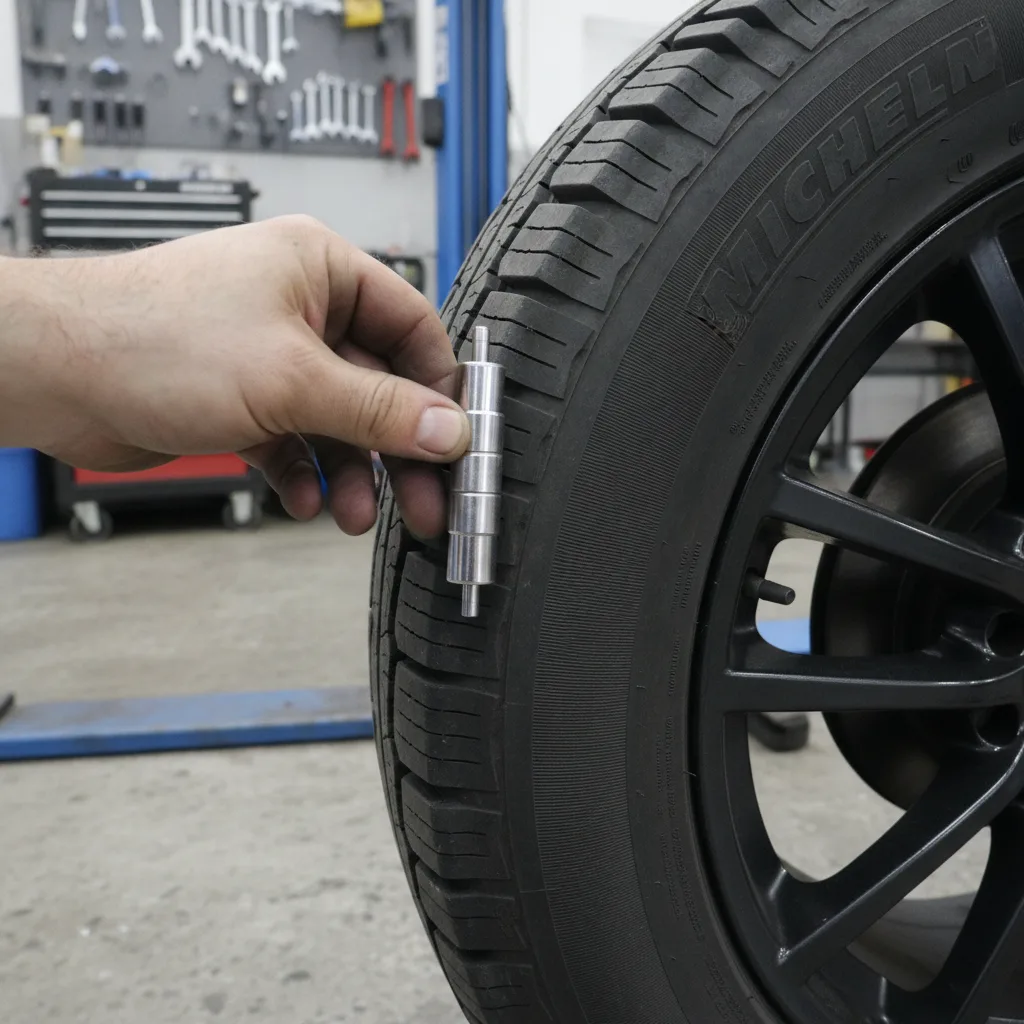
Begin your physical inspection by examining the load area floor for signs of excessive wear or structural damage caused by heavy loads. Check that the bulkhead is securely fitted and free from damage, as this is critical for safety. Inspect the integrity of the weight plate to ensure it is legible and matches the documentation, confirming the van's legal payload capacity. Externally, look for uneven panel gaps and paint discrepancies, which can indicate previous accident repairs. Check the tyres for uneven wear patterns, which may suggest tracking or suspension alignment issues. Under the bonnet, inspect for fluid leaks and check levels. During the engine start, listen for irregular noises and ensure all interior electrics, including lighting and climate control, are fully operational.

Costs to plan for
Regardless of the van's age, you should budget for immediate maintenance, such as an oil and filter change, to establish a baseline for your own service record. Evaluate the condition of wear-and-tear items; tyres, brake pads, and discs should be assessed to determine if they require replacement soon. If the van is approaching a major service interval, research the cost of timing belt replacements or component overhauls. Factoring these potential costs into your total budget is essential to determine if the purchase price is truly representative of the vehicle's value.
Common mistakes
The most common error is failing to carry out a comprehensive test drive. You must drive the vehicle long enough for the engine to reach its full operating temperature, as some mechanical issues or warning lights only become apparent once the engine is warm. Skipping an HPI check or equivalent background report is another critical oversight, as it could leave you liable for outstanding finance or purchasing a vehicle with an insurance write-off history. Always conduct your inspection during daylight hours on a level surface to ensure you can clearly see the condition of the bodywork and tyres.

FAQs
What should you look at when inspecting a used van? Focus on the service history, vehicle documentation, bodywork condition, tyre health, and mechanical performance. It is vital to inspect the load area for signs of heavy use, check the security of the bulkhead, and ensure the weight plate is legible and matches the van's registration details.
Should I bring a mechanic with me? If you are not confident in your own mechanical assessment, bringing a qualified mechanic or hiring a professional pre-purchase inspection service is highly recommended to help identify hidden faults or structural concerns.
How important is the service history? The service history is essential as it confirms the vehicle has been maintained according to the manufacturer's requirements. Gaps in documentation can indicate poor maintenance and increase the risk of future mechanical issues.
Does a MOT certificate guarantee the van is roadworthy? No, an MOT certificate only confirms the van met basic safety and environmental standards at the exact time the test was carried out. It does not provide a guarantee regarding the current health of the engine, clutch, or gearbox.