
The Used Van Buying Guide
Buying a used van requires a disciplined approach to verify both mechanical health and legal status. Before finalising any purchase, start by entering the vehicle registration on the official DVLA website to review its full MOT history. This reveals past advisory notes and failure records, providing essential insight into how well the vehicle has been maintained over its lifetime. Additionally, always conduct an HPI check to confirm the van is not subject to outstanding finance, has not been recorded as an insurance write-off, and that the mileage is genuine.
The short answer
A reliable used van purchase relies on a structured checklist. You must balance the physical condition of the vehicle against its documented history. Essential steps include verifying the V5C logbook, cross-referencing service records against the odometer reading, and conducting an extensive test drive on varied road types. Once you have a shortlist of vehicles that pass these preliminary checks, a professional independent inspection can provide the final assurance needed before you transfer funds.
What to check
Follow this checklist to assess the vehicle's true condition:
- Documentation: Confirm the V5C is present and the VIN on the chassis matches the paperwork. Review the service book for consistent, stamped maintenance intervals.
- MOT History: Use the DVLA portal to check for recurring issues or ignored advisories.
- Load Area: Check for floor buckling, side panel damage, or signs of heavy commercial abuse that suggest the suspension may be compromised.
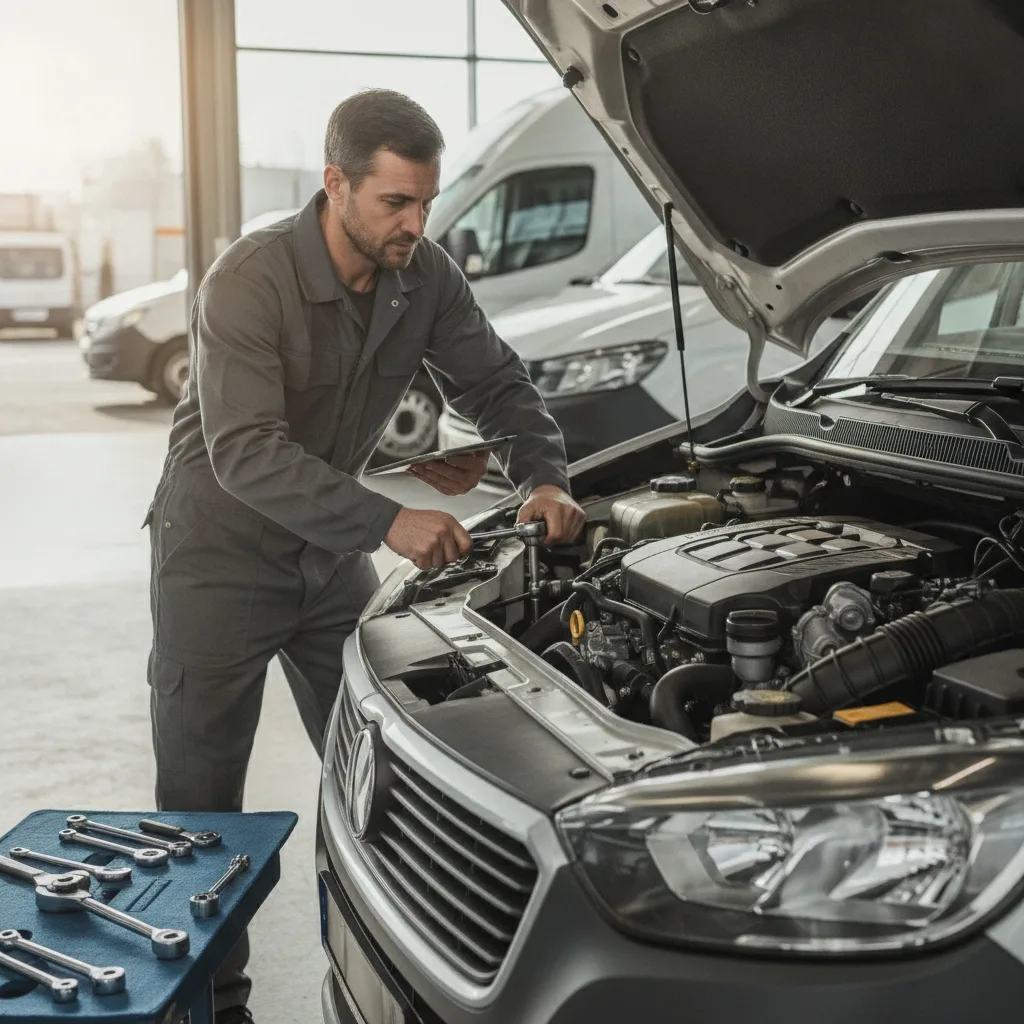
- Mechanical: Perform a cold start to listen for timing chain rattles or smoke from the exhaust. Check for fluid leaks underneath the engine bay.
- Functionality: Test all electrical components, including air conditioning, sliding door latches, and internal cabin lighting.
Costs to plan for
Purchasing a used vehicle involves more than just the initial sticker price. You should immediately budget for a full service, including the replacement of oil, air, and fuel filters, as well as a cambelt change if it is due based on the manufacturer’s schedule. Set aside a contingency fund for immediate repairs, such as replacing worn tyres or addressing suspension wear caused by previous heavy loads. Additionally, ensure you have accounted for the immediate cost of road tax and insurance premiums.
Common mistakes
The most common error is failing to carry out a comprehensive test drive. A short trip around a car park is insufficient; drive the van at motorway speeds to test for steering vibrations, clutch slip, and gearbox issues. Another frequent oversight is focusing exclusively on the exterior paintwork while ignoring the structural integrity of the chassis or the condition of the load bay. Always be wary of sellers who refuse to allow an independent inspection or who cannot provide a coherent history of the vehicle's commercial use. If you find the complexity of sourcing and maintaining an older vehicle challenging, you may prefer the predictability of our latest lease deals.

FAQs
What should I check on the DVLA website before buying a van? You should check the vehicle's MOT history on the official DVLA website using the registration number. This will show you previous pass or fail results, the reason for any failures, and any advisory notices issued during previous inspections.
Why is an HPI check important? An HPI check is vital to ensure you are not buying a van with outstanding finance, a vehicle that has been stolen, or one that has been previously written off by an insurer. It also helps confirm that the recorded mileage is consistent with the vehicle's history.
How can I tell if a used van has been overworked? Look for signs of heavy use such as buckled or dented floor panels in the loading area, heavy scratching on interior trim, and sagging rear suspension. A vehicle that has been used for heavy towing or frequent maximum-load hauling will often show accelerated wear on the clutch, gearbox, and brake components.
What paperwork should I expect to see? You should expect to see the V5C registration document in the seller's name, a comprehensive service history record (either physical stamps or digital logs), the current MOT certificate, and receipts for any recent major mechanical work or parts replacement.