
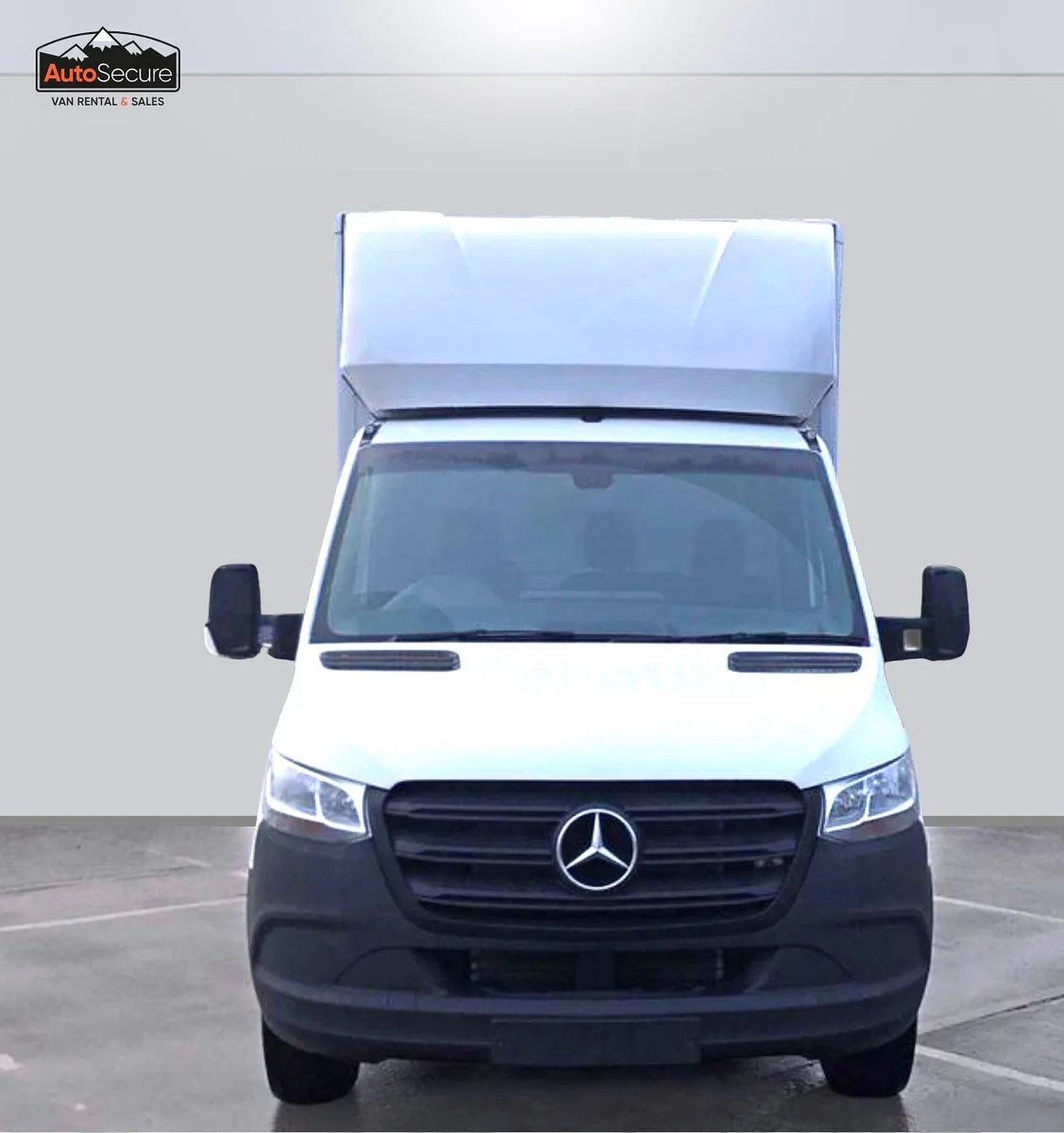
The Mercedes-Benz van range at a glance
The Mercedes-Benz van range explained encompasses three core models: the compact Citan, the versatile Vito, and the heavy-duty Sprinter, each designed for specific commercial needs. Whether you require a nimble city runner or a large load-lugging workhorse, Mercedes-Benz engineers these vehicles for long-term reliability and comfort. Understanding the differences between these distinct sizes is essential for your business.
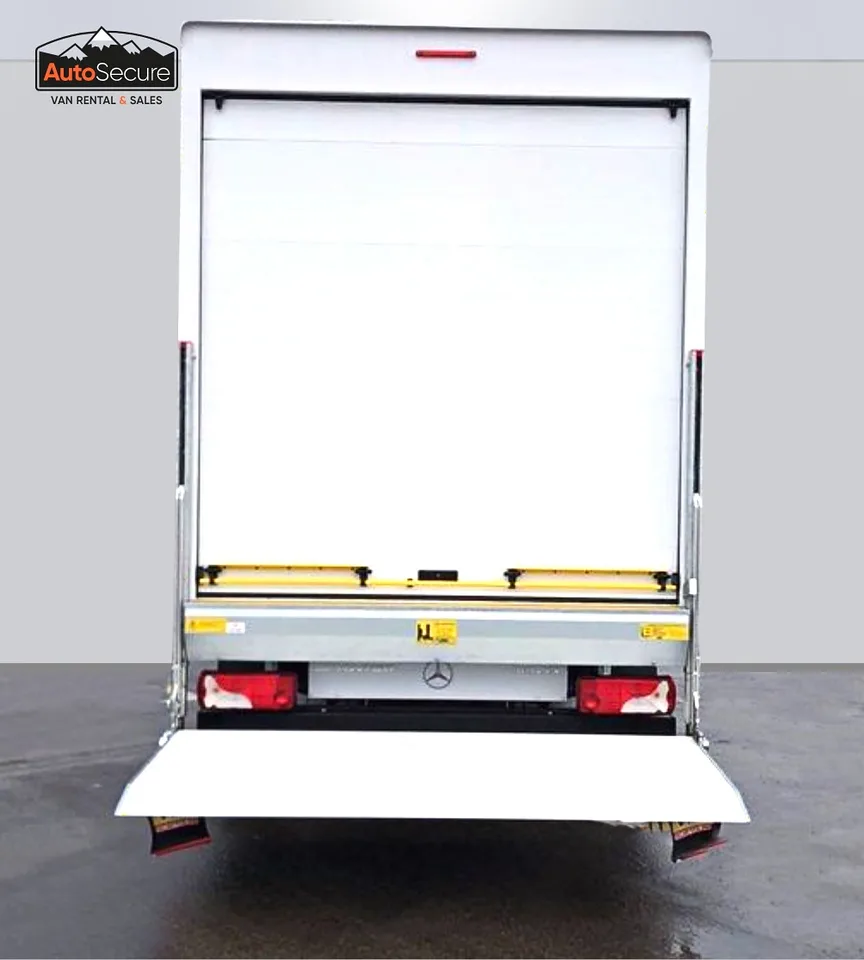
Which models and ages to consider
The Citan is perfect for urban deliveries where agility is paramount. If you are comparing smaller alternatives, you might explore a Nissan Townstar Lease or a Toyota Proace City Lease for competitive entry-level options. Moving up, the Vito offers a balanced mid-size profile suitable for tradespeople. If you are also reviewing other manufacturers, a Vauxhall Combo Lease provides a strong benchmark for smaller van performance. For heavy-duty requirements, the Sprinter remains the industry gold standard.
What to check before you buy
When purchasing a used Mercedes-Benz van, always verify the service history to ensure the vehicle has been maintained to manufacturer standards. Check the condition of the drivetrain, inspect the bodywork for signs of heavy wear, and confirm that all onboard technology functions correctly. A professional inspection can highlight potential issues with emissions systems or high-mileage wear on the suspension components.

Costs to plan for
Beyond the initial acquisition price, factor in regular maintenance, insurance premiums, and road tax. Mercedes-Benz vans often feature premium components, so budgeting for official parts is advisable to retain the vehicle's resale value and reliability. Additionally, consider the fuel economy specific to the engine variant you choose, as modern diesel units offer varying efficiency depending on the load carried and the type of driving route.

FAQs
What vans does Mercedes-Benz make and how do they differ? Mercedes-Benz produces the Citan (compact), Vito (mid-size), and Sprinter (large). They differ primarily in cargo capacity, payload rating, and intended use, ranging from small city logistics to heavy haulage.
Is a used Mercedes-Benz van expensive to maintain? While parts and specialist servicing for Mercedes-Benz vans can cost more than economy brands, their durability and high resale value often offset these expenses over the vehicle's lifetime.
Which Mercedes-Benz van is best for fuel economy? The Citan is generally the most fuel-efficient model due to its smaller engine and lighter chassis, making it ideal for high-mileage urban driving.
Do Mercedes-Benz vans come in different body lengths? Yes, both the Vito and Sprinter are available in multiple lengths and roof heights to cater to different storage and workspace requirements.