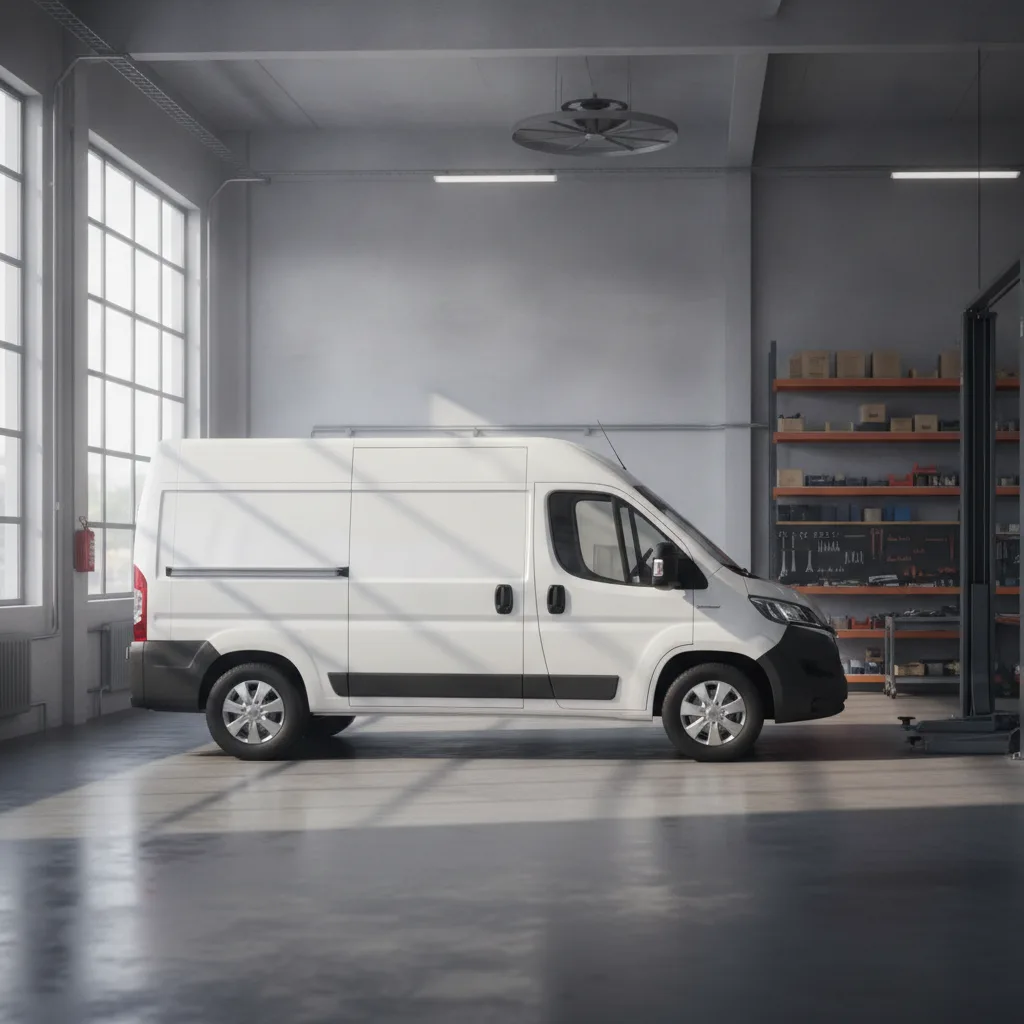
Used Renault Trafic: What to Check Before You Buy
When buying a used Renault Trafic, you should prioritize inspecting the service history, checking for excessive engine noise, testing the clutch and gearbox, and examining the load area for signs of heavy abuse. These popular medium vans offer great versatility, but verifying their mechanical health through a professional inspection and a comprehensive HPI check is essential before committing to any purchase.
Which versions and ages to consider
The Renault Trafic has evolved significantly over the years, with the third-generation model being a particular favorite for its reliability and fuel efficiency. Newer models feature upgraded infotainment systems and cleaner Euro 6 engines, which are vital if you plan to operate within low-emission zones. If your business needs something smaller, consider our Nissan Townstar Lease or a Toyota Proace City Lease for lighter duty tasks.
Body styles, payload and sizes
These vans are available in various configurations, including panel vans, crew cabs, and platform cabs with either short or long wheelbases. Always check the door plate to confirm the payload capacity matches your specific operational requirements. While the Trafic excels in mid-sized transport, those needing a compact vehicle for city work might prefer exploring a Vauxhall Combo Lease to see how smaller platforms compare for your day-to-day logistics.
What to check on the van
Start your physical inspection by examining the exterior for uneven panel gaps or mismatched paint, which could suggest past accident damage. Inside the cabin, ensure all electronic features, including air conditioning and the touchscreen interface, function correctly. Take the van for a long test drive to listen for any knocking sounds from the suspension, especially over speed bumps, and observe the exhaust smoke during acceleration.

Known areas to inspect
Pay close attention to the sliding doors, as these are heavy-use items that often suffer from worn rollers or stiff mechanisms. Mechanically, the timing belt interval is crucial; check the service log to ensure it has been changed according to the manufacturer's schedule. Additionally, inspect the load bay floor and sides for heavy dents or rust, as these indicate a van that has been subjected to high-stress industrial use.

FAQs
What should I look for when inspecting a used Renault Trafic? Prioritize checking the service history, timing belt status, sliding door operation, suspension integrity, and signs of structural rust or accident damage in the load area.
Are older Renault Trafic models reliable? Yes, they are generally reliable workhorses, provided they have been maintained strictly according to the service schedule. Always prioritize finding a well-documented example over a cheaper, neglected one.
How can I verify the history of a used van? You should conduct an HPI check to identify any outstanding finance, insurance write-off markers, or incorrect mileage readings, alongside verifying the service book stamps.