

Renault Van Running Costs
Managing the running costs of a Renault van relies on understanding the specific requirements of the dCi engine family. Renault models are Euro 6 compliant, which is essential for avoiding daily charges in UK Clean Air Zones and the London ULEZ. Owners should monitor AdBlue consumption closely; on the Renault Master, the AdBlue tank sensor can be prone to failure, often requiring a full tank replacement. Staying compliant requires ensuring the diesel particulate filter (DPF) is not solely used for short, urban stop-start journeys, as this will increase maintenance costs through forced regeneration or premature replacement.
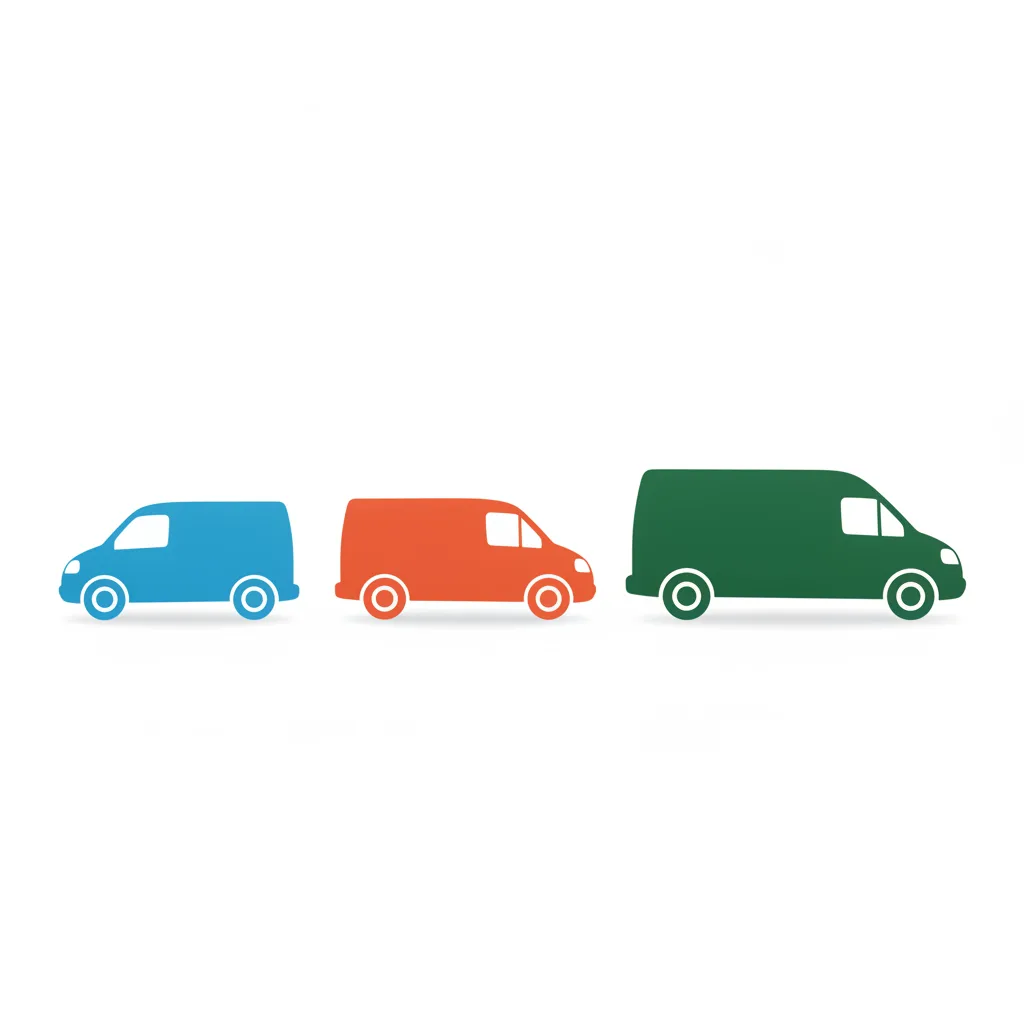
The Renault van range at a glance
The Kangoo, Trafic, and Master are designed with varying service intervals. The Kangoo, often used for light urban work, frequently requires attention to front suspension components such as track rod ends. The Trafic is a staple of the medium-sized segment, though operators should budget for potential clutch wear if the vehicle is consistently loaded near its maximum payload. The Master, as the largest in the range, has higher tyre costs due to the weight it carries; ensuring correct tyre pressures is the most effective way to manage fuel consumption and reduce premature tread wear.
Which models and ages to consider
When selecting a vehicle, prioritize Euro 6 models registered after September 2016 to ensure compliance with emissions standards. For older vehicles, the lack of AdBlue systems reduces complexity but limits access to urban centres. Inspect the timing belt intervals strictly; for many Renault engines, failure to adhere to the manufacturer's recommended change intervals can result in catastrophic engine damage. Checking the service booklet for documented cam belt changes is a priority when evaluating a used model.
What to check before you buy
Conduct a thorough inspection of the vehicle's electrical system, as Renault vans can develop sensor faults related to the engine management system. Look for evidence of oil leaks around the turbocharger intake, as this is a known area for minor but persistent issues in high-mileage examples. Verify the condition of the sliding side doors, as the rollers and guides are high-wear parts that, if seized, increase the risk of latch failure and require costly repairs.
Costs to plan for
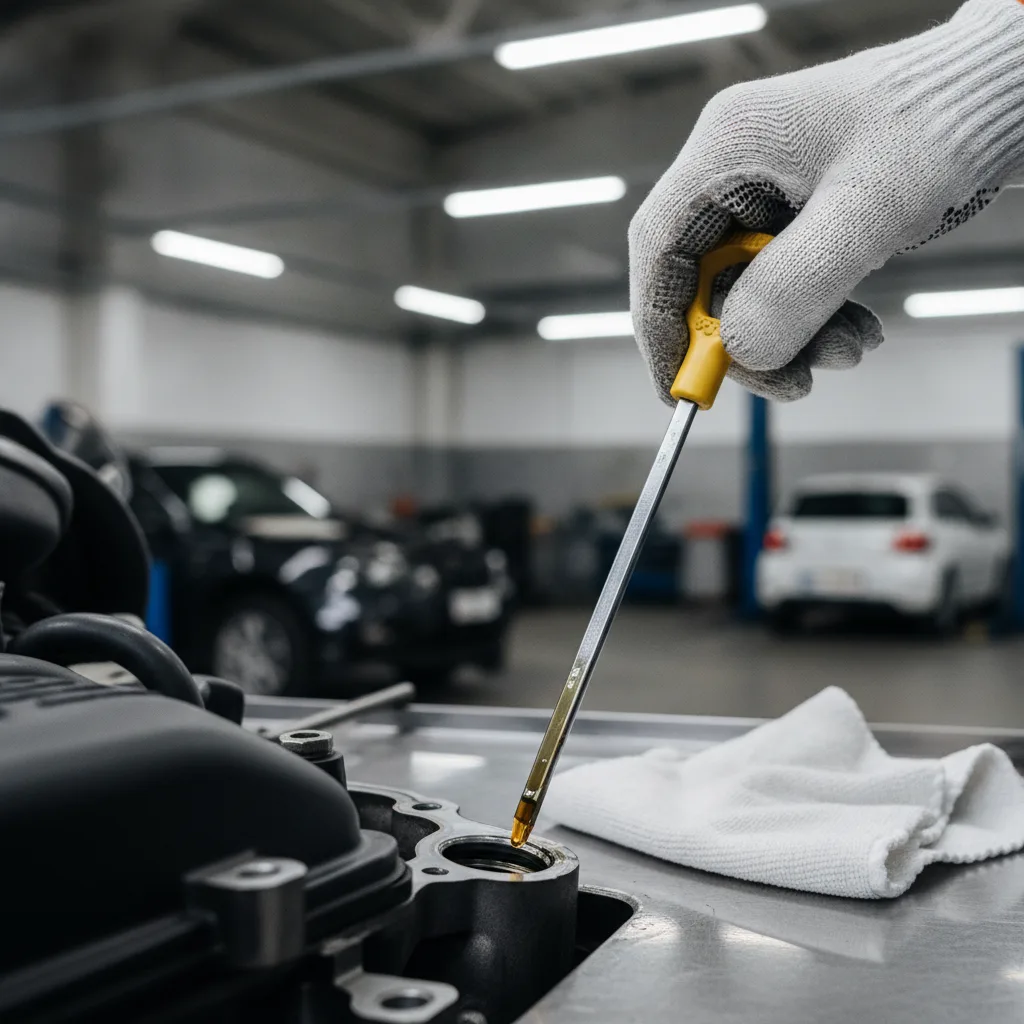
Beyond the cost of diesel, owners must factor in annual VED (Vehicle Excise Duty) based on the vehicle's official CO2 emissions. Insurance premiums vary significantly by the van's security level and load usage. Maintenance costs should include annual oil and filter changes, with major services—including fuel and air filters—occurring at two-year or mileage-based intervals. Setting aside a contingency fund for common maintenance, such as brake pad replacement and the potential for AdBlue system servicing, is vital for long-term budget stability.
FAQs
What are the common maintenance issues on Renault vans? Common areas for potential maintenance include the AdBlue tank sensors on the Master, clutch wear on heavily-loaded Trafic models, and suspension wear on the Kangoo. Regular servicing according to the manufacturer's schedule is the best way to prevent these issues from becoming expensive.
How do I check if my Renault van is Euro 6 compliant? You can check the vehicle's V5C registration document or use the official UK government vehicle checker tool by entering the registration number. Most Renault vans manufactured after September 2016 are Euro 6 compliant and exempt from ULEZ charges.
Are Renault parts expensive to source in the UK? Because Renault has a large presence in the UK commercial market, parts are widely available. You can choose between original equipment manufacturer (OEM) parts or approved aftermarket alternatives, which helps keep repair costs competitive.
Why is my DPF warning light coming on? The Diesel Particulate Filter (DPF) light often illuminates if the van is only driven on short, low-speed trips. The system requires a period of sustained motorway or A-road driving to reach high enough temperatures to burn off accumulated soot. If ignored, a clogged DPF will require professional cleaning or replacement.