The short answer
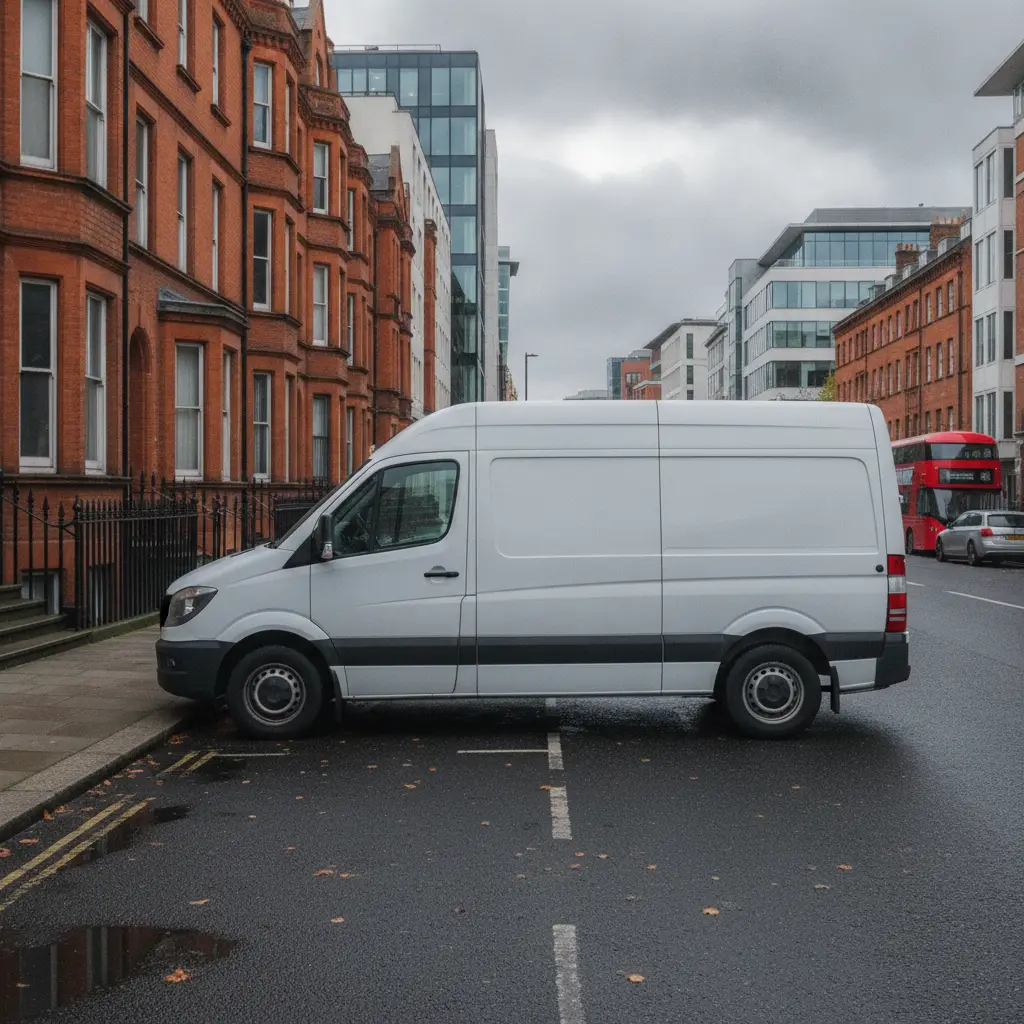
Used van finance options generally consist of Hire Purchase and Lease Purchase agreements, both of which allow you to spread the cost of a vehicle over fixed monthly installments. These routes offer a clear path to ownership, helping businesses manage cash flow while securing the essential transport needed for daily operations.

What to check
Before committing to a finance agreement, you must verify the vehicle's history and mileage to ensure the asset value remains sound throughout the term. Review your business budget to determine whether you prefer keeping the van at the end of the term or if you would rather have the flexibility to upgrade. For those considering new alternatives, comparing a Nissan Townstar Lease — from £194.86/month or a Vauxhall Combo Lease — from £196.51/month can provide a useful benchmark for monthly outgoings against your used van repayments.
Costs to plan for
Beyond the monthly finance payments, you should factor in VAT, road tax, and comprehensive insurance, as these are mandatory requirements for commercial vehicles. You may also need to consider maintenance costs, as older vans might require more frequent servicing than a brand new model like a Toyota Proace City Lease — from £207.48/month. Always set aside a contingency fund for unexpected repairs or wear-and-tear items like tyres and brakes.
Common mistakes
A frequent error is focusing solely on the monthly payment figure rather than the total cost of the agreement, which includes the final balloon payment if applicable. Failing to declare the intended annual mileage can also lead to issues later in the contract, particularly if the finance structure imposes mileage-based restrictions. Finally, avoid rushing into an agreement without comparing several options to ensure the term length aligns perfectly with your business lifecycle.

FAQs
What finance routes exist for buying a used van? The primary routes are Hire Purchase, which leads to ownership after the final payment, and Lease Purchase, which often involves a larger final balloon payment to settle the agreement.
Do I need a deposit for used van finance? Most lenders require an initial deposit, which helps to reduce your monthly repayment amounts and can improve your chances of approval depending on the lender's criteria.
Can I get finance if my credit score is low? While finance is available to a wide range of applicants, your credit history will be assessed during the application process, so it is beneficial to have your business accounts and identification ready.
Is it better to lease or buy a used van? Buying provides ownership and no mileage restrictions, whereas leasing new vehicles often includes maintenance support and the ability to swap into a newer model more frequently.