
The short answer
When buying a used electric van, you must prioritize the battery health report, verify the charging cable compatibility, and confirm the remaining range against your daily work requirements. Thoroughly inspecting the drivetrain and software status is essential to ensuring your investment remains reliable and cost-effective for your business operations.
What to check
The most critical step in our used electric van buying guide is evaluating the battery's state of health (SoH). Ask the seller for a diagnostic report to see how much capacity the battery has retained compared to when it was new. You should also inspect the charging port for any signs of corrosion or damage, as replacement parts can be costly. While electric vehicles have fewer moving parts than diesel alternatives, you must still check the suspension, tyres, and brakes, as these components often wear faster due to the increased weight of the battery packs.

Costs to plan for
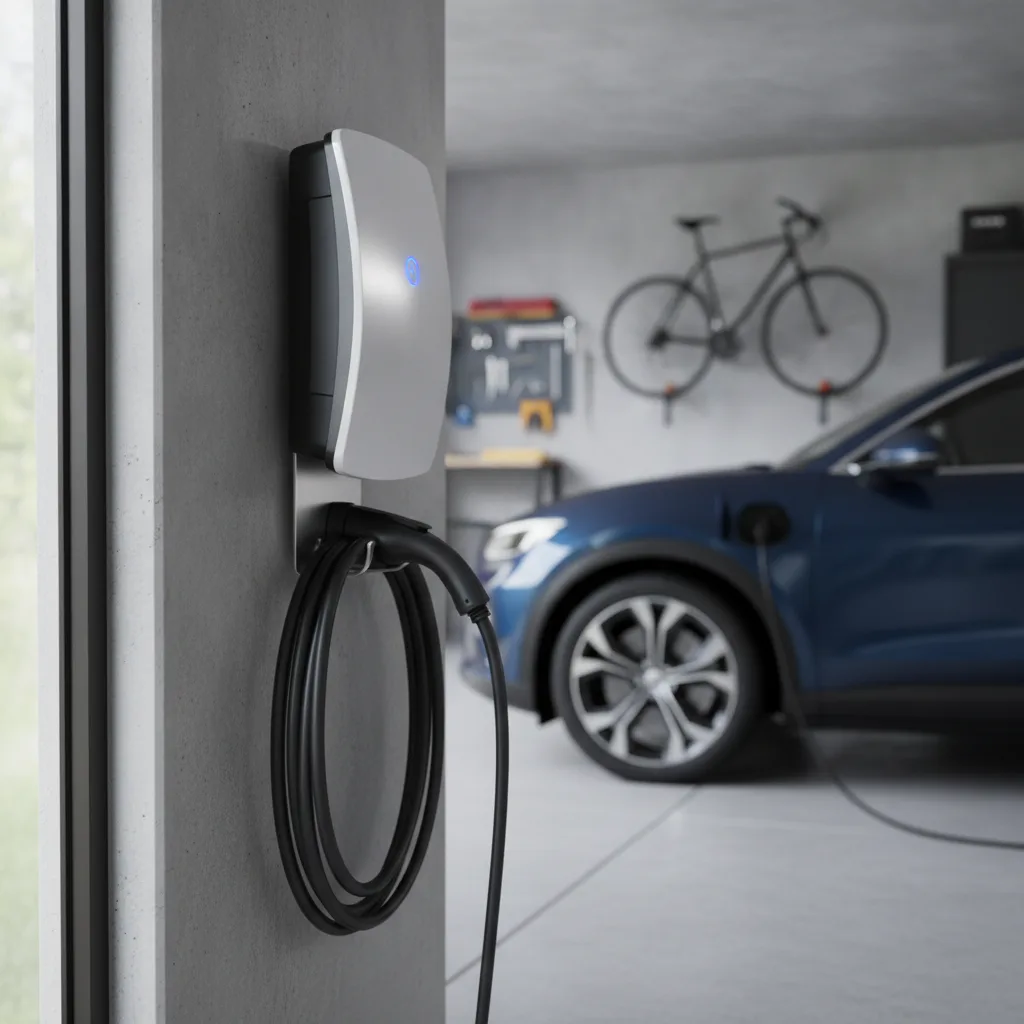
Beyond the purchase price, you should factor in the cost of installing a smart home charger or a rapid-charge point at your depot. While electricity costs are generally lower than diesel, your overheads may shift, so it is worth comparing these to the monthly savings found in a Nissan Townstar Lease or a Vauxhall Combo Lease. Additionally, remember to budget for specialised tyres designed for the high torque of electric motors and periodic software updates required by the manufacturer.
Common mistakes
One major error buyers make is ignoring the real-world range, which often decreases significantly in cold weather or when carrying heavy loads. Another frequent oversight is failing to check if the van supports the latest fast-charging standards. If you find that the used market lacks the specific configuration you require, you might find more value and peace of mind by opting for a Toyota Proace City Lease instead, which provides the latest technology and a full manufacturer warranty from the start.

FAQs
What is the most important factor when buying a used electric van? The battery's State of Health (SoH) is the most important factor, as it determines how much range the van can actually provide compared to its original factory specification.
How long do electric van batteries typically last? Most electric van batteries are designed to last between 8 and 10 years, or often much longer, though their capacity will gradually degrade over time.
Are used electric vans cheaper to maintain? Yes, generally speaking. Because they have fewer moving parts, such as no oil filters, spark plugs, or timing belts, you will likely save money on routine servicing and mechanical repairs.
Should I test drive an electric van before buying? Absolutely. A test drive allows you to experience the regenerative braking system and ensure the vehicle's driving characteristics and cabin technology meet your professional needs.