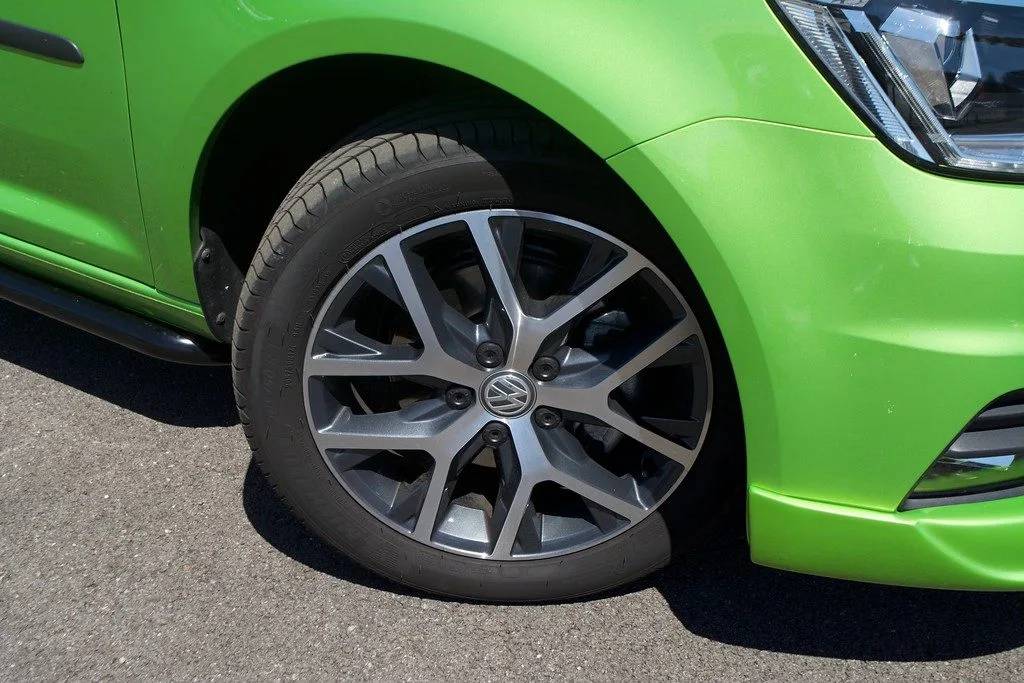
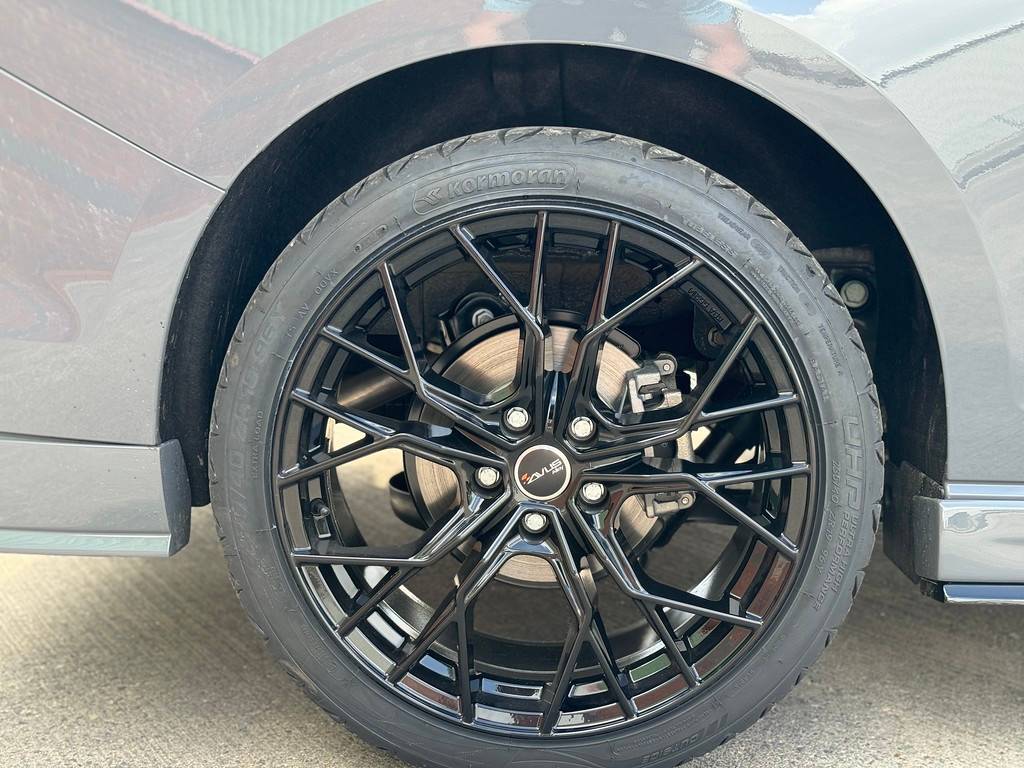
The Volkswagen Caddy occupies a unique position in the UK light commercial vehicle market. As a car-derived van, it blends the driving dynamics, cabin ergonomics, and refined road manners of a passenger vehicle with the genuine payload capabilities of a working van. Because of this dual personality, it is one of the most common vans in the country to be upgraded with alloy wheels. Whether owners are looking to improve aesthetic appeal, shed unsprung weight, or transform a daily workhorse into a weekend lifestyle vehicle, wheel selection requires careful planning. Fitting the wrong wheels can severely compromise the van's carrying capacity, invalidate insurance cover, create safety hazards, and cause an MOT failure. Selecting suitable wheels demands a balance between styling, structural integrity, and regulatory compliance.
Load ratings and why car alloys are often unsuitable
Because the Caddy shares mechanical architecture with several passenger cars, many owners assume that any passenger car wheel with compatible bolt holes will bolt straight on and perform safely. This assumption can be dangerous. A light commercial vehicle experiences vastly different dynamic forces and vertical loading compared to a standard passenger hatchback.
Every commercial vehicle has a Gross Vehicle Weight (GVW) and specified front and rear Maximum Authorised Mass (MAM) axle limits. The rear axle on a van must support heavy cargo, shelving, tools, and towing tongue loads. A wheel designed for a lightweight passenger vehicle is engineered around lower total vehicle masses and lower static axle loads. Fitting an under-rated passenger alloy to a van introduces the risk of structural failure, including wheel cracking, bending, or sudden rim collapse when hitting a pothole under load.
Before purchasing any alloy wheels, you must calculate the minimum load rating required:
- Examine the vehicle identification plate: Located in the engine bay or on the door pillar, this metal plate or sticker lists the Gross Vehicle Weight and individual axle capacities.
- Identify the heavier axle: In commercial vans, the rear axle typically has a significantly higher weight rating than the front to accommodate maximum payloads.
- Divide the axle rating by two: Each wheel on that axle must support at least half of the total axle limit.
- Ensure commercial certification: Dedicated commercial van alloys will feature a stamped load rating on the inner face of the rim confirming their carrying capacity.
Finding your correct wheel and tyre fitment
Finding the exact physical dimensions for your specific model requires referencing primary vehicle sources rather than relying on general advice. The Caddy has evolved across multiple generations, and the factory configurations for wheel diameter, rim width, offset, centre bore, and bolt circle can vary depending on the production year, trim level, and specific wheelbase (such as standard or extended length models).
To identify the correct specifications for your vehicle, consult the following points of reference:
- The owner's handbook: This details approved rim widths, wheel diameters, and tyre specifications for your exact engine and chassis derivative.
- The tyre placard or door-pillar plate: Found inside the driver or passenger door aperture, this sticker confirms factory tyre configurations, recommended cold inflation pressures, and axle weight parameters.
- Registration lookups via specialist suppliers: Entering your vehicle registration with an established commercial wheel retailer allows cross-referencing against vehicle databases to match technical clearances.
When selecting aftermarket wheels, pay close attention to the offset and centre bore. The offset determines where the wheel sits within the wheel arch; an incorrect offset can cause tyres to rub against inner suspension struts or protrude past the outer bodywork. Ensure the centre bore matches the hub spigot perfectly or uses correctly rated, vehicle-specific spigot rings to guarantee a hub-centric fit.
Steel wheels versus alloy wheels on a working van
Standard factory-fitted steel wheels are durable, cost-effective, and highly resilient against the day-to-day hazards of urban delivery driving, construction sites, and rough tracks. However, switching to quality alloy wheels provides several practical advantages alongside visual enhancements:
- Unsprung weight reduction: Quality alloy wheels are generally lighter than equivalent steel wheels. Reducing unsprung mass allows the suspension to respond more quickly to road imperfections, improving ride comfort and handling precision.
- Enhanced heat dissipation: Aluminium alloy conducts heat far more efficiently than pressed steel. This helps draw heat away from the brakes, reducing the risk of brake fade during continuous heavy use or when descending steep inclines with a full payload.
- Resistance to surface corrosion: While steel wheels can rust when the paint or wheel trim is scratched, quality coated alloys resist cosmetic degradation, provided the protective finish remains intact.
- Trade-offs: Alloys are more vulnerable to cosmetic kerbing damage and are more expensive to repair or replace if cracked by severe road impacts.
Legal compliance, insurance, and inspecting used wheels
Modifying wheels brings specific legal and contractual obligations in the UK. Alloy wheels that were not fitted as standard equipment by the factory are considered an aftermarket modification. You must notify your motor insurance provider immediately when changing wheel specifications. Failure to declare non-standard wheels can result in a rejected claim or the complete cancellation of your policy.
Legally, wheels and tyres must comply with UK Road Vehicles (Construction and Use) Regulations and Roadworthiness testing:
- Tyres must not protrude beyond the outer edge of the bodywork or wheel arches.
- Tyre tread must maintain sufficient clearance and must not foul suspension components, brake hoses, or inner arch liners under full steering lock or full suspension compression.
- The speedometer must remain accurate. Significant changes to overall rolling circumference can cause speedometer calibration to drift outside legal tolerances.
If you are browsing through used vans and inspecting a used Volkswagen Caddy that already features aftermarket alloys, verify their origin. Check the rear of the wheel spokes for legitimate load ratings and European safety markings. Look for signs of uneven tyre wear, which may point to incorrect wheel alignment or incorrect offset. Inspect the rims thoroughly for cracks, weld repairs, buckles, and uneven balance weights.
Frequently asked questions
Can I put standard passenger hatchback alloy wheels on my Caddy?
In most cases, you cannot do so safely. While many passenger cars share the same wheel hub architecture and bolt layout, standard car wheels are rarely engineered to carry the higher rear axle weights of a commercial van. You must check your vehicle identification plate for maximum axle weights and confirm that the alloy wheels have a certified load rating equal to or exceeding that requirement.
How do I know the correct tyre load requirements for my Caddy?
The required tyre load rating is specified on the vehicle's tyre placard located inside the door aperture, as well as in the manufacturer handbook. Never fit a tyre with a load capacity lower than the factory recommendations, as commercial vans demand reinforced or commercial-grade sidewalls to maintain safe handling and stability when loaded.
Do I need to inform my insurance company if I fit alloy wheels?
Yes, you must inform your insurer. Fitting alloy wheels that differ from the factory-original specification is classified as a modification under UK insurance policies. Failing to declare aftermarket alloy wheels can invalidate your insurance policy, leaving you without cover in the event of an accident or theft.
What happens if I fit wheels with an incorrect offset?
Fitting wheels with an incorrect offset alters the track width of your vehicle and changes suspension geometry. A wheel that sits too far inwards can rub against suspension components, brake lines, or inner wheel arch liners. A wheel that sits too far outwards can scrub the outer wheel arch, place excessive strain on wheel bearings, and violate UK road laws if the tyre tread extends beyond the bodywork.
Does changing to larger alloy wheels affect my Caddy's ride quality?
Yes. Fitting larger diameter wheels requires using lower-profile tyres to maintain the overall rolling diameter of the wheel assembly. Tyres with shorter sidewalls provide less natural cushioning over potholes, road seams, and speed bumps, which can result in a noticeably firmer, harsher ride across uneven UK road surfaces.