Photos coming soon
Dealer
ULEZ ✓Van VikingBristol
Vauxhall Vivaro 2700 L1 Dynamic 1.6 CDTi 115
2019 · 88,900 mi · Diesel
2700 L1 Dynamic 1.6 CDTi 115
£8,495+ VAT
Manual
Budget
Used vans for sale under £10,000. Browse stock and read our guide to the best used vans at this budget in 2026.
Photos coming soon
Van VikingBristol
2019 · 88,900 mi · Diesel
2700 L1 Dynamic 1.6 CDTi 115
Securing a dependable commercial workhorse on a disciplined capital budget requires a balanced understanding of vehicle age, mechanical wear, and operating history. In the current light commercial vehicle market, this financial tier places buyers firmly into the secondary market for three- to six-year-old vans. At this lifecycle stage, vehicles have absorbed their steepest period of initial depreciation while still retaining substantial working life, modern safety architecture, and reasonable overall mechanical health.
Typical inventory in this segment includes mid-mileage examples that have completed their first major operating cycle, often coming out of well-maintained corporate leasing fleets, regional utility contracts, or light independent trade use. Odometers will generally show moderate to higher working distances, but modern turbodiesel powertrains are engineered to comfortably double or triple these figures when supported by consistent preventative servicing.
Buyers should not expect pristine showroom aesthetics; panel scuffs, light cargo-bay battle scars, and cab wear consistent with daily trade duties are standard. However, structural soundness, clean mechanical operation, and complete administrative records remain non-negotiable. Furthermore, certain vehicles entering this tier from brands offering extended service-activated warranty programmes may still carry remaining balance protection, provided prior owners observed strict main-dealer servicing schedules. Always verify individual manufacturer terms directly with official marque portals to confirm whether transferrable coverage remains active.
For any UK tradesperson working in urban centres, Euro 6 compliance is the single most critical filter during vehicle selection. Clean Air Zones operate across major metropolitan regions including Birmingham, Bristol, Sheffield, Bath, and Newcastle, while London enforces strict Ultra Low Emission Zone standards around the clock. Scotland has also implemented Low Emission Zones across cities such as Glasgow, Edinburgh, Aberdeen, and Dundee, where non-compliant commercial vehicles are barred outright.
Entering these restricted areas in a non-compliant van incurs substantial daily access charges or automatic penalty charge notices. Operating a non-compliant vehicle on regular urban contracts can rapidly erase project profit margins and generate crippling overheads. Fortunately, light commercial vehicles registered from late 2016 onwards were mandated to meet Euro 6 emissions targets, meaning the vast majority of three- to six-year-old models naturally satisfy these environmental standards.
To achieve Euro 6 diesel certification, manufacturers fitted advanced exhaust aftertreatment systems, most notably Selective Catalytic Reduction requiring diesel exhaust fluid alongside Diesel Particulate Filters. When sourcing a van in this category, pay acute attention to these systems during the appraisal. Persistent short, stop-start urban journeys prevent exhaust systems from reaching the sustained temperatures required to regenerate particulate filters automatically. Ensure the dashboard illuminates and successfully extinguishes all emissions warning lamps on startup, check the exhaust fluid reservoir for correct operation, and review maintenance logs for previous sensor replacements or exhaust cleans.
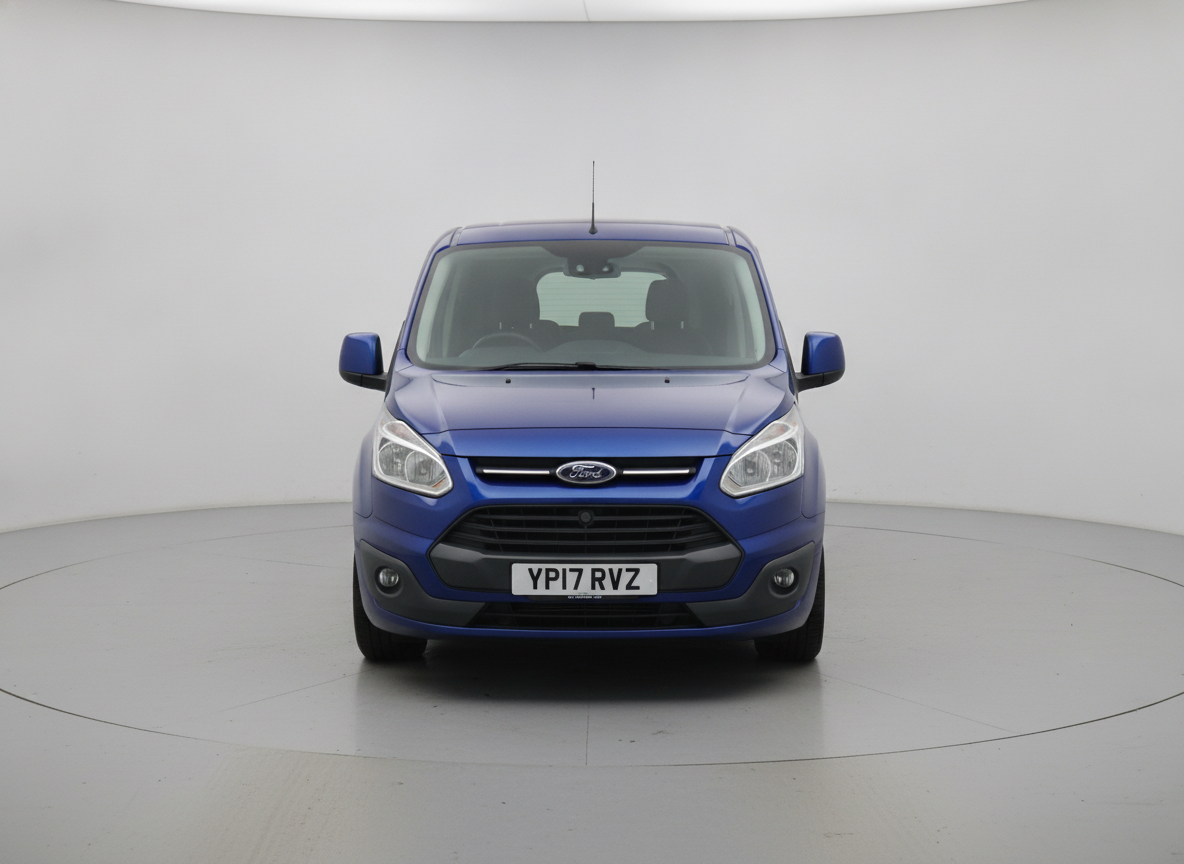
As the nation's most widely driven light commercial vehicle, the Ford Transit Custom provides unrivaled availability in this budget category. Highly regarded for its car-like ergonomics, precise steering, and class-competitive load-bay geometry, it allows tradespeople to haul standard timber sheets flat on the floor beneath a full steel bulkhead. Most models available in this age bracket feature the two-litre EcoBlue diesel engine. When evaluating a Transit Custom, inspect service documentation specifically for engine oil specifications and timing belt maintenance. The EcoBlue uses an oil-bathed wet timing belt design that demands strictly approved lubricants at scheduled service intervals. Neglecting this maintenance can cause belt degradation, blocking the oil pump strainer and starving the engine of oil. Prioritise examples supported by uninterrupted main-dealer or specialist commercial service stamps.
The Volkswagen Transporter T6 commands exceptionally resilient residual values across the UK trade sector. Within this capital envelope, buyers will typically encounter earlier T6 production years carrying higher mileages than equivalent domestic or French competitors. The trade-off comes in the form of superior cab build quality, durable interior plastics, and a strong reputation for drivetrain longevity when maintained by the book. Powered by the venerable two-litre TDI unit, buyers should verify the health of the exhaust gas recirculation valve and dual-mass flywheel, both of which work hard under heavy payload conditions. While the upfront purchase will secure an older vehicle with greater operational history compared to rival badges, the Transporter compensates through slower future depreciation and an immense aftermarket support network for trade shelving and racking systems.
For trades requiring maximum cubic load volume and serious towing capacity, the Mercedes-Benz Sprinter remains an industry standard. Within this price parameter, Sprinters are typically rear-wheel drive long-wheelbase or medium-wheelbase variants that have served in parcel distribution or logistics roles. These vehicles frequently carry substantial mileage, yet the underlying chassis and OM651 or newer four-cylinder powerplants are renowned for enduring high-stress duty cycles. Scrutinise prospective Sprinters for underside suspension wear, especially front transverse leaf springs and rear suspension bushings. Check that the side sliding doors glide smoothly along their runners without dropping, as heavy courier use can wear down track bearings. While bodywork protection has improved significantly compared to older iterations, thoroughly inspect door bottoms, sill steps, and wheel arches for early surface corrosion.
The Vauxhall Vivaro offers exceptional value for money, with this budget category encompassing both late examples of the British-built second-generation model and early iterations of the third-generation van built on the shared Stellantis platform. Third-generation models share underpinnings with the Peugeot Expert, Citroen Dispatch, and Toyota Proace, delivering outstanding fuel economy from their 1.5-litre and 2.0-litre BlueHDi-derived diesel engines alongside impressive maximum payload capacities. The cab layout is modern, car-like, and comfortable for extended motorway commutes. When inspecting a Vivaro, test the air conditioning operation, check electrical switchgear across the dashboard, and inspect the front lower suspension control arms and drop links, which wear briskly when navigating broken road surfaces under full load.
Trades requiring outright payload mass, high-roof standing room, or heavy plant towing capability should look beyond mid-sized models to the full-size two-tonne Ford Transit. Readily found in front-wheel drive, rear-wheel drive, and occasional all-wheel-drive configurations, the heavy Transit serves groundworkers, bricklayers, and large-scale refurbishment contractors. Models in this range will almost universally feature the two-litre EcoBlue engine, replacing the earlier 2.2-litre platform. Check for rear differential whine on rear-wheel-drive variants, inspect the condition of the rear leaf springs for flattening or cracking from chronic overloading, and assess the condition of the load-bed tie-down anchor points.
Purchasing an essential trade tool requires deliberate cashflow management. Buying outright with cash offers absolute operational autonomy: the business holds the asset title immediately, there are no ongoing monthly commitments during leaner trading months, and there are no mileage limitations or wear-and-return disputes. For established sole traders with adequate capital reserves, an outright cash purchase simplifies accounting and frees up monthly turnover for materials and staffing.
Alternatively, many trades choose commercial asset finance solutions, such as Hire Purchase, to preserve liquid working capital. Retaining accessible cash reserves provides an essential buffer against material price fluctuations, delayed client payments, or emergency plant hire. Under a hire purchase structure, the vehicle's capital cost is divided over an agreed term, leaving working capital untouched in the business account, with full legal ownership transferring once the final option-to-purchase fee clears. Note that Vansales functions strictly as an independent information and advertising marketplace; it does not underwrite loans, broker commercial finance, or provide financial advice. Tradespeople should evaluate independent lenders, commercial clearing banks, or specialized credit brokers to assess which structure best matches their tax status and cashflow profile.
Sourcing a van within this market segment requires forward planning for mandatory operating expenses. While initial purchase costs are modest, ongoing light commercial vehicle overheads demand strict budgeting to maintain business profitability.
Vehicle Excise Duty on standard light commercial vehicles generally operates on a fixed flat-rate commercial tariff rather than the sliding emissions-based scales applied to private passenger cars. Verify the current commercial rate table directly with the Driver and Vehicle Licensing Agency or GOV.UK before purchase, as classifications depend on revenue weight and exact homologation categories.
Commercial vehicle insurance represents another substantial expenditure. Insurance classifications distinguish sharply between carriage of own goods (standard for carpenters, plumbers, and electricians carrying their own tools) and carriage of goods for hire and reward (required for courier and delivery logistics). Premiums reflect trade type, operating radius, overnight parking security, and the fitment of approved security hardware such as insurance-certified deadlocks, OBD-port protectors, and tracking units.
Routine mechanical servicing, brake friction replacements, suspension component renewals, and heavy-duty commercial tyres must be scheduled conservatively. Older diesel commercial engines operate under intense thermal stress and demand frequent engine oil and filter renewals to protect turbochargers and emissions scrubbers. Finally, real-world fuel economy will vary considerably based on payload mass, roof rack wind resistance, and driving style, meaning urban-focused trades must anticipate higher consumption patterns than operators running uninterrupted motorway miles.
Read our guide to van finance, then tell us your budget. We are not a lender: this page is information only.