Buying a used Iveco Daily
Why the Iveco Daily is Built Differently to Other Large Vans
If you run a business that pushes light commercial vehicles to their absolute mechanical limits, standard panel vans often fall short. Most popular large commercial vans in the UK—such as the Ford Transit, Mercedes-Benz Sprinter, and Volkswagen Crafter—are engineered around a monocoque structure. In a monocoque van, the outer body panels provide structural rigidity. The Iveco Daily takes a completely different path. It is built around a heavy-duty, truck-derived C-section steel ladder-frame chassis. The engine, driveline, suspension, and cab bolt directly to heavy steel chassis rails, precisely like a commercial truck.
This distinct construction method gives the Daily an unparalleled advantage in sheer load-carrying capability, structural strength, and conversion flexibility. While front-wheel-drive or light monocoque rear-wheel-drive vans can twist or flex under immense loads or heavy towing, the Daily remains rigid. It provides tradespeople, hauliers, and fleet operators with a machine that bridges the gap between conventional 3.5-tonne panel vans and medium-duty goods vehicles. For operators in England, Scotland, and Wales who regularly haul plant machinery, carry high-density bulk cargo, or need a hard-wearing tipper, a used Iveco Daily is often the only commercial vehicle capable of enduring day-in, day-out punishment without structural fatigue.
Engine Specifications, Transmissions, and Towing Capacities
Iveco equips the Daily with two core diesel powertrains, both engineered by Fiat Powertrain Technologies (FPT). Unlike smaller car-derived diesel engines found in many modern vans, these commercial units are designed for exceptionally high operating hours and heavy continuous torque demands.
The 2.3-Litre F1A Turbo Diesel
The 2.3-litre F1A engine is the primary powerplant for standard 3.5-tonne urban delivery vans, dropsides, and service vehicles. Over various generations (Euro 5 through Euro 6d-Final), power outputs generally span between 116 hp and 156 hp, with torque figures ranging from 320 Nm to 380 Nm. The 2.3-litre engine utilizes a toothed rubber timing belt configuration paired with an oil-bath system that requires periodic replacement. For regional couriers, light builders, and general trades operating predominantly on arterial roads or in cities, the 2.3-litre strikes a practical balance between operational pull and fuel economy.
The 3.0-Litre F1C Heavy-Duty Diesel
The 3.0-litre F1C engine is legendary throughout the UK commercial transport sector. This four-cylinder, heavy-duty industrial powerplant features a robust steel timing chain and produces between 160 hp and 210 hp, alongside an immense torque output reaching up to 470 Nm from low engine speeds. The 3.0-litre unit is virtually indestructible when properly serviced with the correct low-SAPS engine oil. It powers heavy-chassis derivatives, gross train weight haulers, vehicle recovery platforms, and high-mileage highway cruisers. The timing chain eliminates the need for frequent belt changes, dramatically reducing long-term downtime on high-mileage work schedules.
Transmissions: Six-Speed Manual vs Eight-Speed Hi-Matic
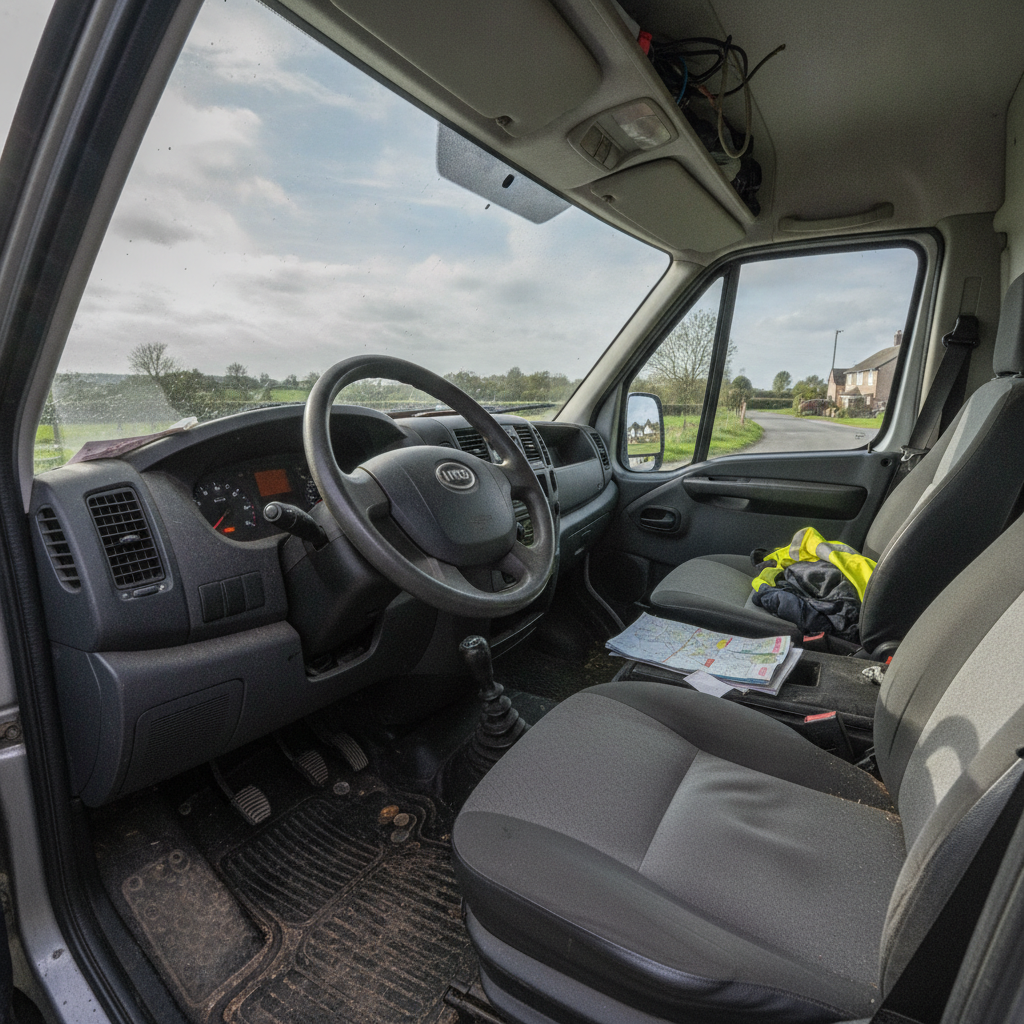
For years, the Daily was equipped with an Iveco six-speed manual gearbox. While durable, the manual setup features a long throw and a noticeably heavy clutch pedal, which can prove tiring during urban stop-start traffic or when reversing heavy trailers into tight access points. In late 2014, Iveco introduced the Hi-Matic transmission: an eight-speed torque-converter automatic sourced from ZF. The Hi-Matic is widely regarded as the finest automatic gearbox ever fitted to a light commercial vehicle. It shifts ratios in two hundred milliseconds, eliminates driver clutch abuse, keeps the engine within its optimal torque band, and reduces driveline shock loads across the propshaft and rear differential.
Gross Vehicle Weight and Towing Capacities
The Iveco Daily offers some of the most formidable towing and weight ratings in the commercial vehicle market:
- Standard 3.5-Tonne (35S / 35C): Offers a 3,500kg Gross Vehicle Weight (GVW), meaning it can be driven on a standard UK car driving licence. Single rear-wheel (35S) models provide better payload, while twin rear-wheel (35C) models provide improved stability when carrying top-heavy or concentrated loads.
- Heavy-Duty Derivatives (50C / 70C): Built on heavier chassis rails, these variants range from 5,000kg up to 7,200kg GVW. These vehicles require a Category C1 or C driving licence, tachograph compliance, and an operator's licence (O-licence).
- Towing Capability: Virtually all rear-wheel-drive 3.5-tonne Dailys can legally tow a 3,500kg braked trailer, offering an exceptional Gross Train Weight (GTW) of up to 7,000kg. For heavy plant operators, this enables a combined vehicle and trailer working capacity that light monocoque vans cannot safely match.
Body Styles, Dimensions, and Load Volume
Because the Daily features an independent ladder chassis, Iveco can offer an enormous variety of factory body styles and bespoke aftermarket conversions without altering the structural safety of the cab.
Panel Vans
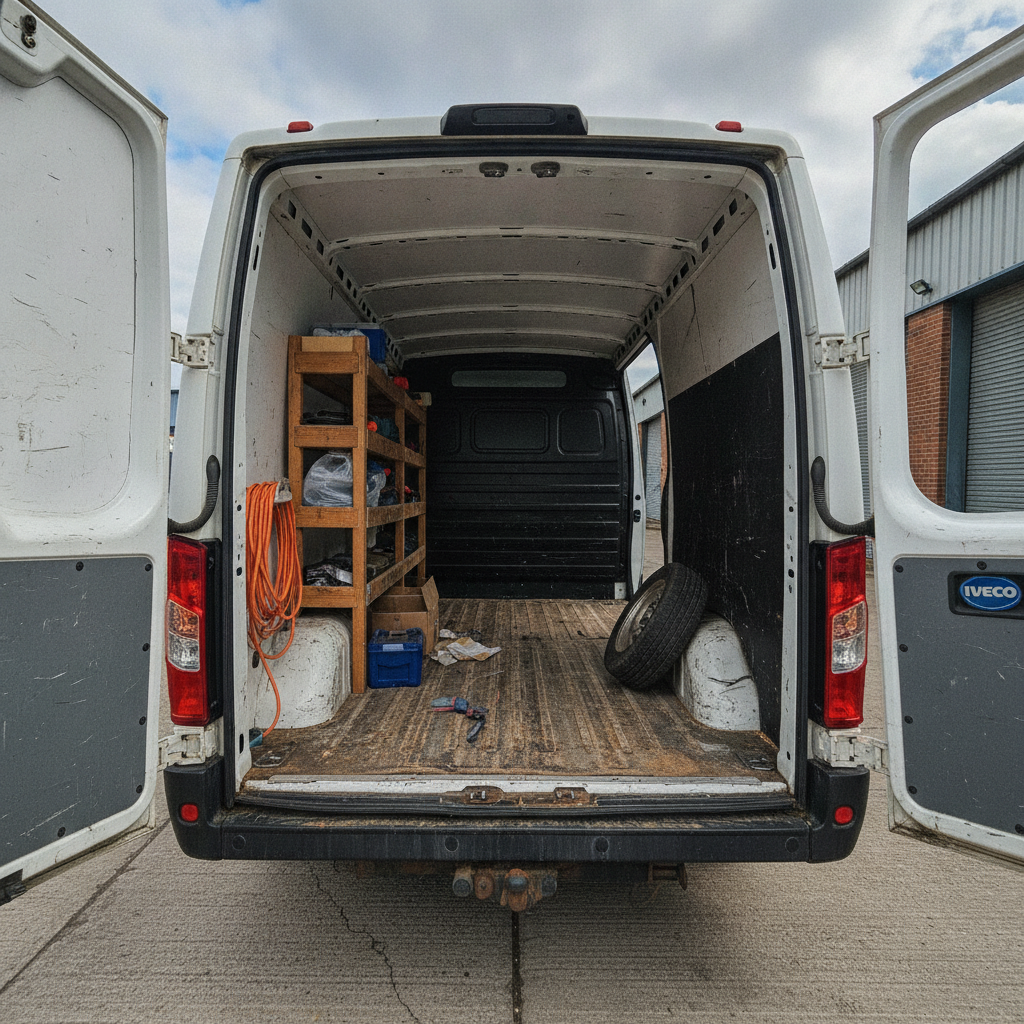
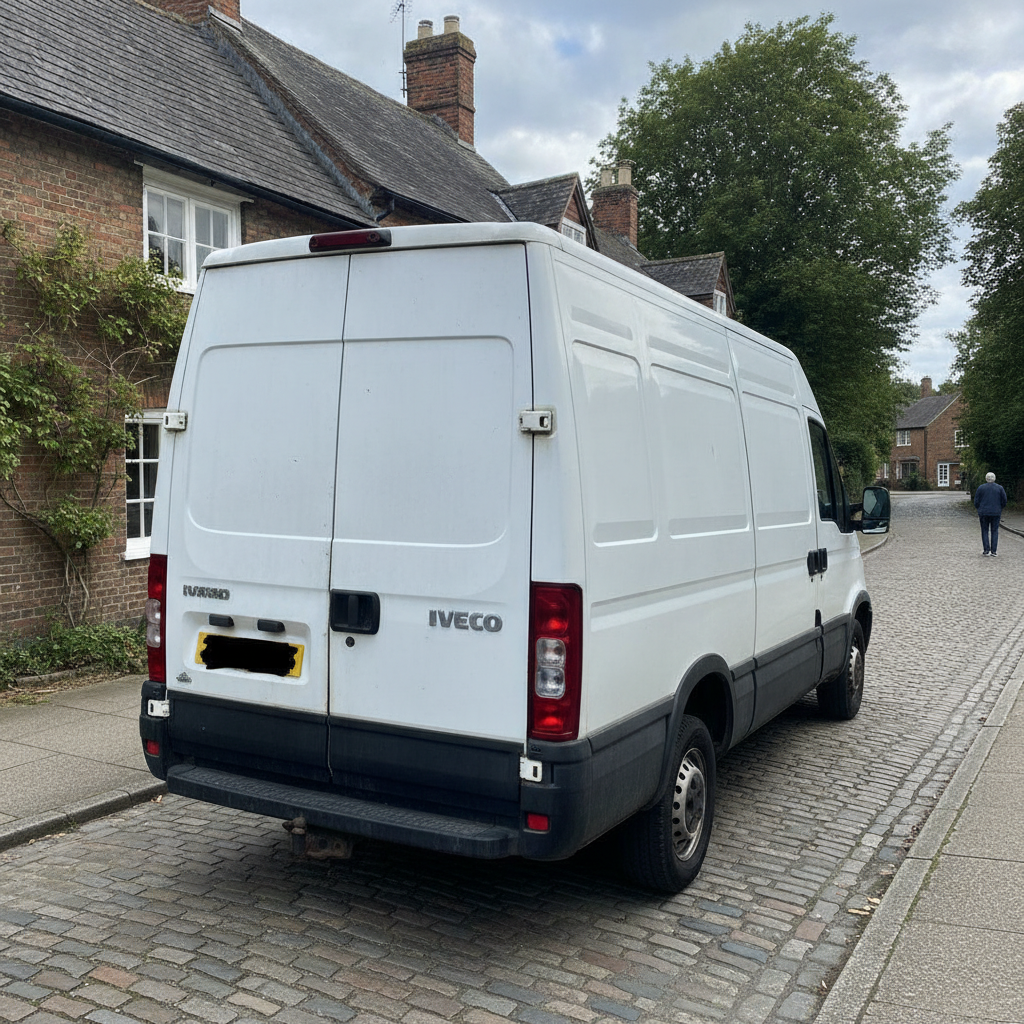
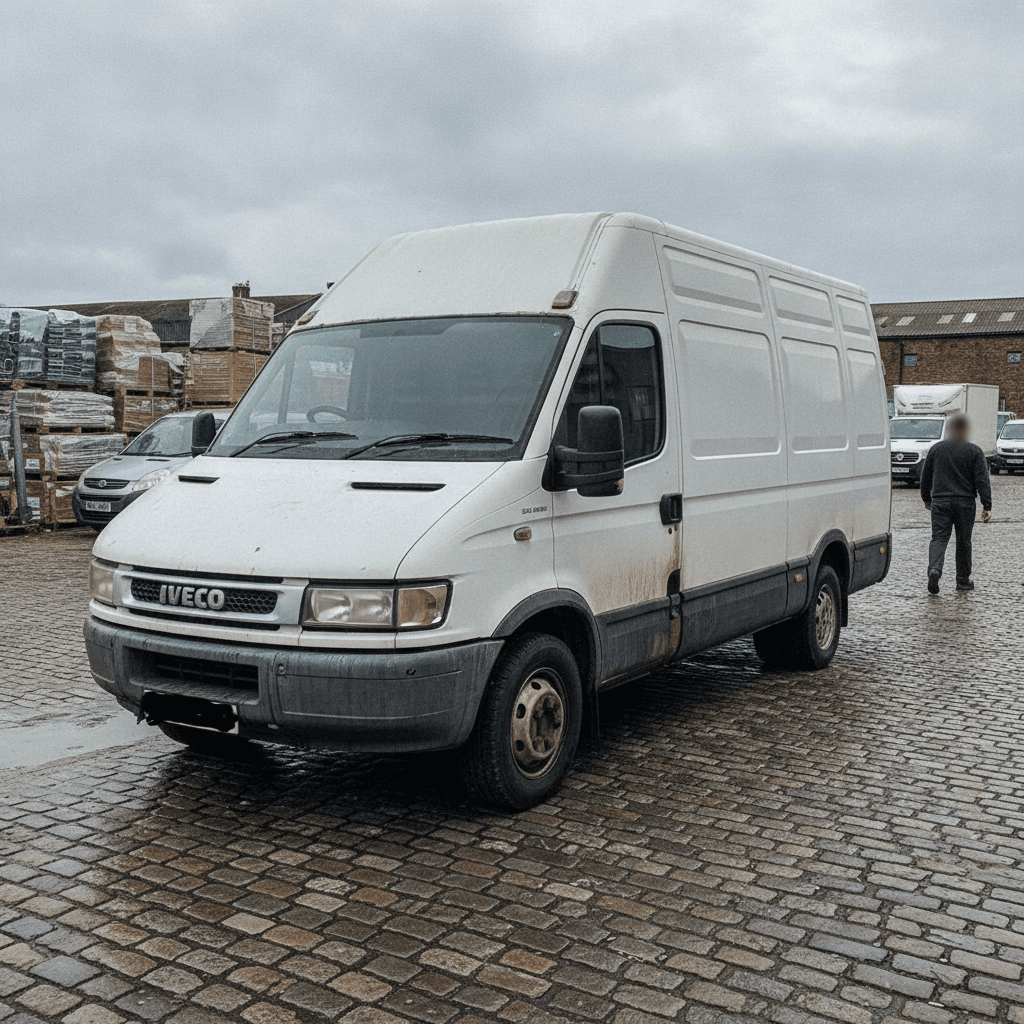
The panel van variant is available in multiple wheelbases ranging from 3,000mm up to 4,100mm, with three distinct roof heights. Load volumes start at a compact 9.0 cubic metres and scale up to an immense 19.6 cubic metres on the extra-long wheelbase, high-roof derivative. The 19.6 cubic metre model is the largest enclosed panel van available on the UK market, making it capable of swallowing up to six standard Euro pallets or full lengths of commercial timber and drainage pipe inside the cargo hold.
Chassis Cabs and Conversions
The bare chassis cab is where the Daily dominates the UK trade market. Common factory and coachbuilt setups include:
- Dropsides and Tippers: Featuring steel or aluminium beds, underfloor hydraulic tipping rams, and ladder racks. Widely deployed across civil engineering, groundworks, and tree surgery.
- Luton and Box Vans: High-cube composite or aluminium bodies with rear roller shutters or barn doors, frequently equipped with column tail lifts for removals and logistics.
- Vehicle Transporters: Extended-chassis lightweight aluminium slide-beds or beavertail platforms built specifically for multi-car transport and vehicle breakdown recovery.
- Crew Cabs: Factory double-cab arrangements accommodating a driver and up to six crew members alongside a rear dropside or tipper bed.
Core UK Trade Applications: Who Buys a Used Daily?
A used Iveco Daily is rarely bought as an incidental runabout; it is purchased by operators who need relentless capability and chassis strength that other vans cannot deliver.
- Civil Engineering and Groundworks: Groundworkers consistently choose twin-rear-wheel Daily tippers because the robust ladder rails withstand the severe twisting forces exerted when tipping aggregate or wet soil on unpaved building sites.
- Scaffolding Contractors: Scaffolding materials generate intense, concentrated weight over a small surface area. The Daily's heavy-duty rear axle and leaf spring suspension absorb these loads without sagging, while the rear-wheel-drive configuration ensures continuous traction when climbing steep gradients with a fully laden bed.
- Vehicle Recovery Operators: The Daily 3.0-litre Hi-Matic is the default industry standard for car recovery operators. The chassis rail design allows seamless installation of hydraulic winches and slide-beds, while the massive torque pulls stranded four-wheel drives and commercial vans onto trailers without straining the transmission.
- Arborists and Tree Surgeons: Tree surgeons require high-sided tipping chip boxes and the ability to tow large commercial woodchippers weighing several tonnes. The Daily’s combined train weight capacity handles both tasks simultaneously within legal limits.
- House Clearance and Removals: Furniture removal teams favour the massive 19.6 cubic metre panel van and oversized Luton bodies. The low floor height and square load bay walls allow high-density packing without compromising stability.
What to Look for When Buying a Used Iveco Daily
The heavy-duty nature of the Iveco Daily means many used examples have spent their working lives carrying maximum payloads, towing plant trailers, or operating in abrasive construction environments. When inspecting a used Daily, apply thorough mechanical scrutiny across several core areas.
1. Chassis Condition and Rear Spring Hangars
Get completely underneath the vehicle with a bright inspection torch. Examine the C-section chassis rails from front to rear. While surface oxidisation is common on steel rails, inspect carefully for structural corrosion, flaking rust near mounting brackets, and distorted metal around the rear towbar assemblies. Pay strict attention to the rear leaf-spring hangars, shock absorber mounts, and the condition of the leaf springs themselves. Overloaded commercial vehicles frequently suffer from cracked leaves, broken rebound clips, or heavily flattened parabolic springs.
2. Front Suspension and Wishbones
Iveco uses an independent front suspension system featuring either transverse leaf springs (Quad-Leaf) on lighter models or torsion bars (Quad-Tor) on heavy-duty derivatives. Check for worn lower ball joints, split rubber gaiters, and perished wishbone bushes. Any clunking over speed humps or uneven edge wear across the front tyres indicates that the front suspension components require urgent replacement.
3. Driveline, Propshaft, and Differential
Because all commercial Dailys are rear-wheel drive, the driveline features an exposed, multi-piece propshaft supported by centre carrier bearings. During a test drive, accelerate firmly from low speeds up to national speed limits. Feel for high-frequency vibrations through the cab floor, which signify worn propshaft centre bearings or unbalanced universal joints. Listen for a distinct whining noise from the rear differential when coasting off the throttle, which indicates worn pinion bearings caused by neglected differential fluid changes.
4. Engine Mechanical Health and Service Records
Confirm whether the engine is the 2.3-litre F1A (belt-driven) or 3.0-litre F1C (chain-driven):
- For the 2.3-Litre: Request documented proof of timing belt and water pump replacements. The recommended service interval is typically five years, but vans operating in dusty conditions or performing high-stress towing should have belts replaced earlier.
- For the 3.0-Litre: Listen for excessive metallic rattling from the timing chain cover on a cold start. A loose timing chain or failing hydraulic tensioner can lead to catastrophic valve contact if ignored. Ensure the engine starts cleanly without prolonged cranking, which points to failing high-pressure common-rail fuel injectors.
5. Hi-Matic Transmission Operation
If testing an automatic model, the ZF Hi-Matic should shift between gears almost imperceptibly. Move the selector lever between Drive, Neutral, and Reverse multiple times while stationary; engagement should be prompt without sudden thuds or hesitations. Under full acceleration, gear shifts should be progressive without engine rev flare. Ensure the transmission fluid and filter have been serviced in line with commercial fleet maintenance guidelines.
6. The Down-Plating Trap
Check the manufacturer VIN weight plate fixed inside the cab or engine bay. Many heavy-chassis Daily models (such as 50C or 65C variants) are down-plated on paper to 3,500kg so they can be driven on a standard car licence without a tachograph. However, because a 5.0-tonne chassis is substantially heavier than a standard van, a down-plated 50C may have an unladen weight exceeding 2,600kg. This leaves less than 900kg of usable payload capacity. If your drivers unwittingly load several tonnes of materials onto a down-plated vehicle, you risk severe roadside penalties, vehicle impoundment, and prosecution for axle overloading.
Common Faults and Problem Years
While the mechanical core of the Daily is industrial-grade, specific subsystems can present ongoing maintenance challenges if neglected:
Emissions System Failures (Euro 6 Models)
From late 2016 onwards, Euro 6 compliant Dailys introduced Selective Catalytic Reduction (SCR) requiring AdBlue alongside Diesel Particulate Filters (DPF). Urban multi-drop vans that do not complete regular high-temperature highway runs frequently suffer from blocked DPF matrices. Inspect the AdBlue tank filler neck and underneath the dosing injector for white, crusty crystallisation. Faulty NOx sensors and heating elements in the AdBlue reservoir are well-known failure points that trigger dashboard warnings and countdown timers preventing engine restarts.
Chassis Wiring Loom Corrosion
Unlike monocoque vans that run electrical wiring inside protected body cavities, the Daily routes sections of its wiring loom along the exposed steel chassis rails. In the UK, winter road salt and pressure washing can breach external wiring conduits, leading to water ingress, pin corrosion, and phantom instrument cluster warnings. Check that the Body Control Module (BCM) operates cleanly without spurious lighting or ABS warning lights.
Models and Years to Approach with Caution
Exercise extreme caution with Euro 5 models produced between 2011 and 2014 equipped with complex twin-EGR (Exhaust Gas Recirculation) cooling systems unless they come with an exhaustive service record. These cooling systems could leak coolant internally into the intake tract. Additionally, inspect early 2016 Euro 6 transitions thoroughly to confirm that all manufacturer software updates regarding AdBlue metering and DPF regeneration have been carried out by an Iveco main dealer.
Typical Used Iveco Daily Price Expectations
The used market for Iveco Dailys reflects their longevity. Values remain robust for clean, unmolested Euro 6 models with verified service history.
Used Iveco Daily Pricing: Under £6,000 + VAT
At this entry-level valuation, you will encounter older Euro 5 models typically registered between 2010 and 2015. Expect high mileages exceeding 150,000 miles, noticeable cosmetic wear on cab plastics and exterior panels, and vehicles that have served hard lives on construction sites or general transport. These vans are generally non-compliant with clean air zones, making them suitable only for rural operators who require a rugged, low-cost mechanical workhorse outside regulated low-emission boundaries.
Used Iveco Daily Pricing: £7,000 to £14,000 + VAT
This mid-tier bracket represents the volume sweet spot for independent tradespeople and small fleets. Here you will find early-to-mid Euro 6 panel vans and factory dropsides registered between 2016 and 2020. Mileages typically range from 70,000 to 120,000 miles. Vehicles in this price category offer full compliance with the London Ultra Low Emission Zone (ULEZ) and provincial Clean Air Zones (CAZ) across Birmingham, Bristol, Bath, and Sheffield. Service histories are generally documented via national fleet or leasing programmes.
Used Iveco Daily Pricing: £15,000 to £28,000+ + VAT
The premium end of the pre-owned market consists of late-plate models from 2021 onwards with low mileages, often below 45,000 miles. This bracket features desirable 3.0-litre 180 hp or 210 hp engines paired with the Hi-Matic eight-speed automatic transmission. It also includes specialised coachbuilt equipment, such as lightweight recovery beds, insulated refrigerated bodies, or heavy-duty three-way tippers ready for immediate commercial deployment without the lead times of a new factory order.
Running Costs: Fuel, Maintenance, and Road Tax
Operating a heavy-duty commercial vehicle involves running costs that reflect its truck-like engineering. Prospective buyers should budget accordingly.
Fuel Consumption
Fuel efficiency depends heavily on engine size, axle ratio, body style, and load weight:
- 2.3-Litre Panel Vans: When driven sensibly at legal highway speeds, expect between 28 mpg and 34 mpg unladen, dropping to roughly 24 mpg to 27 mpg under full payload.
- 3.0-Litre High-Roof, Box Vans, or Tippers: Aerodynamic drag from box bodies and the higher displacement of the 3.0-litre engine reduce efficiency. Real-world returns typically sit between 20 mpg and 25 mpg, and can dip into the high teens when towing a heavy plant trailer or operating in stop-start traffic.
Servicing and Replacement Wear Items
Standard service intervals on modern Dailys are set at up to 30,000 miles or two years, but severe operating conditions demand annual servicing or intervals of no more than 15,000 miles to preserve the turbochargers and emissions gear. Component costs are generally comparable to heavy commercial vehicles rather than passenger cars. For example, replacing a complete set of six commercial tyres on a twin-rear-wheel model involves higher upfront expenditure than a single-axle van. However, suspension components, wheel bearings, and chassis mounts are designed for extended working lives, meaning they fail far less frequently under arduous site work than monocoque equivalents.
Road Tax and Insurance
Standard 3.5-tonne Daily models fall under standard light commercial vehicle (TC39) flat-rate road tax rules in the UK. Insurance groupings are moderately higher than standard medium vans, usually falling into Groups 38 through 44 depending on engine output, security provisions, and whether the vehicle has an open bed or specialist conversion equipment.
Financing Your Used Iveco Daily
Acquiring a reliable used workhorse does not require depleting your business's day-to-day cash reserves. Choosing structured van finance gives small business owners and sole traders the ability to spread the capital outlay across manageable fixed monthly payments that align with incoming trade revenue. Hire Purchase (HP) remains exceptionally popular for used Iveco Dailys, as it allows your business to claim ownership of the asset at the end of the term, while VAT-registered businesses can typically reclaim the VAT element upfront on their next quarterly return.
If you prefer driving newer machinery without carrying residual disposal risk or long-term vehicle depreciation, exploring competitive van lease deals provides an alternative route to operating late-plate commercial vehicles on flexible contract terms. Whether you need a single 3.5-tonne dropside for a local landscaping firm or multiple 3.0-litre Hi-Matic haulers for regional logistics, selecting the appropriate funding product preserves working capital for everyday commercial growth.
Final Verdict: Is a Used Iveco Daily Right for You?
The Iveco Daily is not an ordinary light commercial van. It is an unyielding, heavy-duty commercial truck downsized to operate within the light vehicle sector. If your daily operations consist of carrying lightweight parcels, local urban floristry, or small domestic plumbing jobs, lighter front-wheel-drive vans offer better fuel economy, easier parking, and a more car-like driving experience.
However, if your working week involves towing heavy plant machinery, hauling structural steel, tipping wet soil across muddy building sites, or clocking hundreds of thousands of motorway miles with a high-capacity Luton body, no monocoque van on the UK market can match the structural integrity, axle resilience, and sheer pulling force of a used Iveco Daily.