The short answer
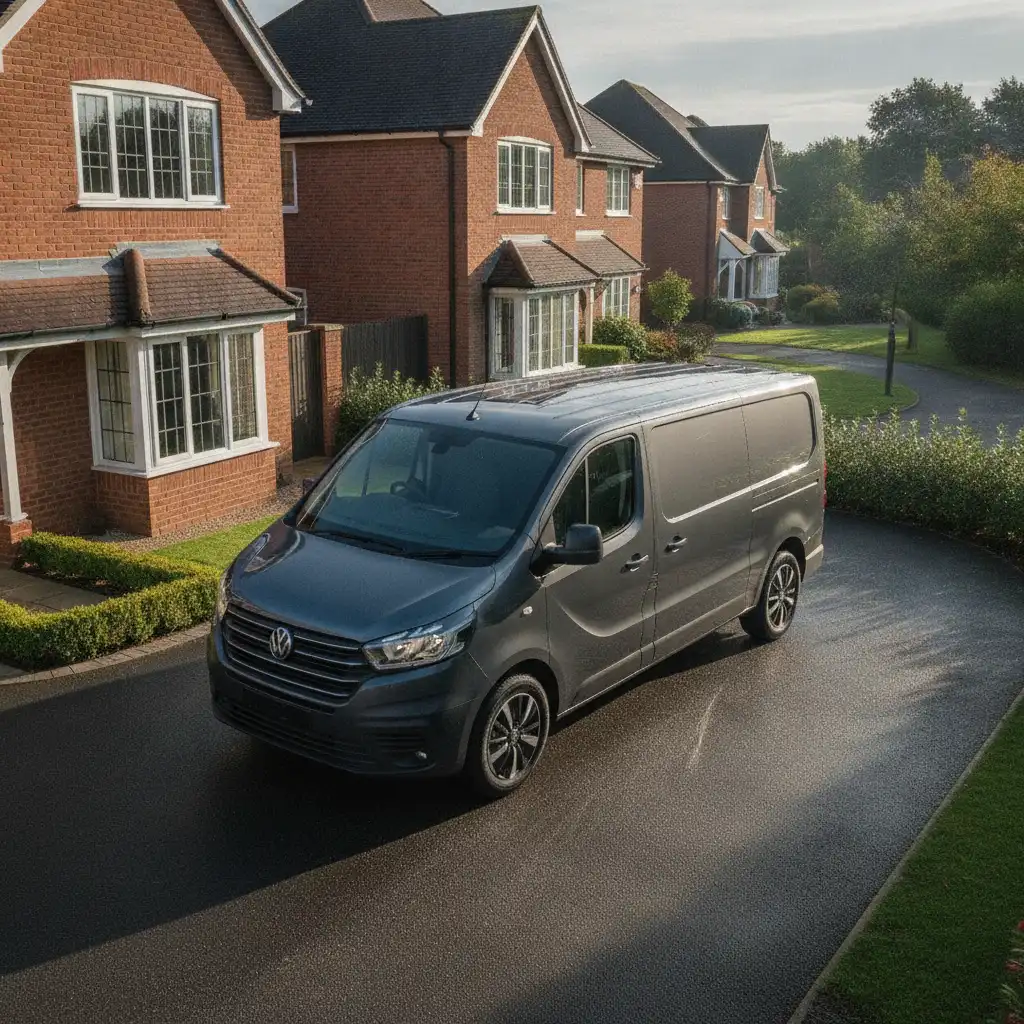
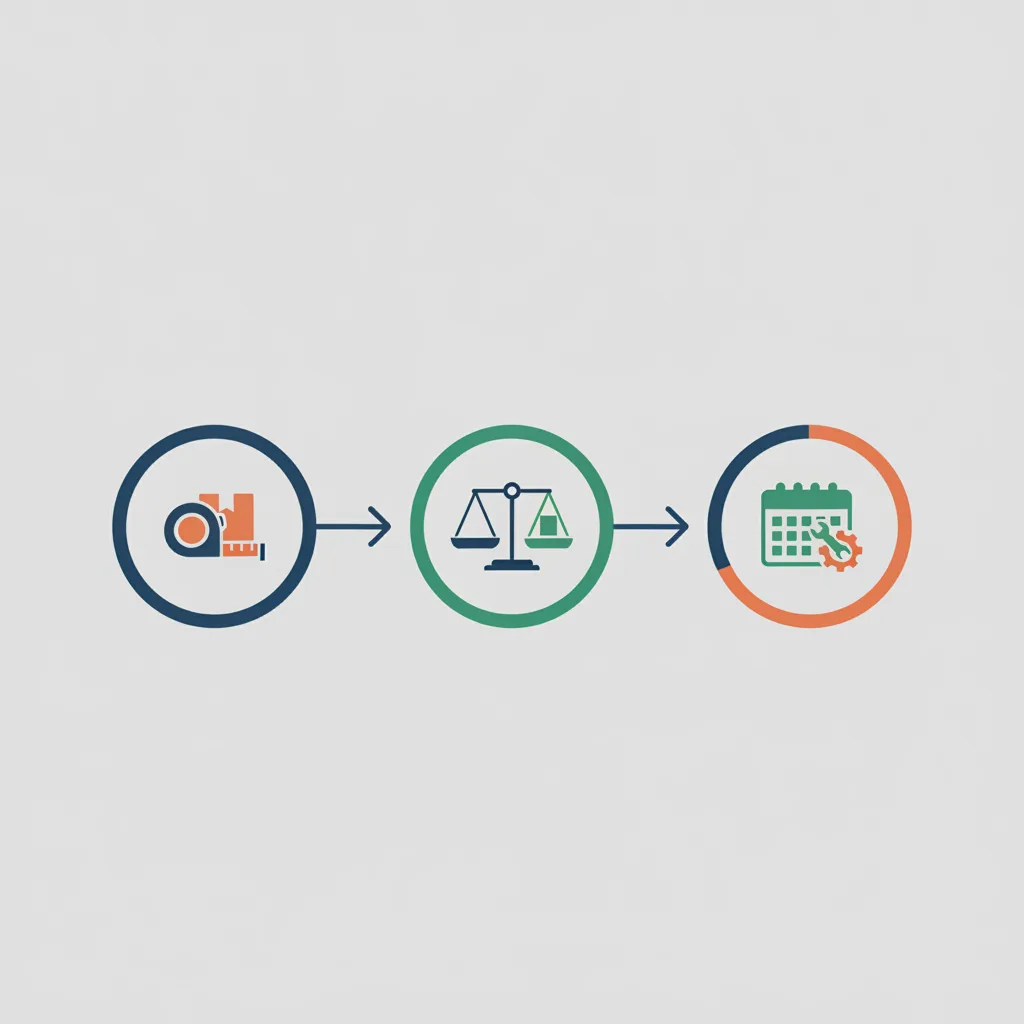
Entering the van market for the first time requires a structured approach. Start by calculating your specific payload requirements, internal cargo dimensions, and your typical daily mileage. By balancing your operational needs with a clear budget for running costs, you can make an informed decision about whether a new vehicle under a lease agreement or an outright purchase is the right fit for your business.
What to check
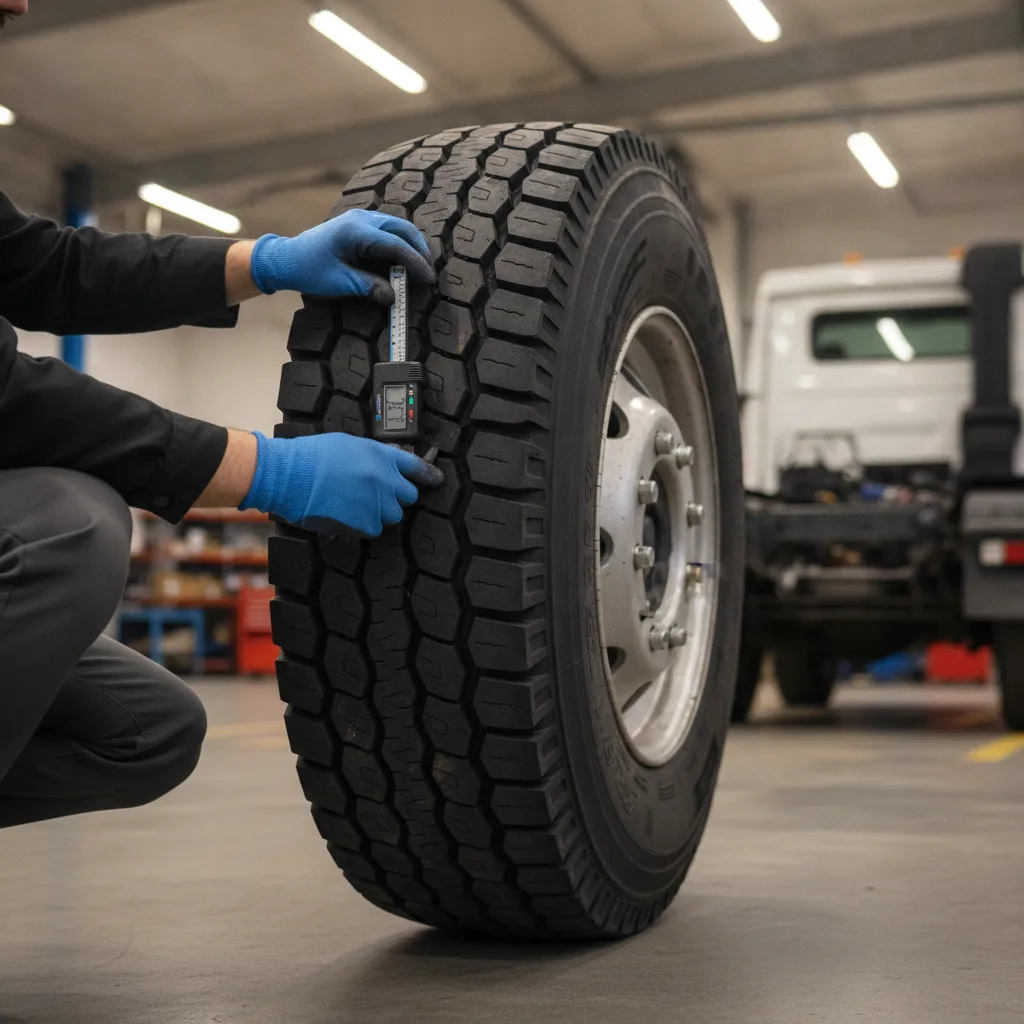
If you are buying a used van, focus on the mechanical and structural integrity of the vehicle. Request the full service history to confirm the van has been maintained to the manufacturer's schedule. Inspect the bodywork for corrosion or accident damage, check that tyres are within legal tread limits, and verify the mileage against the history of its previous MOT tests. Ensure the cargo area is undamaged and secure, as repairs to floor linings or side panels can be costly.
Costs to plan for
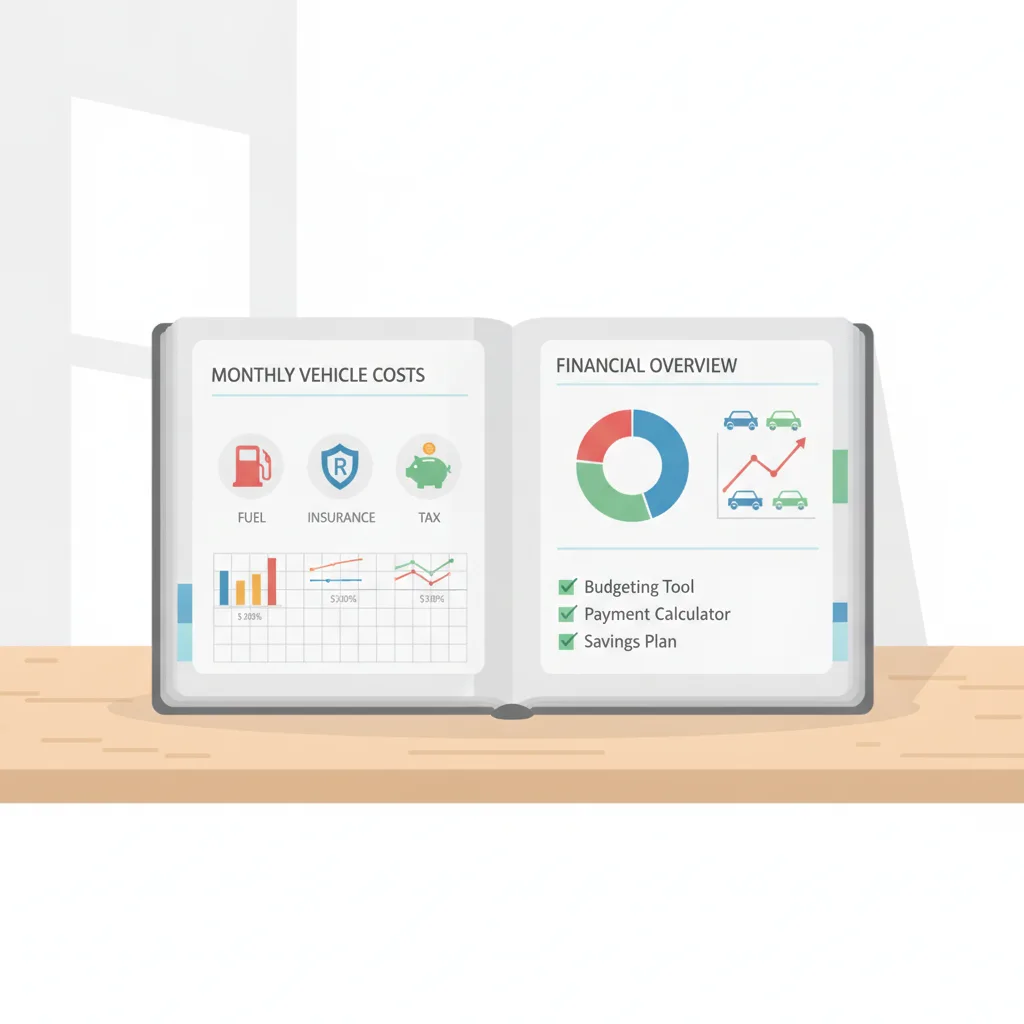
Regardless of how you acquire your van, you must account for several fixed and variable costs. Commercial insurance is mandatory, and premiums vary based on the nature of your trade and vehicle security. Budget for annual road tax, regular maintenance, and fuel. If you lease, your monthly outgoings are predictable, whereas purchasing outright requires a significant initial capital outlay but removes monthly contract obligations. Be aware of how your business status affects VAT reclamation and potential tax write-downs on commercial vehicles.
Common mistakes
A frequent error is selecting a van that does not match your cargo profile; a vehicle that is too small limits your productivity, while one that is too large increases fuel consumption unnecessarily. First-time buyers often overlook security upgrades, leaving tools and equipment vulnerable. Additionally, failing to verify the legal payload capacity can lead to overloading, which carries safety risks and potential fines. Always perform a comprehensive review of your needs before signing any credit agreements or purchase contracts.
FAQs
What should a first-time van buyer know? You should have a clear understanding of your payload requirements, the type of goods you transport, your average annual mileage, and your total budget including insurance, tax, and fuel.
Is it better to buy a used van or lease a new one? Buying used requires careful inspection of the vehicle's history and condition, often involving lower upfront costs but higher maintenance risks. Leasing a new van offers the security of a manufacturer warranty, modern fuel efficiency, and fixed monthly payments, though it requires passing a credit check.
How do I know which van size is right for me? Evaluate the physical volume and weight of your equipment. Compact vans are ideal for light loads and urban manoeuvrability, while medium and large vans are necessary for trades requiring heavy-duty storage or bulky materials.
Do I need special insurance for a commercial van? Yes, standard car insurance is typically insufficient. You require commercial vehicle insurance that reflects how you use the van, such as carriage of own goods or haulage, to ensure you are covered for business operations.