
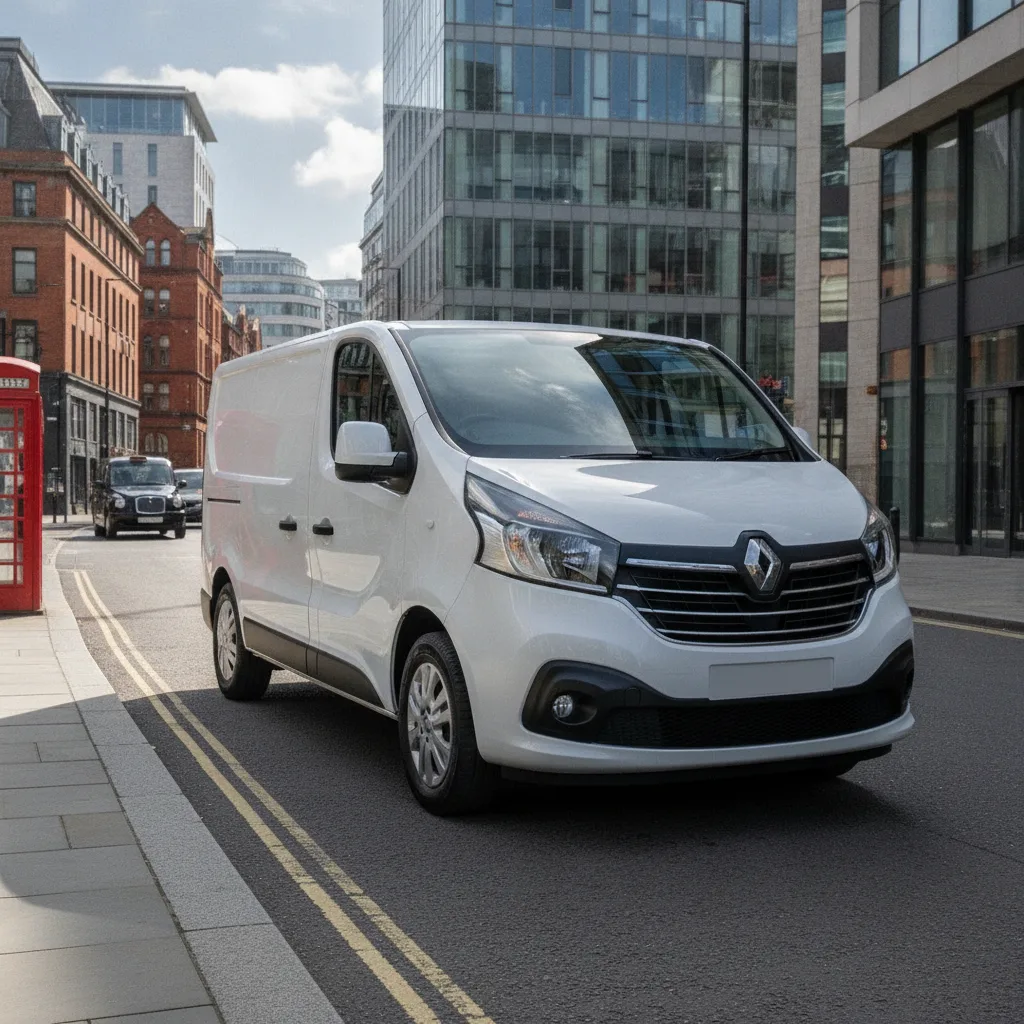
The Renault van range at a glance
Renault vans are staples on UK roads, known for their functional load areas and ergonomic cabins. When assessing a used Renault, you should focus your inspection on key mechanical areas, specifically looking for common issues related to electrical components, suspension component wear, and turbocharger longevity in high-mileage diesel units.
Which models and ages to consider
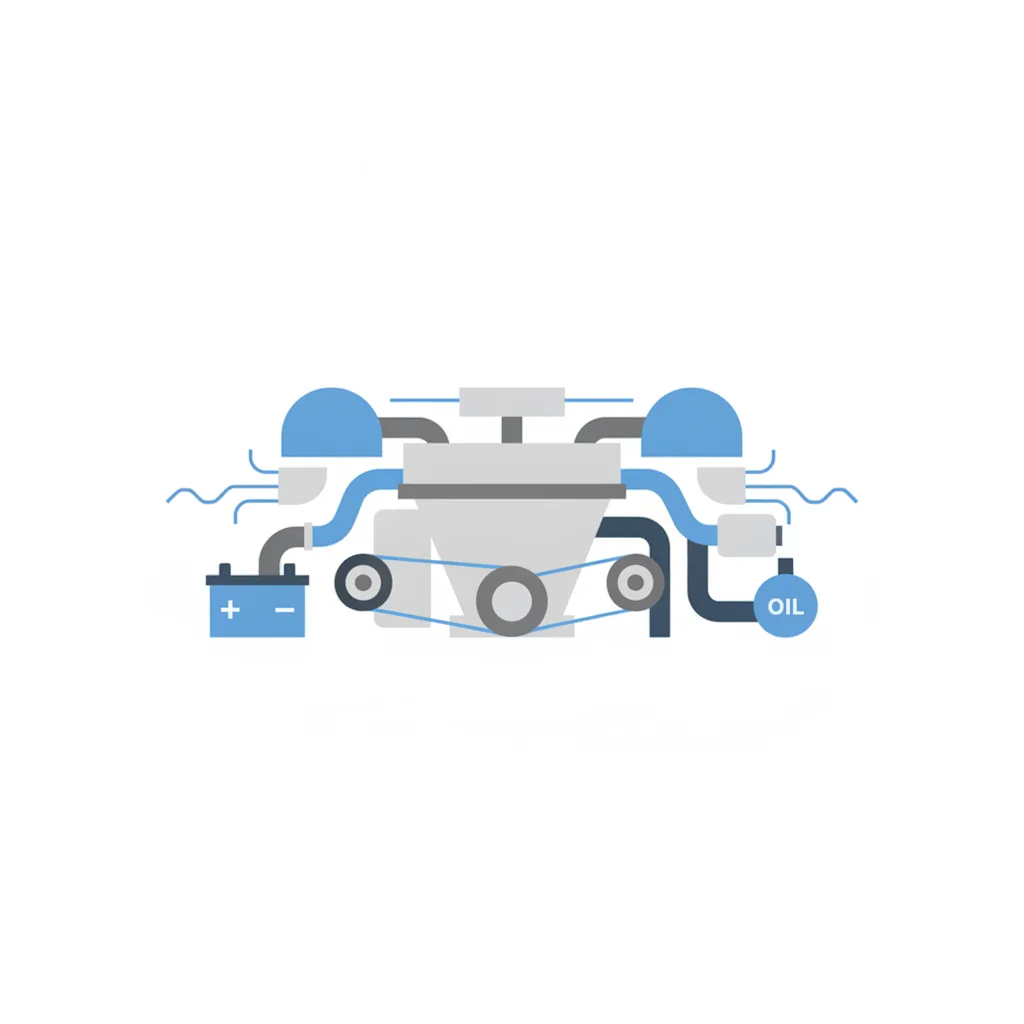
The reliability of your Renault often depends on the specific engine and model year. For the Trafic, the 1.6-litre dCi engine has been a mainstay, though it requires strict adherence to oil change intervals to prevent timing chain stretch. In the Master, early 2.3-litre dCi units have experienced issues with injector seals causing carbon buildup, often referred to as 'black death' around the injectors. When considering post-2016 models, look for service records that prove consistent maintenance, as these updated engines generally feature better calibration and improved cooling systems compared to their predecessors.
What to check before you buy
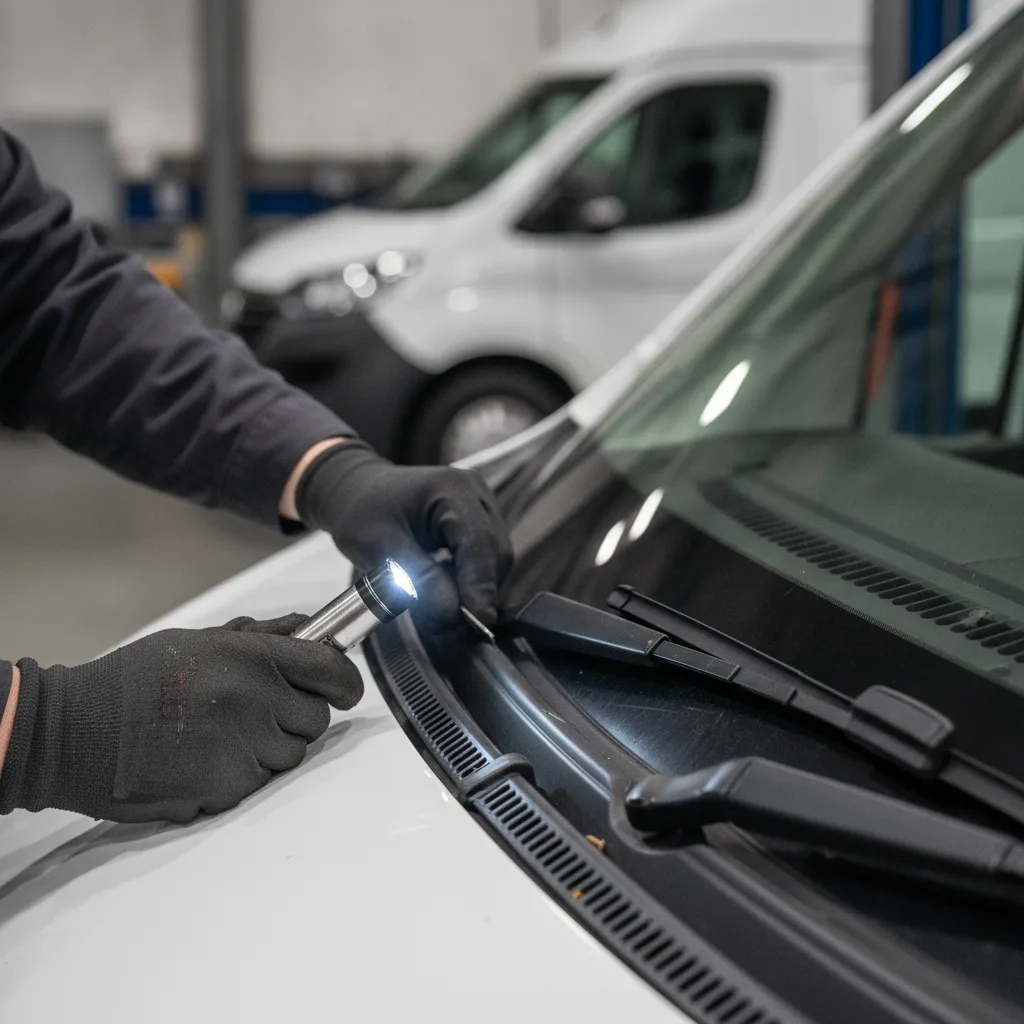
Begin your inspection by checking the scuttle panel area; water ingress due to blocked drainage channels is a known issue that can lead to electrical gremlins and short circuits in the engine bay. On a test drive, listen for any metallic whining or whistling from the turbocharger, which can indicate premature bearing wear. Verify the operation of the central locking and electronic windows, as broken wiring looms in the door hinges are common on high-usage vehicles. Finally, ensure the DPF light is not illuminated; if the van has only been used for short, urban stop-start journeys, the DPF may require professional cleaning or replacement due to a lack of motorway-speed regeneration cycles.
Costs to plan for
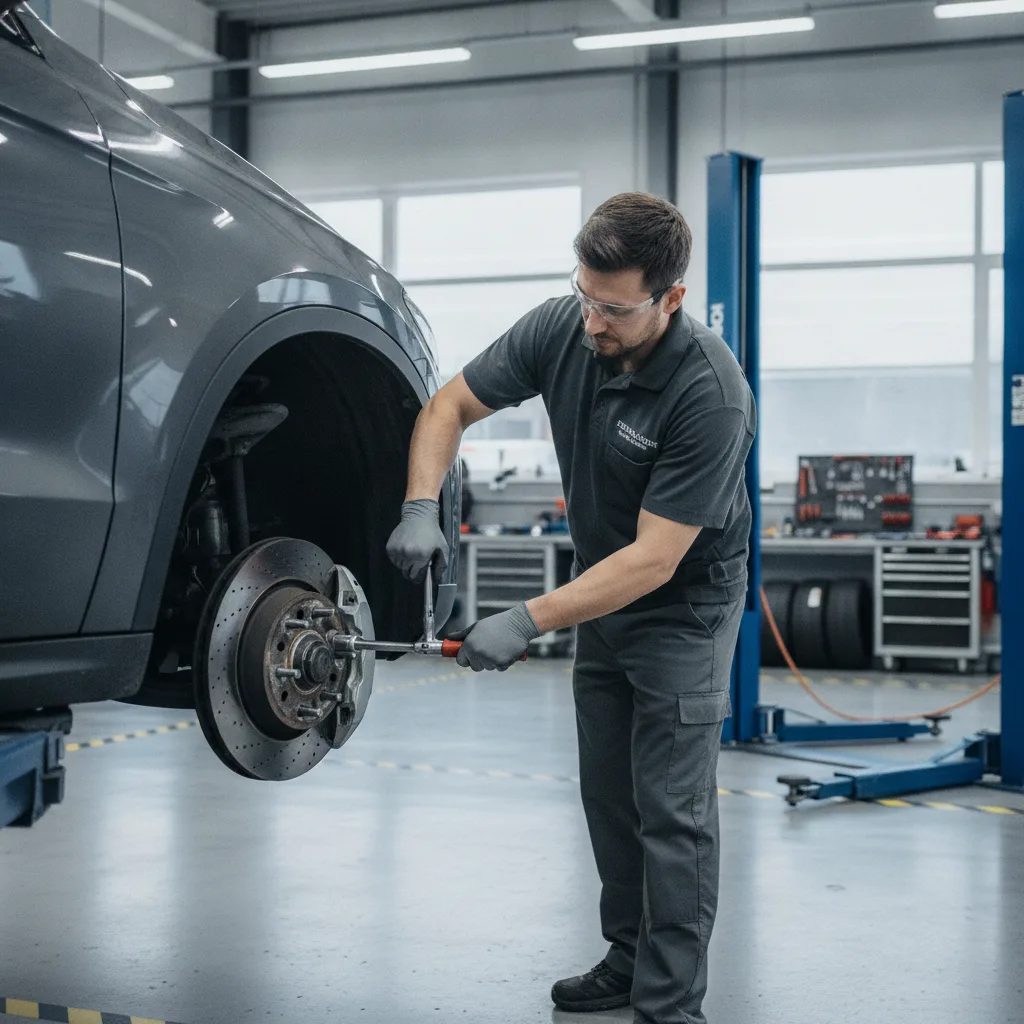
Maintaining a used commercial vehicle requires a proactive approach. Budget specifically for routine wear items, such as suspension bushes, shock absorbers, and brake components, which endure heavy loads. Beyond standard servicing, set aside funds for potential sensor failures, such as MAF or crankshaft position sensors, which are common diagnostic triggers. If you are purchasing an older high-mileage diesel, it is prudent to have the EGR valve and DPF condition assessed by a mechanic to avoid significant repair costs shortly after purchase.
FAQs
What are the most common electrical faults in Renault vans? Common electrical faults often stem from water ingress through blocked scuttle panel drains, which can damage the ECU or cabin wiring. Additionally, check for frayed wiring looms in the door hinges, which can cause central locking or window operation failures.
Are there specific engine issues to look out for on the Master? On the 2.3-litre dCi engines, the primary concern is the potential for injector seal failure, which leads to carbon buildup around the injectors. This requires prompt attention to prevent long-term damage to the cylinder head.
Why is it important to check the service history for oil changes? Renault diesel engines, particularly the 1.6 dCi, rely on high-quality, frequent oil changes to maintain the integrity of the timing chain. Failure to follow the service schedule can lead to accelerated wear and eventual timing chain failure.
How do short journeys affect a Renault van? Frequent short, urban journeys prevent the diesel particulate filter (DPF) from reaching the required temperature for active regeneration. This leads to soot accumulation, potentially resulting in restricted performance and the need for a professional forced regeneration or replacement.