
Vauxhall Vans: Common Faults to Look For
Understanding the mechanical history of Vauxhall vans is essential for buyers. For the Vivaro range, pre-2019 models frequently faced complications with the timing chain on specific diesel engines, often leading to premature wear if oil change intervals were not strictly followed. In contrast, the post-2019 Vivaro, built on the EMP2 platform, shares more commonality with PSA-group vehicles, which addressed many of these legacy powertrain concerns. MOT data trends for Vauxhall vans often highlight suspension bushes and corroded brake lines as common advisory points, particularly on heavy-duty vehicles that have operated in corrosive road salt conditions during UK winters.
The Vauxhall van range at a glance
The current Vauxhall commercial lineup consists of the Combo, Vivaro, and Movano. The Combo is a small-panel van designed for light urban distribution. The Vivaro acts as the mid-sized workhorse, which underwent a significant architecture change in 2019 to improve engine efficiency and weight distribution. The Movano, the largest in the range, shares heavy-duty architecture with the Renault Master, meaning it is susceptible to specific electrical gremlins related to wiring loom connections in the rear door areas, which can affect lighting circuits.
Which models and ages to consider
Prioritising models registered after 2019 is generally advisable to avoid the documented DPF (Diesel Particulate Filter) sensitivity issues found in earlier 1.6-litre CDTi engines. These older engines were particularly prone to clogging if used primarily for short-distance, stop-start urban deliveries without sufficient motorway mileage to trigger active regeneration cycles. When inspecting older stock, prioritise vehicles that have a verifiable record of long-distance motorway usage, as these have typically placed less cumulative stress on the DPF and EGR systems compared to urban-bound equivalents.
What to check before you buy
During your inspection, pay close attention to the dashboard for any persistent warning lights, specifically those related to the emissions control system. Listen intently for turbo whine during acceleration; while minor noise is expected, a high-pitched whistling sound often indicates play in the bearings. Check the operation of all door locks and sliding mechanisms, as sticking cables are a known point of failure. Finally, verify that the timing chain or belt has been replaced in accordance with the manufacturer's mileage and age-based service schedule, as neglecting this can result in catastrophic engine failure.
Costs to plan for
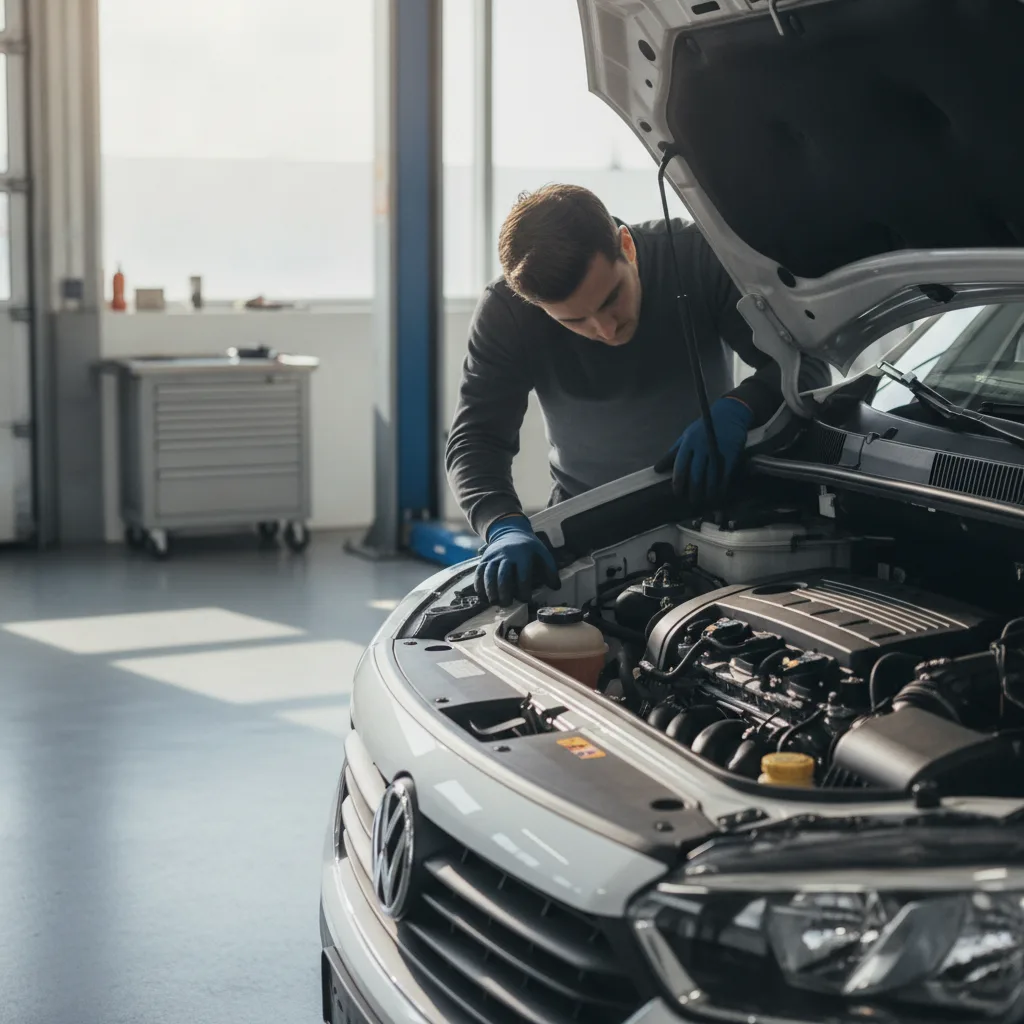
Beyond the purchase price, you should anticipate regular maintenance costs associated with high-mileage commercial use. Sensor failures, including MAF (Mass Air Flow) and NOx sensors, are recurring costs as these components reach the end of their service life. Suspension components, specifically drop links and track rod ends, are considered consumable items given the condition of UK road surfaces. Budgeting for proactive replacement of these items, rather than waiting for component failure, will significantly reduce downtime and prevent secondary damage to other vehicle systems.

FAQs
What is the main difference between pre- and post-2019 Vauxhall Vivaro models? The post-2019 Vivaro transitioned to a new platform which updated the engine technology, moving away from the 1.6-litre diesel engines that were known for specific timing chain and DPF issues in earlier versions.
Why do Vauxhall vans often fail MOTs? Common MOT failure points for commercial vans include worn suspension bushes, corroded brake pipes, and lighting circuit faults, often exacerbated by the high-load nature of commercial usage and exposure to road salt.
How can I avoid DPF issues on a Vauxhall van? DPF issues are most common in vans used for short, urban journeys. Ensure the vehicle has the opportunity to perform regular, longer-distance motorway driving, which allows the exhaust temperature to rise sufficiently to burn off soot deposits.
Is it critical to check the service history for oil changes? Yes. Vauxhall diesel engines are highly sensitive to oil quality. Using the correct specification oil at the correct intervals is the most important factor in maintaining the longevity of the turbocharger and the timing chain assembly.