Used Ford Transit Custom: What to Check Before You Buy
The Ford Transit Custom is a workhorse, but its reliability depends entirely on rigorous maintenance. The most critical failure point is the 'wet belt' (timing belt-in-oil) system found in the 2.0-litre EcoBlue engines. You must verify that the engine has exclusively used oil meeting the WSS-M2C950-A specification. Using incorrect oil leads to belt degradation, where rubber particles clog the oil pump strainer, resulting in catastrophic engine failure. Always check that service records reflect the correct oil and strictly adhered-to intervals.
Which versions and ages to consider
The Transit Custom underwent a major transformation in 2018. Models registered after this point feature the updated 2.0-litre EcoBlue unit, which offers improved fuel efficiency and refinement over the older 2.2-litre engines. For business owners, ensuring your vehicle is Euro 6 compliant is essential for avoiding urban emission zone charges. Focus your search on models from 2018 onwards to benefit from the upgraded interior architecture and improved connectivity systems.
Body styles, payload and sizes
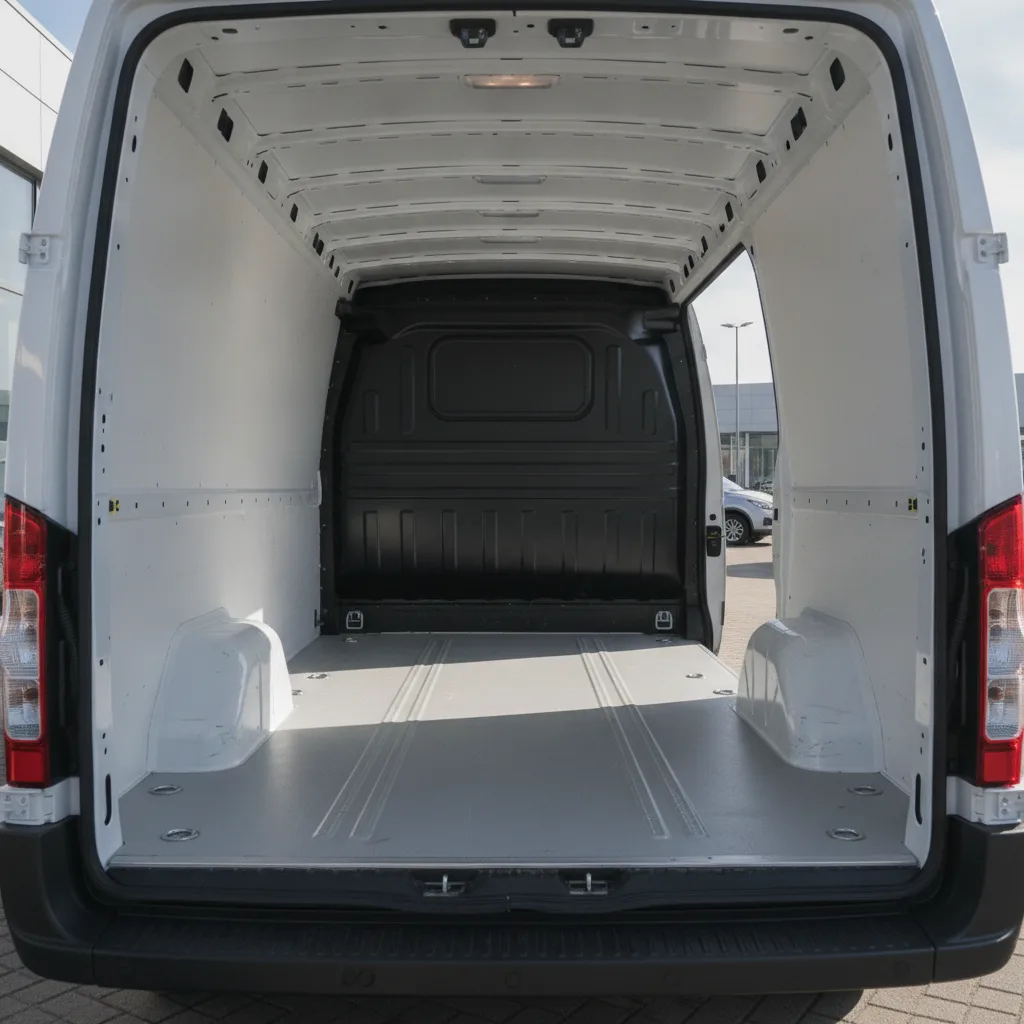
Transit Customs come in L1 (short wheelbase) and L2 (long wheelbase) configurations, with H1 and H2 roof options. When assessing a vehicle, check the gross vehicle weight plate inside the door frame to confirm the payload capacity matches your business needs. Regardless of size, inspect the rear load area floor and side panels; heavy dents or missing tie-down points suggest the van has been used for hauling heavy, unsecured materials, which places extra strain on the drivetrain and suspension components.
What to check on the van
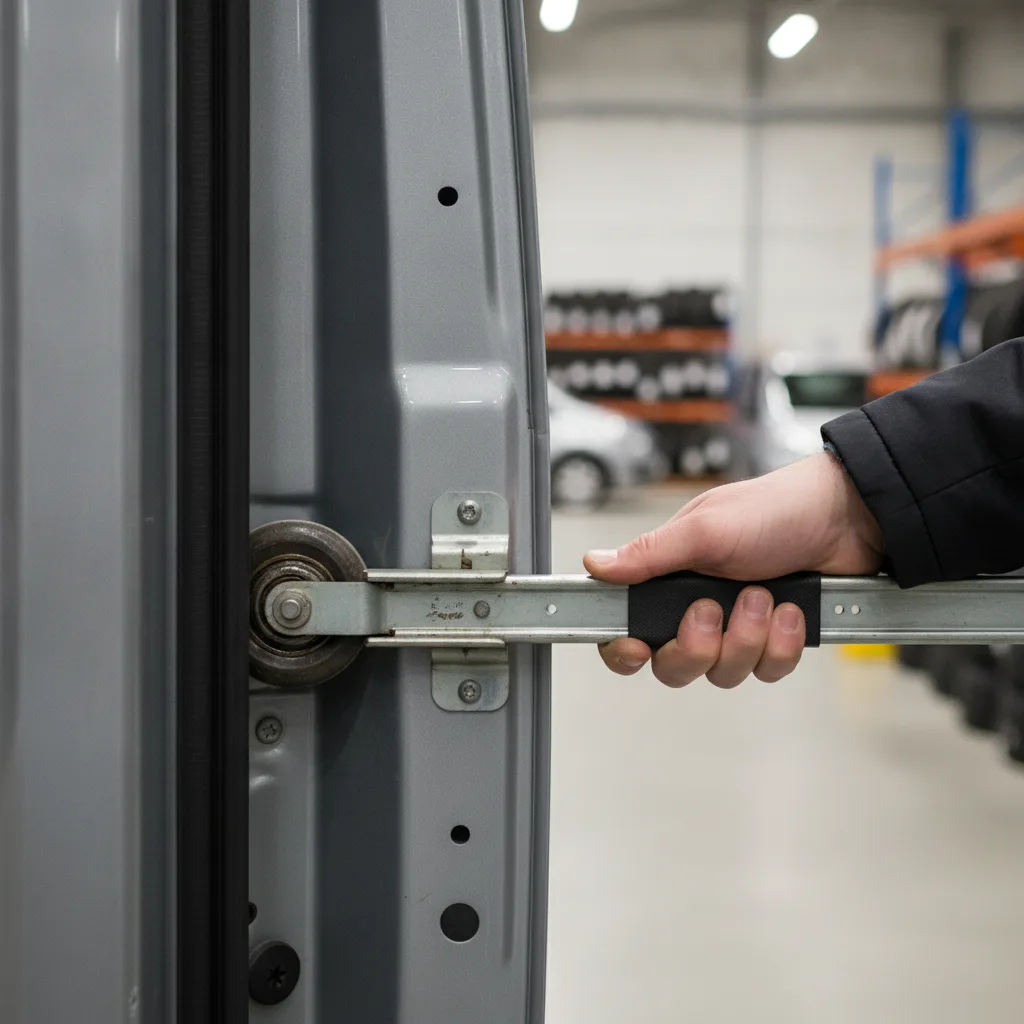
Beyond the engine, the Transit Custom has specific known mechanical foibles. Test the sliding door latch mechanism; if the door sits proud of the bodywork or feels gritty when opening, the runner bearings or the latch assembly may be failing. Inside, check the DPF (Diesel Particulate Filter) status. If the dashboard shows warning lights or the van has spent most of its life on short, urban stop-start journeys, the DPF may be partially blocked, leading to expensive regeneration cycles or premature sensor failure.
Known areas to inspect
Beyond the wet belt, inspect the AdBlue system. The AdBlue injector and associated sensors are prone to failure; check for any crystalline deposits around the exhaust or an 'AdBlue system fault' message on the dash. Furthermore, inspect the steering rack for fluid leaks and check the front suspension bushes, which are a common MOT failure point. Finally, ensure all electrical functions, particularly the heating and ventilation controls, are operational, as faulty blend door actuators are a frequent and labour-intensive repair on this model.
FAQs
Why is the 'wet belt' so critical on the Transit Custom? The EcoBlue engine uses a timing belt that runs inside the engine's oil. If the oil is not the precise WSS-M2C950-A specification or if service intervals are missed, the belt material degrades. This debris blocks the oil pump, which can starve the engine of oil and cause total failure.
What should I look for regarding the AdBlue system? Check for white crystalline deposits near the exhaust and ensure there are no AdBlue-related warning lights on the dashboard. Failures of the AdBlue injector and pump are known issues that can be costly to rectify.
Are there specific bodywork issues I should look for? Beyond standard rust, pay close attention to the sliding door runners and latch mechanisms. If the doors do not shut flush or rattle during a test drive, the mechanism is likely worn or out of alignment.
How do I know if the DPF is in good condition? A healthy DPF should not trigger warning lights. Avoid vans that have been used exclusively for very short, inner-city journeys, as these often cause the DPF to clog because the exhaust temperature never gets high enough to perform a full passive regeneration.