Which versions and ages to consider
The Ford Transit Connect, particularly models produced from 2014 onwards, is a staple of the UK small van market. While the 1.0-litre EcoBoost petrol is well-regarded for urban use, most buyers opt for the 1.5-litre TDCi diesel engine. When evaluating these, prioritise examples with a full service history that documents specific oil change intervals, as the engine's long-term health depends heavily on consistent maintenance.
Body styles, payload and sizes
The Transit Connect is available in two distinct configurations: the L1 (short wheelbase) and L2 (long wheelbase). The L1 offers a compact footprint suitable for tight city streets, while the L2 provides increased load length for transporting longer materials. Regardless of the size chosen, always verify the payload capacity on the manufacturer’s plate to ensure it aligns with your specific load requirements, as overloading can cause premature stress on the suspension components.
What to check on the van
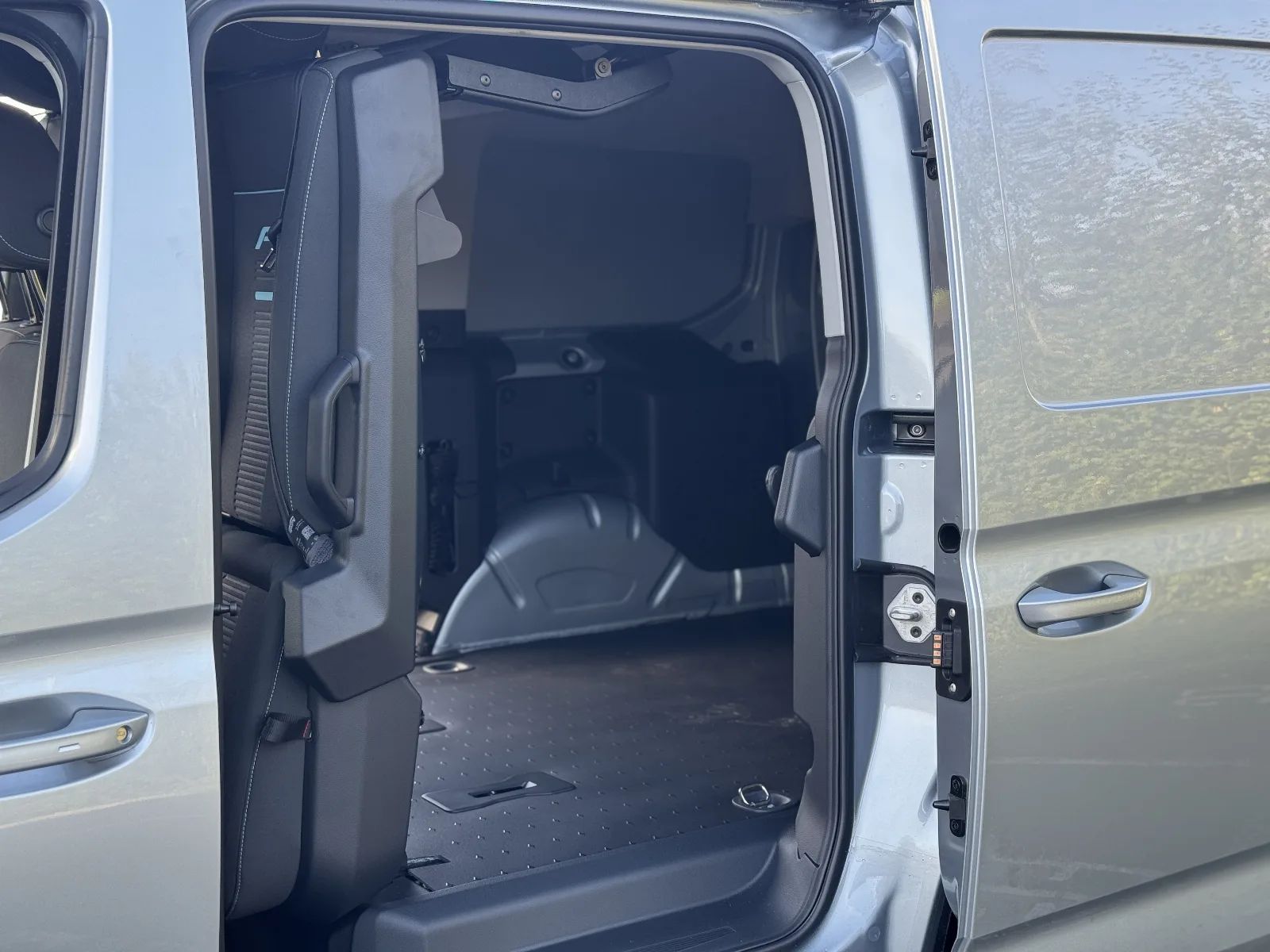
Begin your inspection by checking for uneven floor wear or heavy impact marks in the cargo area, which can indicate the vehicle has been used for heavy-duty haulage. Inspect the sliding side doors for any signs of sagging, as this can suggest frequent heavy use. Ensure the central locking system operates across all doors, including the rear cargo area, and check for any moisture build-up inside the light clusters, which can signal damaged seals.

Known areas to inspect
The 1.5 TDCi engine is equipped with a wet timing belt, which is lubricated by engine oil. It is critical to confirm this belt has been changed strictly according to the service schedule, as degradation of the belt can cause debris to block the oil pick-up pipe, leading to catastrophic engine failure. Additionally, test the DPF by ensuring there are no warning lights on the dashboard, as frequent short-trip usage can lead to permanent clogging. On a test drive, listen for any whistling from the turbocharger or judder when pulling away, which may indicate a clutch nearing the end of its lifespan. Finally, inspect the steering rack and suspension bushings for play, as these are common wear items on high-mileage examples.

FAQs
What is the most critical item to check on the 1.5 TDCi Transit Connect? The wet timing belt is the most critical item. It must be replaced according to Ford's specific interval, as old or degraded belts can shed material into the oil system, potentially leading to oil pump starvation and major engine damage.
What are the common indicators of a failing DPF? Watch for a DPF warning light on the dashboard, reduced engine power, or a 'limp home' mode. If the vehicle has been used predominantly for short urban journeys, the filter may be unable to complete a passive regeneration cycle.
How can I assess if the clutch is worn? During a test drive, observe if the engine revs rise without a corresponding increase in speed, or if the biting point is very high or feels heavy. Any vibration or slipping under load suggests the clutch or dual-mass flywheel may need replacement.
Why is checking the service history vital for this model? Because the 1.5 TDCi engine uses a timing belt that relies on clean oil, a documented service history proves the correct oil grade was used and changed at the right intervals, which is essential to prevent internal engine issues.