Used Volkswagen Amarok: What to Check Before You Buy
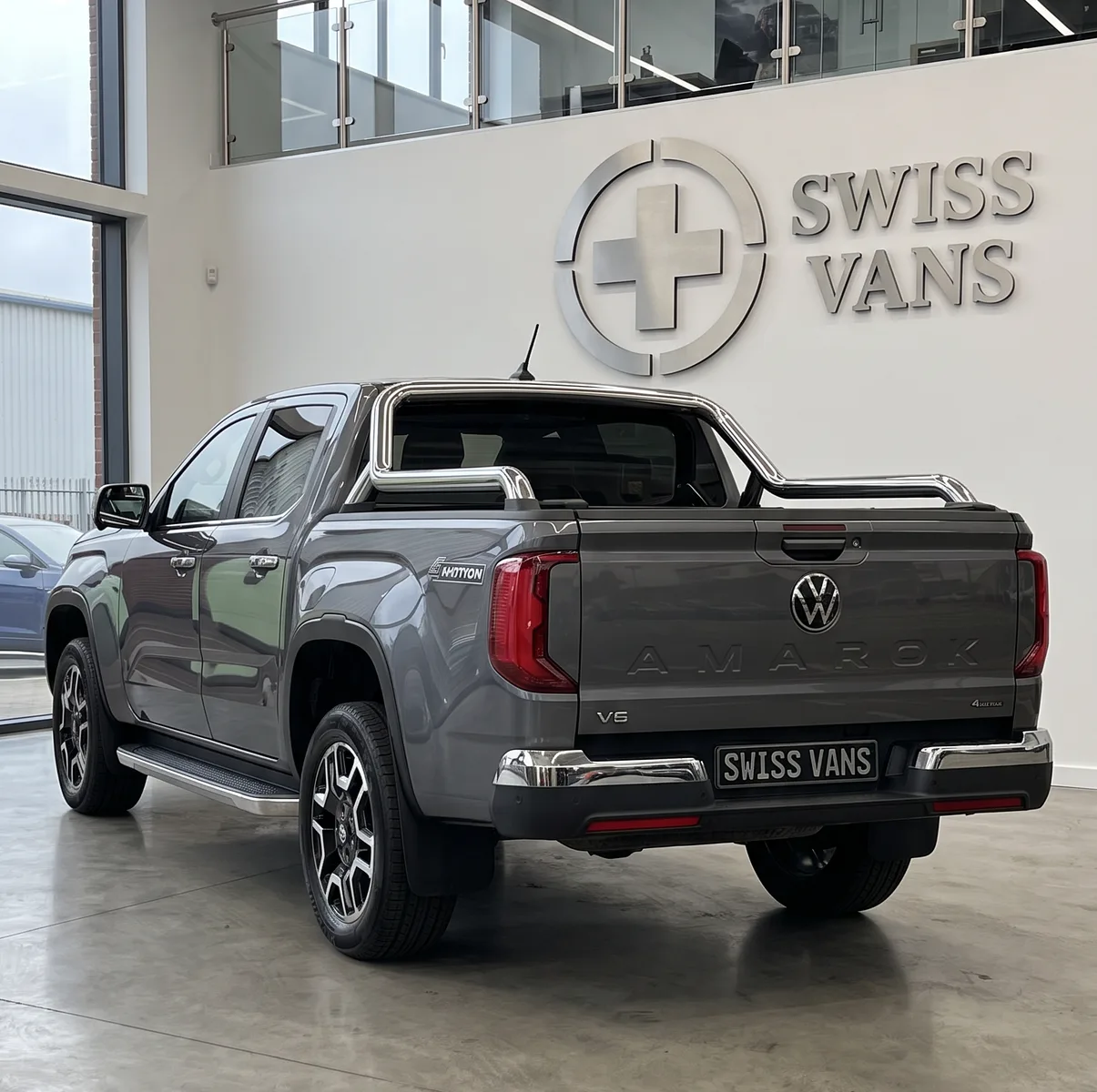
The first-generation Volkswagen Amarok established itself in the UK as the pickup that felt most like an executive estate inside, while retaining the workhorse capabilities demanded by site workers and agricultural trades. Unlike many commercial pickups of its era, the Amarok offered a wider load bed that could swallow a standard Euro pallet sideways between the wheel arches, backed by permanent four-wheel drive on select models and high-capacity towing limits.
Because the Amarok balances commercial functionality with car-like cabin comfort, second-hand examples tend to sit at two extremes: pampered motorway cruisers used as personal transport, or heavily worked site vehicles that have towed diggers and plant trailers across rough terrain. Knowing where to look for stress fractures, mechanical wear, and expensive component failures is critical before agreeing to a purchase.
Engine Options and Mechanical Inspection
First-generation UK Amaroks fall broadly into two eras: the early 2.0-litre four-cylinder turbo and twin-turbo diesels (2011 to 2016), and the later 3.0-litre V6 TDI units (late 2016 to 2020). Each unit has specific inspection checkpoints.
The 2.0-Litre BiTDI Engines
Early four-cylinder twin-turbo models develop either 163PS or 180PS. These engines rely on a rubber timing belt (cambelt) rather than a timing chain. Always demand documented proof of cambelt and water pump changes. While replacement intervals vary by year and driving duty, most specialists recommend changing the cambelt every four to five years or around eighty thousand miles. If the seller cannot produce an invoice for this work, treat it as immediately overdue.
- EGR Cooler Degradation: Early twin-turbo units suffered from failing exhaust gas recirculation (EGR) coolers. The internal metal can break down, depositing fine debris into the cylinders and causing premature cylinder bore wear and excessive oil consumption. Check the dipstick level and look for thick blue smoke on cold start or hard acceleration.
- Auxiliary Drive Belt: Inspect the serpentine belt at the front of the engine. A slipping or frayed belt can shred and wrap itself around the lower crank pulley, forcing debris behind the cambelt cover and causing catastrophic engine timing failure.
The 3.0-Litre V6 TDI Engines
The 3.0-litre V6 transformed the Amarok into the most refined pickup in its class, offering power outputs ranging from 204PS to 258PS. These engines use a rear-mounted timing chain system. Listen intently for metallic rattling or chain slap during a completely cold start. A short rattle lasting more than two seconds indicates worn hydraulic chain tensioners or stretched chains, an issue that requires the engine or gearbox to be pulled for access.
- V-Valley Oil Leaks: Look down into the center of the engine 'V' using a torch. Oil and coolant can pool in this recess due to degraded oil filter housing seals, oil cooler seals, or coolant shut-off valves.
- AdBlue and DPF Systems: V6 models comply with Euro 6 emissions regulations and use AdBlue. Inspect the instrument cluster for countdown warning messages or emissions management lights. Faulty AdBlue heating elements or pump modules will prevent an MOT pass and require specialist diagnostics to rectify.
Transmission and 4Motion Systems
Volkswagen equipped the Amarok with two distinct four-wheel-drive architectures. You must establish which system is fitted to verify its operation during your inspection.
- Selectable 4Motion: Typically mated to six-speed manual gearboxes. This system operates in rear-wheel drive on tarmac and requires the driver to manually engage four-wheel drive (high or low range) on loose ground via dashboard buttons. Never test the four-wheel-drive lock on dry tarmac, as drivetrain wind-up can snap half-shafts or damage transfer box gears. Test it on grass or gravel to confirm engagement without loud clunks.
- Permanent 4Motion: Paired almost exclusively with the eight-speed ZF automatic gearbox. This system uses a Torsen mechanical center differential to distribute power front and rear continuously. It lacks a traditional low-range transfer box, using a super-low first gear instead.
The ZF eight-speed automatic is generally reliable, but it is sensitive to fluid contamination. Shifts between second and third gear should be smooth, without hesitation or sudden lurching under throttle. If the vehicle has towed heavy loads continuously, the gearbox oil should have been refreshed every sixty thousand miles, despite initial claims of sealed-for-life units.
Chassis, Suspension, and Towing Strain
The Amarok came from the factory with two rear suspension options: standard comfort suspension (typically a three-leaf pack) or heavy-duty suspension (a five-leaf pack). Look directly above the rear axle to assess the condition of the leaf springs. Inspect the leaves for cracked metal, missing rubber isolators, or uneven ride height from side to side.
Check the condition of the towbar and electrical socket. A heavily scored tow ball, spliced-in wiring, or an unevenly sagging rear end indicates that the pickup has spent its life pulling plant or horseboxes near its maximum gross train weight. Inspect the rear differential casing for weeping oil around the pinion seal and check the propshaft center support bearing for split rubber or excessive play.
Payload, VAT, and Commercial Classification
For tradespeople and sole traders, commercial vehicle classification is essential for reclaiming VAT and avoiding punitive company car benefit-in-kind taxation. In the UK, HM Revenue and Customs requires a double-cab pickup to have a payload capacity of at least one metric tonne (one thousand kilograms) to qualify as a commercial vehicle.
Be cautious when inspecting top-tier trim levels, such as the Highline, Canyon, or Aventura. The additional weight of large alloy wheels, electric seats, chrome styling bars, and luxury sound deadening increases the unladen kerb weight of the vehicle. If a previous owner fitted a heavy hardtop canopy or roller shutter, the remaining payload can legally dip below the one-tonne threshold. Check the manufacturer weight plate inside the door shut to calculate the true payload before purchasing for commercial tax accounting.
When calculating working capital for your fleet or sole trader operation, exploring commercial van finance can help you structure asset payments without exhausting your everyday cash reserves. You can also benchmark current prices and specification levels against wider stock across the UK by browsing available used vans.
Bodywork, Cab Electrics, and Load Bed
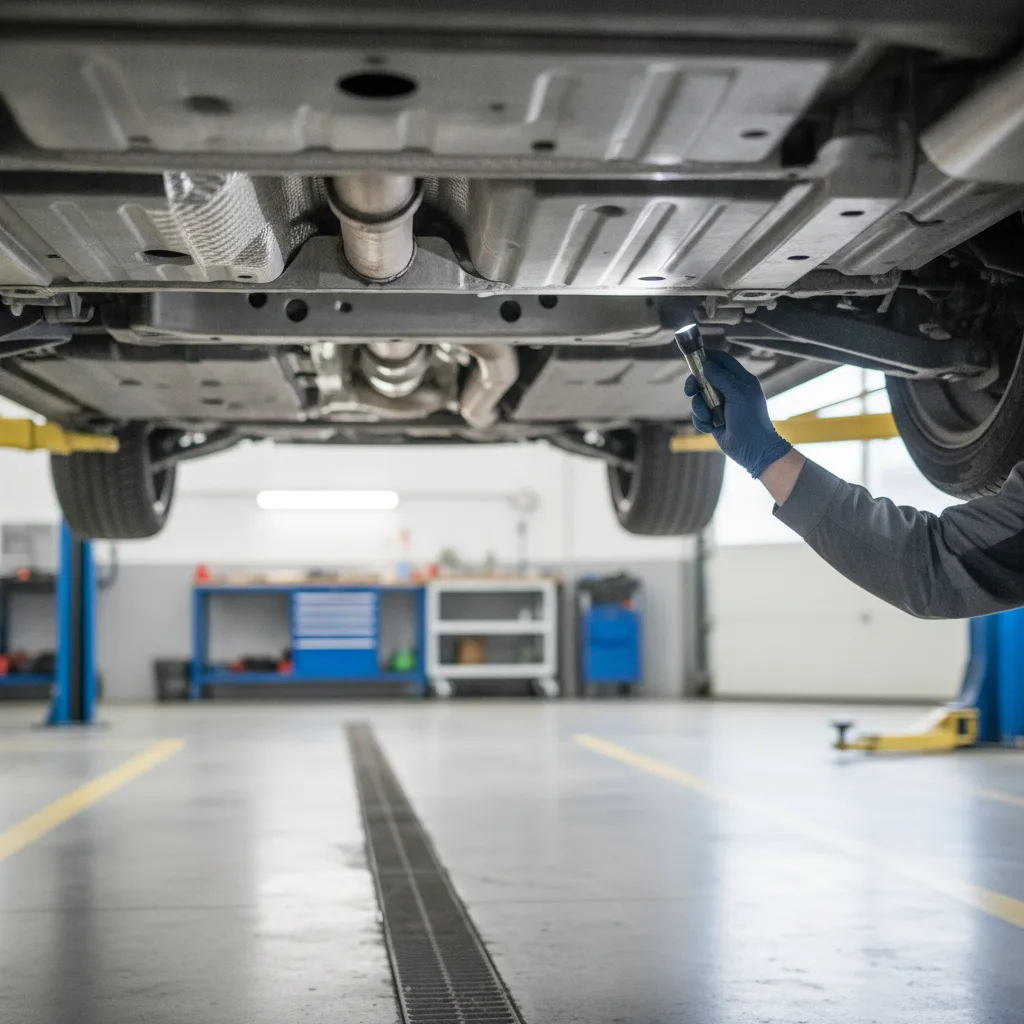
Underbody corrosion is a primary concern on commercial Amaroks used in agricultural or marine settings. Bring a torch and inspect the boxed sections of the ladder chassis, particularly where road salt and mud settle above the fuel tank and rear exhaust hangers. Surface rust is common on chassis rails, but heavy flaking or perforation around suspension mounting brackets signals severe neglect.
Inside the load bed, lift any plastic drop-in bed liner if possible. These plastic liners trap grit and standing water, which grinds away the paintwork over time and creates localized rust spots along the floor ribs. A professionally applied spray-on polyurethane bed liner offers better protection against corrosion.
Inside the cabin, pull back the footwell carpets and feel for moisture. Water can ingress past degraded pollen filter housing seals under the scuttle panel or through the third high-level brake light assembly mounted above the rear window. Test all electric windows, seat heaters, and the central touchscreen. The Discover Media head units can suffer from digitizer failure, leading to ghost touching or unresponsive menu screens.
Frequently Asked Questions
Can I reclaim VAT on every used Volkswagen Amarok?
No. You can only reclaim VAT if the vehicle was originally purchased through a VAT-registered business that has kept it within the VAT scheme, and if the vehicle meets HMRC's minimum one-tonne payload requirement for double-cab pickups. If a private individual has owned the vehicle, it may be sold on a margin scheme where no VAT is reclaimable.
What is the legal towing capacity of a used Amarok?
Towing limits depend on the age and specification of the Amarok. Early 2.0-litre models were generally rated to tow three thousand kilograms or three thousand two hundred kilograms, while later V6 models are typically rated for three thousand five hundred kilograms with a braked trailer. Check the vehicle chassis plate for the gross train weight to confirm the exact legal capacity.
Is the 3.0 V6 Amarok more reliable than the 2.0 BiTDI?
In general, the 3.0-litre V6 TDI is considered the more robust powertrain because it does not suffer from the EGR cooler degradation issues that affected early 2.0-litre twin-turbo models. However, the V6 features a more complex timing chain arrangement and modern emissions systems that require regular high-speed runs to keep the DPF clear.