
The short answer
Wheelbase and roof height determine your van’s total cargo volume and payload capacity, directly dictating what equipment or goods you can transport safely. A longer wheelbase provides more floor length for pallets, while higher roof options allow for upright storage and standing room, ensuring your vehicle matches your specific trade requirements and operational needs.
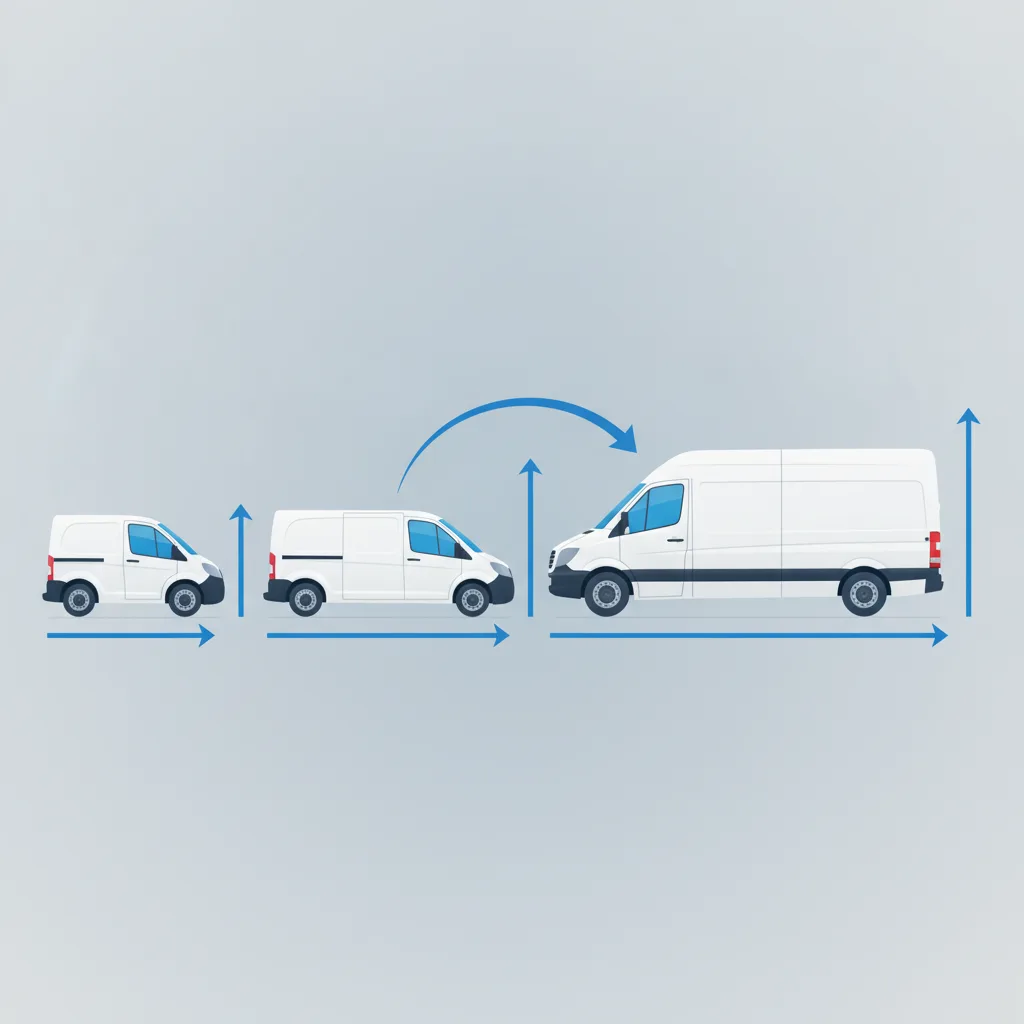
What to check
Before committing to a purchase, measure your most common cargo to ensure it fits the interior dimensions. If you are regularly navigating tight city streets or low-clearance car parks, prioritize a shorter wheelbase for better manoeuvrability. For those needing smaller, agile vehicles, we offer options like the Nissan Townstar Lease or the Vauxhall Combo Lease, both of which provide excellent compact utility. Always cross-reference the load-through bulkheads, as these can effectively extend the usable length beyond the standard floor measurement.
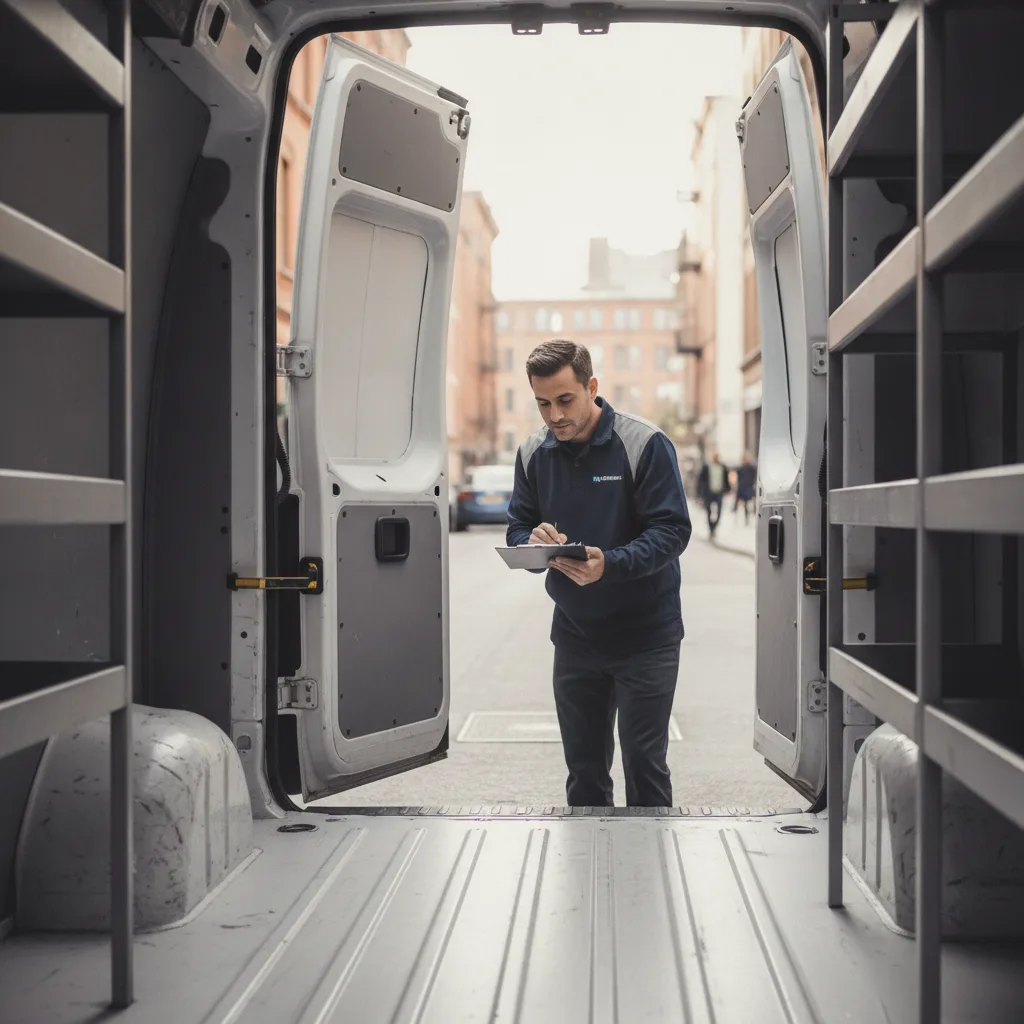
Costs to plan for
Larger vans with extended wheelbases and high roofs generally carry a higher purchase price and increased fuel consumption due to weight and wind resistance. Beyond the initial vehicle cost, remember to account for higher parking fees in city centres and potential toll charges. If you prefer a manageable monthly budget for a compact van, exploring a Toyota Proace City Lease can help you control your cash flow while securing a reliable, modern vehicle suited for urban tasks.
Common mistakes
Many buyers overestimate the size they actually need, resulting in a vehicle that is cumbersome to drive and unnecessarily expensive to run. Conversely, choosing a van that is too small for future growth can be costly to replace. Always account for your maximum load requirements rather than your average daily load, and ensure your chosen roof height leaves enough clearance for your home garage or standard site entrances.
FAQs
How do wheelbase and roof height change what a van can do? The wheelbase defines the total floor space and stability of the vehicle, while the roof height determines the maximum internal volume, dictating whether you can carry bulky items or work while standing inside.
Does a longer wheelbase affect the turning circle? Yes, a longer wheelbase significantly increases the turning circle, making the van harder to manoeuvre in narrow residential streets or tight parking bays compared to a short wheelbase model.
Are high-roof vans more expensive to drive? Generally, yes. High-roof vans have a larger frontal area, which creates more drag at motorway speeds and typically leads to higher fuel consumption compared to low-roof versions of the same van.
Should I choose a long wheelbase or a high roof? It depends on your cargo. If you carry long items like pipes or timber, a long wheelbase is essential. If you need to store items vertically or want to move around inside the back, a high roof is the better choice.