
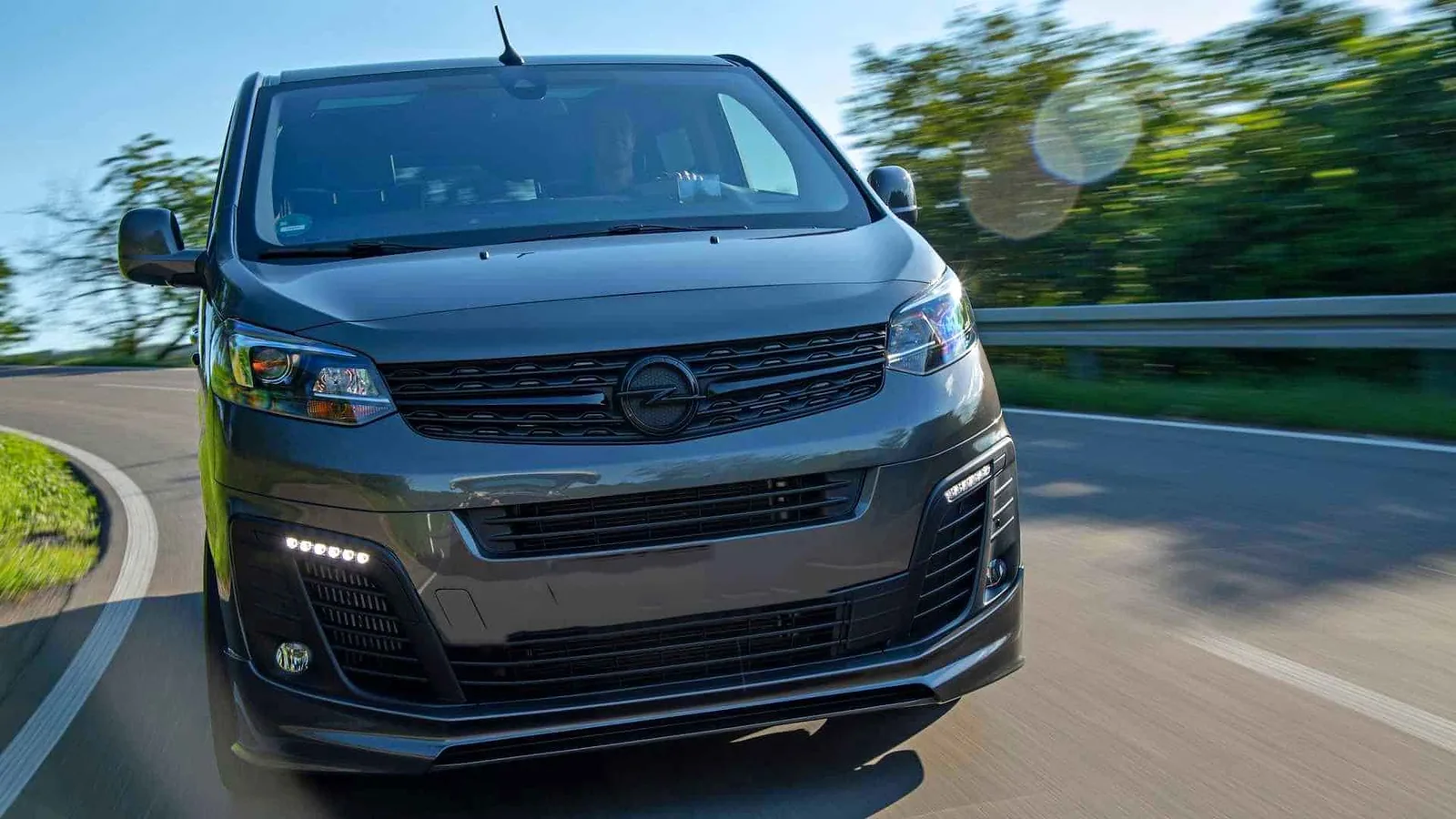
The Vauxhall van range at a glance
Vauxhall commercial vehicles share platforms and components with the Stellantis group, which impacts both maintenance schedules and parts pricing. For the Vauxhall Combo, the standard service interval is typically every 25,000 miles or two years, whichever comes first, though high-usage fleets often mandate shorter intervals. The Vivaro diesel range features Euro 6 compliant engines designed to meet urban emission standards, which is a key factor in avoiding local clean air zone charges. For businesses transitioning to electric, the Vivaro-e and Combo-e eliminate traditional fuel costs entirely, replacing them with charging expenses, though these models require specific battery health monitoring and different tyre maintenance profiles compared to their combustion counterparts.
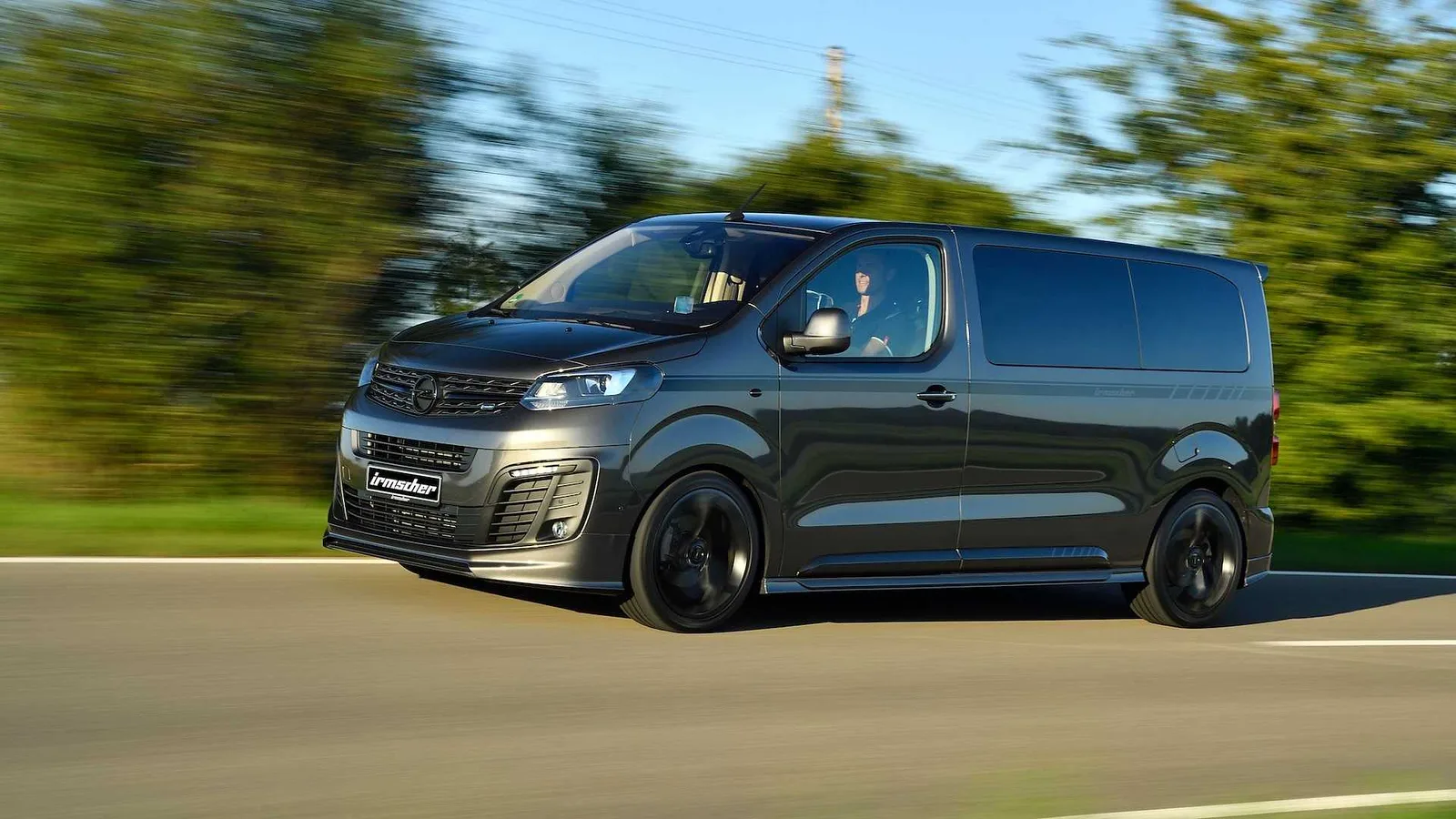
Which models and ages to consider
The running costs differ significantly between the classic diesel variants and the newer electric fleet. Vauxhall provides a three-year or 60,000-mile manufacturer warranty, which provides peace of mind for the initial ownership period. When selecting a model, remember that the Vivaro-e offers lower Benefit-in-Kind (BiK) tax rates compared to the diesel Vivaro, providing a distinct financial advantage for company car drivers. While older models might avoid initial depreciation, they lack the latest telematics and efficiency systems found in current production runs, which can help monitor fuel usage and driver behaviour to further reduce operational outgoings.

What to check before you buy
Maintenance planning must account for model-specific requirements. For the diesel Vivaro, check for regular oil changes to protect the turbocharger and ensure that AdBlue systems are functioning correctly to avoid emission-related warning lights. When assessing a vehicle, review the digital service history to confirm that all manufacturer-recommended intervals have been met. For electric models, ask for a report on the battery state-of-health, as this is the primary long-term component that influences future value and efficiency. Always verify the vehicle’s specific tax band, as newer high-emission diesels may attract higher annual road tax rates than their electrified counterparts.
Costs to plan for
Beyond fuel and electricity, budget for wear-and-tear items that are common to the Stellantis-based chassis, such as front brake pads and discs which see heavy use in urban delivery cycles. Insurance premiums are influenced by the vehicle's security features, so factory-fitted alarms and deadlocks are valuable assets in reducing these costs. If operating in London or other major cities, factor in the daily costs associated with ULEZ or similar low-emission zones for older diesel engines. Maintaining a strict adherence to the manufacturer’s service schedule is the most effective way to protect the integrity of the warranty and ensure long-term mechanical reliability.

FAQs
How do running costs differ between a diesel Vivaro and a Vivaro-e? The diesel Vivaro incurs costs for fuel, AdBlue, and standard engine maintenance such as oil and filter changes. The Vivaro-e replaces these with electricity costs for charging and requires less frequent maintenance on traditional engine components, though it does necessitate checks on battery health and charging infrastructure.
Are Vauxhall parts expensive to replace? As Vauxhall is part of the Stellantis group, their vans share components with other brands. This shared platform approach often provides competitive pricing on common service parts and body panels compared to manufacturers with bespoke, limited-production components.
What is the standard warranty on a new Vauxhall van? New Vauxhall vans typically come with a three-year or 60,000-mile manufacturer warranty. This covers most mechanical and electrical failures, excluding wear-and-tear items like tyres, brake pads, and wiper blades.
Do I need to pay road tax for an electric Vauxhall van? Current UK legislation provides specific tax advantages for zero-emission vehicles. You should check the current government guidance on vehicle excise duty (VED) as rates are subject to change, but electric commercial vehicles currently benefit from favourable tax treatment.