Buying a used Vauxhall Combo
Vauxhall Combo Van Overview: Heritage and Core Strengths
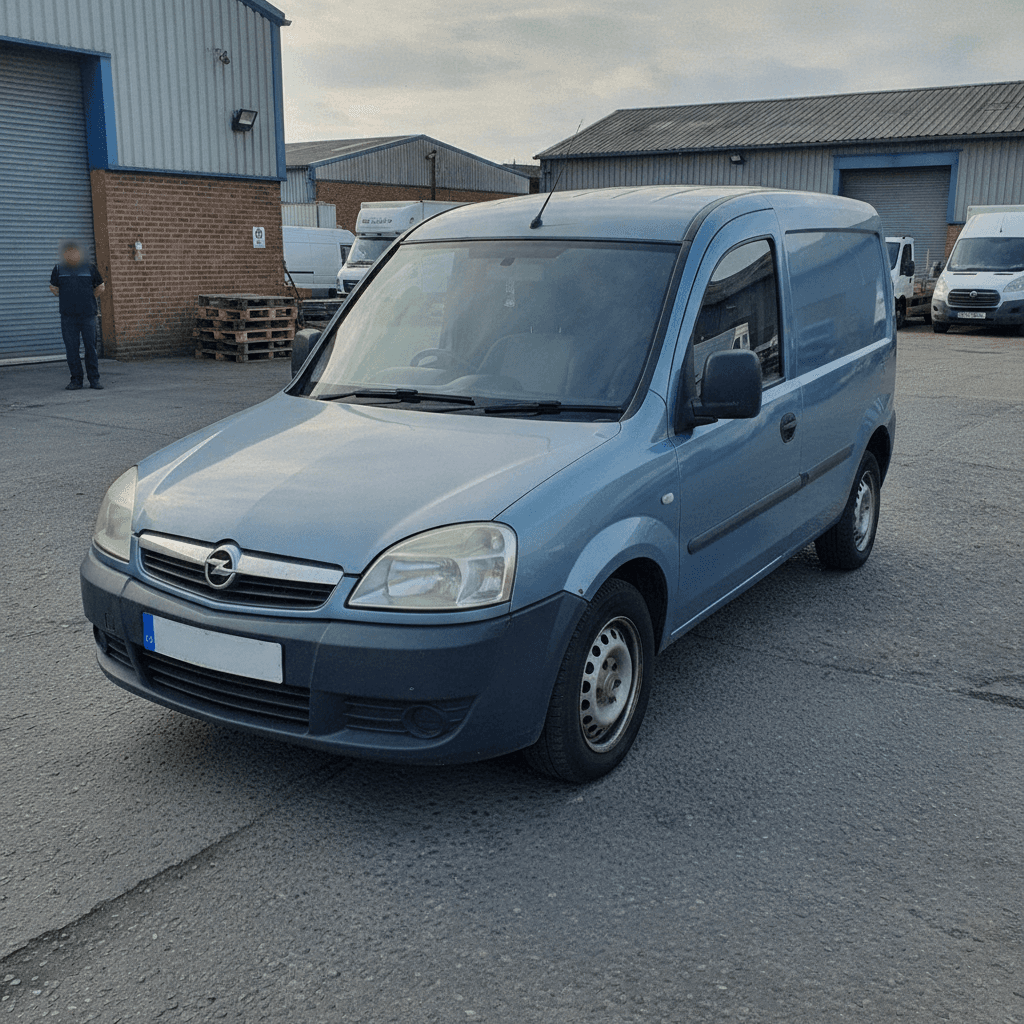
The Vauxhall Combo has spent decades as an essential work tool for British tradespeople, multi-drop delivery drivers, and service engineers. Over multiple generations, it has developed from an economical, car-derived runabout into a purpose-built, high-capacity commercial vehicle capable of handling demanding trade duties. Understanding the differences between generations is critical when shopping the second-hand market, as the van underwent a complete transformation in late 2018.
Earlier models manufactured between 2012 and 2018 (designated the Combo D) were developed in partnership with Fiat and shared their mechanical platform with the Fiat Doblo. These vans were notable for their independent bi-link rear suspension, offering a compliant unladen ride and high roof options. However, modern commercial demands shifted significantly with the arrival of the post-2018 Combo Cargo (Combo E). Built on the modular EMP2 platform shared across Stellantis brands—including the Citroen Berlingo, Peugeot Partner, Toyota Proace City, and later Fiat Doblo models—the modern Combo secured the International Van of the Year crown at its launch and set a new standard for compact van payload limits and cabin refinement.
For independent sole traders and fleet managers, the Combo is best known for packing the carrying capacity of a larger van into a footprint small enough to navigate congested residential streets, multi-storey car parks, and tight inner-city construction access gates. With class-leading payload configurations reaching beyond one tonne, a comprehensive suite of driver-assist technologies, and an ergonomic cabin designed around mobile working, a used Vauxhall Combo represents one of the most practical investments on the UK commercial market.
Dimensions, Payloads, and Practical Capacities
Matching the physical attributes of the Combo to your day-to-day trade demands is essential. The vehicle is predominantly found in two overall lengths alongside a dedicated five-seat crew layout.
Body Styles: L1 Standard vs L2 Long Wheelbase
The standard wheelbase (L1) version measures 4,403mm in overall length with a 2,785mm wheelbase. This variant delivers an internal load floor length of 1,817mm, which easily swallows standard toolchests, power tool boxes, and short equipment cases. For operators needing extra carrying length, the extended L2 (sometimes labelled XL) stretches overall vehicle length to 4,753mm with a 2,975mm wheelbase, extending the standard internal floor length to 2,167mm.
Both body lengths share identical external width dimensions of 1,848mm (excluding door mirrors) and an overall roof height hovering around 1,840mm to 1,880mm depending on suspension setup and wheel choices. This sub-two-metre height is a massive commercial benefit, allowing hassle-free entry into height-restricted underground car parks, commercial service basements, and retail loading bays that turn away larger mid-sized vans.
Cargo Volumes and Euro Pallet Space
Load volume in the standard L1 variant starts at 3.3 cubic metres. When equipped with Vauxhall’s clever FlexCargo load-through bulkhead hatch, capacity expands to 3.8 cubic metres. The longer L2 body expands nominal cargo volume to 3.9 cubic metres, stretching to an impressive 4.4 cubic metres when making use of the bulkhead flap and fold-flat passenger seat.
A vital metric for hauliers, couriers, and distribution drivers is wheel arch spacing. The Combo offers 1,229mm between the inner arches, accompanied by a rear door aperture measuring 1,241mm wide. This design enables both L1 and L2 variants to carry up to two standard Euro pallets straight through the asymmetric 60/40 split rear barn doors. The lower cargo floor sill height—measuring approximately 580mm from ground level—reduces back fatigue during repetitive manual loading and offloading.
Chassis Payload Ratings: Standard and Uprated Variants
Payload capacity is where the modern post-2018 Combo truly outclasses most rivals. Standard versions carry between 650kg and 700kg, which comfortably accommodates light tools, retail deliveries, and service kits. However, many used examples were ordered with the optional uprated factory chassis, which increases gross vehicle weight to over 2.3 tonnes.
These uprated configurations elevate maximum payload capability to as much as 1,000kg or 1,020kg on specific L1 diesel models. This remarkable capacity places the Combo on equal footing with entry-level medium vans while retaining compact external footprints and superior fuel efficiency. When searching used listings, always inspect the vehicle identification plate inside the driver’s door shut to verify the exact Gross Vehicle Weight (GVW) and axle limits rather than relying solely on generic marketing descriptions.
Crew Van Configurations
For operations that balance manpower with tool transport, the factory-built Combo Crew Van is based on the longer L2 chassis. It features a three-person rear bench seat complete with three-point seatbelts and ISOFIX anchorages, allowing a total crew of five. It includes an integrated, moveable mesh bulkhead that sits behind the second row. When extra cargo length is required and passengers are not on board, the innovative rear bench folds flat into the floor while the mesh partition slides forward, creating a safe, full-length load compartment in seconds.
Engine Options, Transmissions, and Drivetrains
The post-2018 Combo relies predominantly on the Stellantis 1.5-litre Turbo D (DV5) four-cylinder diesel engine, available across three core power outputs, alongside a refined 1.2-litre turbo petrol and a 100% electric model.
- 1.5 Turbo D (75PS / 76bhp): The entry-level diesel generates 210Nm of torque and links exclusively to a five-speed manual gearbox. Primarily purchased by local authority fleets and urban delivery services, it is durable but lacks overtaking urgency on undulating dual carriageways when carrying a full load.
- 1.5 Turbo D (100PS / 99bhp): The sweet spot for most independent tradespeople. Producing 250Nm of torque, this engine delivers punchy low-end pulling power and pairs with either a five-speed or later six-speed manual gearbox. It balances real-world fuel economy with dependable motorway cruising ability.
- 1.5 Turbo D (130PS / 128bhp): The flagship performance diesel delivers 300Nm of torque. It comes equipped with a six-speed manual gearbox or an optional eight-speed torque-converter automatic transmission (EAT8). This setup is ideal for long-distance couriers, heavy-load hauling, and towing trailers up to 1,200kg.
- 1.2 Turbo Petrol (110PS / 108bhp): A three-cylinder PureTech petrol unit producing 205Nm of torque. Geared towards low-mileage urban businesses that want to eliminate diesel particulate filter regeneration worries on short, stop-start runs.
- Combo-e Electric: Introduced in 2021, the Combo-e packs a 50kWh lithium-ion battery linked to a 100kW (136PS) electric motor. Delivering instant torque of 260Nm and an official WLTP driving range of up to 175 miles, it supports 100kW rapid DC charging, reaching an eighty percent charge in around thirty minutes. It maintains the identical load volume of diesel variants since the battery pack is positioned beneath the cargo floor.
Trade Applications: Who Buys a Used Combo and Why?
The versatile footprint of the Vauxhall Combo makes it a core asset across diverse trade disciplines:
- Electricians and Data Cablers: The compact exterior eases residential driveway parking, while the interior accommodates modular racking for components, cable drums, and test gear. By sliding open the FlexCargo hatch, operators can carry three-metre lengths of PVC or metal conduit internally, keeping expensive stock secure and protected from the weather.
- Plumbers and Heating Engineers: Carrying copper pipes, water cylinders, and heavy boilers requires generous payload capacity alongside load length. An uprated one-tonne payload Combo easily manages brassware, central heating chemicals, and unvented cylinders without exceeding rear axle thresholds.
- Multi-Drop Couriers and Parcel Logistics: The vehicle’s 11.0-metre turning circle allows drivers to negotiate tight suburban cul-de-sacs and congested city delivery routes. Asymmetric rear doors open through 180 degrees, and the standard nearside sliding door enables rapid pavement-side unloading.
- Painters, Decorators, and Plasterers: Low loading heights make shifting 25-litre paint tubs, bags of skim, and folding decorating platforms effortless. Fitting eight-by-four sheet materials can be achieved diagonally in L2 variants or laid flat using roof bar systems mounted to the integrated factory fixings.
- Mobile Mechanics and Field Technicians: Higher-tier trims—such as Sportive, Elite, and modern Pro variants—provide a comfortable mobile work office. Features such as an eight-inch touchscreen, smartphone integration, air conditioning, and a fold-down passenger seat that acts as a flat laptop writing desk streamline on-site administration.
What to Check When Buying a Used Vauxhall Combo
Sourcing a second-hand commercial vehicle requires methodical checks to ensure you are buying an asset rather than someone else’s mechanical headache. Pay careful attention to the following areas during your physical evaluation.
Suspension, Running Gear, and Weight Abuse
Because the Combo Cargo boasts class-leading payload capabilities, many second-hand examples have worked at or beyond their legal limits. Crouch down behind the vehicle on level ground and check for uneven rear stance or visible sagging. Inspect the rear torsion beam, rear springs, and rubber bump stops. Bump stops that are cracked, flattened, or split indicate repeated bottoming-out under severe overloading. At the front, listen for metallic knocking or creaking over rough surfaces during the test drive, which points to worn anti-roll bar drop links, damaged lower wishbone bushes, or worn top strut mounts.
Load Bed Condition and Structural Integrity
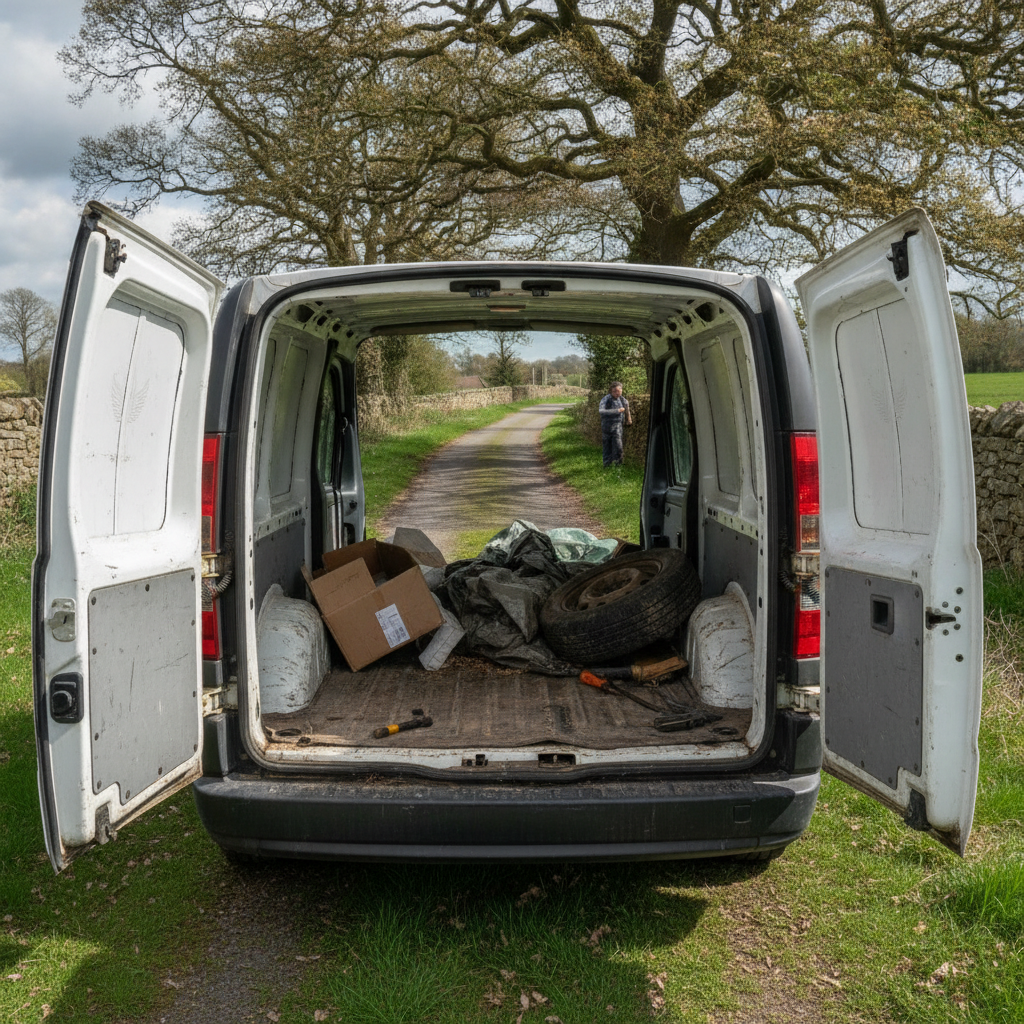
Never inspect a commercial van with dirty, clutter-filled cargo areas. If a ply lining kit is installed, pull back the floor edge where possible to examine the painted metal ribs below. Severe corrugation or deep denting across the floor indicates heavy items were dropped into the bay rather than loaded with care. Inspect the wheel arches for distortion and ensure all floor-mounted lashing eyes are firmly attached with no sheared securing bolts. Look along the side panels for internal outward-facing dents caused by unsecured loads shifting from within.
Doors, Hinges, and Bulkhead Mechanism
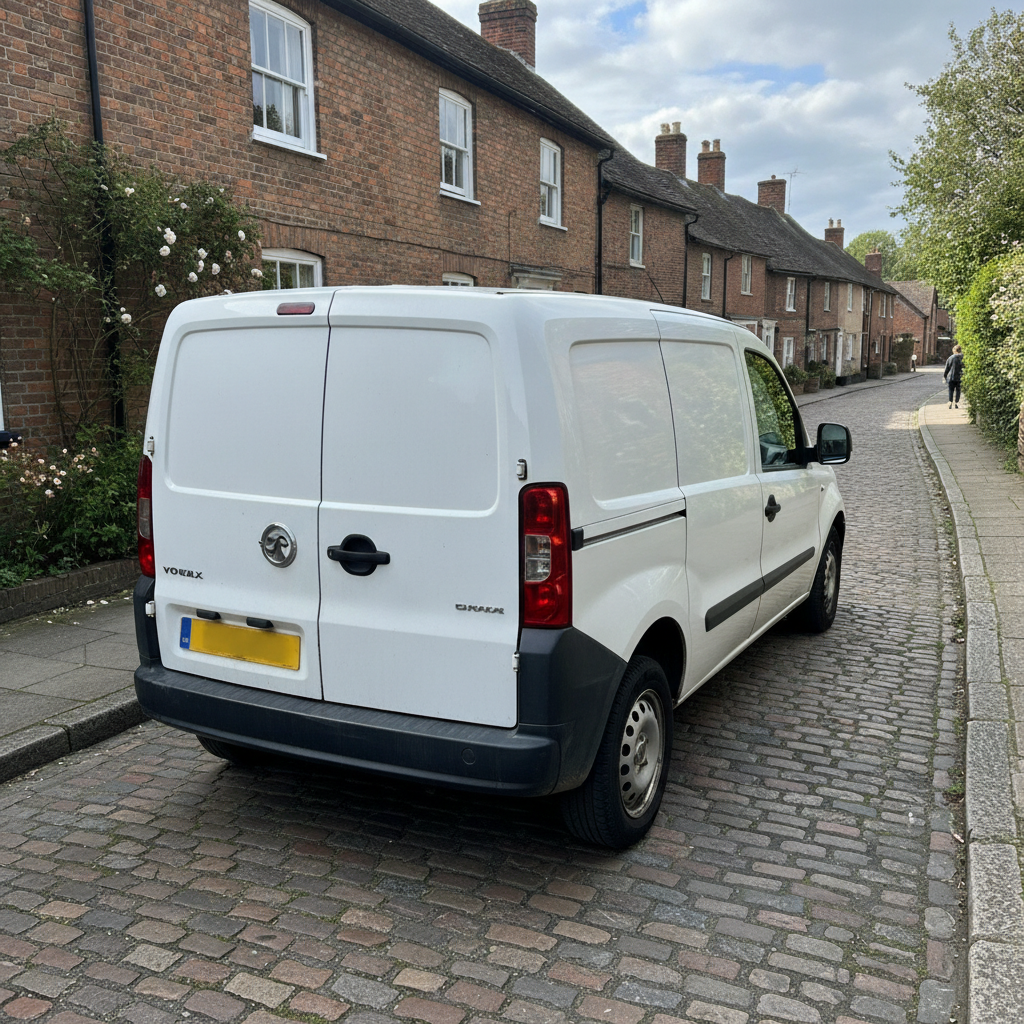
Open and close the sliding side access door multiple times. It should slide smoothly without excessive force, tracking level along its middle waist rail and bottom guide. Heavy resistance or grinding noises signify worn roller bearings, dry runner channels, or past accident damage. Check the rear asymmetric barn doors for hinge sag and verify that the door-check straps retain the doors open at ninety and 180 degrees. If the van features the FlexCargo system, fold the outer passenger seat forward and open the bulkhead hatch; ensure the latching mechanism clicks firmly into place both open and closed, as replacement latches and cables are common wear points.
Service Documentation and Correct Oil Specifications
Modern Euro 6 common-rail diesel engines demand strict adherence to maintenance schedules. Scrutinise the logbook or digital history prints for uninterrupted annual servicing. Crucially, verify that previous servicing facilities utilised the precise manufacturer-specified low-SAPS oil formulations (such as PSA B71 2290 or the newer B71 2010 0W-20 standard). Using generic, high-ash lubricants quickly poisons the particulate filter and accelerates internal wear on the camshaft drive assembly.
Known Faults, Recalls, and Problem Years
No commercial vehicle is entirely without weak points. When hunting for a used Vauxhall Combo, factor these specific technical vulnerabilities into your inspection process.
1.5 Turbo D Camshaft Drive Chain Failure
The most critical mechanical vulnerability on post-2018 1.5-litre diesel engines involves the secondary timing chain linking the two camshafts. Early iterations of this engine were assembled with a 7mm width camshaft chain. Over time, particularly under extended oil change schedules or hard commercial use, this chain stretches, slaps against the casing, and can eventually snap, causing catastrophic valve-to-piston impact and write-off engine destruction.
When starting the van from completely cold, listen intently around the top right of the engine block. A metallic rattling or whirring noise that diminishes as oil pressure builds indicates chain slack. From late 2022 onwards, updated engines were built with a reinforced 8mm chain setup, updated camshaft carriers, and revised valves. Many earlier vans had this modification fitted retrospectively under technical service campaigns. Always inspect the paperwork to establish whether this critical update has been carried out.
AdBlue Tank, Heater, and Injector Failures
Selective Catalytic Reduction (SCR) issues are widespread across all modern diesel vans, and the Combo is no exception. The integrated AdBlue tank houses the fluid pump, level sensors, and internal heater element. It is common for the internal heating element or pump circuit board to fail, throwing dashboard emissions warnings, engine check lights, and non-start countdown timers.
Crystallisation around the AdBlue dosing injector mounted in the exhaust system is another standard failure. During the test drive, confirm there are no active SCR warnings, non-start mileage restrictions, or pending fault codes stored in the ECU. Replacement of the entire sealed tank module requires a substantial trade investment if not covered under an existing warranty.
1.2 PureTech Petrol Wet Belt Degradation
If you are inspecting a petrol-powered 1.2 Combo, bear in mind that this engine uses a wet timing belt that runs bathed in the engine oil. Over time, fuel dilution and heat cause the rubber belt compound to degrade, crack, and shed microscopic particles. These rubber flakes drop straight into the engine sump, where they migrate into the oil pump pickup strainer, starving the engine of oil pressure.
Inspect the belt directly through the oil filler cap using a small torch. The belt should look completely smooth; any visible fraying, cracking, or swelling across the surface demands immediate belt replacement and sump removal to clean the pickup strainer. Check that the belt has been renewed within the revised manufacturer interval (typically every six years or 60,000 miles, whichever arrives first).
DPF Blockage on Urban Runabouts
Combos that spend their working lives idling on construction sites or undertaking short-distance, multi-drop deliveries frequently suffer from choked Diesel Particulate Filters (DPFs). Because the exhaust never sustains the temperatures required for passive regeneration, soot quickly turns to stubborn ash. Ensure you take the van on an extended test run that incorporates high-speed dual carriageway driving, verifying that the engine pulls cleanly without entering limp-home mode or illuminating the exhaust trap symbol.
Older Combo D (2012–2018) Vulnerabilities
If you are looking at older, lower-budget pre-2018 vans, be mindful of Fiat-based running gear quirks. The 1.3 CDTi engines suffer from timing chain stretch and oil degradation; these engines rely on small sump capacities, making frequent oil level checks paramount. The 1.6 CDTi is generally tougher but suffers from EGR valve sticking and broken front coil springs, while top suspension strut mounts routinely seize, creating heavy, clunky steering.
Used Market Price Expectations
Residual values for used Vauxhall Combos reflect age, mileage, trim level, and mechanical condition. The following breakdowns explain what tradespeople should expect across current pricing brackets.
Entry-Level Working Vans: Sub-£5,000 Bracket
Within this entry price bracket, you will predominantly encounter older generation Combo D models dating between 2013 and 2017, alongside heavily worked, high-mileage early 2018 Combo Cargo vans. Expect odometer readings well in excess of 120,000 miles, cosmetic body scuffs, light denting, and basic trim levels (such as Edition models lacking touchscreen infotainment). These vans suit sole traders wanting an affordable runabout, but setting aside contingency funds for clutch replacements, injector overhauls, or suspension servicing is sensible practice.
Mid-Tier Fleet Returns: £5,000 to £10,000
This band covers the core volume of the used market. Here you will find plenty of 2018 to 2021 post-facelift Combo Cargo models with sensible mileages ranging between 45,000 and 85,000 miles. Most examples feature the popular 100PS 1.5 Turbo D engine in Sportive or Dynamic specification, offering air conditioning, cruise control, rear parking sensors, and the FlexCargo bulkhead. You can expect complete service records, cleaner bodywork, and ply-lined cargo holds. Vans within this tier deliver the best compromise between capital outlay and reliable working life.
Late-Plate and Low-Mileage Models: £10,000 to £16,000+
Representing nearly-new vehicles registered between 2021 and 2024, this category provides vans with under 35,000 miles on the clock, often sold with balance-of-factory warranty remaining. High-specification Pro and Elite trims are common, boasting satellite navigation, alloy wheels, surround rear-vision cameras, and eight-speed automatic gearboxes. You will also discover well-kept all-electric Combo-e models in this tier, presenting strong operating benefits for companies operating within expanding Clean Air Zones.
Real-World Running Costs: Keeping Your Business Profitable
Operating a van is about cost-per-mile efficiency. The Vauxhall Combo remains among the most economical compact commercial options on UK roads today.
Fuel Consumption and Real-World Returns
The 1.5 Turbo D diesel engines are genuinely frugal. While laboratory WLTP figures suggest combined returns exceeding 60mpg, real-world trade use with a half-capacity payload regularly returns between 48mpg and 54mpg on mixed driving runs. Long-distance motorway trips conducted within legal limits can push economy figures past 56mpg. In contrast, urban multi-drop duties will see returns settle closer to 42mpg to 45mpg. The 1.2 PureTech petrol engine will typically return between 36mpg and 42mpg under daily trade driving, making it cost-effective purely for lower annual mileage schedules.
Road Tax (VED) and Clean Air Zone Compliance
Because the Combo is registered as a light commercial vehicle (N1 category), it attracts the flat-rate light commercial Vehicle Excise Duty (VED) structure rather than the graduated, emissions-based system used for private passenger cars. This flat annual road tax ensures predictable yearly running costs.
Every post-2018 diesel Combo Cargo complies with Euro 6d-TEMP or Euro 6d emissions regulations, meaning it is fully compliant with the London Ultra Low Emission Zone (ULEZ) as well as Clean Air Zones operating across Birmingham, Bristol, Sheffield, Bath, and Newcastle. This eliminates costly daily access charges. The zero-emission Combo-e is entirely exempt from both standard VED and city congestion fees.
Insurance Groups and Servicing Intervals
Insurance ratings for the Combo Cargo generally fall between Group 29E and 33E depending on engine power, payload specification, and factory security measures. Standard factory immobilisers and deadlocks help manage annual premiums, but adding aftermarket deadlocks to cargo doors is strongly recommended by trade underwriters.
Scheduled servicing intervals for the 1.5 Turbo D are set at every two years or 25,000 miles. However, tradespeople operating severe-duty cycles—defined by heavy payloads, frequent engine cold starts, and extensive city idling—are strongly advised to reduce these intervals to twelve months or 10,000 to 12,000 miles. Because mechanical parts are shared across the massive Stellantis network, spare components, consumables, and panels are widely stocked and reasonably priced compared to independent bespoke chassis designs.
Finance Routes: Buying and Funding Your Used Combo
Funding a used commercial vehicle requires careful consideration of cash flow, asset ownership, and tax write-offs. Small business owners typically weigh several acquisition paths.
For vehicles purchased on the second-hand market, securing tailored commercial van finance through Hire Purchase (HP) remains the standard solution for tradespeople who want outright vehicle ownership at the conclusion of the contract. With HP, the VAT on the purchase price is often paid as the upfront deposit (which VAT-registered businesses can reclaim on their subsequent quarterly return), with predictable fixed monthly instalments spread over two to five years. The van is treated as a business asset, allowing companies to offset cost through capital allowances.
Conversely, operations looking to upgrade their fleet with predictable operating expenses, fresh commercial warranties, and reduced downtime risks often investigate modern van lease deals. While leasing is traditionally centred around brand-new factory orders, finance leasing models for young, low-mileage commercial stock are increasingly popular for small enterprises seeking lower monthly overheads without long-term disposal risks.
Final Forecourt Inspection Checklist
Before transferring funds or signing a finance agreement on a used Vauxhall Combo, carry out this essential step-by-step physical check:
- Engine Cold Start: Verify the engine has not been warmed up prior to your arrival. Check the cylinder head is cold to the touch, start the motor, and listen for metallic chain chatter from the top timing cover.
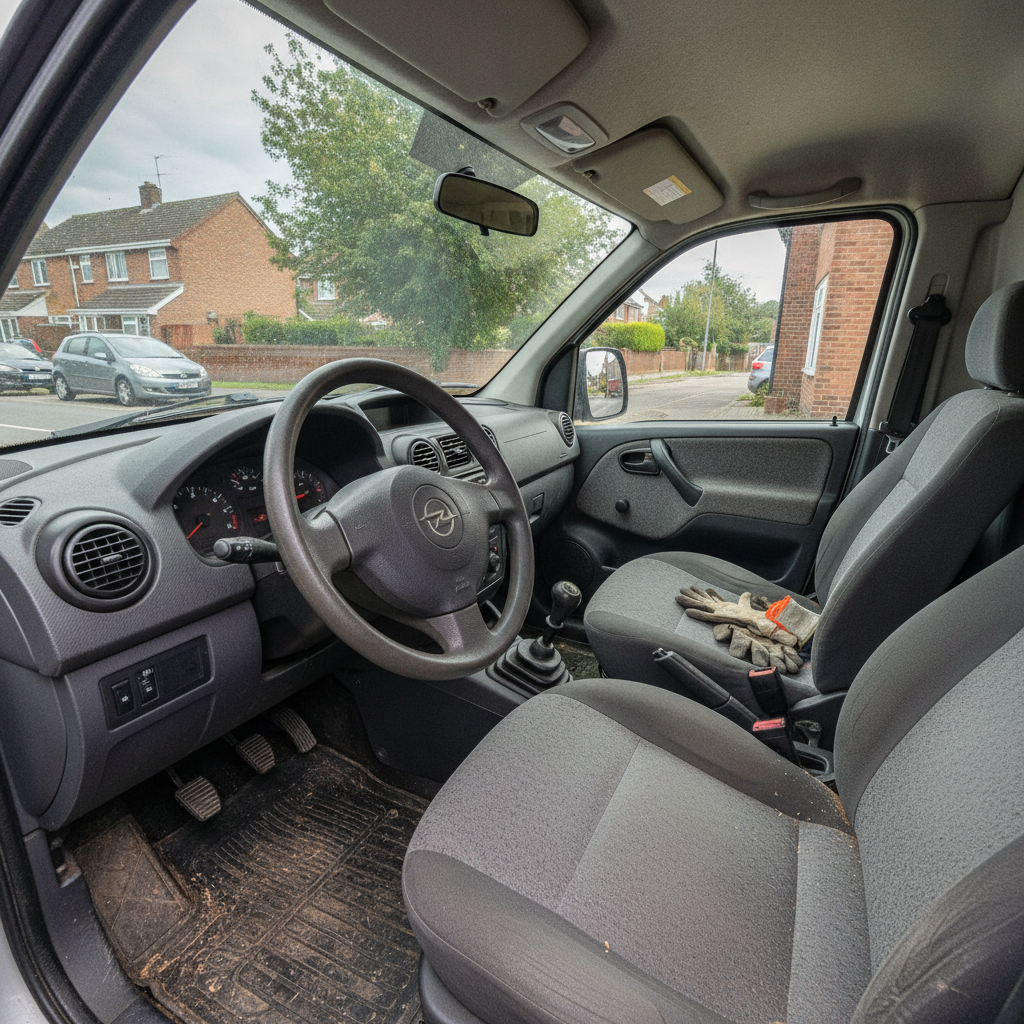
- Instrument Cluster Warnings: Ensure all warning lights (including engine management, AdBlue, ABS, and airbag) illuminate with ignition and extinguish cleanly once running.
- Exhaust Smoke: Watch for continuous blue smoke (oil consumption), black smoke (over-fuelling or boost leaks), or white smoke (coolant ingress or unburned fuel) under revs.
- Clutch and Gearbox Operation: Test clutch pedal weight and the engagement bite point. A high bite point or heavy pedal effort points to imminent clutch renewal. For automatic EAT8 models, shifts between drive, reverse, and forward ratios should be swift and free from harsh lurching.
- Bulkhead and Security: Inspect the integrity of the bulkhead, check that all locks and remotes trigger the deadlocks correctly, and confirm the presence of the spare wheel and locking wheel nut key beneath the rear carrier.
A well-maintained used Vauxhall Combo strikes the ideal balance between functional load volume, class-leading payload capacities, and comfortable, cost-effective day-to-day operation. By methodically checking the mechanical trouble spots outlined in this guide and matching the engine and chassis rating to your everyday trade payload, you can secure a high-performing commercial asset that will support your business for years to come.