Buying a used Citroen Dispatch
Citroen Dispatch Overview: The Medium Van Platform Leader
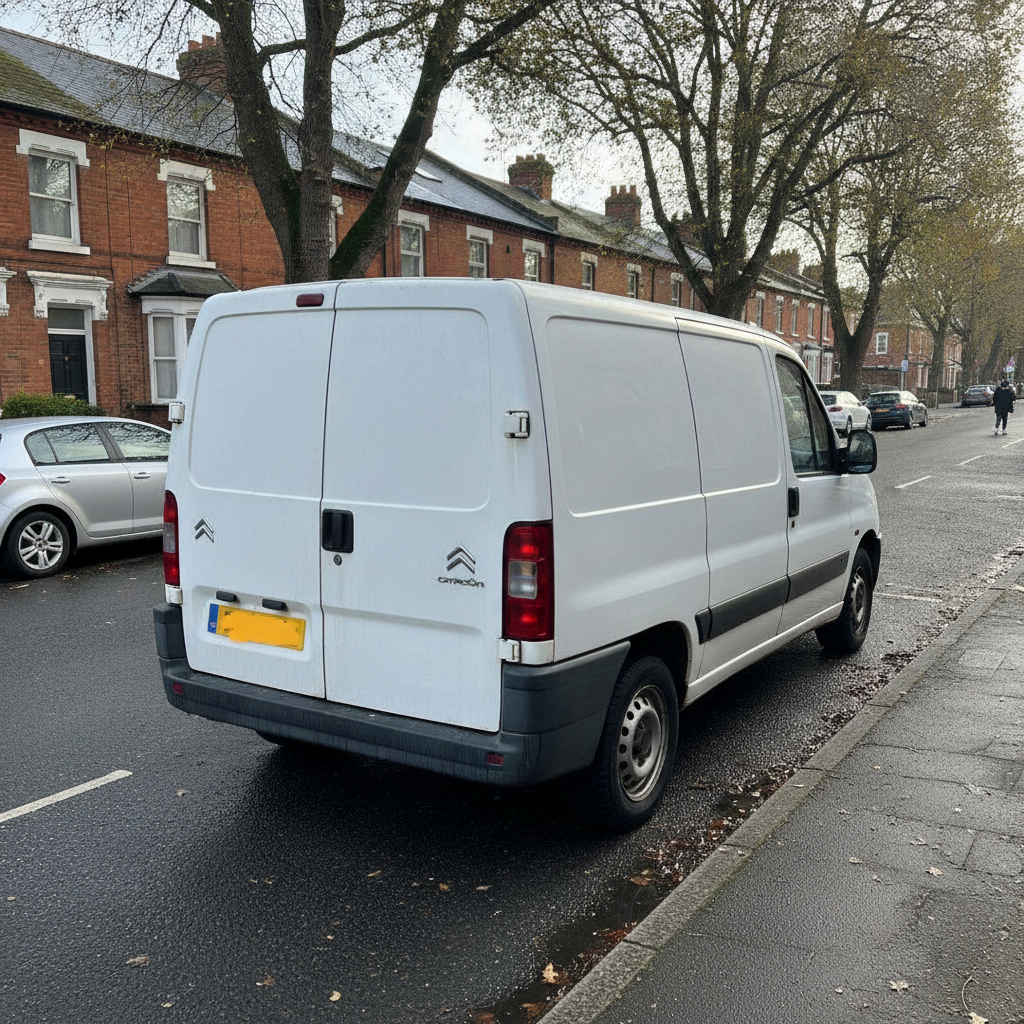
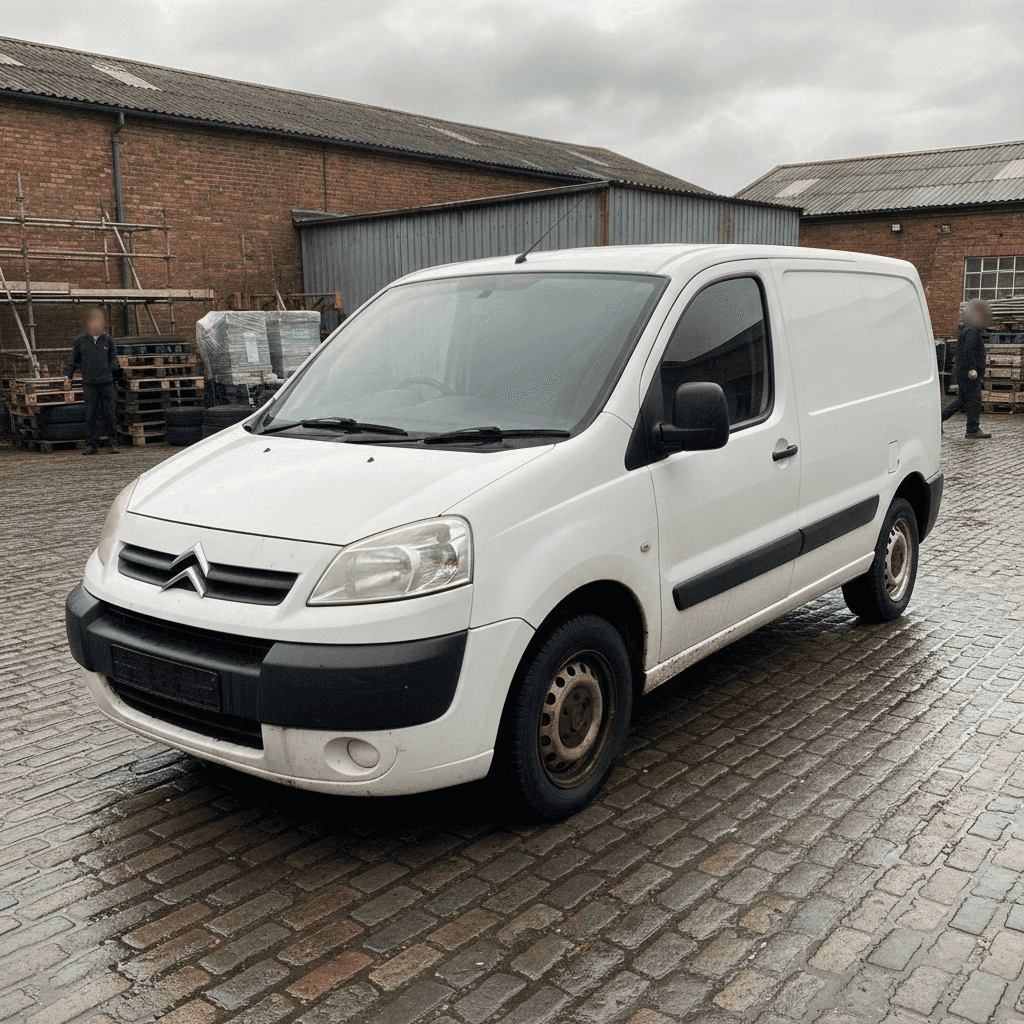
The medium van market in the UK is fiercely contested, but few models offer the blend of payload efficiency, low running costs, and car-like ergonomics found in a used Citroen Dispatch. First introduced to British roads in the mid-1990s, the Dispatch underwent a complete transformation in 2016 with the release of the third-generation model. Built upon the Stellantis EMP2 platform, this iteration shares its core engineering, running gear, and body panels with the Peugeot Expert, Vauxhall Vivaro, and Toyota Proace, as well as the later Fiat Scudo.
For independent tradespeople, delivery contractors, and fleet operators, the third-generation Dispatch represents a masterclass in packaging. By designing the vehicle on an architecture originally engineered for passenger cars, Citroen managed to strip out unnecessary kerb weight while stiffening the chassis. The result is a commercial vehicle with higher maximum payloads than many larger vans in the class above, coupled with an agile turning circle and a composed ride, whether driving laden or unladen.
Crucially for UK operators navigating urban jobs, low-clearance residential developments, and commercial multi-storey car parks, the Dispatch was engineered with an overall height restricted to under 1.9 metres on standard variants. This structural design choice eliminates the daily stress of height barriers that restrict access for traditional rivals in the medium panel sector. Combined with modern Euro 6 compliant BlueHDi diesel units and a full battery-electric option, a second-hand Dispatch delivers dependable utility for commercial operations across England, Scotland, and Wales.
Dimensions, Capacities, and Body Variations
Navigating the used market requires an understanding of Citroen's sizing terminology. Third-generation models are offered in three distinct body lengths, alongside standard panel, crew van, and platform cab variants.
Body Lengths and Cargo Dimensions
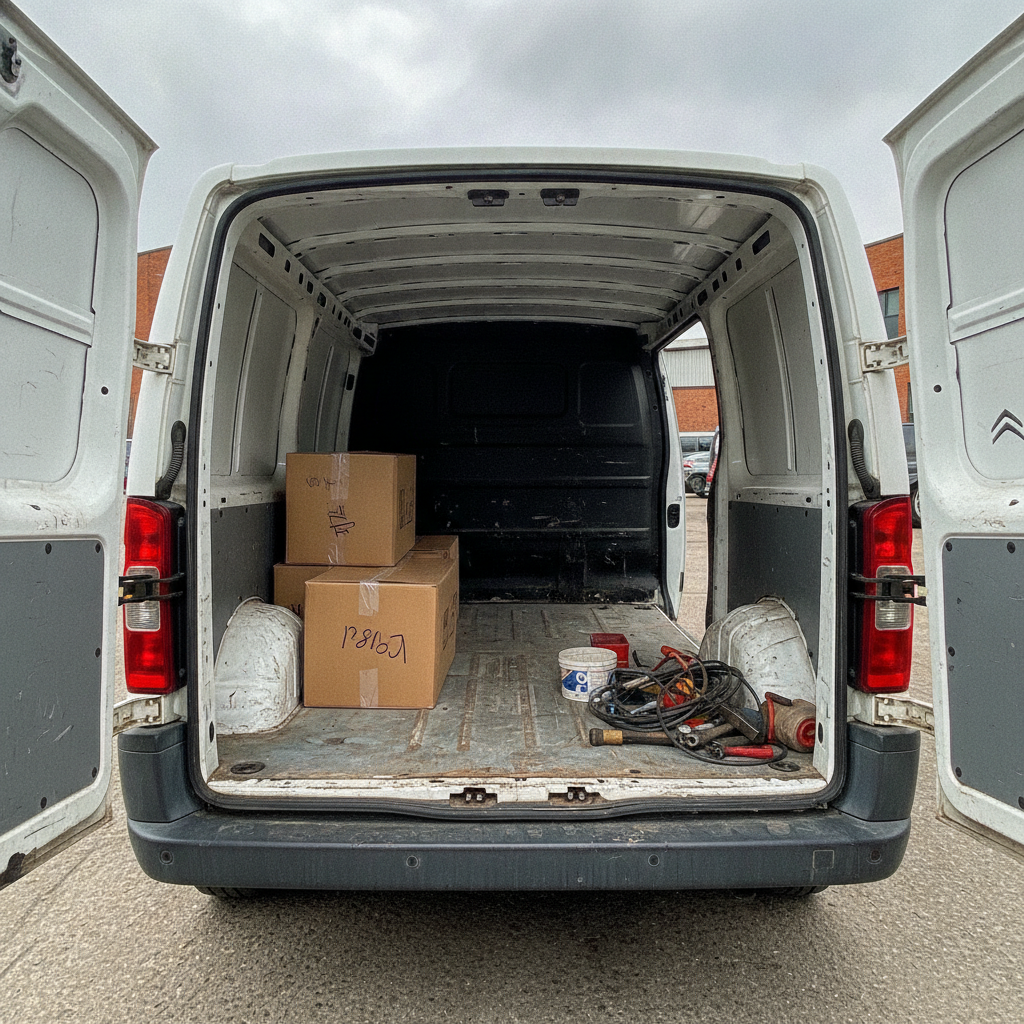
- XS (Compact): Measuring just 4.60 metres in overall length, the XS variant is tailored specifically for tight urban trades. Despite its stubby footprint, it delivers an internal cargo floor length of 2,162mm, expanding to 3,324mm with the passenger bulkhead hatch open. Cargo volume stands at 4.6 cubic metres (5.1 cubic metres with the load-through hatch engaged). This length was phased out on later production runs, making it a sought-after rarity on the second-hand market.
- M (Medium): The definitive all-rounder and the most common variant found on UK forecourts. Stretching to 4.95 metres externally, the M provides an internal load floor length of 2,512mm, extending to 3,674mm using the load-through system. Internal cargo volume is rated at 5.3 cubic metres, expanding to 5.8 cubic metres.
- XL (Long): Retaining the same wheelbase as the M but extending the rear overhang to reach 5.30 metres overall. The XL yields a substantial 2,862mm of standard floor length, capable of carrying items up to 4,024mm long with the bulkhead opened. Total load volume reaches 6.1 cubic metres, or 6.6 cubic metres with the through-loading facility deployed.
Payload and Towing Thresholds
Payload capability is where the Dispatch outclasses nearly every medium competitor. Across the range, Gross Vehicle Weights (GVW) vary from approximately 2.6 tonnes up to 3.1 tonnes. Depending on the engine, wheelbase, and trim chosen:
- Maximum Payloads: Range from roughly 1,000kg on entry-level models to an exceptional 1,446kg on heavy-duty 2.0-litre BlueHDi configurations. This enables operators to legally carry dense cargo, such as ceramic tiles, sand bags, and architectural timber, that would overload comparable competitor vans.
- Internal Width: Maximum load width measures 1,636mm, with 1,258mm between the internal wheel arches. This allows two standard Europallets to be loaded easily, even in the shortest XS configuration, or three pallets in the M and XL derivatives. Standard 8-foot by 4-foot sheet materials lie completely flat on the load floor.
- Towing Limits: Braked towing capacities range between 1,400kg and 2,500kg depending on engine size and transmission, with unbraked limits pegged at 750kg.
Factory Crew Vans and Specialist Conversions
For operations carrying personnel alongside gear, the Dispatch Crew Van provides factory-fitted second-row seating for three additional crew members, separated from the load compartment by a robust composite bulkhead with an integrated viewing window. Load volume behind the second row remains practical at 3.2 cubic metres on M models and 4.0 cubic metres on XL models, with under-seat floor channels accommodating longer poles and pipes.
Engine Specifications and Transmission Options
Every internal combustion engine fitted to the third-generation Dispatch relies on Stellantis BlueHDi common-rail turbo-diesel technology equipped with Selective Catalytic Reduction (SCR) and Diesel Particulate Filters (DPF), delivering universal compliance with London's Ultra Low Emission Zone (ULEZ) and provincial Clean Air Zones (CAZ).
The 1.6-litre BlueHDi Engine (2016 to 2018)
Early Mk3 examples utilise the tried-and-tested 1.6-litre unit, available in two power bands: 95hp with 210Nm of torque, and 115hp with 300Nm of torque. The 95hp version was paired with a five-speed manual gearbox, while the 115hp benefited from a six-speed manual. While frugal on fuel, the 95hp unit can struggle under heavy motorway payloads, making the 115hp the preferred choice among early production years.
The 1.5-litre BlueHDi Engine (Late 2018 Onwards)
Replacing the 1.6-litre engine to satisfy stringent Euro 6d emissions regulations, the 1.5-litre four-cylinder unit brought updated sixteen-valve cylinder heads and improved combustion efficiency. Available predominantly as a 100hp (270Nm) or 120hp (300Nm) variant mated to a slick six-speed manual transmission, this engine is exceptionally economical, frequently returning high fuel returns on mixed cycles.
The 2.0-litre BlueHDi Engine (2016 Onwards)
The heavy-duty workhorse of the Dispatch line-up. Offered in 120hp (340Nm), 150hp (370Nm), and range-topping 180hp (400Nm) outputs. The 2.0-litre units provide strong low-end pulling power, making them the default choice for long-distance motorway work, maximum-payload trades, and regular trailer towing. While the 120hp and 150hp units use a six-speed manual, the 180hp engine was paired exclusively with an automatic transmission (initially the six-speed EAT6, transitioning to the superior eight-speed EAT8 in late 2018).
The All-Electric e-Dispatch (2020 Onwards)
Citroen introduced the zero-tailpipe-emission e-Dispatch with an electric motor developing 136hp (100kW) and 260Nm of instant torque. Available with either a 50kWh battery pack delivering roughly 143 miles of WLTP range, or a 75kWh battery extending range up to 205 miles. Rapid DC charging capability at up to 100kW allows an eighty percent charge in roughly thirty to forty-five minutes, providing inner-city businesses with complete exemption from urban emissions fees and commercial road taxes.
Trade Applications: Who Buys the Citroen Dispatch and Why
The Dispatch has developed a dedicated following across various sectors of the British economy thanks to its specific engineering advantages:
- Plumbing and Heating Engineers: The Moduwork load-through hatch allows standard three-metre lengths of copper pipe and plastic conduit to be transported internally and kept completely dry and secure, eliminating the need for roof-mounted pipe carriers that penalise fuel economy and breach multi-storey height barriers.
- Electricians and Security Contractors: The sub-1.9 metre roof height gives technicians unrestricted access to basement plant rooms, secure underground city parking, and multi-deck shopping centre service bays. Dual side-loading doors, fitted standard to many trims, allow side access to custom component racking without climbing into the cargo bay.
- Joiners, Carpenters, and Dryliners: The broad wheel-arch spacing accommodates standard sheet materials flat on the deck. The robust 1.4-tonne payload ceiling on 2.0-litre models allows the transport of dense hardwood, packs of plasterboard, and heavy structural timber without exceeding front or rear axle weight limits.
- Multi-Drop Couriers and Last-Mile Delivery: A tight 12.4-metre turning circle on medium-wheelbase variants makes parallel parking and residential cul-de-sac manoeuvres straightforward. When paired with the EAT8 torque-converter automatic transmission, urban driver fatigue is substantially lower than in manual alternatives.
- Mobile Mechanics and Highway Technicians: The 2.0 BlueHDi 150hp and 180hp models provide effortless cruising speeds on UK motorway networks, providing sufficient torque reserves to power high-draw vehicle-mounted inverters, compressor units, and extensive drawer systems.
Trim Levels and Equipment Configurations
Understanding the standard specification helps ensure you do not buy an under-equipped work van. Over its production life, the third-generation Dispatch has maintained a clear trim hierarchy:
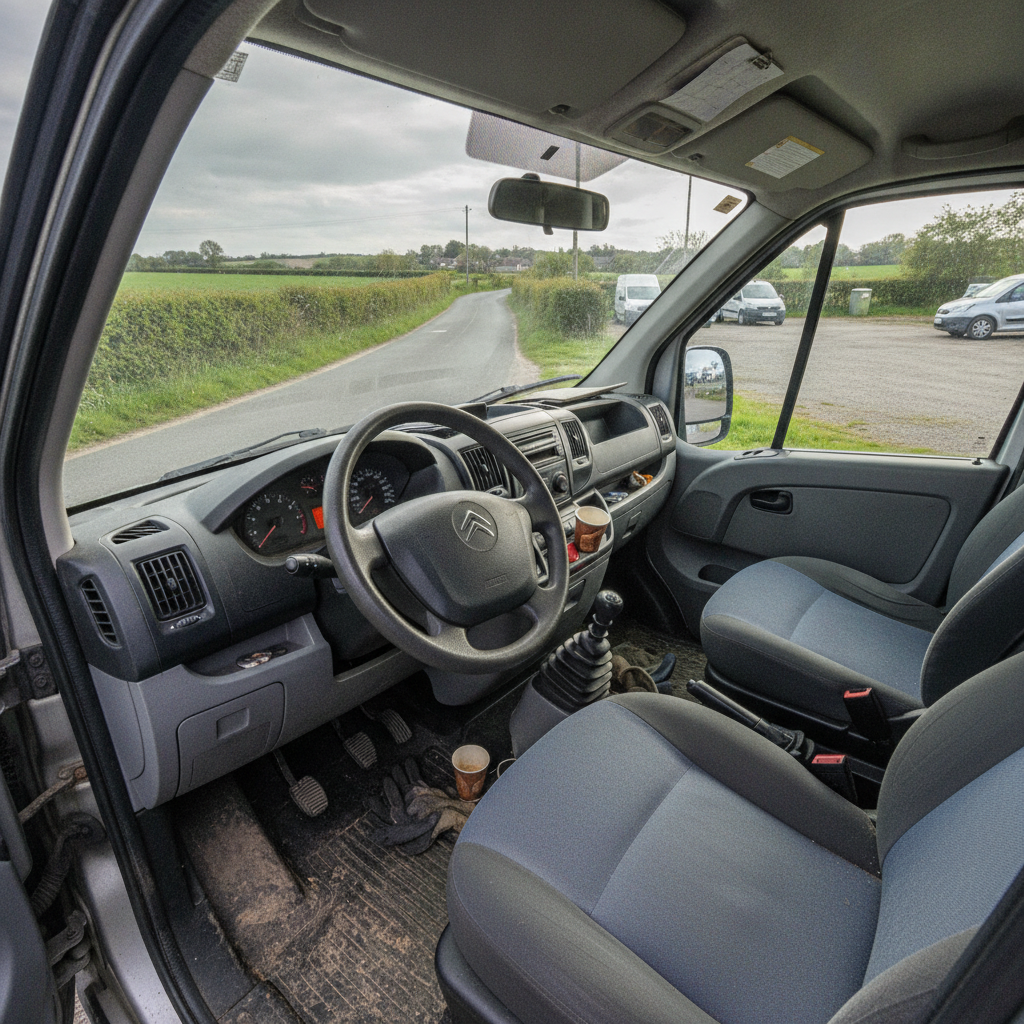
- X: The entry-level specification aimed squarely at price-sensitive fleet buyers. Features include twin sliding side doors, full steel bulkhead, electric front windows, central locking, and cruise control. Early X models lacked air conditioning and modern infotainment screens, making them spartan for owner-operators.
- Enterprise: The undisputed sweet spot of the range and the most prevalent model on the UK used market. Adds manual air conditioning, rear parking sensors, the seven-inch touchscreen infotainment system with Apple CarPlay and Android Auto compatibility, automatic headlights, rain-sensing wipers, and the versatile Moduwork passenger bench seat with folding outer chair and bulkhead flap.
- Enterprise Edition / Driver: Introduced to cater to long-distance drivers and owner-drivers seeking elevated cab comfort. Adds front parking sensors, rear-view reversing cameras with top-down 180-degree visual display, integrated satellite navigation, body-coloured bumpers, front fog lights, metallic paint, alloy wheels, and advanced driver assistance systems including lane departure warning and driver tiredness monitoring.
- Sport / Black Edition: Short-run flagship styling packages adding larger alloy wheels, black styling accents, sports side decals, and enhanced leatherette seating surfaces.
Comprehensive Used Inspection: Common Faults and Red Flags
While the EMP2 chassis and BlueHDi mechanicals are inherently sturdy, used examples endure demanding commercial duties. Inspect the following mechanical, structural, and electrical areas before agreeing to purchase.
1. AdBlue Tank and SCR System Malfunctions
The BlueHDi emissions system is the most common source of dashboard warnings on modern used Citroens. The integrated AdBlue tank incorporates a non-serviceable internal heating element and high-pressure pump. A common failure mode involves AdBlue crystallisation around the injector tip or failure of the internal pump pressure sensor, throwing diagnostic trouble codes such as P20EE or U029D. This initiates a non-start countdown sequence on the instrument display. When test-driving, verify that the emissions management light illuminates on ignition check and extinguishes cleanly once the engine runs. Enquire if the AdBlue tank assembly has already been replaced under warranty or recall, as an out-of-warranty tank replacement costs a significant four-figure sum.
2. The 1.5 BlueHDi Camshaft Drive Chain Issue
On 1.5-litre BlueHDi engines manufactured prior to late 2022, an internal 7mm chain synchronises the two overhead camshafts, while a standard external rubber belt drives the exhaust camshaft from the crankshaft. The original 7mm internal chain is prone to premature stretching, wear, and eventual failure, which can cause catastrophic valvetrain and engine destruction. Listen carefully during a cold startup: a metallic rattling or ticking noise from the upper right-hand side of the cylinder head indicates chain slackness. Stellantis revised this setup to an uprated 8mm chain assembly in late 2022. Verify through the service records whether the vehicle has received the updated chain and modified camshaft housing, or budget for preventative replacement.
3. Front Suspension Wear and Pothole Damage
Due to the firm damping setup required to support substantial payloads, front suspension components endure heavy punishment on deteriorated British roads. Listen for distinct knocking, rattling, or thumping sounds when driving over rough road surfaces, cats' eyes, or traffic calming humps. The most frequent failure points are front anti-roll bar drop links, lower track control arm bushes, and upper suspension strut top bearings. These are standard service wear items, but extensive play can cause rapid, uneven wear across the inner edges of the front tyres.
4. Manual Clutch and Dual-Mass Flywheel Fatigue
Test the manual transmission rigorously under high engine load. Place the vehicle in fourth gear at roughly thirty miles per hour and accelerate firmly up an incline to confirm the clutch does not slip. Depress the clutch pedal slowly while idling in neutral; listen for rattles, squeaks, or vibrations that alter pitch, which points toward an ailing Dual-Mass Flywheel (DMF). Heavy city use, courier work, and frequent towing accelerate DMF degradation.
5. Rear Axle Geometry and Uneven Tyre Wear
Inspect the rear tyres across the entire width of the tread. The Dispatch uses an independent trailing arm rear suspension setup designed to maintain vertical wheel alignment under heavy loads. If a van has been systematically overloaded by a previous owner, the rear trailing arms can distort or rear wheel bearings can develop play, resulting in excessive wear along the inner shoulders of the rear rubber. Squat down behind the van on level ground to verify the rear wheels do not display pronounced negative camber.
6. Twin Sliding Door Alignment and Electrical Contacts
Check the operation of both side-loading doors from outside and inside the cabin. They should slide smoothly on their runners without binding or requiring excessive force to latch. Look at the lower roller tracks for dirt accumulation, grit ingress, and stripped paint leading to surface rust. Furthermore, inspect the brass multi-pin electrical contact plates mounted on the B-pillar and door edges; worn or oxidized contact pins interrupt the central locking circuit, falsely signalling on the dashboard that a side door remains open during transit.
7. Infotainment and Cabin Switchgear Glitches
Spend five minutes operating the central touchscreen system. Ensure the screen responds promptly to touch inputs across its entire surface, as digitiser failures can cause phantom inputs or unresponsive areas. Confirm that Bluetooth connectivity, reversing camera feeds, and heating controls switch instantly without software freezing. Check that the steering column stalks operate reliably, particularly the indicators and wiper speed sensors.
Used Model Years: What to Prioritise and What to Avoid
If budget allows, target late-2018 or newer models fitted with Euro 6d-compliant engines. The older 1.6 BlueHDi 95hp models from 2016 to early 2017 are best avoided if you carry high-capacity loads regularly, as their five-speed transmissions make them noisy and relatively inefficient at sustained 70mph motorway cruising speeds. When shopping for 1.5 BlueHDi models built between 2018 and 2022, prioritize vans that document frequent oil change intervals—ideally every 10,000 miles rather than the extended 25,000-mile factory threshold—as clean engine oil is critical to the longevity of the camshaft timing mechanism.
Second-Hand Market Valuations
Pricing on the used commercial vehicle market fluctuates depending on mileage, condition, maintenance history, and trim specification. When shopping for a used Dispatch, buyers can segment the market into several distinct value tiers.
Under £6,000: High-Mileage Early Mk3 and Tidy Mk2 Models
In this baseline price band, buyers will encounter late second-generation models (pre-2016) in clean order or early third-generation (2016-2017) Mk3 panel vans that have accumulated upwards of 130,000 to 180,000 miles. Most vehicles in this bracket feature base X or Enterprise trim with the older 1.6-litre engine. Expect bodywork scuffs, interior cab wear, and cargo bays that lack ply lining. A complete mechanical service record is essential when purchasing in this price range to ensure the turbocharger, injectors, and DPF have received adequate care.
£6,000 to £11,000: Mid-Life Fleet Workhorses and Ex-Lease Vans
This band contains the highest volume of used Dispatch inventory across the UK. Typical stock includes 2017 to 2020 models with mileage readings between 60,000 and 100,000 miles. Buyers can readily secure Enterprise specification vans with air conditioning, rear parking sensors, and the Moduwork system. Both 1.6-litre and newer 1.5-litre BlueHDi units appear regularly here, alongside higher-mileage examples of the powerful 2.0-litre 120hp and 150hp variants. Vans in this tier typically originate from reputable utility companies or national corporate fleets, offering verified maintenance logs and single-owner provenance.
£11,000 to £16,000: Late-Plate, Low-Mileage Professional Examples
Stepping into this tier secures 2020 to 2023 registered models that have covered between 20,000 and 55,000 miles. Vehicles here will generally be in Enterprise Edition or Driver specification, featuring reverse cameras, touchscreens with smartphone mirroring, body-coloured exterior panels, and alloy wheels. High-output 2.0-litre engines and models equipped with the smooth eight-speed EAT8 automatic gearbox become accessible in this bracket. These vans represent exceptional value for established independent trades, presenting a smart, professional image with minimal cosmetic blemishes.
£16,000 to £22,000+: Nearly-New Vans and High-Spec Crew Cabs
At the upper threshold of the market sit late 2023 and 2024 models, nearly-new ex-demonstrators, and exceptionally low-mileage factory Crew Vans. Vans in this category frequently retain the balance of the original three-year manufacturer mechanical warranty. Low-mileage all-electric e-Dispatch models with either the 50kWh or 75kWh battery packs also feature heavily in this price tier, making this the target sector for companies seeking turnkey, future-proof vehicles exempt from urban emissions charges.
Operational Running Costs
Assessing total cost of ownership goes far beyond the initial invoice price. The Dispatch performs exceptionally well on the balance sheet due to its sensible operating costs.
Fuel Consumption (Real-World Figures)
The aerodynamic, low-roof profile of the Dispatch yields impressive real-world fuel economy figures:
- 1.5 BlueHDi: Delivers an authentic 44 to 50 mpg on mixed routes, frequently climbing beyond 52 mpg on steady-state 60mph A-road journeys when moderately laden.
- 1.6 BlueHDi: Averages 40 to 45 mpg under mixed driving conditions, though prolonged high-speed motorway hauling drops this to roughly 37 mpg.
- 2.0 BlueHDi: Returns between 38 and 44 mpg across everyday trade use. While slightly thirstier than the 1.5-litre in urban traffic, it matches or exceeds the smaller engine's fuel efficiency when fully laden on motorway hauls, as it operates well within its torque reserve.
Commercial Vehicle VED (Road Tax)
As a light commercial vehicle (LCV), internal combustion versions of the Citroen Dispatch fall under the flat-rate UK commercial Vehicle Excise Duty (VED) classification. This fixed annual cost applies regardless of CO2 emissions output, providing predictable budgeting. The all-electric e-Dispatch benefits from zero-rate VED under current commercial electric exemptions, while avoiding the costly congestion charges and emissions tariffs enforced within central London, Birmingham, and other regional clean air zones.
Insurance Categorisation
Insurance groupings for third-generation Dispatch models range between Group 31E and Group 42E depending on power output, gross vehicle weight, and standard safety features. Base-spec X models with lower power ratings fall into the lower bands, while 180hp Driver specifications and Crew Vans sit higher up the scale. Factory-fitted electronic immobilisers and remote deadlocking help mitigate premium costs across all main UK trade insurers.
Maintenance Schedules and Component Lifespans
Citroen specifies service intervals of two years or 25,000 miles for normal operating environments. However, trade specialists and experienced diesel mechanics strongly advise adopting an interim maintenance regime every 10,000 to 12,000 miles or twelve months, whichever arrives first. Regular oil drops using low-SAPS manufacturer-approved synthetic oil are essential for safeguarding the turbocharger bearings, DPF matrix, and timing gear.
Timing belt replacement intervals for 2.0-litre BlueHDi engines are recommended every ten years or 100,000 to 112,000 miles, though replacing the belt along with the water pump and coolant at five to six years or 80,000 miles provides vital peace of mind. Brake pad wear is modest due to the van's light chassis mass, with front pads lasting between 25,000 and 40,000 miles under non-abusive driving styles.
Financing Your Used Citroen Dispatch
Acquiring a commercial vehicle requires a financing structure aligned with your cash flow, tax accounting preferences, and VAT status. There are several primary routes available for acquiring a second-hand Dispatch:
Hire Purchase (HP)
Hire Purchase remains a favourite for established self-employed trades and small businesses that want ultimate ownership of the van. Following an upfront deposit—frequently equivalent to the full VAT amount on VAT-qualifying vehicles—the remaining balance is spread across fixed monthly instalments over two to five years. Once the final payment and nominal option-to-purchase fee are cleared, your business owns the vehicle outright, adding an asset to your company balance sheet. Businesses can research structured commercial vehicle finance options to secure packages tailored to seasonal income patterns.
Finance Lease
Popular among VAT-registered limited companies that wish to keep capital inside the business. Finance Lease provides access to a vehicle without taking technical ownership. You pay fixed monthly rentals, which can be partially or fully offset as business expenses against corporation tax. A substantial balloon payment is often deferred to the end of the term, matched to the anticipated residual valuation of the van. When the agreement concludes, you sell the Dispatch to an independent third party on the funder's behalf; any surplus equity above the balloon figure is returned to your business as a rebate of rentals.
Contract Hire and Leasing
If you prefer fixed monthly fleet budgeting without disposal risks, exploring used or nearly-new business van lease deals eliminates exposure to vehicle depreciation and fluctuating second-hand values. Under this arrangement, your business rents the vehicle for an agreed term and mileage limit, handing the keys back to the finance provider at the end of the contract without balloon commitments.
Final Buying Verdict
The third-generation Citroen Dispatch remains one of the sharpest, most capable commercial propositions on the UK second-hand market. Its combination of a class-leading payload limit, versatile Moduwork bulkheads, low overall vehicle height, and economical BlueHDi powertrains makes it exceptionally well suited to British trade conditions.
By prioritising an Enterprise or Driver specification model with an authentic maintenance log, verifying the health of the AdBlue and emissions systems, and inspecting critical suspension and timing components, you can secure an indispensable, profitable tool that will serve your business reliably for hundreds of thousands of miles.