Used Citroen Berlingo: What to Check Before You Buy
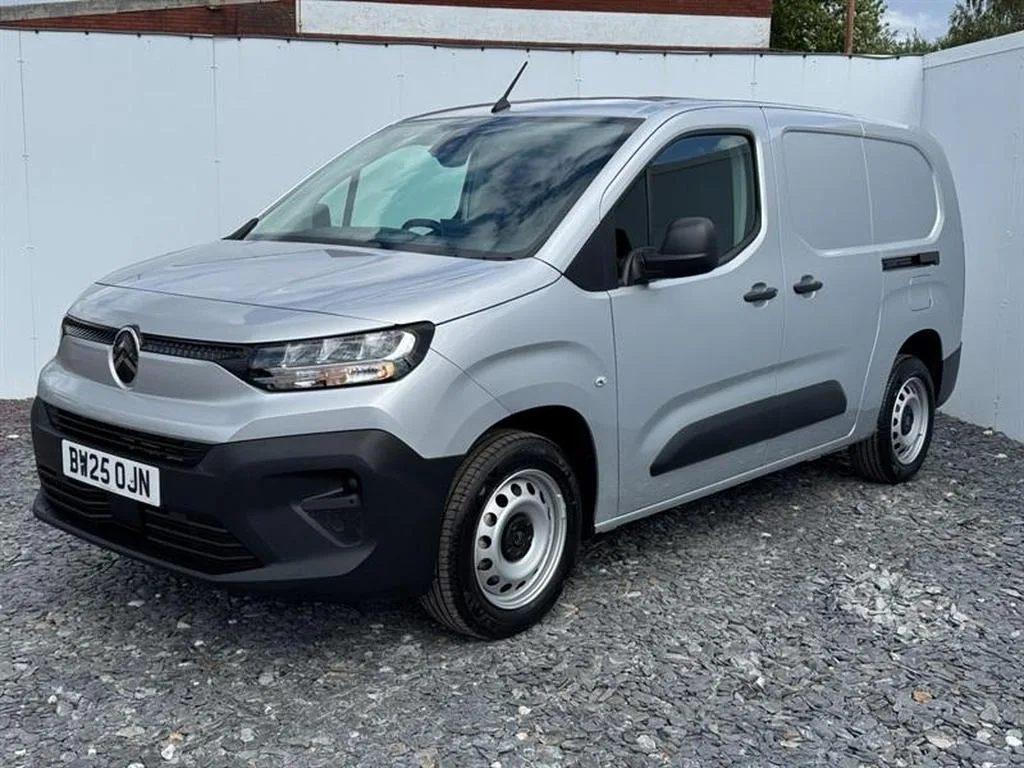
The Citroen Berlingo is one of the most common compact commercial vehicles on UK roads. For sole traders, delivery couriers, and tradespeople, it offers a practical balance of compact exterior dimensions and workable load space. However, because these vans spend their lives working under demanding schedules, buying on the secondary market requires a methodical inspection. Skipping essential checks on the engine, emissions equipment, and load bay running gear can quickly turn a budget-friendly purchase into an expensive workshop liability.
Generations and engine specifications to consider
Most used buyers focus on either the second-generation model (sold from 2008 until 2018) or the third-generation version (introduced in late 2018). Third-generation vans share their platform with the Vauxhall Combo, Peugeot Partner, and Toyota Proace City, offering superior cabin ergonomics, updated safety systems, and Euro 6 compliance across the board.
When assessing engine options, consider your daily driving routes and clean air zone regulations:
- 1.6-litre HDi and BlueHDi (pre-2018): Older 1.6 HDi Euro 5 units are mechanically robust but lack London ULEZ and regional Clean Air Zone (CAZ) compliance. The later 1.6 BlueHDi introduced Euro 6 compliance, though buyers must verify that the AdBlue tank and injector are operating without active dashboard warnings.
- 1.5-litre BlueHDi (2018 onwards): Available in outputs ranging from 75hp to 130hp. While exceptionally efficient, early 1.5 BlueHDi units have a known vulnerability with their 7mm camshaft timing chain snapping. Stellantis revised this to an 8mm reinforced chain on later builds. When viewing an early third-generation van, check whether the camshaft assembly has been upgraded or replaced under warranty.
- 1.2-litre PureTech petrol: A viable choice for low-mileage urban trades, but it uses an oil-submerged 'wet' timing belt. Neglected oil changes cause this belt to degrade, clogging the oil strainer and causing catastrophic oil pressure loss. Only buy a PureTech if it has a watertight, on-time service history with the correct grade of oil.
Dimensions, payload ratings and cargo configurations
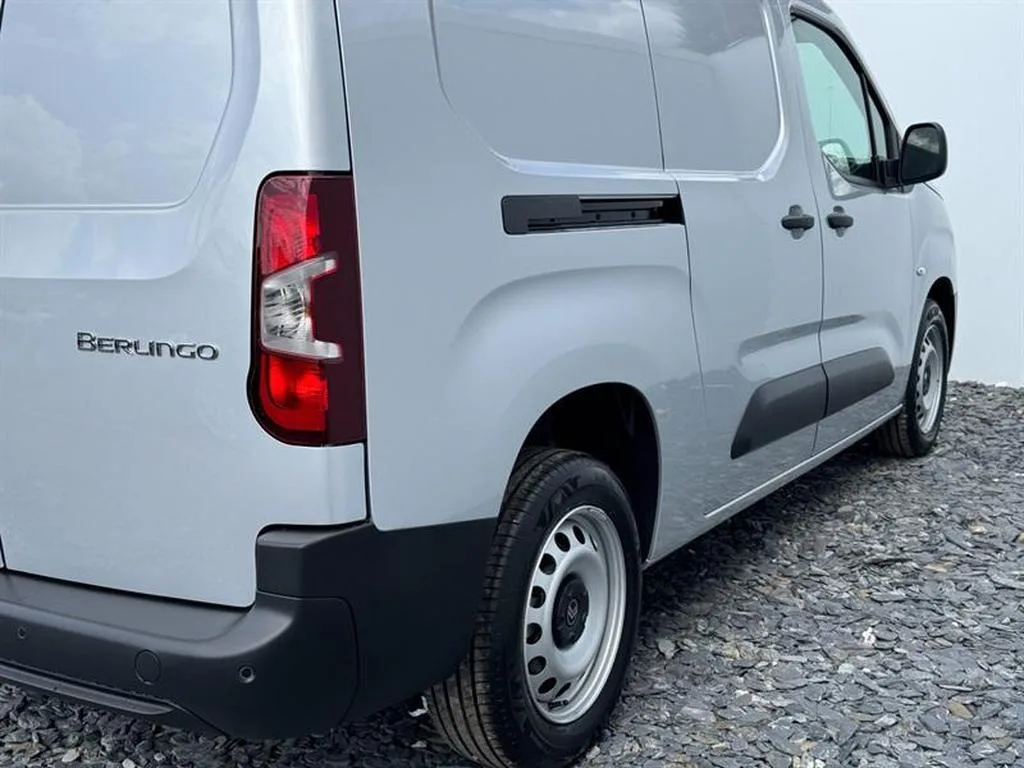
The third-generation Berlingo is offered in two body lengths: the standard M (roughly 4.4 metres long) and the extended XL (roughly 4.75 metres long). Cargo capacity ranges from 3.3 cubic metres in the standard van to 3.9 cubic metres in the XL, rising to 4.4 cubic metres if equipped with the folding Extenso front passenger bench and bulkhead access hatch.
Payload limits vary significantly depending on the specification, ranging from roughly 650kg to over 1,000kg. Never assume a Berlingo's carrying capacity based on its size alone. Locate the manufacturer weight plate on the passenger-side B-pillar and verify the gross vehicle weight (GVW) minus the unladen mass. Many inner-city courier vans operate near their limit daily, causing accelerated wear to rear dampers, coil springs, and axle bushes.
Physical checks: Bodywork, doors and cargo bay
Commercial vehicles take abuse, but superficial dents differ from structural issues and neglected hardware. Focus your exterior and cargo inspection on these problem zones:
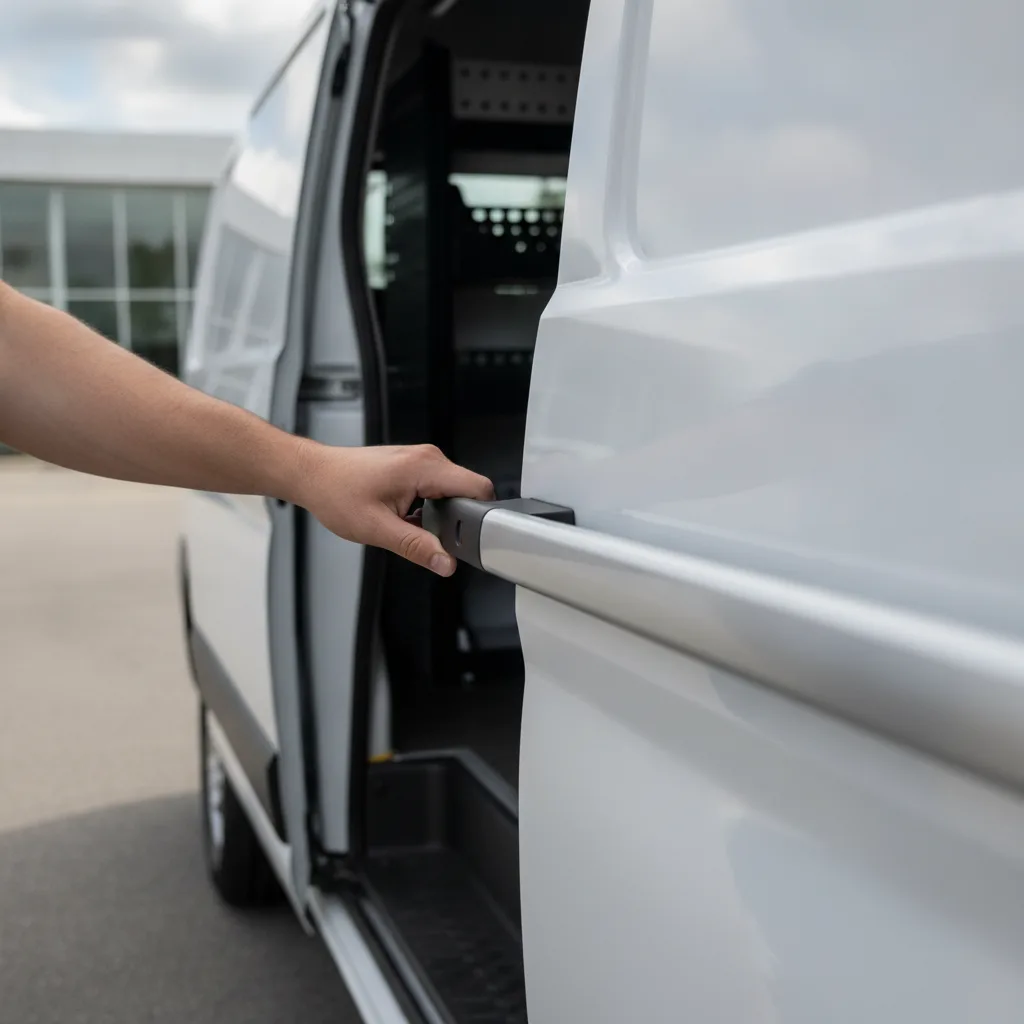
- Sliding side door runners: Open and close the sliding side doors multiple times. The lower roller bearing runs along an exposed sill track that collects road grime, plaster dust, and metal shavings. If the door drops, snags, or requires force to latch, the roller assembly is worn or the track is distorted.
- Rear barn door hinges: Check for play in the rear 180-degree door hinges. Worn pins cause the doors to misalign, tearing the rubber seals and allowing water to pool beneath the ply lining on the cargo floor.
- Load bay floor under ply lining: If possible, lift the corner of any aftermarket ply flooring. Check for rust caused by wet tools, chemical spills, or hidden floor rib distortion caused by dropping heavy pallets into the bay with forklifts.
- Sill damage: Crouch down and check the sills directly behind the front wheels. Careless jacking or driving over high kerbs crushes these sills, breaking the factory anti-corrosion barrier and leading to MOT structural failure later.
Mechanical red flags: Engine, suspension and electronics
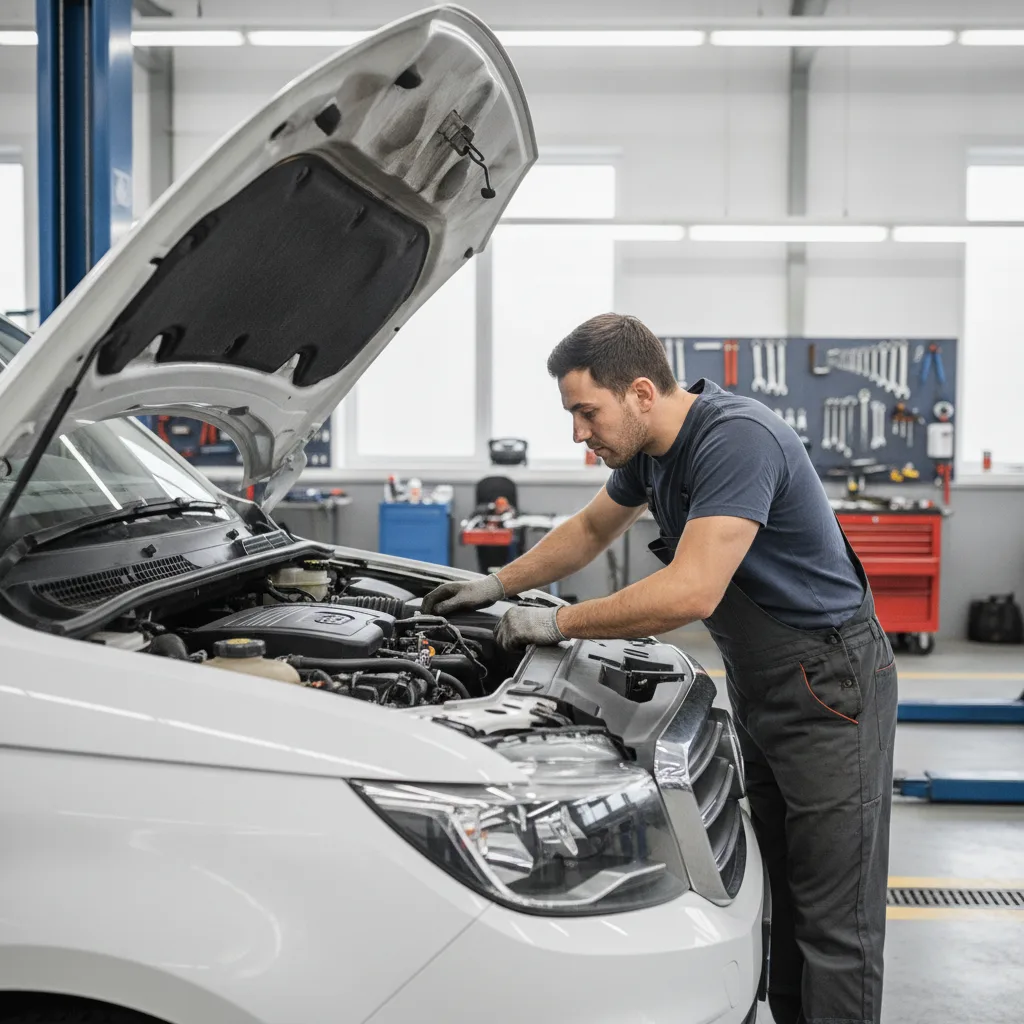
Always insist on viewing the van with a stone-cold engine. Place your hand on the engine block to confirm it has not been pre-warmed before turning the key.
Exhaust emissions and AdBlue systems
Turn the ignition to stage two and ensure the engine management light, DPF light, and AdBlue warning light illuminate and extinguish cleanly after starting. A persistent AdBlue or 'UREA' warning with an engine-start countdown is common on BlueHDi engines. This often points to a failed pump integrated into the AdBlue tank or a crystallised dosing injector, which requires specialist workshop attention to rectify.
Turbocharger and oil leaks
On 1.6 and 1.5 diesel engines, listen for a high-pitched siren noise from the turbocharger under load. Check around the injectors for black, tar-like carbon deposits (often called "black death"), which indicates failed copper injector crush washers. If left unresolved, blow-by gases contaminate the engine oil, leading to blocked oil pick-up pipes and turbo failure.
Chassis and running gear
During the test drive, travel over uneven road surfaces and listen for knocks. Front suspension anti-roll bar drop links and top strut mounts are frequent failure items on the Berlingo. Check the steering wheel tracking on a straight road; uneven front tyre wear paired with a misaligned steering wheel suggests worn wishbone bushes or severe tracking issues from kerb impacts.
Service history, paperwork and purchasing advice
Check the DVSA online database for the van's complete MOT history. Look for recurring advisories concerning suspension play, brake disc corrosion, or excessive exhaust emissions. Ensure the vehicle identification number (VIN) on the registration document matches the stamp visible on the lower windscreen and the chassis plate.
Commercial operators looking to spread vehicle costs should research their van finance options through an independent provider or specialist broker before committing to a purchase. When comparing listings and used vans across the market, use a multi-dealer platform to benchmark mileage against condition. Vansales operates an online marketplace that collates available stock for research purposes; it does not sell vehicles directly or arrange funding, so all final mechanical checks and commercial terms remain your responsibility.
Frequently asked questions
What is the most reliable Citroen Berlingo engine?
The 8-valve 1.6-litre HDi engines produced between 2011 and 2015 have a proven track record when serviced strictly within manufacturer intervals. For buyers requiring Euro 6 compliance, the later 1.5 BlueHDi offers outstanding economy, provided the upgraded 8mm camshaft timing chain assembly has been verified.
How can I identify if a used Berlingo has been routinely overloaded?
Look for rear suspension bump stops that show signs of repeated impact or crumbling. Splayed rear tyres (uneven wear on the inner edges of the tread), bowed load floor crossmembers, and rear doors that do not line up evenly at the top shut-line indicate frequent overloading.
Why is the AdBlue light on with a countdown on my dashboard?
This is standard diagnostic behaviour for Stellantis diesel vehicles when the emissions system detects a fault. Common causes include a failed tank pressure sensor, a blocked injector nozzle, or a faulty NOx sensor. It must be read with diagnostic equipment immediately, as the engine will refuse to start once the mileage counter hits zero.
How often should the timing belt be changed on a Berlingo?
Intervals vary by engine and production year. The 1.6 BlueHDi typically requires a belt change around 100,000 miles or ten years, whereas the 1.5 BlueHDi is often scheduled earlier. If you are unsure of the exact service interval for a specific chassis, check the official maintenance schedule via a Citroen franchised dealer or the owner handbook.
Related: Vans For Sale in Birmingham