The short answer
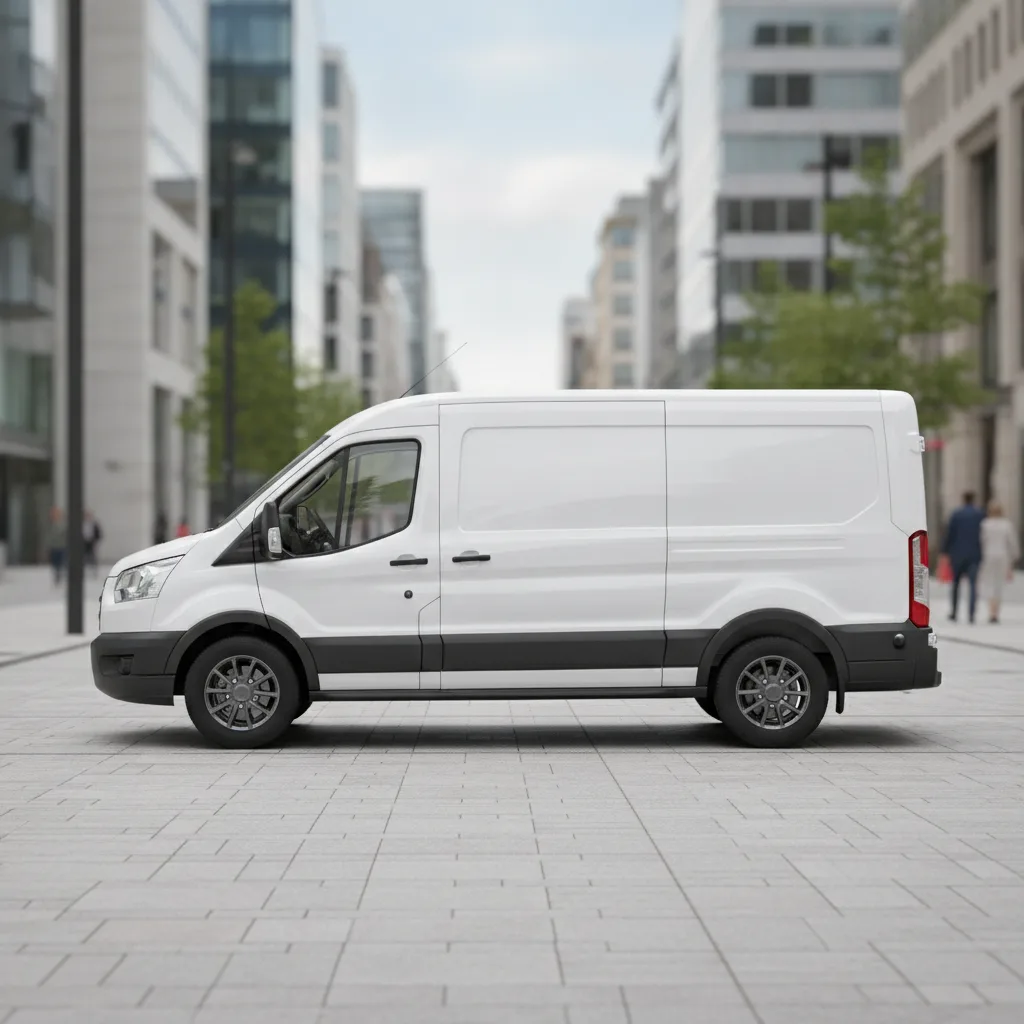
For tradespeople, the choice of a used van depends entirely on your daily load requirements. For city-based work, smaller vans like the Ford Transit Connect or Volkswagen Caddy excel; they offer nimble handling, easy parking in tight urban streets, and typically provide a load length of around 1.7 to 1.8 metres. For larger trade operations, medium vans like the Ford Transit Custom or Volkswagen Transporter are the industry standard. These models accommodate standard 8x4 sheets of building materials and offer a higher payload capacity, typically exceeding one tonne, which is essential for transporting heavy tools and equipment reliably.
What to check
Before finalising any purchase, you must conduct a thorough physical inspection to avoid significant repair bills. Rather than relying on a generic overview, please consult our dedicated Used Van Inspection Guide for a step-by-step checklist on evaluating engines, drivetrains, and potential signs of structural overloading. Assessing the van's history specifically for timing belt replacements and regular oil changes is critical for long-term engine longevity.

Costs to plan for
When calculating your total cost of ownership, look beyond the screen price. Consider the VAT implications and whether you are eligible to claim the full cost of the van as a capital allowance. You should also budget for immediate customisations that improve site productivity, such as professional-grade racking systems or full ply lining, which protects the load bay from damage and helps maintain the vehicle's residual value. Additionally, account for the insurance premiums for commercial use and potential city congestion charges if you operate within zones like London's ULEZ.

Common mistakes
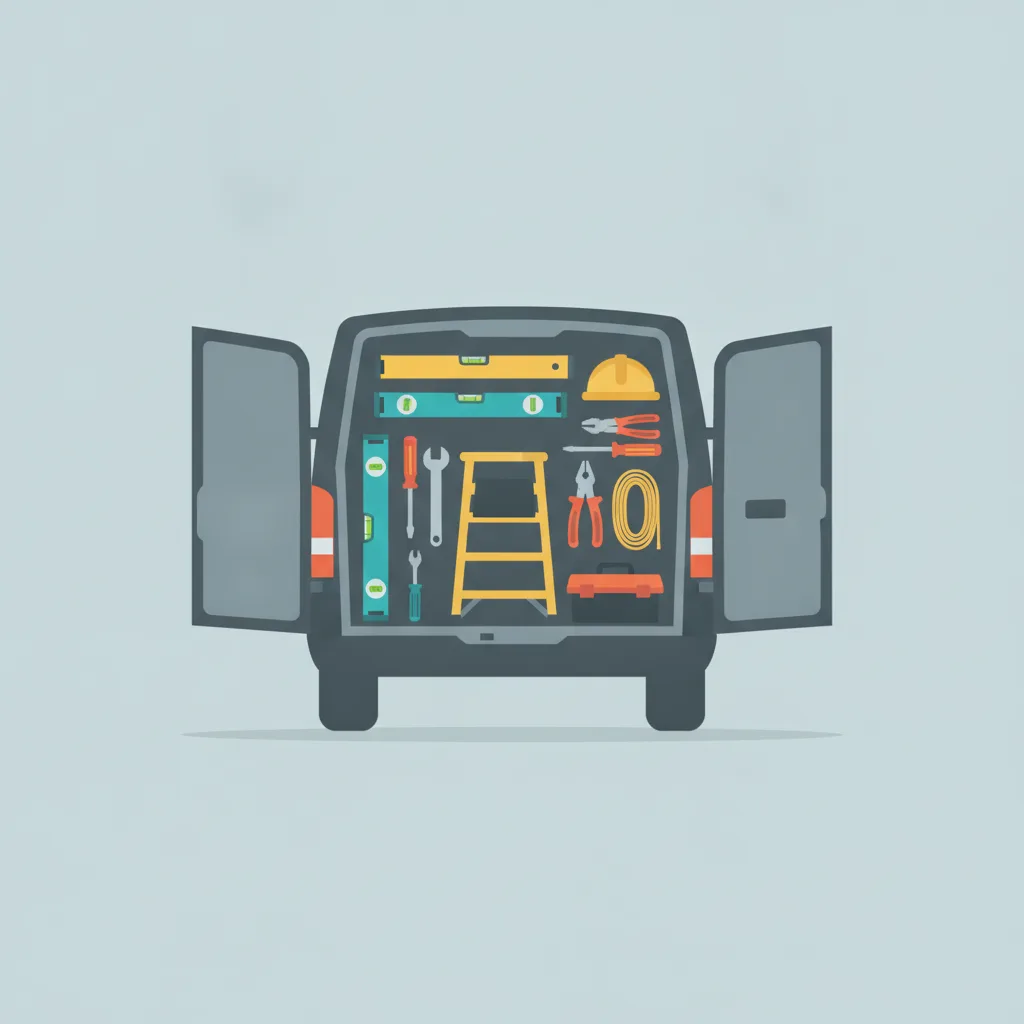
The most common error is failing to match the vehicle size to your specific trade requirements. Always measure your longest tools and largest materials before buying; a van that is slightly too small for a spirit level or ladder rack will cause daily frustration. Another mistake is ignoring the condition of the load bay; search for vans that have already been ply-lined, as bare metal vans that have carried heavy loads often suffer from significant internal corrosion and panel damage. Finally, always verify the Euro 6 emissions status of a diesel van; choosing a non-compliant vehicle can result in daily charges that quickly erode your profit margins.
FAQs
Which used vans suit tradespeople? Compact vans like the Ford Transit Connect and Volkswagen Caddy are ideal for solo tradespeople or those in dense urban areas. For larger jobs, medium vans such as the Ford Transit Custom or Volkswagen Transporter are preferred for their higher payload capacities and wider cargo bays.
What should I look for regarding van customisation? Always look for vans that already feature ply lining and professional racking. These additions protect the vehicle chassis from heavy equipment and help organise your tools, saving you time and preventing damage to the interior panels.
What mileage is considered too high for a used work van? Mileage is secondary to service history and usage patterns. A high-mileage van that has primarily travelled on motorways is often in better mechanical condition than a low-mileage van that has been subjected to constant short, heavy-duty stop-start journeys.
How can I check if a used van is ULEZ compliant? You can verify the emissions standard of any vehicle by entering its registration number into the official Transport for London ULEZ vehicle checker website. Always ensure the van meets Euro 6 standards for diesel or Euro 4 for petrol to avoid daily charges.