Buying a used Volkswagen Crafter
If you need a commercial workhorse that balances immense volume with genuine cab comfort, a used Volkswagen Crafter is one of the smartest long-term investments on the UK second-hand market. While smaller panel vans handle city nip-and-tuck runs, the Crafter exists to move significant tonnage and high-cube payloads over long distances without breaking the driver's back. Developed independently by Volkswagen Commercial Vehicles since 2017 at their custom-built facility in Września, Poland, the second-generation Crafter broke free from its previous joint-venture platform shared with the Mercedes-Benz Sprinter. The result is a dedicated commercial platform engineered around real-world fleet demands, offering car-standard driver assistance, electro-mechanical steering, and class-leading aerodynamics.
For independent sole traders, fleet managers, and specialist conversion outfits, buying pre-owned rather than factory-order avoids brutal first-year depreciation. However, large commercial vehicles lead punishing working lives. Whether you are shopping for a medium-wheelbase dropside, a long-wheelbase high-roof courier rig, or an all-wheel-drive panel van, understanding the generational differences, engine variants, and mechanical weak points is essential to securing a reliable asset rather than an endless workshop bill.
Volkswagen Crafter Overview: Generations and Evolution
Understanding which generation of Crafter you are viewing is vital when browsing UK classifieds, as they are fundamentally different machines under the bodywork.
First Generation (2006 to 2016)
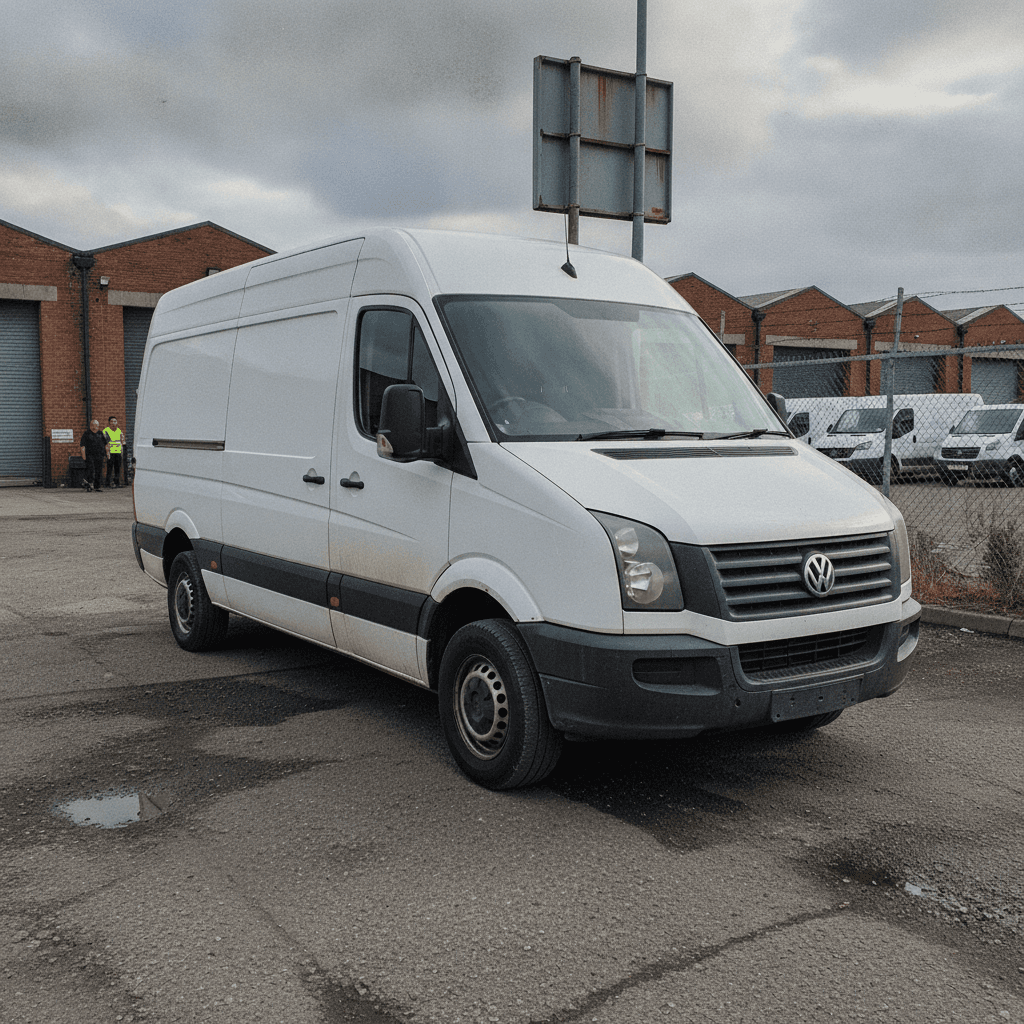
The first-generation Crafter was developed alongside the second-generation Mercedes-Benz Sprinter. While the body shell, suspension architecture, and door pressings were shared, Volkswagen fitted their own engines. Early models (2006 to 2011) used a 2.5-litre five-cylinder TDI unit, which was later replaced during the 2011 facelift by a more efficient 2.0-litre four-cylinder common-rail TDI. These older vans remain common at the budget end of the market. They are sturdy, rear-wheel-drive hauliers, but they lack the refined handling, anti-corrosion protection, and interior comfort of subsequent models. Corrosion around sills, rear door hinges, and wheel arches is a known hazard on these earlier platforms.
Second Generation (2017 to Present)
Launched in 2017 to critical acclaim and winning numerous International Van of the Year trophies, the current Crafter is pure Volkswagen. It brought unprecedented refinement to the large van segment by introducing electro-mechanical power steering, which enabled active safety systems like lane-keep assist, crosswind assist, and semi-automated parking. The dashboard adopted passenger-car materials and ergonomic switchgear borrowed from the Golf and Passat ranges. Crucially, this generation introduced front-wheel-drive configurations alongside traditional rear-wheel drive and permanent 4MOTION four-wheel drive, giving operators tailored drivetrains for specific trade demands.
Body Dimensions, Load Capacities, and Weights
The Crafter is offered in an extensive modular configuration across three vehicle lengths, three roof heights, and three gross vehicle weight designations. Navigating the model codes ensures you do not buy a van that infringes on your standard car driving licence rules.
Gross Vehicle Weight Ratings: CR30, CR35, and CR50
- CR30: Rated at three tonnes gross vehicle weight. These are relatively rare on the used market, typically found in medium-wheelbase configurations with lighter payload potential.
- CR35: Rated at three and a half tonnes gross vehicle weight. This is the sweet spot for UK operators, allowing anyone with a standard Category B car driving licence to drive without needing a tachograph (unless towing commercially) or an Operator's Licence.
- CR50: Rated at five tonnes gross vehicle weight. These heavy-duty models feature twin rear wheels (duallies) and require a Category C1 licence, digital tachograph calibration, and an active operator compliance system to run legally on UK roads.
Wheelbases and Roof Heights
- Medium Wheelbase (MWB): Overall length measures just under six metres with a load bed length of roughly three and a half metres. It offers a tight turning circle, making it the preferred choice for urban building contractors, plumbers, and joiners navigating tight residential streets.
- Long Wheelbase (LWB): Overall length stretches to just under seven metres, delivering a cargo floor length of over four metres. This layout represents the backbone of the logistics and multi-drop delivery sectors.
- Long Wheelbase with Maxi Overhang (LWB Maxi): Measures close to seven and a half metres overall. The extended rear body overhang pushes maximum load volume to an enormous eighteen point four cubic metres, ideal for lightweight, high-volume cargo or full-length off-grid conversions.
- Roof Heights: Available in Standard Roof, High Roof, and Super High Roof. The High Roof allows a worker over six feet tall to walk upright along the load floor, a massive operational advantage for mobile workshops and parcel couriers.
Payload and Cargo Volume Considerations
Because the Crafter is an engineered, heavy-duty van, the unladen kerb weight of the vehicle itself is higher than lightweight competitors. A front-wheel-drive CR35 panel van in medium wheelbase typically offers between twelve hundred and fourteen hundred kilograms of genuine payload. Long-wheelbase and rear-wheel-drive variants carry more structural weight in their propshafts, differentials, and steel framing, which reduces legal payload down toward the eleven hundred kilogram threshold. If your trade involves moving bulk aggregates, palletised liquids, or heavy plant machinery, always check the chassis VIN plate inside the passenger door shut to verify that your prospective van can legally carry your daily tools and inventory.
Drivetrain and Engine Options: Front, Rear, and 4MOTION
Every post-2017 Crafter runs a variation of Volkswagen's commercial-grade 2.0-litre TDI EA288Nutz diesel engine, equipped with common-rail fuel injection, diesel particulate filtration, and selective catalytic reduction using AdBlue fluid.
Power Outputs
- 102 PS (Single Turbo): Tuned primarily for urban fleets and municipal applications. It struggles when fully loaded on hilly motorway corridors and is best avoided if you tow or carry sustained max-weight loads.
- 140 PS (Single Turbo with Variable Geometry): The most popular and balanced unit on the pre-owned market. It produces three hundred and forty Newton-metres of torque, providing comfortable cruising speed on dual carriageways while maintaining respectable diesel consumption.
- 177 PS (Bi-Turbo): Features twin-stage turbochargers delivering four hundred and ten Newton-metres of torque. Found commonly on Highline trims, heavy-duty CR50 platforms, and bespoke camper vans, offering strong acceleration and effortless towing capacity up to three and a half tonnes.
Drive Layouts
- Front-Wheel Drive (FWD): The engine sits transversely. This arrangement lowers the rear load floor by around one hundred millimetres compared to rear-wheel-drive models, saving kerb weight and yielding superior interior height and easier loading from kerbsides.
- Rear-Wheel Drive (RWD): The engine is mounted longitudinally, feeding torque to an axle equipped with single or dual rear wheels. This is the optimal platform for heavy hauling, towing excavators or plant trailers, and operating permanently at maximum gross vehicle mass, as the driving wheels gain traction as weight is loaded into the rear.
- 4MOTION All-Wheel Drive: Employs an electro-hydraulic clutch pack on the rear differential to distribute torque between axles automatically when slip is detected. Highly sought after by civil engineering contractors, forestry workers, utility crews, and adventure conversion specialists who need all-weather capability across muddy work sites and fields.
Transmissions
Buyers can choose between a standard six-speed manual gearbox and an optional eight-speed torque-converter automatic transmission sourced from ZF. Unlike clunky automated manual gearboxes found in older commercial vehicles, this torque-converter transmission delivers silky gear changes, holds low gears smoothly on steep inclines, and significantly reduces driver fatigue in urban gridlock.
Who Buys a Used Volkswagen Crafter and Why?
The Crafter occupies a distinct position in the commercial market. It is priced at a premium over equivalents from French and Italian manufacturers, but operators purchase it because its residual values, ergonomics, and structural durability offset that entry premium across multi-year cycles.
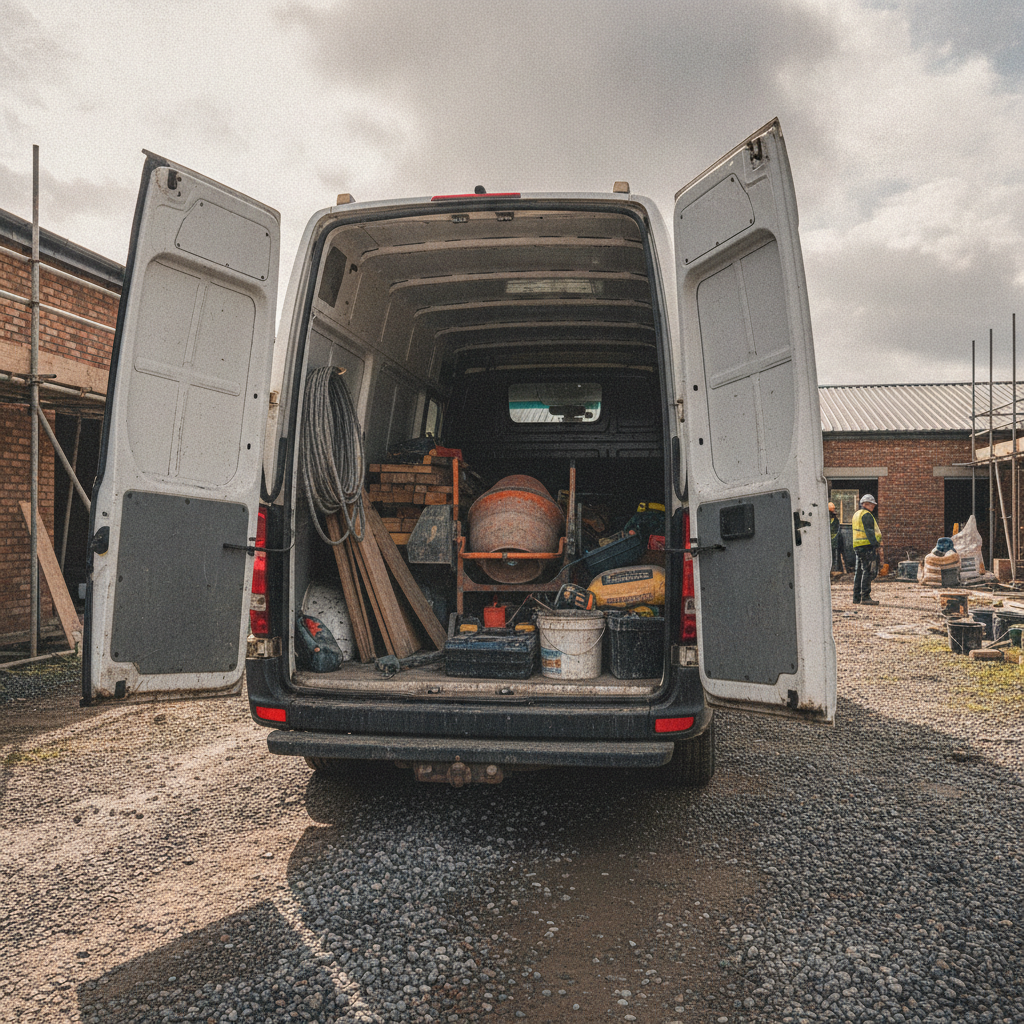
- Joiners, Plumbers, and Construction Trades: Heavy payload variants handle stacked sheet materials, timber racks, and copper tube carriers without wallowing. The upright body sides make racking installation far easier than in vans with inward-tapering roof sections.
- Courier and Express Freight Operators: High-roof, long-wheelbase Crafters are favoured by logistics franchises. The deep rear door apertures, broad side loading doors capable of accepting a standard Euro pallet sideways, and comfortable suspension isolate the driver over long shifts.
- Utility and Mobile Service Technicians: With factory auxiliary battery preparation, high-output alternators, and internal mounting channels, the van easily transforms into a mobile plant repair bay or roadside assistance hub.
- Camper and Race Van Conversions: The second-generation Crafter has largely overtaken other platforms as the dream donor base for custom expedition vehicles. The combination of galvanised steel body panels, clean internal structural ribs, high internal head clearance, and available factory all-wheel drive makes it the ultimate platform for off-grid conversions.
Used Buying Checklist: Common Faults and Inspection Areas
A second-hand Crafter can provide years of trouble-free service, but poor maintenance schedules and hard fleet drivers leave clear warning signs. Inspect these specific mechanical and body areas before signing an invoice.
1. Timing Belt and Water Pump Maintenance
The 2.0-litre TDI engine relies on a toothed rubber timing belt. Volkswagen recommends replacement every four to five years or around one hundred and twenty thousand miles, whichever occurs first. If you are looking at a van entering its fifth or sixth year without documentary evidence of a timing belt and water pump swap, factor this major preventative maintenance task into your purchase cost immediately. Snapped belts cause catastrophic valve-to-piston contact, resulting in a write-off engine replacement.
2. AdBlue Systems and NOx Sensors
Like almost all modern Euro 6 commercial diesels, the Crafter relies heavily on an intricate selective catalytic reduction system. Check the instrument cluster thoroughly during ignition switch-on and extended road testing. Common issues include failed heating elements in the AdBlue reservoir, crystallised injector nozzles, and faulty upstream or downstream NOx sensors. If the dashboard shows an engine management fault alongside a countdown showing miles until non-restart, the repair can involve costly dealer-level diagnostics and replacement hardware.
3. Clutch, Dual-Mass Flywheel, and Propshafts
On manual transmission models, check for dual-mass flywheel chatter. With the engine idling in neutral, listen for uneven metallic rattling from the lower engine bay, which should quieten down when you depress the clutch pedal. When pulling away in first and reverse gears, feel for shuddering through the pedal or floor. On rear-wheel-drive and 4MOTION models, inspect the universal joints, centre carrier bearings, and differential seals for weeping gear oil or vibrational play during acceleration.
4. Suspension, Ball Joints, and Steering Links
The Crafter drives with exceptional precision for a large van, meaning any sloppy steering or suspension knock is immediately noticeable. Front anti-roll bar drop links and lower wishbone rear bushes take a heavy beating on vans carrying maximum weight over rough construction access roads and urban speed bumps. Listen for sharp clunks on low-speed turns and over broken tarmac. On the rear, inspect the parabolic leaf springs for cracked leaves or degraded rubber bump stops.
5. Rear Doors, Latches, and Sliding Door Rollers
Commercial doors endure thousands of harsh slam cycles. Inspect the side sliding door tracks for worn nylon rollers, which cause the door to drop and score the paint along the exterior sill. Open the twin rear doors to their full extension, test the optional two-hundred-and-seventy-degree hinge detents, and examine the internal latch mechanisms. If the doors have been forced out of square, road spray and rain will enter the load compartment, damaging internal timber racking or customer goods.
6. Cabin Electronics and Touchscreen Systems
The Crafter relies on Volkswagen's modular infotainment platforms. Ensure the touchscreen powers on instantly, operates the DAB radio smoothly, displays parking radar sensors without delay, and connects cleanly to mobile devices. Check that heating and ventilation blower motors operate across all speed settings, as resistor pack failures are relatively common on older trade vehicles.
What Model Years to Approach with Caution
When searching the used market, treat 2011 to 2015 first-generation vans with elevated caution unless backed by impeccable service history. These vans suffered from accelerated body corrosion around wheel arches, window frames, and chassis outriggers, along with early-generation particulate filter failures.
For second-generation models, early build vans from the 2017 to 2018 introductory run had several factory technical service bulletins and recall notices. These addressed issues such as handbrake cable adjustments, early software bugs in the central convenience module, and steering column harness routing. Ensure any early second-generation van has its complete main-dealer recall completion stamps recorded in the digital service schedule.
Typical Used Volkswagen Crafter Prices
Second-hand values fluctuate according to mileage, mechanical provenance, body condition, and equipment packages. The guide ranges below illustrate market tiers for clean, roadworthy commercial examples.
Under £8,000 (Ex-VAT)
This entry tier consists predominantly of late first-generation vans (pre-2017) or very high-mileage, basic-specification second-generation trade workhorses showing over one hundred and seventy thousand miles. While mechanically salvageable, expect visible body dings, worn seat bolsters, scuffed cargo lining, and imminent requirements for wearable components like tyres, brakes, and suspension bushes.
£8,000 to £16,000 (Ex-VAT)
The core operating tier for small business owners. Here you will find plenty of second-generation models (2017 to 2020) with mileage sitting between sixty thousand and one hundred and twenty thousand miles. Most will be standard Startline or popular Trendline trims in medium or long wheelbase with the 140 PS engine. Expect complete digital service histories and clean interiors, though always inspect carefully for ex-fleet wear.
£16,000 to £25,000 (Ex-VAT)
This bracket offers late-plate models (2020 to 2023) with low mileage, often under fifty thousand miles. You will uncover desirable Highline specifications equipped with adaptive cruise control, front and rear acoustic parking sensors, heated windscreens, and the smooth eight-speed automatic gearbox. Vans in this price band are often dealer-approved used units retaining manufacturer warranty extensions.
£25,000 to £40,000+ (Ex-VAT)
The upper tier covers nearly-new, delivery-mileage Crafters, factory 4MOTION all-wheel-drive utility variants, high-specification chassis-cab tippers, or professionally constructed camper conversions. Fully fitted, off-grid adventure camper builds based on the Crafter chassis frequently climb past sixty thousand pounds depending on the calibre of the solar, lithium electrical, and interior cabinetry installations.
Running Costs: Fuel, Road Tax, Servicing, and Insurance
Evaluating long-term operating overheads is essential when calculating return on investment for your trade.
Fuel Consumption
Real-world fuel economy varies widely depending on payload, aerodynamic profile, and axle ratios. In everyday driving conditions, a front-wheel-drive 140 PS Crafter carrying moderate trade cargo averages around thirty-two to thirty-six miles per gallon on mixed routes, rising toward thirty-eight miles per gallon on unhurried motorway journeys. Rear-wheel-drive models and short-geared 4MOTION vans trade efficiency for traction, typically returning between twenty-seven and thirty-one miles per gallon under real working conditions.
AdBlue Usage
Expect to consume roughly one litre of AdBlue fluid every five hundred to seven hundred miles, though consumption spikes rapidly when hauling heavy loads at motorway cruising speeds or during sustained towing duties. Always buy quality AdBlue conforming to the ISO standard from sealed containers to prevent dosing system contamination.
Servicing Schedules
Volkswagen commercial vehicles run either fixed or flexible service regimes. For vans on hard, stop-start multi-drop trade duty, stick strictly to fixed annual intervals (ten thousand miles or twelve months, whichever arrives sooner) for engine oil and filter changes. For high-mileage trunking operators, flexible intervals can stretch oil lifespans, but frequent preventative oil renewal is the single most effective defence against turbocharger bearing degradation on the EA288 engine series.
Insurance Categories
The Crafter falls into commercial vehicle insurance groups ranging broadly from group thirty-five up to group forty-six, depending on power output, gross vehicle weight, and factory security systems. Highline models with autonomous emergency braking often enjoy lower insurance classifications because factory accident-mitigation technology reduces claim frequency on commercial policies.
Financing Your Used Crafter: Cash, Hire Purchase, or Leasing
Choosing how to fund a used commercial vehicle impacts cash flow, balance sheet assets, and tax treatment. Depending on your business structure and monthly operational liquidity, several commercial finance paths are available.
Outright Cash Purchase
Buying outright eliminates monthly interest burdens and gives you total asset control immediately. However, locking away large cash reserves can choke working capital needed for tools, materials, and trade emergencies. Furthermore, standard VAT-registered businesses must pay the full VAT upfront upon purchase, which must then be reclaimed on the next standard quarterly return.
Hire Purchase (HP)
Hire Purchase allows you to spread the capital cost of the vehicle over two to five years with fixed monthly payments. You pay the VAT amount as an initial deposit, while the remaining balance and agreed interest are settled across the loan term. Once the final option-to-purchase fee is cleared, your business owns the Crafter outright. This structure suits businesses seeking asset ownership and capital allowances against taxable profits. If this structure matches your cash-flow requirements, evaluate competitive market products through tailored commercial van finance to protect cash flow while working toward asset ownership.
Finance Lease
A finance lease is especially popular for commercial van operators who want the flexibility of vehicle use without taking on the administrative or depreciation risk of direct ownership. You pay an advance rental followed by fixed monthly payments. Crucially, VAT is spread across the monthly repayments rather than paid in one lump sum upfront. At the conclusion of the term, the van is sold to an independent third party, with the majority of the sale proceeds returned to your business as a rebate of rentals.
Contract Hire and Leasing Alternatives
If you prefer fixed monthly overheads with zero exposure to residual vehicle depreciation, comparing pre-owned financing against brand-new commercial inventory is a smart move. In many cases, competitive contract hire rates on brand-new stock deliver manageable monthly payments alongside full manufacturer warranty cover, which you can review across current competitive van lease packages to weigh up new versus nearly-new fleet costs.
Final Verdict: Is a Used Volkswagen Crafter Worth It?
For commercial operators who treat their vehicle as an essential daily office and mobile storehouse, a used second-generation Volkswagen Crafter is exceptionally difficult to beat. It elevates driver comfort to levels that match passenger estate cars, provides cavernous load volumes with clean, usable internal geometry, and offers robust powertrain engineering built to cover high mileage.
By prioritizing second-generation (post-2017) 140 PS or 177 PS models, rigorously verifying timing belt and AdBlue service records, and selecting the correct drivetrain configuration for your specific trade requirements, you secure a dependable, professional asset capable of working hard for your business across hundreds of thousands of miles.