Used Mercedes-Benz Sprinter: What to Check Before You Buy
Buying a used Mercedes-Benz Sprinter requires a thorough evaluation of the vehicle's maintenance history and technical condition. These vans are built for high-intensity commercial use, meaning that any lack of adherence to the service schedule can lead to significant mechanical issues. Always prioritise vehicles with full dealer service records to ensure that essential preventative maintenance has been completed.
Which versions and ages to consider
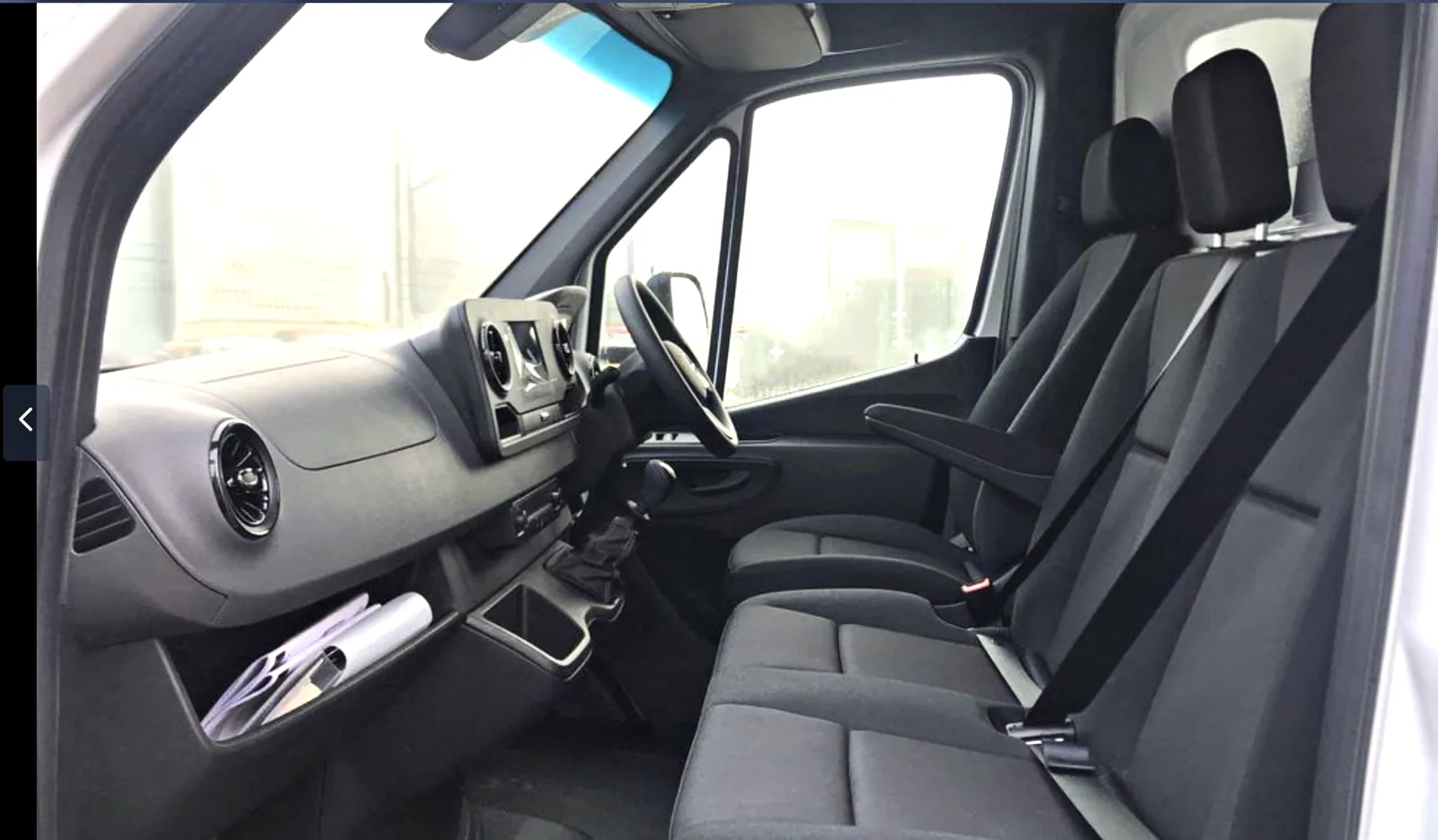
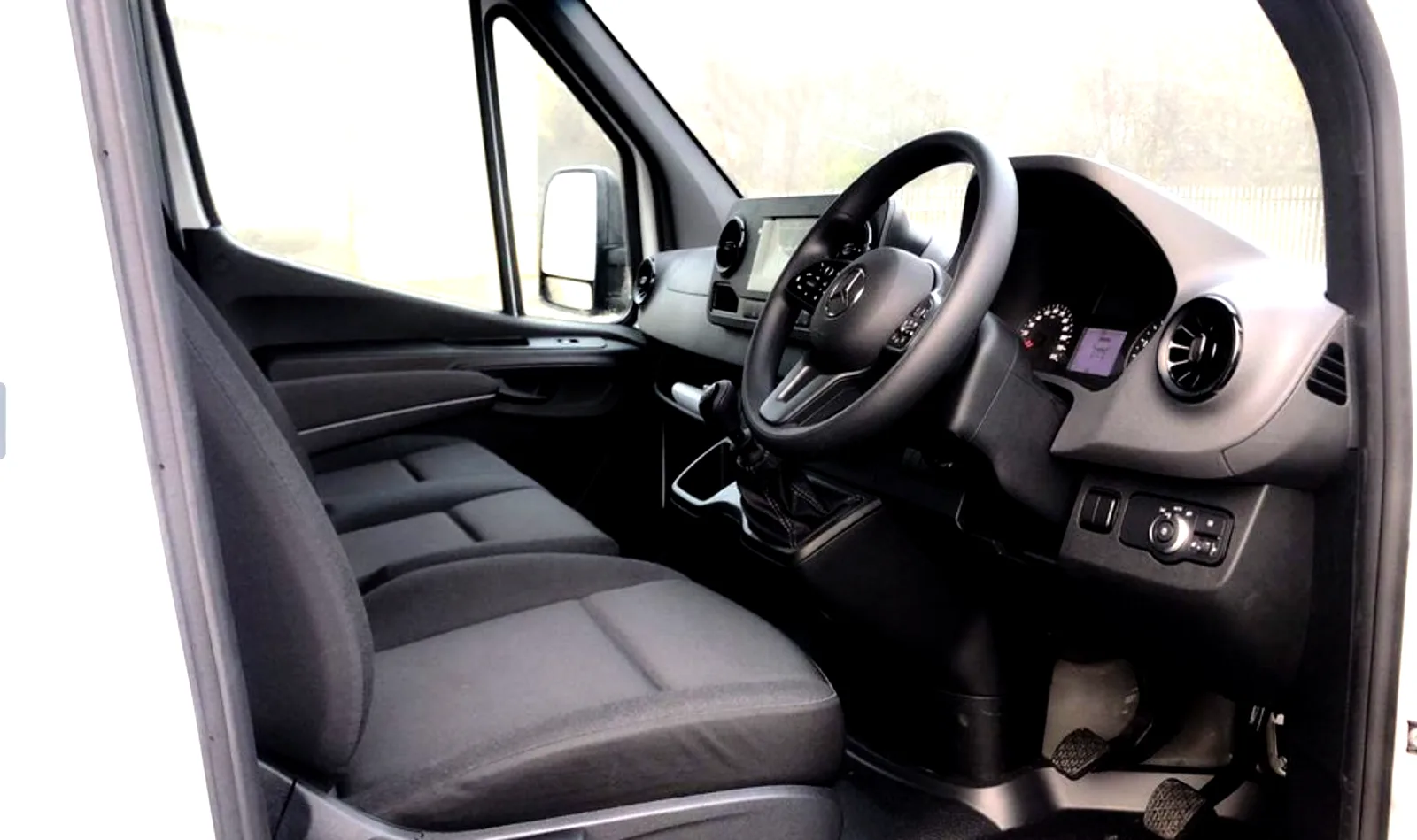
The Sprinter market is primarily divided between the W906 and the W907. The W906 is renowned for its mechanical durability, but at this age, it is critical to inspect the bodywork for structural corrosion around the door sills and wheel arches. The W907, introduced in 2018, offers updated technology and refined cabin ergonomics. When choosing, consider the intended operating environment; W907 models feature more complex electronic systems, so verify that all software updates have been applied during past services.
Body styles, payload and sizes
Sprinters are available in various configurations, including different roof heights and wheelbase lengths. It is essential to verify the vehicle's actual payload capacity against your specific cargo requirements. Overloading the Sprinter places excessive stress on the chassis, rear leaf springs, and braking system. When inspecting, examine the rear suspension for signs of sagging or irregular wear, which can indicate that the vehicle has been regularly operated at its maximum weight limit or beyond.
What to check on the van
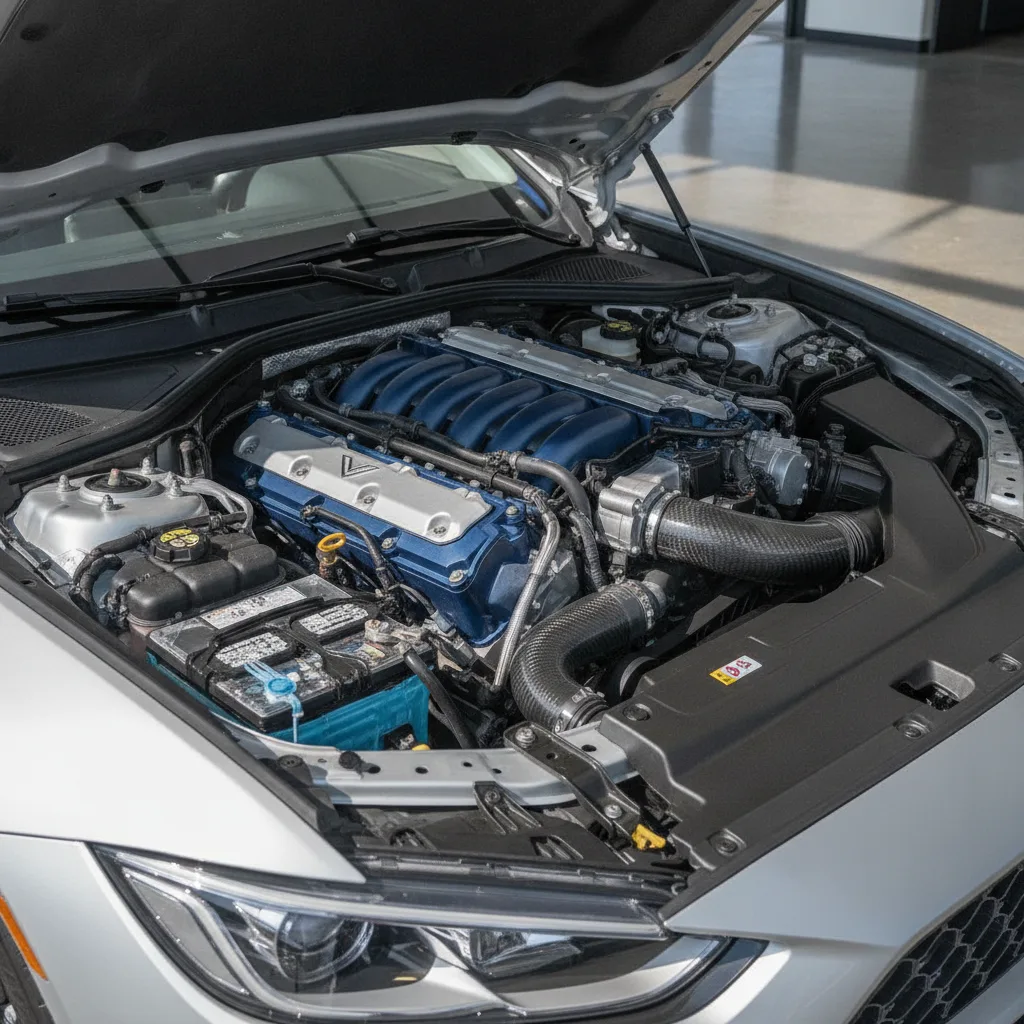
Begin your inspection by checking the engine bay for signs of oil leaks or coolant contamination. Check the air intake hoses for splits, as these can trigger performance issues. Move to the interior and confirm that all dashboard warning lights clear after starting the engine. Be particularly wary of any lights relating to the AdBlue system, as these sensors can be temperamental and require diagnostic checks to ensure the emission control system is functioning correctly.
Known areas to inspect
Specific technical watch-outs for the Sprinter include the NOx sensors and the DPF (Diesel Particulate Filter). Frequent short journeys without motorway driving can lead to DPF blockage; check for any warning symbols indicating a restricted filter. Additionally, ensure the ECU housing is free from moisture, as water ingress due to blocked scuttle drains can cause significant electronic failures. Finally, check the automatic transmission fluid condition and listen for any hesitation or jarring during gear changes, as this is a vital indicator of the drivetrain's overall health.

FAQs
What are the common electronic issues on a used Mercedes-Benz Sprinter? Common issues include faulty NOx sensors and potential water ingress into the ECU housing if the scuttle drains become blocked. Always check that all dashboard warning lights function correctly during the pre-purchase inspection.
How does the DPF affect a used Sprinter? The DPF can become blocked if the vehicle is primarily used for short, stop-start journeys. If the van lacks adequate motorway driving, the system may struggle to regenerate, potentially leading to costly warning lights or reduced engine performance.
Why is it important to check the underside of a used Sprinter? Checking the underside is crucial for identifying structural corrosion, particularly on the chassis, brake lines, and suspension mounting points. Road salt exposure can cause significant degradation, which may result in MOT failures.
Should I be concerned about the automatic gearbox in a used Sprinter? The automatic transmission should provide smooth shifts under all conditions. Any clunking, slipping, or delayed gear engagement can indicate wear. Ensure the service history confirms regular transmission fluid changes, as this is essential for longevity.