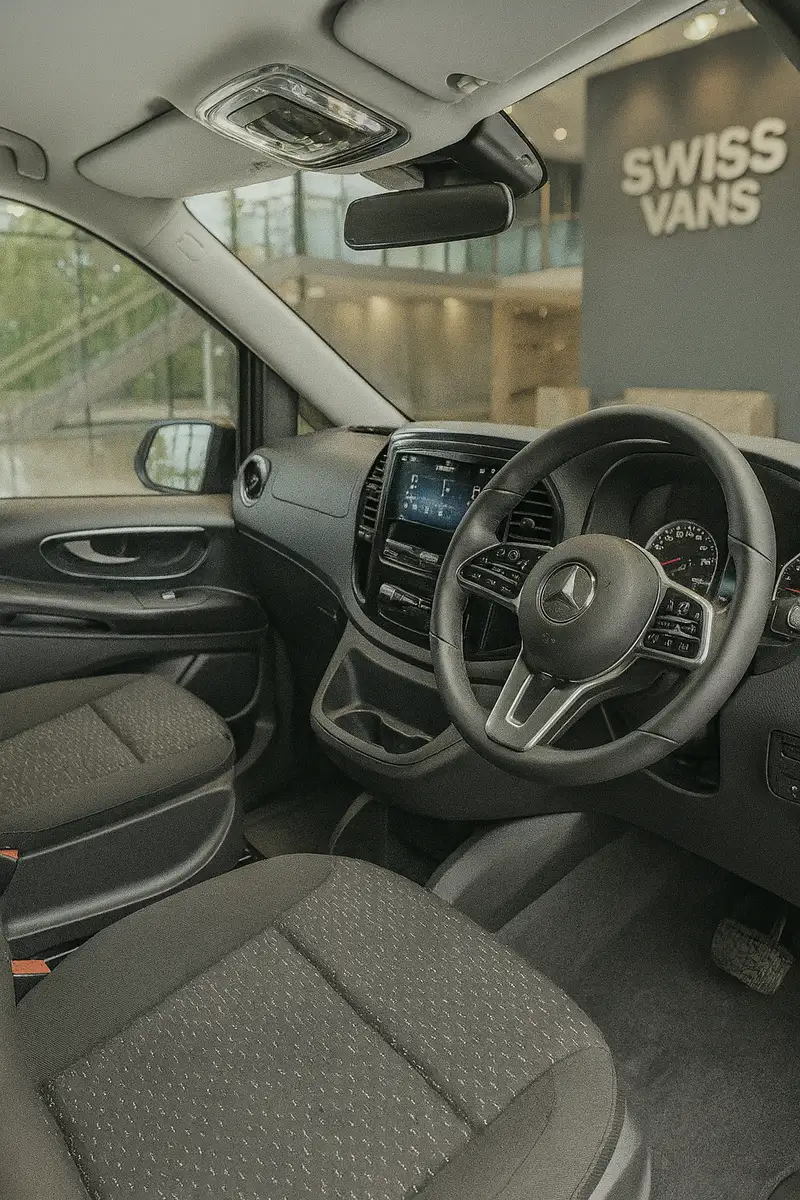
Used Mercedes-Benz Vito: What to Check Before You Buy
You should prioritize checking the service history, bodywork for corrosion, and the condition of the automatic gearbox when purchasing a used Mercedes-Benz Vito. These vans are renowned for their reliability, but ensuring a comprehensive maintenance record is essential for long-term performance. Always verify the vehicle has been regularly serviced by an authorized dealer or specialist to maintain its premium standards.
Which versions and ages to consider
The third-generation W447 model, introduced in 2014, remains the most popular choice for modern buyers due to its refined engine range and superior cabin quality. While you might consider alternatives like a Nissan Townstar Lease or a Toyota Proace City Lease for smaller load requirements, the Vito occupies a larger, more premium segment. Look for post-2019 facelift models for updated infotainment and Euro 6 compliant engines.
Body styles, payload and sizes
Mercedes offers the Vito in three distinct lengths: compact, long, and extra-long, allowing you to choose the perfect size for your specific business needs. Unlike a Vauxhall Combo Lease which caters to light city delivery, the Vito is designed for heavier duty cycles and varied payloads. Ensure the vehicle you select meets your weight capacity requirements, particularly if you are hauling heavy equipment frequently.
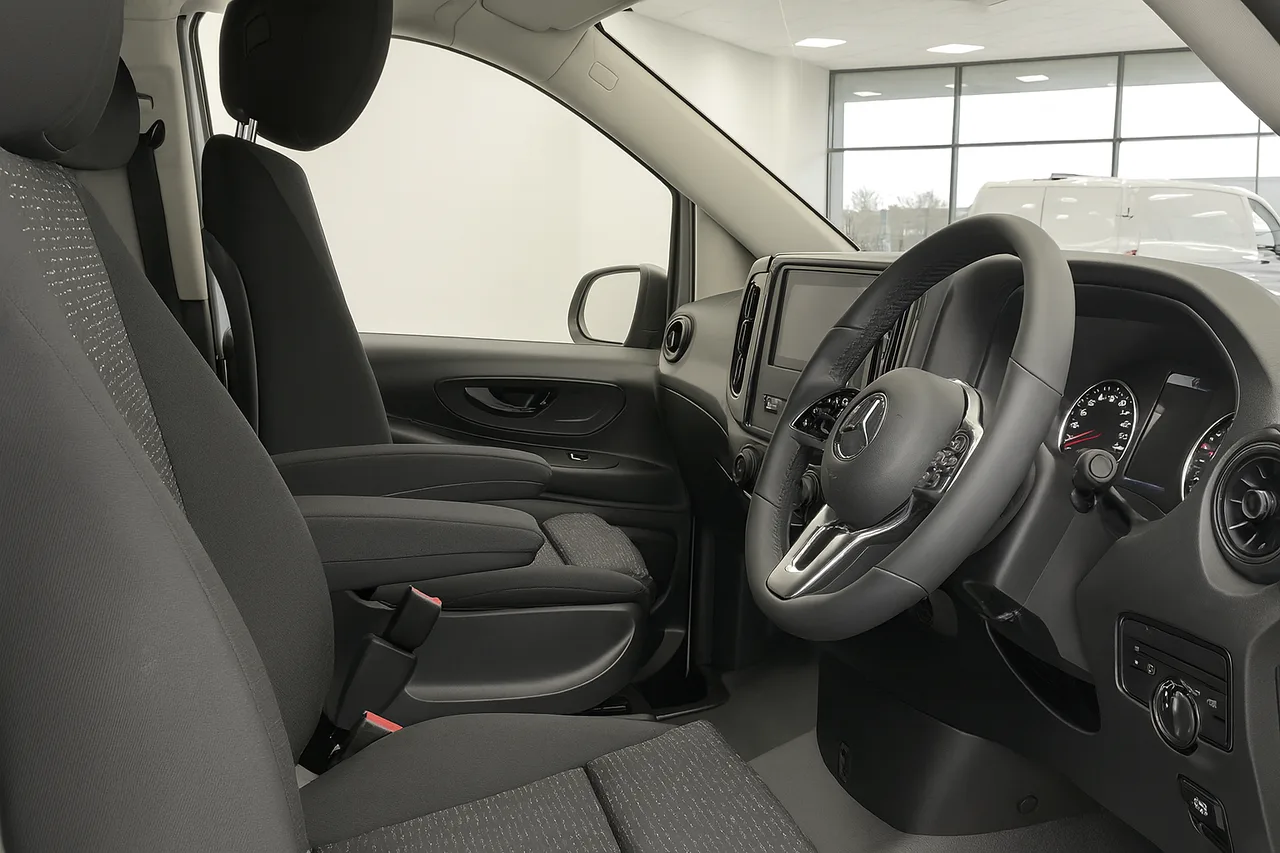
What to check on the van
Begin your physical inspection by testing the electrics, specifically the infotainment system and climate control, as these are costly to repair if faulty. Check the condition of the sliding doors and rear tailgate hinges, as these take significant wear over time. Ensure the van idles smoothly and that there are no warning lights visible on the dashboard during a cold start.

Known areas to inspect
Inspect the underside of the vehicle for signs of rust, particularly around the suspension mounts and wheel arches, as early models were prone to corrosion. Pay close attention to the suspension bushings and steering rack, which can show signs of fatigue under heavy loads. Finally, verify the DPF status to ensure the van has been used for long enough journeys to prevent clogging.

FAQs
What should I check on a used Mercedes-Benz Vito? You should verify the full service history, inspect for any signs of rust on the undercarriage, test the automatic gearbox for smooth shifts, and ensure all electrical components, such as the infotainment system and sliding doors, are fully operational.
Is the Mercedes-Benz Vito expensive to maintain? As a premium van, parts and specialist servicing for a Vito can be higher than economy brands; however, regular maintenance and using quality components can prevent significant repair bills in the future.
Are older Mercedes-Benz Vitos prone to rust? While later models have much improved anti-corrosion treatments, older Vitos can suffer from surface rust on the wheel arches and underbody, making a thorough pre-purchase inspection crucial.
What is the best engine choice for a used Vito? The 116 CDI and 119 CDI engines are generally considered the best all-rounders, offering a strong balance of fuel efficiency and pulling power for both motorway driving and urban deliveries.