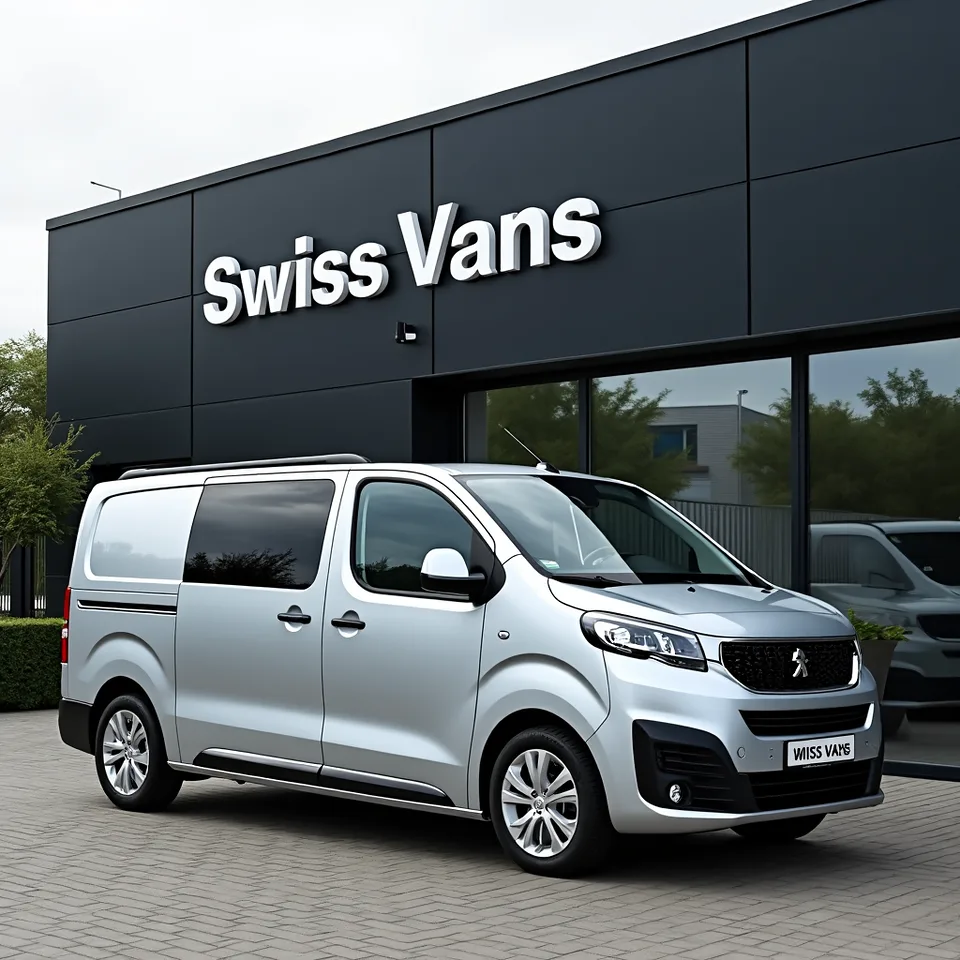
Used Peugeot Expert: What to Check Before You Buy
When inspecting a used Peugeot Expert, focus on the mechanical integrity of the PSA group engines. These vans, sharing their platform with the Citroën Dispatch and Toyota Proace, have specific traits that require scrutiny. A thorough inspection of the engine’s maintenance history is critical to ensure that oil change intervals have been strictly adhered to, as these engines are sensitive to lubricant quality.
Which versions and ages to consider
Post-2016 models are widely considered the most viable options due to the introduction of the Euro 6-compliant BlueHDi engines. While these engines offer improved efficiency, they also introduced more complex emissions systems. When considering a model from this era, prioritize those with full main dealer or specialist service records, as this provides documented evidence that the vehicle has received the correct attention throughout its working life.

Body styles, payload and sizes
The Expert is available in Compact, Standard, and Long configurations. It is essential to verify the actual payload capacity against your specific business requirements. Do not rely solely on the advertised model name; check the manufacturer’s metal plate inside the door frame. This provides the definitive gross vehicle weight and axle load limits, ensuring the van is legally and mechanically suited to your intended cargo.

What to check on the van
Beyond standard structural checks, pay particular attention to the 1.6 and 2.0 BlueHDi engine components. Specifically, enquire about the timing belt replacement history, as failure to replace this according to the manufacturer’s schedule can lead to catastrophic internal damage. Additionally, be aware that the oil pump screen can become blocked by debris or carbon deposits if oil changes have been neglected, leading to poor oil pressure. Check for any history of engine oil pressure warning lights, as these should be treated as a major red flag.

Known areas to inspect
The AdBlue system is a notable area for potential faults; check for evidence of crystallization around the filler neck and ensure no warning lights related to the emissions control system are illuminated. Inspect the sliding door rails to ensure they are free from dirt and operate smoothly without binding. Finally, evaluate the clutch and dual-mass flywheel condition on manual models, listening for any rattling or juddering during the bite point transition, as these are common high-wear items in stop-start urban delivery environments.
FAQs
What are the most critical mechanical checks for a used Peugeot Expert? You must check the timing belt replacement history, confirm that oil changes have been performed on schedule to prevent oil pump screen blockages, and ensure the AdBlue system is free of warning lights or crystallization.
Why is the engine oil service history important for the BlueHDi engines? The 1.6 and 2.0 BlueHDi engines are sensitive to oil quality; neglecting oil changes can lead to debris build-up in the oil pump screen, which restricts flow and can result in significant engine damage.
How do I verify the payload capacity of a used Expert? Always check the metal manufacturer’s plate, usually located on the door pillar. This contains the accurate data for the specific vehicle’s gross vehicle weight and payload limits, which is more reliable than general brochure specifications.
Are there common issues with the sliding doors? Yes, the sliding door rails are subject to significant wear. Inspect the tracks for a build-up of grit or debris and check that the door slides smoothly without sticking, as this indicates whether the mechanism has been maintained.