Generations and Engine Choices: What to Look For
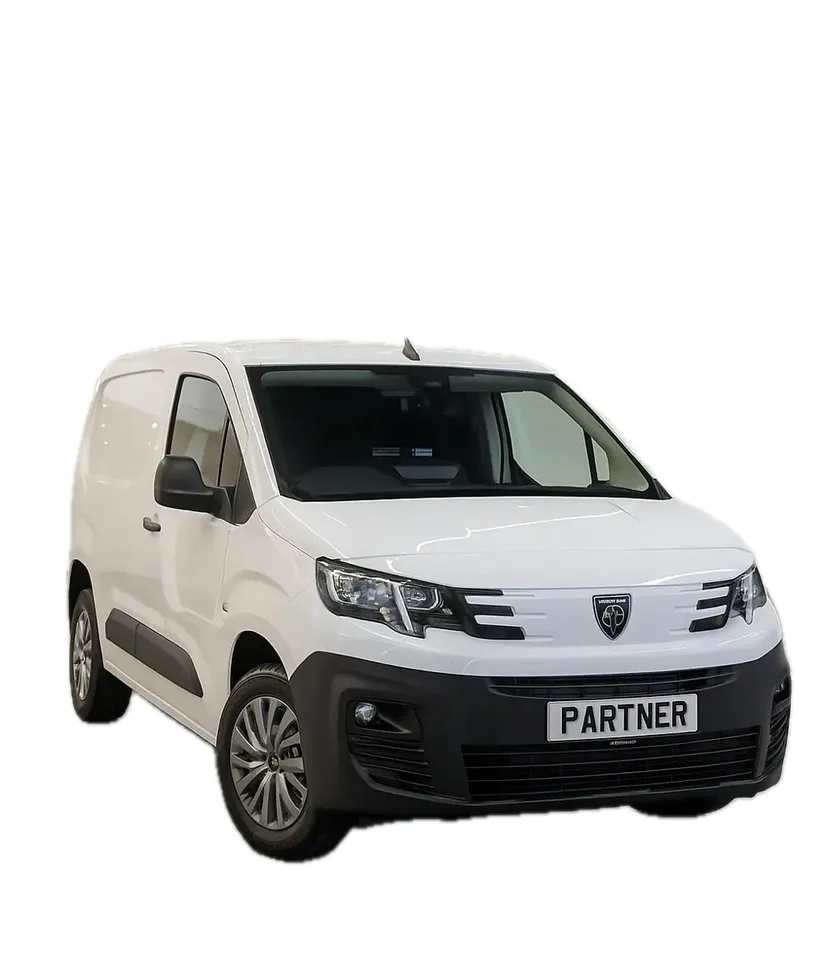
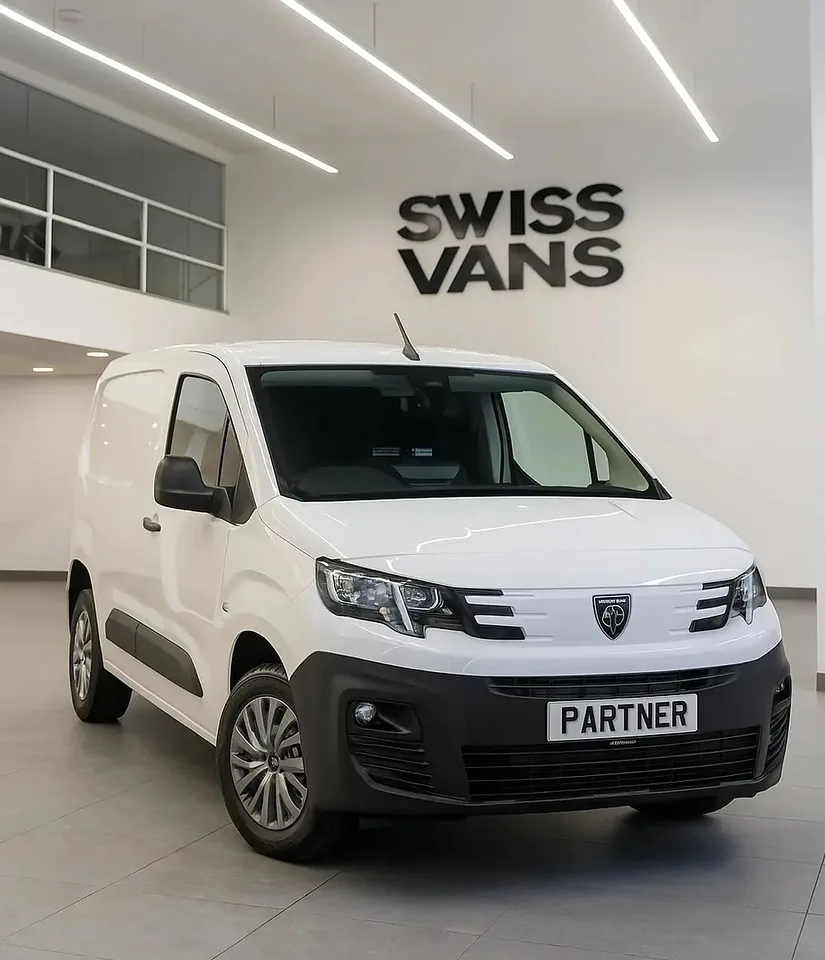
The Peugeot Partner has been a staple of UK commercial fleets and independent trades for decades. If you are browsing the second-hand market, you will primarily encounter two generations: the second-generation model (sold from roughly 2008 to 2018, often referred to as the B9) and the third-generation model (introduced in late 2018, known as the K9). Both share underpinnings with the Citroen Berlingo, while newer post-2018 models also share their platform with the Vauxhall Combo and Toyota Proace City.
Engine selection dictates long-term reliability and operating costs. The most common powertrains on UK roads include:
- 1.6 HDi and BlueHDi (pre-2018): Older Euro 5 variants (75PS and 90PS) are robust if serviced properly, though oil carbonisation can starve the turbocharger if oil changes were skipped. The later Euro 6 1.6 BlueHDi introduced AdBlue systems, which require close inspection for tank and pump failures.
- 1.5 BlueHDi (post-2018): Available in outputs ranging from 75PS to 130PS. Early versions of this engine built prior to early 2023 used a 7mm camshaft timing chain connecting the twin cams, which is prone to premature stretching and snapping. Stellantis later revised this to an 8mm chain. Always listen for a metallic rattling from the top of the engine on cold startup.
- 1.2 PureTech Petrol: Less common on work sites, but popular for urban drivers avoiding clean air zone penalties. This engine uses a "wet" timing belt that runs in engine oil. The belt material can degrade over time, shedding rubber particles that clog the oil pickup pipe and starve the engine of lubrication.
Payload, Load Length, and Cab Configurations
Peugeot produced the Partner in two primary body lengths: the Standard (often badged L1 or M) and the Long (L2 or XL). Standard models typically measure around 4.4 metres in overall length with a cargo floor length of 1.81 metres, while Long variants extend to roughly 4.75 metres with an internal load length of 2.16 metres.
One of the most practical features to seek out is the Extenso modular passenger bench. This provides a three-abreast cab setup, though the middle seat is tight for adults. Crucially, the outer passenger seat folds flat into the floor, and an opening hatch in the bulkhead allows long conduit, copper pipes, or timber lengths of up to 3.09 metres (Standard) or 3.44 metres (Long) to slide through into the passenger footwell.
Payload capacity varies significantly depending on specification and gross vehicle weight ratings. Standard models generally range from roughly 650kg up to 1,000kg. Third-generation models frequently feature an electronic overload sensor: an LED light in the cargo bay and a dashboard alert that warns drivers when they approach 80 percent and 100 percent of the legal limit. Always verify the manufacturer weight plate on the driver-side B-pillar rather than relying on the sales listing.
Under the Bonnet: Engine and Mechanical Faults
Before turning the key, perform a thorough mechanical inspection under the bonnet. Because light commercial vehicles endure hard daily use, wear shows up quickly in the engine bay:
- AdBlue System Failure: On any BlueHDi model, look out for persistent emissions warning lights or an engine countdown warning on the dash. The integrated tank, heater, and pump assembly is a well-documented weak spot across the PSA vehicle family, and replacing the sealed tank unit is an expensive repair.
- Timing Belt and Cam Chain Records: On 1.6 BlueHDi engines, the cambelt replacement interval is typically set around 10 years or 112,000 miles, but preventive replacement at 5 years or 60,000 miles is widely recommended by UK mechanics to prevent tensioner failure. On 1.2 PureTech petrol engines, inspect the belt through the oil filler cap using an inspection gauge to check for swelling or cracking.
- Turbo Oil Feed Lines: On older 1.6-litre units, check for carbon deposits and burnt oil residue around the turbocharger casing. If the small mesh filter inside the oil feed banjo bolt clogs, total turbo failure follows quickly.
- Coolant Header Tank: Inspect the expansion bottle for discolouration or signs of oil ingress, which can indicate head gasket deterioration or an oil cooler core failure.
Chassis, Suspension, and Braking Systems
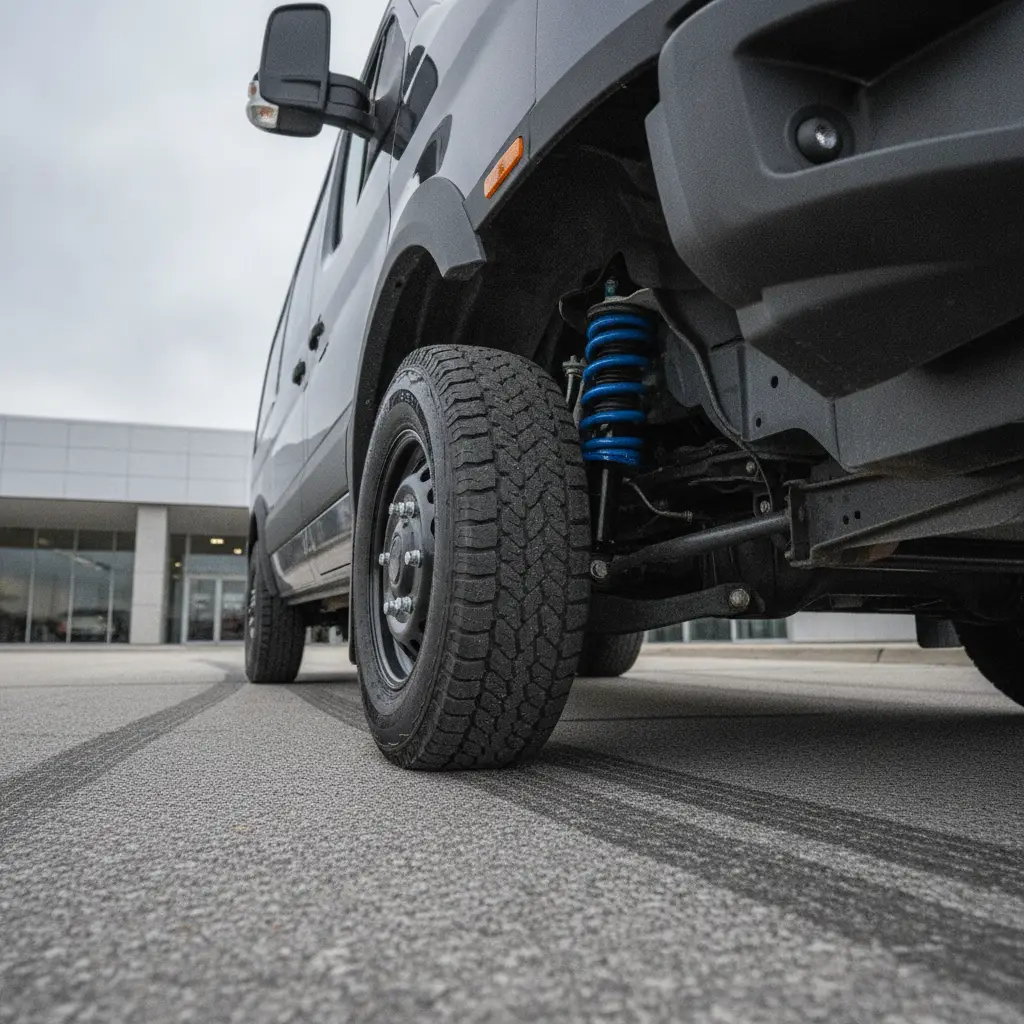
Stop-start city driving, speed humps, and maximum payloads take a heavy toll on the Partner’s running gear. During your physical walkaround, press down firmly on each corner to test shock absorber rebound, and inspect the tyres across both shoulders for uneven tread wear.
Common suspension issues on second- and third-generation Partners include:
- Front Top Strut Mounts: These bearings degrade under heavy loading, leading to creaking or groaning noises when turning the steering wheel at low speeds or when parking.
- Anti-Roll Bar Drop Links and Wishbone Bushes: Light clunking or knocking noises over rough road surfaces almost always point to worn drop links or torn lower suspension arm bushes.
- Rear Torsion Beam and Axle: On pre-2018 (B9) models, inspect the rear wheels from behind. If the top of the wheels lean inward noticeably (excessive negative camber), the rear axle bearings may be failing. On later K9 vans, check the rear coil springs for corrosion or fractured lower coils.
Bodywork, Security, and Cargo Area Checks
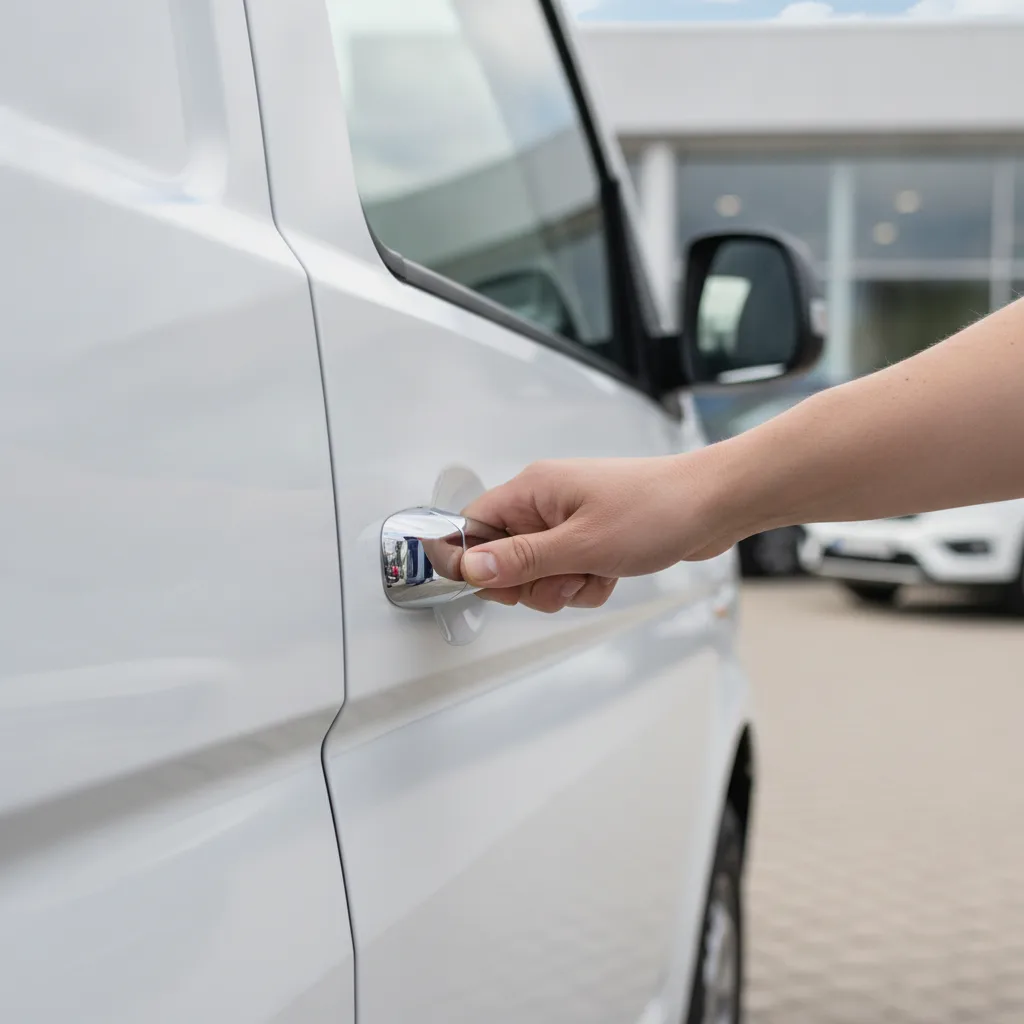
Work vans live tough lives, but structural damage should not be ignored. When evaluating used vans, inspect the condition of all door mechanisms. The side sliding door should glide freely on its middle, upper, and lower guide rollers without dropping down when unlatched. Misaligned sliding doors often let in water, which rusts the cargo floor beneath ply lining kits.
Check the rear asymmetrical barn doors for smooth latching. Commercial thieves frequently target factory lock barrels; look closely for signs of "peel and steal" body creases around the top edge of side doors, or puncture wounds near the rear handle where thieves attempt to cut central locking cables. The presence of aftermarket deadlocks or slam locks fitted by an accredited security installer is a major practical benefit.
Test Drive Checklist and Electronics
Take the vehicle on an extended test drive covering both low-speed residential roads and higher-speed dual carriageways. As you drive, evaluate the following operational areas:
- Clutch and Dual-Mass Flywheel: On manual gearboxes, feel for clutch slip under heavy acceleration in third or fourth gear. If you notice a low rumbling vibration or rattling pedal pulse at idle that disappears when you depress the clutch, the dual-mass flywheel is nearing the end of its service life.
- DPF Regeneration: Check that the diesel particulate filter is clear. If the van has been used exclusively for short, local journeys, the exhaust system may not have reached the temperatures required to regenerate the filter. A clogged DPF will trigger limp mode and dashboard warnings.
- Electrical Switches and Touchscreen: Third-generation models feature an eight-inch central touchscreen. Ensure it boots quickly, connects to Bluetooth or Apple CarPlay/Android Auto without resetting, and controls the air conditioning accurately. Verify that electric window regulators move without grinding noises, as cable guides inside the doors can fray.
If you are planning your vehicle upgrade and calculating your operational overheads, reviewing flexible van finance arrangements can help align vehicle acquisition costs with your business cash flow.
Frequently Asked Questions
What is the most reliable engine in a used Peugeot Partner?
The 8-valve 1.6 HDi (90PS/92PS) found in pre-2015 Euro 5 models is widely considered one of the most durable choices, provided it has had regular oil changes every 6,000 to 10,000 miles. For post-2018 Euro 6 models, the 1.5 BlueHDi is capable and economical, but you must verify whether the upgraded 8mm camshaft timing chain kit has been fitted.
How often should the cambelt be replaced on a Peugeot Partner?
Manufacturer schedules vary between 60,000 and 112,000 miles or up to 10 years, depending on the engine code and production year. Most independent commercial vehicle specialists recommend replacing the belt, water pump, and auxiliary drive belt every five years or 60,000 miles to prevent sudden catastrophic engine failure.
How do I check if a used Peugeot Partner has been overloaded?
Look for flattened rear leaf or coil springs, excessive wear on the inner edges of the rear tyres, and cracks in the bodywork around the rear shock mounts. On 2018-onwards models equipped with the factory overload indicator, turn on the ignition and check the load indicator button inside the cargo bay to view current axle loading status.
Can a Peugeot Partner carry an 8x4 sheet of plasterboard?
No, an 8x4 sheet (2,400mm x 1,200mm) will not lie flat on the floor between the wheel arches in a Standard or Long Peugeot Partner. While you can slide longer items through the bulkhead flap, full-size building sheets require a medium-sized van such as an Expert, or an external roof rack system designed for commercial sheet carrying.