Buying a used Peugeot Boxer
Peugeot Boxer Overview: The Trade Professional’s Workhorse
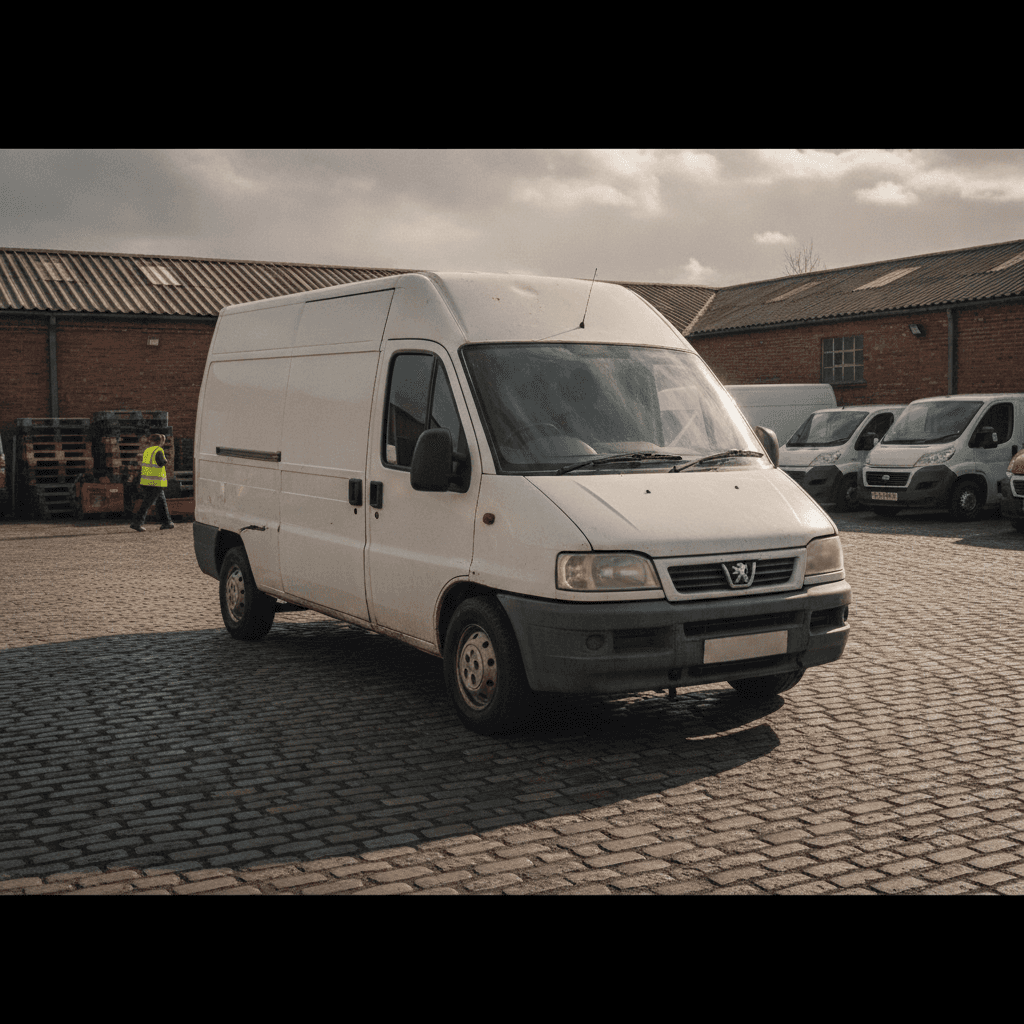
The Peugeot Boxer has long stood as one of the most practical commercial vehicles on UK roads. Built at the Sevel Sud facility in Atessa, Italy, alongside its platform siblings—the Citroën Relay and Fiat Ducato, as well as the modern Vauxhall Movano—the Boxer shares a lineage engineered specifically for commercial haulage. While competitors like the Ford Transit, Mercedes-Benz Sprinter, and Volkswagen Crafter command significant market share, the Boxer dominates in areas that matter directly to a working balance sheet: raw payload capacity, a class-leading usable internal load width, and uncompromised cargo volume.
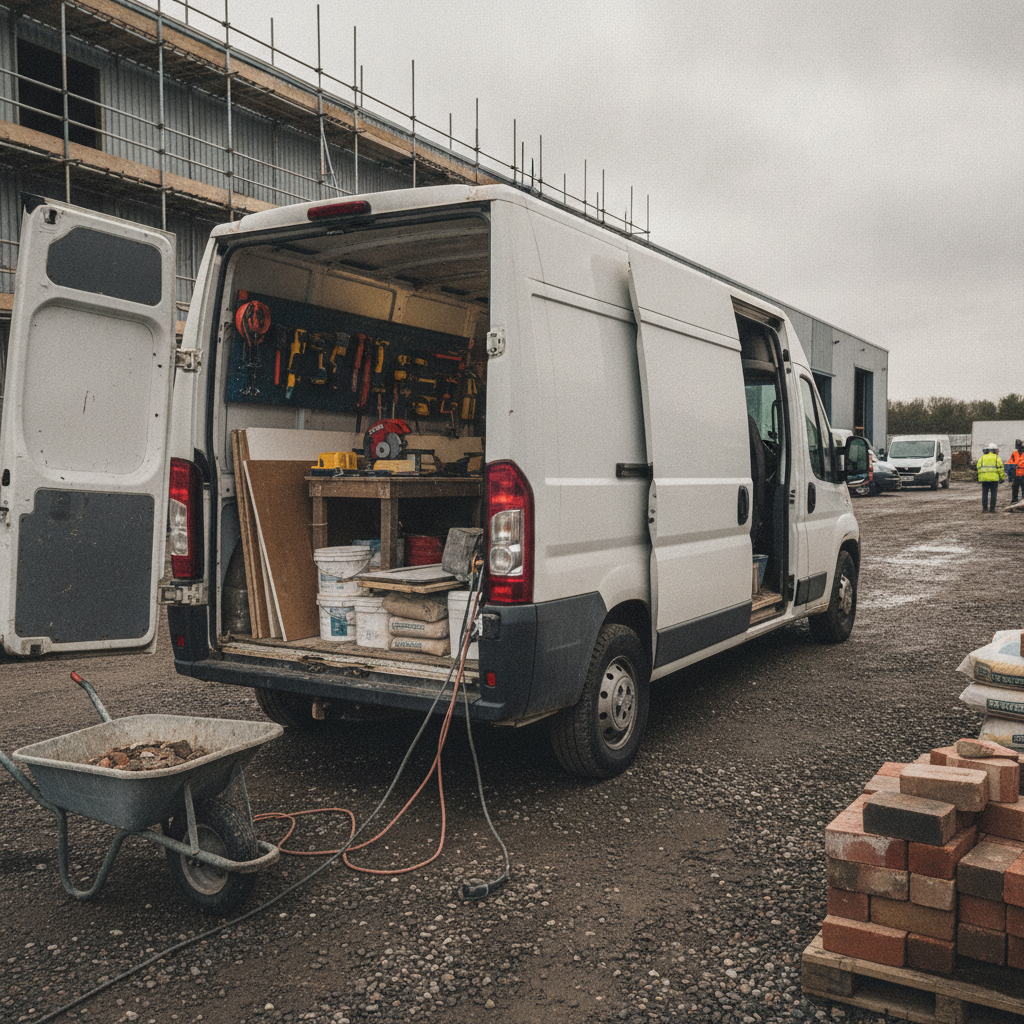
Unlike rear-wheel-drive or rear-biased all-wheel-drive vans, the Boxer utilises a front-wheel-drive architecture across its core panel van lineup. Eliminating a heavy rear prop shaft and differential creates a lower loading sill, saves unsprung chassis weight, and maximises interior cubic capacity. The defining hallmark of the Boxer is its squarer internal cargo profile. While many modern vans taper noticeably towards the roofline, the Boxer maintains near-vertical sidewalls. Combined with an internal width between the wheel arches of over one point four metres, this allows standard eight-by-four building boards to be stacked completely flat on the floor with room to spare.
Chassis Dimensions, Body Styles, and Payload Specifications
Understanding Peugeot’s nomenclature is vital when assessing a used Boxer. The model range relies on four body lengths designated L1 through L4, and three roof heights designated H1 through H3. Gross vehicle weights typically sit at three point three tonnes or three point five tonnes, with heavy-chassis derivatives rated up to four tonnes for specialised operations.
Dimensions and Load Volumes
- L1H1: The most compact variant features an overall length of just under five metres with an internal load length of two thousand six hundred and seventy millimetres. Offering eight cubic metres of cargo capacity, this version is tailored for city trades operating in restricted streets.
- L2H2: A popular medium-wheelbase option delivering an internal load length of three thousand one hundred and twenty millimetres and standing height of one thousand nine hundred and thirty-two millimetres. It provides eleven point five cubic metres of space, making it a balanced platform for plumbers, electricians, and mobile workshops.
- L3H2: The industry standard long-wheelbase setup. Featuring an internal floor length of three thousand seven hundred and five millimetres and thirteen cubic metres of capacity, it represents the backbone of UK parcel delivery fleets and general building contractors.
- L4H2 and L4H3: The extra-long chassis stretches total vehicle length to nearly six point four metres, with an internal floor length exceeding four metres. The H3 high-roof variant expands internal load volume to seventeen cubic metres, suited for bulky, high-volume logistics.
Payload Capabilities
Payload efficiency is where the Boxer outperforms nearly every rival in the three-and-a-half-tonne category. Because the base kerb weight of the Boxer is substantially lower than equivalent rear-wheel-drive competitors, an L2H2 or L3H2 three-point-five-tonne Boxer regularly delivers a legal payload exceeding one thousand four hundred to one thousand five hundred kilograms, depending on trim specification and fitted bulkheads. Even the massive L4H2 variant frequently provides a verified payload well over one thousand three hundred kilograms. For businesses operating under strict gross vehicle weight enforcement, this substantial margin reduces the risk of overloaded axles and roadside penalties.
Factory and Specialist Conversions
Beyond standard steel panel vans, the Boxer platform serves as the foundation for diverse specialist utility bodies. Buyers on the secondary market frequently encounter factory-backed and third-party conversions, including:
- Dropsides and Tippers: Featuring single or double crew-cab configurations with aluminium or steel beds, tailored for groundworks, scaffolding, and municipal contracts.
- Luton and Box Vans: Designed for removal firms and fragile freight, often paired with lightweight tail-lifts taking advantage of the Boxer's low chassis rails.
- Low-Floor Curtain-Siders: Built on specialised drop-frame chassis conversions to maximise multi-drop pallet distribution efficiency.
Engine Evolution: From Euro 5 Puma to Euro 6 BlueHDi
The mechanical underpinnings of the used Peugeot Boxer have undergone several generational shifts over the past decade, directly impacting reliability, maintenance schedules, and clean-air zone compliance.
The 2.2-litre HDi (Pre-2016 Euro 5)
Earlier models from the early to mid-2010s feature the four-cylinder Ford-PSA joint-venture engine, commonly referred to by trade mechanics as the Puma unit. Offered in outputs ranging from one hundred and ten to one hundred and fifty horsepower, these engines rely on a timing chain. While simple to work on and free of complex selective catalytic reduction systems, they require rigorous maintenance histories and do not meet modern clean-air requirements.
The 2.0-litre BlueHDi (2016–2019 Euro 6)
In mid-2016, Peugeot introduced its proprietary two-litre BlueHDi engine to comply with strict Euro 6 emissions regulations. Available in one hundred and ten, one hundred and thirty, and one hundred and sixty horsepower states of tune, this unit uses a wet timing belt system and an exhaust aftertreatment suite consisting of a Diesel Particulate Filter and an AdBlue selective catalytic reduction system. It offers notable improvements in fuel efficiency and quieter operation, though it demands specific diagnostic checks when purchasing second-hand.
The 2.2-litre BlueHDi (2019 to Present)
Late-plate models shifted back to an updated, fully in-house two-point-two-litre displacement to satisfy tougher Euro 6d emissions standards. Available in outputs of one hundred and twenty, one hundred and forty, and one hundred and sixty-five horsepower, these engines provide stronger low-end torque delivery, making them better suited for towing trailers or operating continuously near maximum gross vehicle weight.
Who Buys a Used Peugeot Boxer and Why?
The used Boxer market is driven by commercial operators who prioritise usable cargo space and hauling efficiency over cabin luxury. Key buyer groups include:
- General Builders and Joiners: The ability to load full eight-by-four timber sheets, plasterboard, and insulation rolls completely flat between the arches makes the Boxer far more practical than vans with narrower, curved cargo holds.
- Courier and Logistics Operators: Front-wheel-drive handling ensures manageable low-speed manoeuvrability in suburban areas, while the low rear step height reduces driver fatigue during multi-drop cycles.
- Plant and Tool Hire Providers: The robust payload allowance allows drivers to haul heavy machinery, trench rammers, and consumables without exceeding roadside axle limits.
- Campervan Converters: The Boxer is the most popular donor vehicle for professional and self-build motorhomes in the UK. Because the internal width between the side window panels exceeds two metres, converters can install a transverse double bed across the width of the van, saving valuable longitudinal living space without grafting aftermarket side flares onto the bodywork.
Comprehensive Used Inspection Checklist
Purchasing a used commercial vehicle requires looking past cosmetic appearances. Boxers are working tools that often lead demanding operational lives. Before committing to a purchase, conduct the following checks.
1. Scuttle Water Ingress and Engine Corrosion
A widely documented design quirk on Boxers built across the last decade involves the plastic scuttle tray beneath the windscreen. The central join in the plastic trim frequently degrades, allowing rainwater to drain directly onto the top of the engine. Over time, this standing water corrodes fuel injectors, glow plugs, and alternator components. Inspect the engine bay with a torch; if you see heavy rust on the cylinder head components or pool marks on the injector recesses, factor in potential labour costs for seized components during future servicing.
2. Front Strut Top Mounts and Steering Geometry
Rainwater directed off the scuttle can also seep into the front suspension strut top bearings. When these bearings dry out and corrode, steering becomes heavy, notches when turning, or emits a groaning sound during low-speed parking manoeuvres. Have an assistant turn the steering wheel lock-to-lock while you listen near the front wheel wells. Furthermore, check the front tyres for uneven shoulder wear, which often points to worn wishbone bushes or knocked-out tracking caused by hitting site obstacles.
3. Transmission and Clutch Operation
The six-speed manual gearbox fitted across all Boxer variants is generally durable, but heavy urban multi-drop use takes its toll. When on a test drive, confirm smooth engagement across every gear. Stiff shifting when cold, resistance when selecting reverse, or crunching into second gear indicates stretched gear selector cables or worn synchromesh rings. Accelerate hard in high gear from low engine speeds to confirm the dual-mass flywheel does not chatter and the clutch does not slip under load.
4. Emissions and AdBlue Systems (Euro 6 Models)
Vans equipped with BlueHDi technology require strict diagnostic verification. The AdBlue tank integrates the fluid heater, level sensor, and pump into a sealed module. Ensure that no emissions warning messages or non-start countdown timers are illuminated on the instrument cluster. Run the van up to full operational temperature on a dual carriageway; a clogged Diesel Particulate Filter or failing nitrogen oxide sensor will trigger limp-home mode under sustained boost pressure.
5. Rear Suspension and Axle Integrity
Check the rear leaf springs. Single-leaf setups on lighter variants and twin-leaf arrangements on heavy-duty models must not be flattened or inverted. Look for cracks near the spring eyes and inspect the rubber bump stops. If the bump stops show heavy wear or fragmentation, the vehicle has spent considerable time overloaded.
6. Load Area and Sliding Door Mechanisms
Examine the side loading door rollers and lower track guide. Due to fast-paced delivery usage, nylon guide rollers wear out, causing the door to drop, scrape the body paint, and fail to latch securely. Replacement roller sets are inexpensive, but damaged runner tracks can be difficult to realign. Inspect the rear door check-straps to ensure they latch at ninety and one hundred and eighty degrees without bent mounting pins.
Production Years to Approach with Caution
While every manufacturing era has clean examples, certain production windows require higher diligence:
- 2011 to 2014 (Euro 5 2.2 HDi): Some early Puma engines suffered from oil pump failures and fragile piston crowns under high loads. If considering a vehicle from this era, look for documented evidence of frequent oil services well inside official factory schedules.
- 2016 to 2017 (Early Euro 6 2.0 BlueHDi Transition): Early iterations of the SCR aftertreatment setup suffered from faulty AdBlue tank sensors that required complete tank replacements under dealer warranty. Verify on any early Euro 6 van whether the emissions hardware has been updated or replaced.
Used Peugeot Boxer Pricing: £3,000 to £6,500
At this entry-level tier, buyers will primarily encounter older Euro 5 models dating from 2011 through 2015, alongside early high-mileage Euro 6 vans with odometer readings well beyond one hundred and twenty thousand miles. These vehicles generally show noticeable site battle scars, interior wear, and minimal service documentation. They are suitable for local builders operating outside clean-air zones or for self-builders looking for a budget-friendly camper shell who possess the mechanical skills to rectify cosmetic and suspension wear.
Used Peugeot Boxer Pricing: £6,500 to £13,000
The middle tier represents the practical sweet spot for independent tradespeople. Here you will find Euro 6 compliant 2.0-litre and early 2.2-litre BlueHDi vans registered between 2016 and 2020. Typical mileages range from sixty thousand to ninety thousand miles. Vehicles in this category should come with verifiable service books, complete MOT histories with minimal structural advisories, tidy cargo linings, and functional air conditioning. This price band also includes tidy chassis cab dropsides and medium-wheelbase vans ready for immediate site deployment.
Used Peugeot Boxer Pricing: £13,000 to £22,000+
This premium band covers late-plate models from 2021 onwards, including nearly-new and ex-fleet examples with fewer than forty thousand miles recorded. These vehicles frequently feature the latest 2.2-litre Euro 6d powerplants, modern touchscreens with Apple CarPlay and Android Auto, cruise control, reversing cameras, and active safety systems. Vans at this level often carry remaining manufacturer warranty coverage, pristine bodywork, and clean, unblemished load areas that require zero remedial investment before hitting the road.
Running Costs: Fuel, Servicing, and Road Tax
Managing operational expenses is central to running a successful trade business. The Boxer presents a compelling financial profile when preventative maintenance is maintained.
Fuel Efficiency
Real-world fuel economy across the Boxer range remains competitive thanks to its low kerb weight and wind-cheating nose profile. In mixed driving conditions, a two-litre or two-point-two-litre BlueHDi L2H2 or L3H2 model typically returns between thirty-two and thirty-seven miles per gallon unladen. When carrying heavy loads or traversing urban multi-drop routes, expect figures to settle around twenty-eight to thirty-one miles per gallon. Driven conservatively on highway journeys, achieving close to forty miles per gallon is achievable.
Servicing Requirements
Official manufacturer intervals on modern BlueHDi engines suggest servicing every two years or thirty thousand miles. However, independent commercial vehicle specialists strongly advise against running to these extreme limits. Due to diesel soot loading and oil dilution caused by active DPF regeneration cycles, engine oil and filters should ideally be renewed every ten thousand to twelve thousand miles or twelve months. On two-litre BlueHDi engines, pay special attention to the wet timing belt schedule; ensure replacements occur around five years or eighty thousand miles to prevent costly belt failure.
Insurance and Vehicle Excise Duty
Used Boxer panel vans generally fall between insurance groups thirty-six and forty-three, depending on wheelbase, gross vehicle weight, and fitted factory security equipment. Upgrading to higher-specification deadlocks on cargo doors and installing a Thatcham-approved tracker will actively reduce annual premiums. For standard light commercial vehicles registered post-2017, annual road tax sits at the standard flat commercial rate.
Financing Your Used Peugeot Boxer
Funding a commercial vehicle purchase requires choosing an arrangement that complements your business cash flow, tax accounting structure, and operational targets. Small enterprises and sole traders have multiple avenues for securing a reliable Boxer.
If full asset ownership is your commercial goal, exploring structured commercial van finance allows you to spread the capital cost across fixed monthly repayment schedules. Solutions such as Hire Purchase allow your business to offset the capital allowance against trading profits while claiming back the full value-added tax on the purchase price upfront (if VAT registered). Once the final option-to-purchase fee is cleared, the van belongs outright to your business, with no residual mileage limitations or fair-wear-and-tear return conditions.
Conversely, for operators who prefer to upgrade their commercial fleets every two to four years without bearing depreciation risks or disposal burdens, evaluating modern van lease deals provides fixed overhead predictability. Finance leasing and contract hire alternatives allow businesses to preserve operating capital, align monthly rentals against gross revenues, and streamline maintenance overheads into manageable single payments.
The Verdict: Is a Used Peugeot Boxer Right for You?
The Peugeot Boxer may lack the premium cabin plastics of a Volkswagen Crafter or the car-like cruising refinement of a Mercedes-Benz Sprinter, but it consistently outperforms both when evaluated on raw, commercial practicality. For UK tradespeople seeking the highest possible payload at three point five tonnes, a massive and wide load bay that accepts standard building materials flat on the floor, and sensible operational running costs, a mechanically vetted used Boxer remains one of the smartest investments on the UK commercial vehicle market.